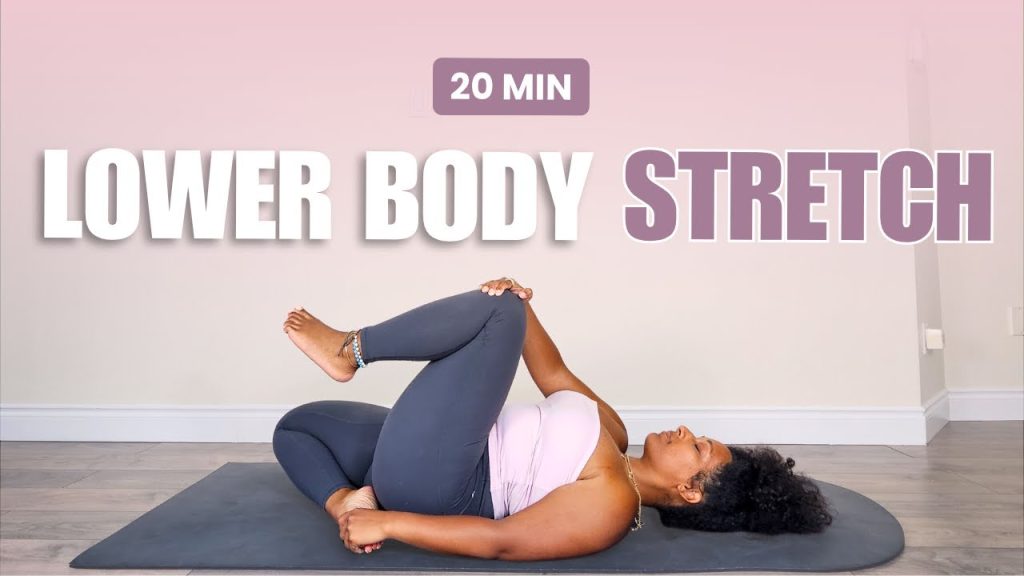
Are you yearning for a more flexible body to enhance your yoga practice? Imagine effortlessly flowing through each pose, feeling every muscle stretch and strengthen.
Flexibility isn’t just about impressive yoga postures; it’s about gaining freedom in your movements and peace in your mind. You might think achieving this level of flexibility is daunting, but with the right guidance, it becomes attainable. In this guide, we’ll unlock the secrets to a more flexible body, ensuring you can enjoy every yoga session to its fullest.
Discover tips and techniques that will transform your practice and help you move with grace and ease. Ready to elevate your yoga journey? Let’s dive in and explore how you can cultivate a body that’s as flexible as it is strong.

Credit: www.youtube.com
Benefits Of Flexibility In Yoga
Flexible muscles enhance yoga practice by allowing deeper stretches and reducing injury risk. Improved flexibility supports better posture and balance.
Flexibility in yoga offers numerous benefits that enhance both the mind and body. It improves posture, reduces risk of injury, and boosts mental clarity. Practicing yoga with a flexible body can significantly enhance your overall experience. Dive into the benefits of flexibility in yoga below.Improved Posture And Alignment
Flexibility aids in better posture and alignment. It allows you to maintain poses with ease. Good posture reduces strain on muscles and joints. A well-aligned body functions more efficiently.Enhanced Muscle Strength
Flexibility contributes to stronger muscles. Stretching muscles increases their range of motion. It also helps in developing muscle strength and endurance. Strong muscles support joints and prevent injuries.Reduced Risk Of Injury
Flexible muscles and joints are less prone to injuries. They can absorb stress better during physical activities. Yoga poses become safer and more effective with increased flexibility.Better Balance And Coordination
Flexibility improves balance and coordination. It helps in achieving stability in yoga poses. Good balance prevents falls and enhances overall mobility.Decreased Muscle Soreness
Stretching reduces muscle soreness after workouts. Flexible muscles recover faster. This leads to less discomfort and quicker recovery times.Improved Mental Clarity
Flexibility in yoga promotes mental clarity. It reduces tension and stress. A relaxed mind enhances focus and concentration.Greater Range Of Motion
Increased flexibility offers a wider range of motion. This allows you to explore advanced yoga poses. A greater range of motion improves daily activities too.Assessing Your Current Flexibility
Assessing your current flexibility helps tailor yoga practices. Begin by noting how easily you bend and stretch. Consider your comfort in different poses to identify areas for improvement.
Assessing your current flexibility is a crucial step on the journey to a flexible body for yoga. Understanding where your body stands today can guide you in tailoring your practice to achieve your goals effectively. Without this assessment, you might push yourself too hard, risking injury, or not push enough, hindering progress.Understanding Your Baseline
Begin by simply observing how your body feels in different yoga poses. Pay attention to areas of tension or discomfort. Can you touch your toes or sit comfortably with your legs crossed? Noting these details helps you recognize your starting point.Using Simple Stretch Tests
Try a few basic stretch tests to gauge your flexibility. Bend forward and see how far you can reach. Sit with your legs extended and try to touch your toes. These tests provide a snapshot of your current flexibility level and highlight areas needing improvement.Documenting Your Findings
Keep a journal of your observations. Write down which areas are stiff or painful and which poses feel easy. Tracking your progress will motivate you and make your journey to flexibility more rewarding.Seeking Professional Guidance
Consider consulting a yoga instructor or physiotherapist to assess your flexibility. They can offer insights into your body’s unique needs and recommend exercises tailored to you. Their expertise can prevent injuries and enhance your practice.Reflecting On Personal Experience
Remember a time when you overcame physical limitations. What strategies did you use? Applying past lessons can be beneficial now. Your personal journey is a powerful tool for achieving flexibility goals. How do you plan to use your current flexibility assessment to improve your yoga practice?Warm-up Techniques
Gentle stretches and breathing exercises prepare the body for yoga. Focus on loosening muscles and improving circulation. This helps flexibility and prevents injuries during practice.
Warm-up techniques are essential for a flexible body in yoga. They prepare your muscles and joints, reducing the risk of injury. A good warm-up increases blood flow and enhances your range of motion. Incorporating specific techniques can make your yoga practice more effective.Dynamic Stretching
Dynamic stretching involves controlled movements to improve flexibility. It helps activate the muscles and increase heart rate. Begin with gentle movements, such as arm circles or leg swings. Gradually increase intensity as your body warms up. This type of stretching prepares the muscles for more intense yoga poses.- Start with simple neck rotations.
- Follow with shoulder rolls.
- Include hip circles to loosen the lower body.
Breathwork Integration
Breathwork integration is crucial in a warm-up routine. It connects the mind and body, enhancing focus. Begin with deep inhales through the nose. Follow with slow, controlled exhales. This practice calms the nervous system and prepares the mind for yoga. Incorporate breathwork with movements. For example, inhale as you raise your arms. Exhale as you lower them. Synchronizing breath with movement increases awareness and control. It sets the tone for a mindful yoga session. Breathwork is not just about breathing. It is about creating a rhythm for your practice.
Credit: www.instagram.com
Essential Yoga Poses For Flexibility
Improving flexibility through yoga involves practicing essential poses like the Downward Dog and Cobra. These poses stretch muscles gently, enhancing flexibility over time. Regular practice helps in achieving a more flexible body for yoga.
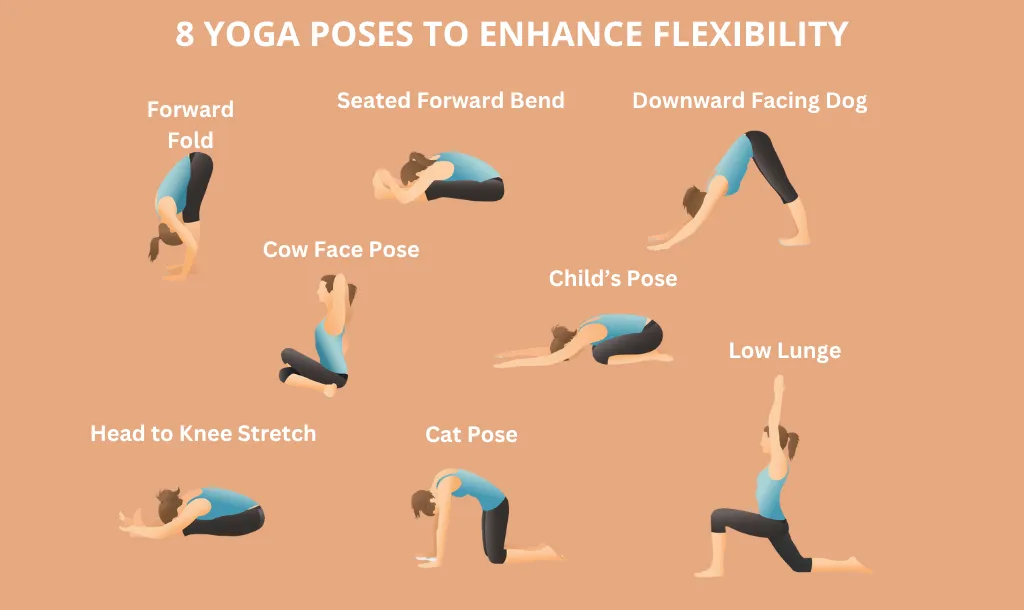
Essential Yoga Poses for Flexibility Yoga helps improve flexibility. It stretches and strengthens muscles. Practicing specific poses can enhance flexibility over time. Let’s explore some essential yoga poses.Forward Folds
Forward folds stretch the back and hamstrings. Start with a standing forward bend. Reach your hands towards your feet. Keep your knees slightly bent. Relax your neck and shoulders. Another pose is seated forward bend. Sit with legs extended. Lean forward and reach for your toes. These poses can help increase flexibility in your spine and legs.Backbends
Backbends open the chest and stretch the spine. Begin with cobra pose. Lie on your stomach. Place hands under your shoulders. Lift your chest up. Keep your elbows slightly bent. Another pose is bridge pose. Lie on your back. Bend your knees and place feet flat. Lift your hips towards the ceiling. These poses can improve flexibility in your back and chest.Twists
Twists enhance spinal flexibility. Start with seated spinal twist. Sit with legs extended. Bend one knee and cross it over the other leg. Twist your upper body towards the bent knee. Another pose is supine twist. Lie on your back. Bend knees and let them fall to one side. Extend your arms to the side. Twisting poses help increase mobility in the spine and hips.Incorporating Props For Better Stretching
Incorporating props like yoga blocks and straps aids in better stretching. They support the body, enhancing flexibility and alignment. These tools make poses more accessible, allowing gradual progress in yoga practice.
Incorporating props into your yoga routine can significantly enhance your flexibility. These tools, often overlooked, offer support and extend your reach, helping you achieve deeper stretches with ease. Using props not only aids beginners but also challenges seasoned yogis to explore new dimensions of poses.Using Blocks And Straps
Blocks and straps are fantastic for bridging the gap between the floor and your body. Blocks can support your hands in standing poses, preventing strain and helping maintain alignment. Try placing a block under your hand in Triangle Pose and notice how it opens up the side body more effectively. Straps are equally beneficial, especially for tight shoulders and hamstrings. Loop a strap around your foot in Seated Forward Bend to gently pull yourself deeper into the stretch. You might find that a strap helps you hold poses longer, allowing muscles more time to relax and lengthen.Benefits Of Blankets And Bolsters
Blankets and bolsters provide a supportive foundation, especially in restorative poses. A folded blanket under your hips in Seated Forward Bend can elevate your spine, making the stretch more accessible. Bolsters are perfect for heart-opening poses like Supported Fish Pose, where they gently lift your chest, enhancing relaxation. These props also add comfort in meditation and seated poses. Sitting on a blanket can relieve pressure on the knees and lower back, enabling longer, more focused practice sessions. Why not try experimenting with these props to discover how they can transform your yoga journey?Creating A Consistent Practice
Developing a flexible body for yoga requires consistent practice and dedication. Focus on regular stretching exercises and mindful breathing techniques.
Creating a consistent yoga practice is key to developing a flexible body. It’s not just about showing up occasionally; it’s about committing to regular sessions that fit into your lifestyle. Consistency helps your muscles remember the movements, gradually increasing flexibility and strength. How do you create this habit without it feeling like a chore?Setting A Routine
Start by finding a time that suits you best. Morning, afternoon, or evening—what works for you? Experiment and notice when you feel most energetic and focused. Dedicate specific days for yoga, transforming them into a ritual you look forward to. Align these days with your schedule, ensuring they don’t clash with other commitments. Visualize your yoga time as a mini escape, a moment for self-care. Make it non-negotiable, like brushing your teeth.Tracking Progress
Tracking your progress can be incredibly motivating. Create a simple log—digital or paper—and jot down each session’s duration and what you practiced. Celebrate small wins. Did you hold a pose longer today? Were you less distracted? These micro-achievements build a sense of accomplishment. Ask yourself, “How does my body feel now compared to last month?” Reflecting on these changes can enhance your motivation to keep going.Nutrition And Hydration Tips
Achieving a flexible body for yoga involves more than just practice. Nutrition and hydration play a key role in enhancing flexibility. Eating the right foods and staying well-hydrated can help your muscles stretch better and recover faster.
Foods For Flexibility
Eating nutrient-rich foods supports muscle health. Include foods high in magnesium, such as spinach and almonds, to keep muscles relaxed. Omega-3 fatty acids found in fish like salmon and chia seeds can reduce inflammation, aiding in flexibility. Vitamin C-rich fruits like oranges and strawberries help in collagen production, supporting joint health. Add turmeric to your meals for its anti-inflammatory benefits.
Choose whole grains like quinoa and brown rice for sustained energy. They help keep muscles fueled during yoga practice. Leafy greens are packed with antioxidants that combat muscle soreness. Avocados provide healthy fats, which enhance nutrient absorption.
Staying Hydrated
Hydration is essential for muscle function. Drink plenty of water throughout the day to maintain fluid balance. Dehydration can cause muscle cramps and stiffness. Start your day with a glass of water and sip regularly during yoga sessions.
Herbal teas like chamomile can soothe muscles. Coconut water is a great option for replenishing electrolytes lost during exercise. Include water-rich fruits like watermelon and cucumbers in your diet. They provide hydration and essential vitamins.
Avoid sugary drinks, which can lead to energy crashes. Instead, opt for infused water with lemon or mint for a refreshing twist. Consistent hydration keeps your body flexible and ready for yoga challenges.
Avoiding Common Mistakes
Achieving a flexible body for yoga involves avoiding common mistakes like over-stretching muscles and ignoring proper warm-ups. Focus on gradual progress and listen to your body’s limits to enhance flexibility safely.
Achieving a flexible body for yoga is a rewarding journey, but it’s important to steer clear of common mistakes that can hinder your progress. Many yoga practitioners make errors that can lead to injuries or setbacks. Understanding these pitfalls not only enhances your yoga practice but also keeps your body safe and healthy. Let’s look at some of these mistakes and how to avoid them.Overstretching Risks
Overstretching is a common pitfall, especially for beginners eager to see quick results. Pushing your body beyond its natural limits can lead to strains and tears. You might think that the more you stretch, the faster you’ll become flexible, but it’s crucial to listen to your body. When I first started yoga, I was so keen on achieving the perfect pose that I ignored the discomfort in my muscles. I ended up with a pulled hamstring that took weeks to heal. Instead of forcing your body, try to engage in gradual stretching. Use props like blocks and straps to support your poses. Your flexibility will improve over time without risking injury.Ignoring Body Signals
Your body communicates with you, especially during yoga. Ignoring these signals can lead to overexertion and injury. If you feel sharp pain, it’s a clear sign to ease up or stop. Consider the difference between discomfort and pain. Discomfort is a normal part of stretching, but pain is not. I once ignored a sharp pain in my shoulder during a downward dog, thinking it would go away. It didn’t, and I needed physiotherapy to recover. Pay attention to your body’s limits and respect them. Rest when needed and modify poses to suit your current flexibility level. Remember, yoga is a personal journey, and there’s no competition. Are you listening to your body, or are you pushing too hard to match others in your class? Reflect on your practice and make adjustments to ensure a safe and fulfilling yoga experience.Incorporating Mindfulness
Incorporating mindfulness into your yoga practice enhances flexibility. Mindfulness allows you to be present in every pose. It helps you connect deeply with your body, and increases awareness. This mental focus can elevate your physical abilities. As you practice yoga, being mindful can transform your experience. It calms your mind and body, creating a smoother flow in your movements.
Connecting Breath And Movement
Breath is the bridge between the mind and body. In yoga, focus on breathing deeply. Start each pose with a deep inhale. Use your breath to guide every movement. As you exhale, sink deeper into the stretch. This connection enhances flexibility and awareness. It helps you move gracefully, with purpose.
Cultivating Patience
Patience is key in developing flexibility. Yoga is a journey, not a race. Accept where you are now in your practice. Allow your body time to adapt and grow. Be kind to yourself as you progress. Consistent practice will yield results. Embrace each small improvement with gratitude.
Credit: myyogateacher.com
Frequently Asked Questions
How Can I Increase Flexibility For Yoga?
To increase flexibility for yoga, practice regularly. Incorporate stretches targeting major muscle groups. Focus on dynamic and static stretching. Warm up before sessions and cool down afterward. Gradually increase intensity and duration. Consistency is key for improvement.
What Are Easy Yoga Poses For Beginners?
Beginner yoga poses include Child’s Pose, Downward Dog, and Cat-Cow. These poses enhance flexibility and strength. They are simple to perform and require minimal guidance. Start with these poses and gradually explore more challenging ones. Always listen to your body’s signals.
How Often Should I Practice Yoga For Flexibility?
For flexibility improvement, practice yoga 3-5 times a week. Regular sessions lead to gradual progress. Short daily practices can be beneficial too. Consistency is more important than duration. Over time, you’ll notice increased flexibility and reduced muscle stiffness.
Can Yoga Improve My Posture?
Yes, yoga can significantly improve posture. It strengthens core muscles and enhances body awareness. Regular practice helps in aligning the spine correctly. Improved posture reduces back pain and enhances confidence. Incorporate poses targeting the back and shoulders for best results.
Conclusion
Building a flexible body for yoga takes time and dedication. Regular practice is key. Stretch daily. Focus on breathing and posture. Listen to your body. Avoid pushing too hard. Start with simple poses. Gradually increase difficulty. Consistency is crucial for improvement.
Enjoy the journey. Feel the changes in your body. Yoga boosts flexibility and health. It calms the mind. Enhances overall well-being. Keep a positive mindset. Celebrate small victories. Every step counts. You will see progress. Achieve better flexibility. Experience the benefits of yoga.
Embrace the practice. Your body will thank you.