
Have you ever found yourself watching a yoga class, wishing you could move with such grace and ease? Flexibility might seem like a distant dream, but it doesn’t have to be.
Developing flexibility for yoga is not just for seasoned practitioners or natural-born gymnasts; it’s an achievable goal for anyone willing to dedicate time and effort. Imagine the freedom of movement and the peace of mind that comes with a flexible body.
Picture yourself bending and stretching without resistance, feeling the stress melt away as your muscles relax. This article will guide you step by step on how to unlock your body’s potential, transforming your yoga practice and enhancing your overall well-being. Stick around to discover simple, effective techniques that will help you achieve the flexibility you’ve always desired. Your path to a more flexible, healthier you starts here.
Benefits Of Flexibility In Yoga
Developing flexibility in yoga enhances physical strength, reduces the risk of injury, and improves overall posture. Practicing regularly increases muscle elasticity, allowing deeper stretches and better movement. Consistent yoga sessions also promote relaxation and mental clarity, contributing to a healthier lifestyle.
Flexibility is more than just being able to touch your toes or bend into a pretzel-like pose. It enhances your yoga practice and contributes significantly to your overall well-being. Improved flexibility can lead to better posture, increased range of motion, and reduced risk of injury. As you explore the benefits of flexibility in yoga, consider how this physical change can transform your mental and emotional health too.Improved Posture
Good posture is essential for everyday activities. Yoga helps align your body by lengthening tight muscles and strengthening weak ones. When your muscles are flexible, your body can maintain a balanced posture effortlessly. Imagine sitting at your desk without slouching or standing tall with confidence. Flexibility plays a crucial role in achieving and sustaining this.Increased Range Of Motion
Flexibility allows your joints and muscles to move freely through their full range of motion. This means you can perform yoga poses with more ease and depth. As you practice, you’ll notice a gradual increase in your ability to stretch and bend. Every session is an opportunity to test your limits and expand them, making each movement more fluid and less restricted.Reduced Risk Of Injury
Flexible muscles and joints are less prone to injuries. When you stretch regularly, your muscles become more resilient and adaptable. This adaptability helps you avoid strains and sprains during yoga and other physical activities. Picture yourself avoiding a twisted ankle simply because your body can adjust swiftly to unexpected movements.Mental And Emotional Benefits
Flexibility isn’t just physical; it affects your mind too. A flexible body can lead to a flexible mind. Yoga encourages you to release tension and stress, fostering a calm and centered mindset. As you stretch, you might find yourself letting go of worries and embracing a state of relaxation and clarity.Personal Experience: Discovering Flexibility
During my yoga journey, I learned that flexibility isn’t a destination but a continuous process. Initially, touching my toes seemed impossible. But with consistent practice, I noticed small victories. My hamstrings loosened, and each pose became less challenging. The real win was feeling more confident in my body and its capabilities. Have you experienced similar breakthroughs in your yoga practice?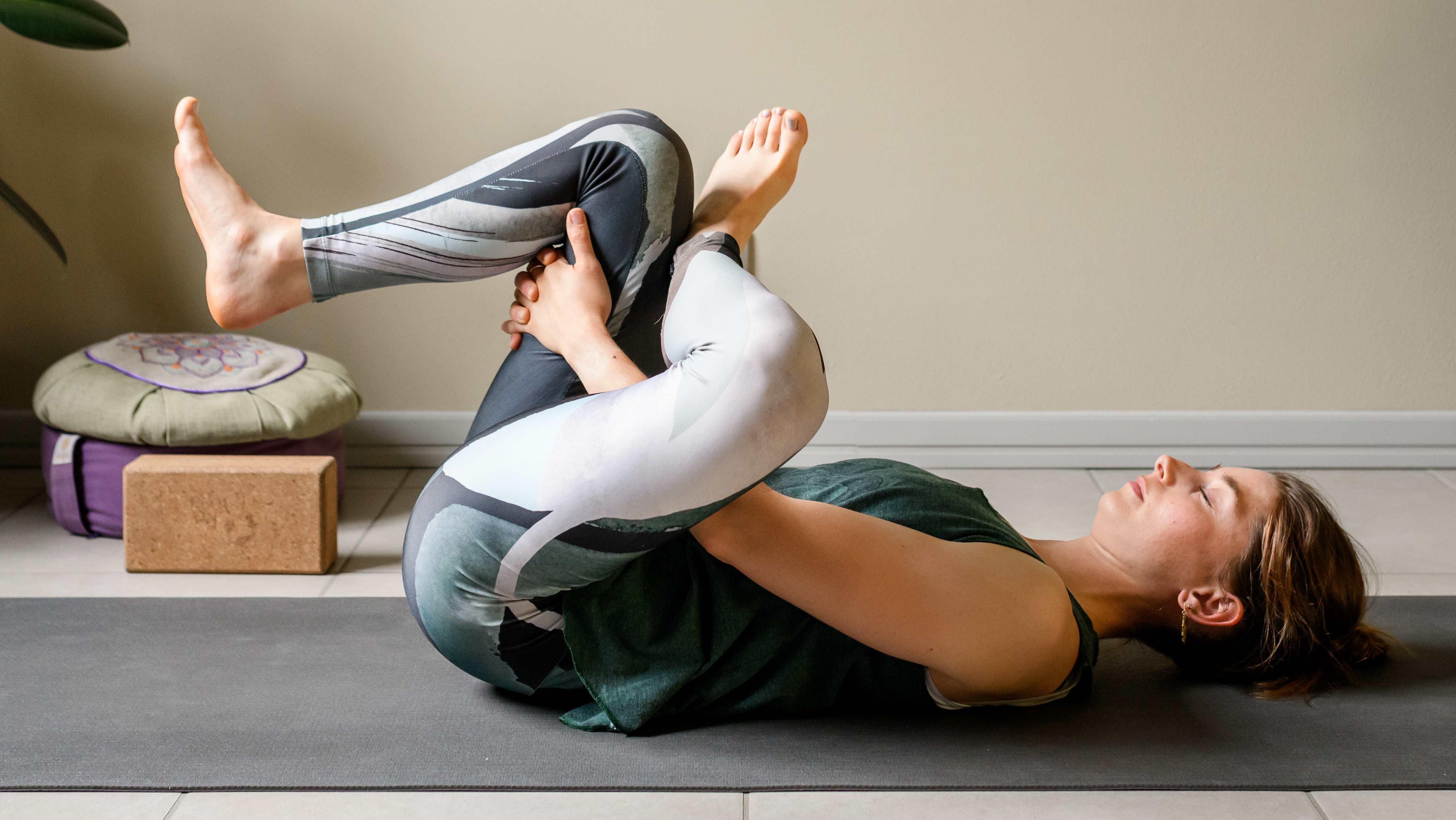
Credit: www.fitandwell.com
Starting Your Flexibility Journey
Embarking on a flexibility journey enhances yoga practice and overall well-being. Begin with gentle stretches to gradually increase your range of motion. Consistent practice helps improve flexibility and balance, making yoga poses easier and more enjoyable.
Starting Your Flexibility Journey Embarking on the path to flexibility in yoga can be exciting. A flexible body makes yoga poses easier and more enjoyable. Begin your journey with clear steps and a positive mindset. This approach helps develop a sustainable practice.Setting Realistic Goals
Start with small, achievable goals. They keep motivation high and reduce frustration. Flexibility is not about doing the splits overnight. Focus on gradual progress. Set targets that suit your current level. Celebrate small victories to boost confidence. Adjust goals as you advance to keep challenging yourself.Understanding Your Body
Every body is different. Listen to what your body tells you. Know your limits and avoid pushing too hard. Pain is a signal to stop. Flexibility develops over time with regular practice. Warm up before stretching to prevent injuries. Respect your body’s unique structure and capabilities.Warm-up Techniques
Developing flexibility for yoga involves engaging in dynamic warm-up techniques. Stretching exercises like cat-cow and sun salutations help improve muscle elasticity. Consistent practice ensures gradual enhancement of your range of motion, making yoga poses more accessible.
Developing flexibility for yoga requires a solid warm-up routine. Warm-up techniques prepare your body for deeper stretches and poses. They enhance muscle elasticity and prevent injuries. Effective warm-ups also improve circulation and increase your range of motion. Integrating these techniques into your practice can significantly enhance your yoga experience.Dynamic Stretching
Dynamic stretching involves active movements that stretch muscles and improve flexibility. Unlike static stretching, it keeps your body in motion. This type of stretching increases blood flow and warms up muscles. It prepares your body for the physical demands of yoga. Consider arm circles, leg swings, and torso twists. These movements loosen muscles and joints efficiently.Breathing Exercises
Breathing exercises are crucial for yoga flexibility. They relax your body and mind, making stretching easier. Focused breathing increases oxygen in your muscles. It helps in releasing tension and tightness. Try deep breathing or belly breathing. Inhale deeply through your nose, expanding your abdomen. Exhale slowly through your mouth. This calms your nervous system and enhances flexibility. Combine breathing with gentle stretches for optimal results.Essential Yoga Poses For Flexibility
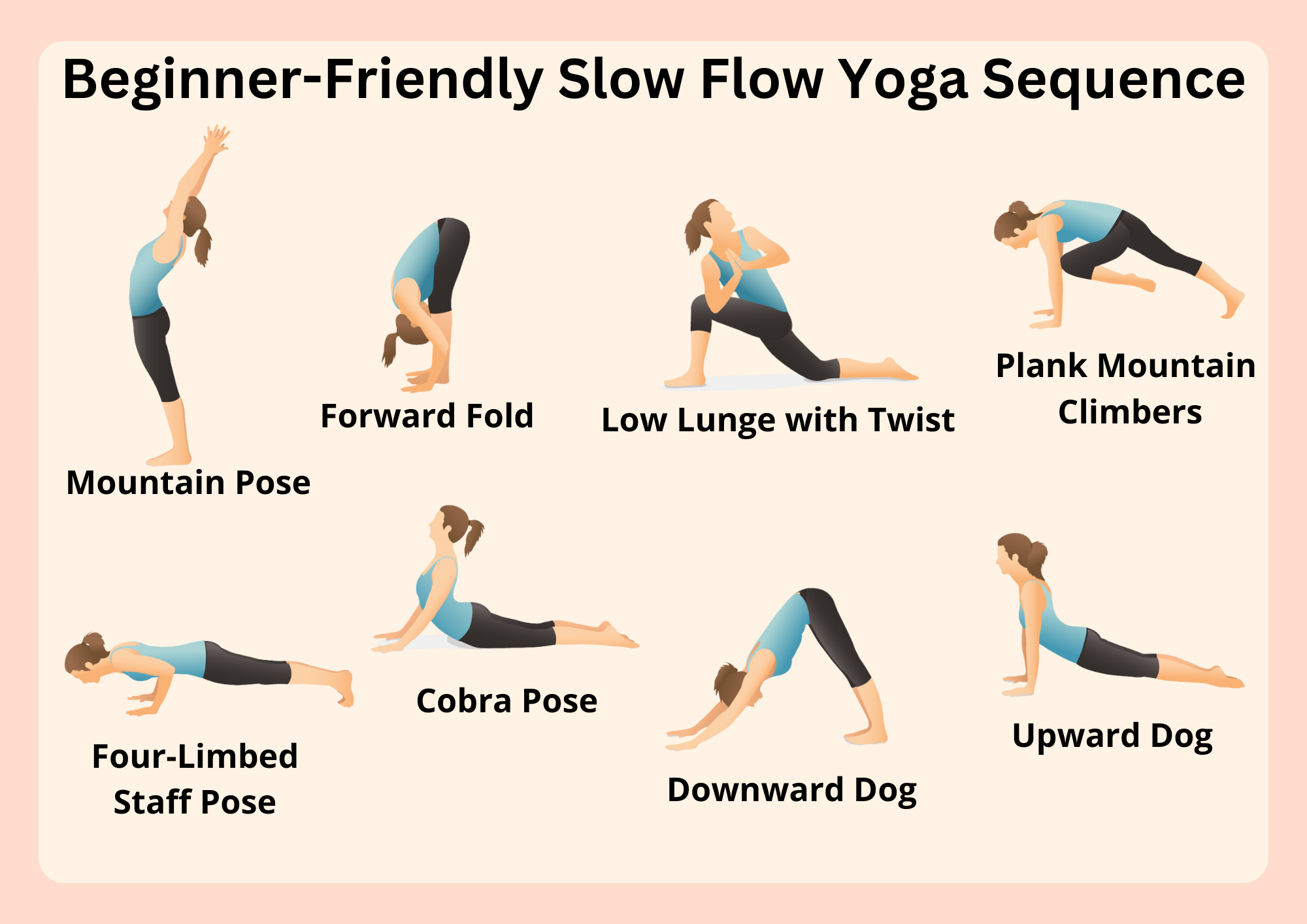
Developing flexibility in yoga requires practicing essential poses like the downward-facing dog and the cobra pose. These stretches lengthen muscles and improve range of motion, enhancing overall flexibility. Regular practice helps the body adapt and become more agile, making yoga poses easier and more comfortable.
Yoga enhances flexibility, offering numerous physical and mental benefits. Incorporating specific poses into your routine can gradually improve your range of motion. Below are essential yoga poses that target flexibility, focusing on forward bends, hip openers, and spinal twists.Forward Bends
Forward bends stretch the hamstrings and spine. This encourages relaxation and eases tension. Popular poses include the Standing Forward Bend and Seated Forward Bend. Begin with a gentle bend, keeping knees slightly bent if needed. Gradually deepen the stretch as your body allows. Regular practice enhances flexibility over time.Hip Openers
Hip openers increase mobility and relieve tension in the hips. Poses like the Pigeon Pose and Bound Angle Pose are beneficial. They target tightness and improve circulation. Focus on breathing deeply to release tight muscles. These poses can also enhance posture and alignment.Spinal Twists
Spinal twists aid in flexibility by stretching the back and sides. They improve spinal mobility and detoxify the organs. Try the Supine Spinal Twist and Seated Spinal Twist. Twist gently while maintaining a straight spine. This practice supports a healthy back and enhances flexibility.Incorporating Props And Modifications
Flexibility in yoga is a journey, not a destination. Props and modifications are essential companions on this path, allowing you to explore poses with comfort and ease. These tools help bridge the gap between where you are now and where you want to be, making yoga accessible for everyone. Let’s dive into how you can effectively use props and modifications to enhance your practice.
Using Blocks And Straps
Blocks and straps are game-changers for developing flexibility in yoga. They offer support and stability, helping you maintain alignment while stretching deeper. A block under your hand in Triangle Pose can make reaching the floor more comfortable. Similarly, using a strap in Seated Forward Bend can bring your feet within reach, easing tension and allowing a more profound stretch.
Consider how these tools can transform your practice. Have you tried using a block under your hips in Hero Pose? It alleviates strain on the knees and lets you sit comfortably for longer periods. What about a strap wrapped around your foot in Reclined Big Toe Pose? It can help you maintain the pose without compromising form. These small adjustments can lead to big improvements.
Adjusting Poses For Comfort
Comfort in yoga doesn’t mean compromising on progress. Modifying poses to suit your body’s needs can prevent injury and enhance relaxation. Bend your knees slightly in Downward Dog if tight hamstrings are holding you back. This adjustment maintains the pose’s integrity while reducing strain.
Listen to your body’s signals. Have you noticed that your lower back feels tense in certain poses? Try placing a rolled-up blanket under your knees in Child’s Pose for added support. This modification can transform your experience, making the pose more restorative. What other adjustments might unlock new levels of comfort in your practice?

Credit: www.youtube.com
Consistency And Progress Tracking
Consistency and progress tracking are essential for developing yoga flexibility. Regular practice helps in gradual improvement. Keeping a journal or using apps can track changes and motivate continued effort.
Consistency and progress tracking are crucial elements in developing flexibility for yoga. Imagine working tirelessly on your flexibility only to realize that you’re not improving as expected. This is where tracking your progress can be a game-changer. By being consistent and monitoring your achievements, you can ensure that your efforts are paying off and adjust your approach for better results.Creating A Routine
Developing flexibility requires a well-structured routine. Start by setting aside specific times each week dedicated solely to stretching exercises. This creates a habit and signals to your body that it’s time to focus on flexibility. For example, you might choose to stretch every morning before breakfast. This daily commitment not only enhances your flexibility but also sets a positive tone for the rest of your day. Consider adjusting the routine based on your body’s feedback. If you notice improvement, continue with the same exercises. If not, it might be time to tweak your approach. What will you do today to make your routine more effective?Keeping A Flexibility Journal
Tracking your progress with a flexibility journal can be incredibly motivating. Write down the stretches you do, the duration, and any observations about how your body feels before and after. This can help you spot patterns and identify which exercises are most beneficial. Imagine flipping back through your journal and seeing how far you’ve come. It’s rewarding and provides a tangible record of your hard work. Use your journal to set goals. Whether it’s touching your toes or achieving a deeper stretch, recording these goals makes them real and attainable. What goal will you conquer next? Remember, consistency and tracking are key. Keep your routine and journal close, and watch your flexibility soar!Nutrition And Hydration For Flexibility
Flexibility is a crucial element in yoga practice, allowing you to move fluidly and comfortably through poses. While regular practice is essential, nutrition and hydration play a significant role in enhancing your flexibility. What you eat and drink can either support or hinder your progress, so understanding the right foods and the importance of hydration can lead to noticeable improvements in your yoga journey.
Foods To Support Flexibility
Your diet significantly affects how flexible your muscles and joints can be. Certain foods contain nutrients that promote muscle elasticity and joint health. Here’s what you should consider adding to your diet:
- Omega-3 Fatty Acids:Found in fish, flaxseeds, and walnuts, these help reduce inflammation, allowing for greater movement.
- Leafy Greens:Spinach and kale are rich in magnesium, which helps relax muscles and improve flexibility.
- Turmeric:Known for its anti-inflammatory properties, this spice can help ease joint pain and stiffness.
Including these foods in your meals might make a difference in how your body feels during yoga practice. Have you noticed how some days your body feels more flexible than others? Your diet could be a contributing factor.
Importance Of Staying Hydrated
Water is often overlooked, yet it is vital for maintaining flexibility. Dehydration can lead to muscle cramps and stiffness, which are obstacles to achieving fluid movements in yoga.
Make it a habit to drink water throughout the day, not just during your yoga sessions. Aim for at least eight glasses daily, more if you’re engaging in intense workouts.
Try starting your day with a glass of water to kickstart hydration. Also, consider coconut water for its added electrolytes, which can further aid in muscle function.
Have you ever experienced tightness in your muscles during practice? It could be your body’s way of telling you it needs more hydration. Listen to your body’s signals and adjust your fluid intake accordingly.
Credit: myyogateacher.com
Common Mistakes To Avoid
Neglecting warm-ups can lead to injuries and slow progress. Pushing too hard too soon strains muscles. Consistent practice is key, not occasional attempts.
Developing flexibility for yoga can be a rewarding journey, but it’s important to tread carefully to avoid common pitfalls. Many people dive into flexibility training with enthusiasm, only to find themselves frustrated or injured because they overlooked some critical mistakes. Let’s explore these common missteps and how you can steer clear of them to make your yoga practice both safe and effective.Overstretching
Overstretching is a prevalent mistake among yoga enthusiasts eager to improve their flexibility quickly. You might feel tempted to push your body beyond its current limits, especially when you see others achieving impressive poses. However, forcing yourself into stretches can lead to muscle tears or joint injuries. Instead of striving for immediate results, focus on gradual progress. Start with poses that challenge you but still feel comfortable. Listen to your body and respect its current capabilities. Remember, yoga is a personal practice; your journey is unique and should be paced according to your body’s needs.Ignoring Pain Signals
Pain is your body’s way of communicating that something isn’t right. Ignoring these signals during yoga sessions can result in severe injuries that might sideline you for weeks. It’s crucial to differentiate between discomfort from stretching and actual pain that indicates potential harm. When you feel sharp or persistent pain, it’s a sign to ease off. Adjust your pose, use props, or take a break. Your body will thank you for the consideration, and you’ll create a safer environment for your flexibility to improve. Have you ever ignored pain signals and regretted it later? Make sure you heed those warnings to avoid unnecessary setbacks. By understanding these common mistakes, you can enhance your yoga practice with mindful and safe techniques. Embrace patience and attentiveness, and your journey towards greater flexibility will be both rewarding and injury-free.Expert Advice And Resources
Developing flexibility for yoga involves expert guidance and practical resources. Incorporating consistent stretching exercises improves your range of motion. Tailored yoga poses can enhance flexibility gradually.
Developing flexibility for yoga can be an exciting journey, especially when you have the right guidance and resources at your disposal. Expert advice is invaluable in ensuring you are stretching safely and effectively. It’s important to gather insights from professionals who can tailor their guidance to your unique needs. Having a collection of resources, including books and videos, can complement your practice by providing visual demonstrations and detailed explanations. Are you ready to explore how you can enhance your yoga practice with expert advice and curated resources?Choosing A Qualified Instructor
Finding a qualified yoga instructor can make all the difference in your flexibility journey. A good instructor will not only guide you through poses but also help you understand the mechanics of your body. Look for instructors with certifications from recognized yoga schools. This ensures that they have undergone rigorous training. Personal recommendations or online reviews can also be helpful in choosing the right fit for you. Once you’ve found an instructor, communicate your goals clearly. This will help them tailor sessions to your needs, ensuring you gain flexibility safely and effectively.Recommended Reading And Videos
Having access to quality reading materials and videos can significantly enhance your understanding of yoga. Books by renowned yoga practitioners often provide deep insights into the philosophy and techniques of yoga. Consider reading “Light on Yoga” by B.K.S. Iyengar, which is a comprehensive guide to yoga poses and breathing techniques. Videos can also be a great resource, offering visual demonstrations that can be easier to follow. Platforms like YouTube host numerous channels dedicated to yoga tutorials. Look for videos that focus on flexibility, as they often include tips and modifications for beginners. Integrating reading and videos into your practice can provide additional perspectives and deepen your understanding of yoga.Frequently Asked Questions
How Can Beginners Improve Yoga Flexibility?
Beginners can improve flexibility by practicing gentle yoga poses regularly. Focus on breathing deeply and stretching gradually. Incorporate warm-up exercises to prepare muscles. Consistency is key, so aim for daily practice. Over time, flexibility will enhance, making yoga poses easier and more comfortable.
What Are The Best Yoga Poses For Flexibility?
Some of the best yoga poses for flexibility include Downward Dog, Forward Bend, and Pigeon Pose. These poses target different muscle groups and promote stretching. Regular practice will gradually increase flexibility, helping you achieve deeper stretches over time. Always listen to your body and avoid overstretching.
How Often Should I Practice Yoga For Flexibility?
To develop flexibility, aim to practice yoga at least three times a week. Consistent practice is crucial for seeing progress. Start with shorter sessions and gradually increase duration. Listen to your body and adjust as needed. Regular practice will help you gain flexibility and enhance your yoga experience.
Can Yoga Help With Overall Body Flexibility?
Yes, yoga can significantly improve overall body flexibility. It targets various muscle groups, promoting stretching and strengthening. Regular practice helps increase range of motion and reduces stiffness. Flexibility gained through yoga can enhance other physical activities and improve daily movement.
Begin with gentle poses and progress gradually.
Conclusion
Building flexibility for yoga is a rewarding journey. Start with simple stretches. Gradually increase duration and intensity. Listen to your body. It’s important. Consistency helps progress over time. Yoga promotes balance and peace. Flexibility enhances your practice. Breathing deeply supports movement.
Focus on proper alignment. Stay patient and positive. Celebrate small achievements. Flexibility comes with time and effort. Practice regularly and stay motivated. Enjoy the process and benefits. Yoga unites mind and body. Embrace the journey with joy. Your flexibility will grow.
Remember, each step counts. Keep practicing and stay committed.