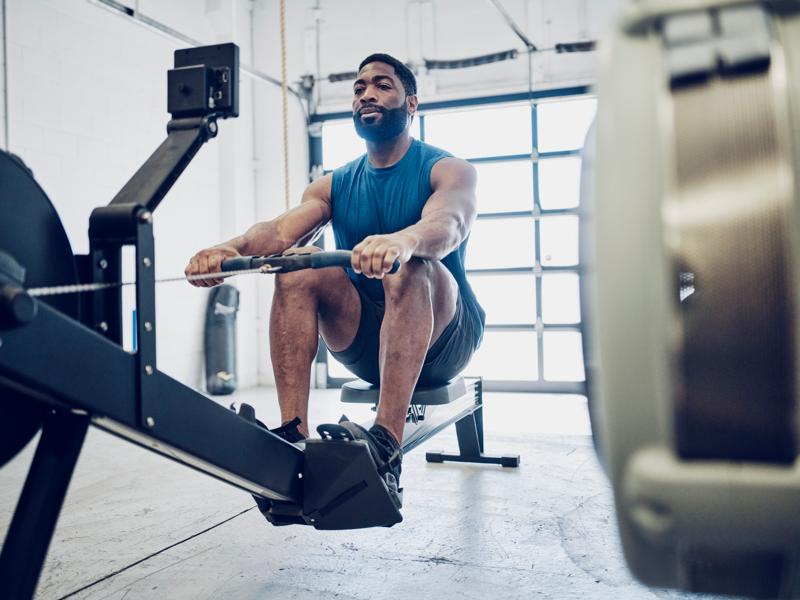
Are you searching for an effective way to build muscle without hitting the gym every day? You might have heard about rowing machines, but do they really help in building muscle?
If you’ve ever wondered whether this piece of equipment can transform your fitness routine, you’re not alone. Understanding how rowing machines work and their impact on your muscles can be the key to achieving your fitness goals. Imagine a workout that not only tones your muscles but also boosts your cardiovascular health, all in one go.
Intrigued? This article will unravel the truth behind rowing machines and their muscle-building potential, providing you with insights that could revolutionize your workout strategy. Don’t miss out on discovering how you can maximize your strength training with this versatile machine.
Benefits Of Rowing Machines
Rowing machines are often overlooked in the gym, but they offer a multitude of benefits that can enhance your fitness journey. Whether you’re looking to build muscle, improve cardiovascular health, or find a low-impact exercise, rowing machines have something to offer. Let’s dive into the specific benefits you can gain from incorporating rowing into your routine.
Full-body Workout
Rowing machines engage nearly every major muscle group in your body. Each stroke involves your legs, core, back, and arms. This means you are working out your entire body simultaneously, which can lead to more balanced muscle development. Imagine the efficiency of combining strength training with cardio in one seamless motion.
Think about your daily workout routine. Are you spending hours trying to target different muscles individually? A rowing machine simplifies this by giving you a comprehensive workout in less time.
Cardiovascular Endurance
Rowing isn’t just about building muscle; it’s also an excellent way to boost your cardiovascular endurance. The continuous, rhythmic motion helps increase your heart rate and improve lung capacity. This type of exercise can enhance your stamina, making everyday activities feel easier.
Consider how it feels to climb a flight of stairs without getting winded. Regular rowing sessions can help you achieve this level of fitness. You’ll notice the difference in your daily energy levels and overall vitality.
Low Impact Exercise
If joint pain or injuries are holding you back, rowing machines offer a low-impact alternative. Unlike running, which can be harsh on your knees and ankles, rowing provides a smooth motion that minimizes stress on your joints. This makes it suitable for people of all ages and fitness levels.
Have you been avoiding exercise due to fear of injury? Rowing machines provide a safe and effective way to stay active without exacerbating existing issues. It’s a gentle yet powerful method to keep moving without pain.
So, the next time you spot a rowing machine at the gym, why not give it a try? You might just find your new favorite workout that builds muscle and enhances your overall health. Are you ready to row your way to a healthier you?
Muscle Groups Targeted
Rowing machines are excellent tools for building muscle. They offer a full-body workout targeting various muscle groups. Regular use can enhance both strength and endurance. Let’s explore how rowing machines engage different muscles.
Upper Body Engagement
The rowing motion activates several upper body muscles. It works the shoulders, engaging the deltoids and trapezius. Biceps and triceps also get a workout during the pulling phase. This helps in building arm strength and tone. The back muscles, especially the latissimus dorsi, are heavily involved. They provide power during the rowing stroke. These upper body muscles work together for effective rowing.
Core Activation
Rowing machines require a strong core. The core muscles stabilize the body during rowing. The abdominals and obliques are constantly engaged. This helps maintain balance and posture. A strong core is essential for efficient rowing. It allows for smooth, controlled movements. Over time, rowing can lead to a more defined midsection.
Lower Body Strength
Lower body muscles are crucial in rowing. The legs provide most of the power in each stroke. Quadriceps and hamstrings work hard during the push-off. Glutes are also activated for additional strength. Calves help with the final part of the stroke. This makes rowing a comprehensive lower body workout. Strengthening these muscles enhances overall leg power.
How Rowing Machines Build Muscle
Rowing machines are more than just calorie-burners. They are powerful tools for building muscle. But how exactly do they work to sculpt your physique? Let’s dive into the mechanics of rowing machines and how they contribute to muscle development.
Resistance And Intensity
Rowing machines offer adjustable resistance, allowing you to tailor your workout to suit your fitness level. Increasing resistance requires more effort from your muscles, enhancing strength and endurance. As you row, you engage multiple muscle groups, including your legs, core, and arms, which contributes to overall muscle growth.
Consider this: each stroke you take is a full-body exercise. The push phase works your quadriceps and glutes, while the pull engages your back and biceps. By adjusting the intensity, you can focus on different muscle groups, creating a balanced workout routine.
Progressive Overload
Progressive overload is a key principle in muscle building. It involves gradually increasing the workload on your muscles to stimulate growth. Rowing machines make it easy to apply this principle by allowing you to increase resistance or row for longer periods.
Think about your last workout. Did you challenge yourself more than the previous session? If not, it might be time to up the resistance. Small, consistent changes in your rowing routine can lead to significant muscle gains over time.
Consistency In Training
Consistency is crucial in any fitness journey. Regular use of a rowing machine can lead to noticeable muscle development. Make rowing a routine part of your week, and you’ll likely see improvements in strength and muscle tone.
Reflect on your current exercise habits. Are you rowing enough to see the benefits? Aim for at least 20-30 minutes per session, a few times a week, to build and maintain muscle effectively.
Rowing machines are a versatile addition to your fitness regimen. With the right approach, you can harness their potential to build and tone muscles effectively. Are you ready to make the most of your rowing workouts?

Credit: www.tousains.com
Comparing Rowing To Other Exercises
Rowing machines are popular for building muscles and improving fitness. They provide a full-body workout that engages multiple muscle groups. But how does rowing compare to other exercises? Let’s explore how rowing measures up against weightlifting, running, and cycling.
Rowing Vs. Weightlifting
Weightlifting focuses on building muscle mass through targeted exercises. It isolates specific muscles for growth. Rowing, on the other hand, works multiple muscles simultaneously. It offers a balanced approach, enhancing both strength and endurance. While weightlifting builds muscle size, rowing improves muscle tone and cardiovascular health. Both exercises can complement each other for a well-rounded fitness routine.
Rowing Vs. Running
Running primarily targets the lower body, especially the legs. It’s an excellent cardiovascular exercise. Rowing, however, engages both the upper and lower body. This makes it a more comprehensive workout. It strengthens your arms, back, core, and legs. Running can impact joints over time. Rowing is low-impact, making it gentler on your body.
Rowing Vs. Cycling
Cycling strengthens the lower body and boosts endurance. It’s a great way to improve cardiovascular health. Rowing, though, offers a full-body workout. It engages your arms, back, and core along with your legs. Cycling and rowing are both low-impact. They are suitable for people with joint concerns. Rowing provides more upper body engagement compared to cycling.
Incorporating Rowing In Fitness Routines
Rowing machines effectively build muscle by engaging multiple groups, including the arms, back, and legs. They provide a full-body workout, enhancing strength and endurance. Regular use can tone muscles while improving cardiovascular health.
Incorporating rowing machines into your fitness routine can be a game-changer for building muscle and improving cardiovascular health. Rowing engages multiple muscle groups simultaneously, making it an efficient workout option. Whether you’re a fitness novice or a seasoned athlete, adding rowing to your regimen can enhance overall strength and endurance.Combining With Strength Training
Pairing rowing with strength training can amplify your muscle-building efforts. For instance, you might alternate between rowing sessions and weightlifting days to target specific muscle groups. This combination ensures your body gets a balanced workout, promoting muscle growth and preventing plateaus.Interval Training Techniques
Incorporating interval training on a rowing machine can boost muscle endurance and increase calorie burn. Try alternating between high-intensity rowing and slow-paced recovery periods. This method keeps your heart rate up and maximizes the benefits of your workout in shorter timeframes.Balancing Cardio And Muscle Building
Finding the right balance between cardio and muscle-building exercises is crucial for overall fitness. Rowing offers the best of both worlds, providing a cardiovascular workout while engaging muscles across your body. Consider dedicating certain days to longer rowing sessions for cardio and others to shorter, more intense bursts for strength. This approach helps maintain muscle mass while improving heart health.
Credit: www.onepeloton.com
Common Mistakes To Avoid
Rowing machines are excellent tools for building muscle and improving fitness. Still, many users make common mistakes that hinder progress. Understanding and avoiding these errors can maximize your workout and prevent injuries.
Improper Form
Incorrect posture can lead to muscle strain and decreased effectiveness. Keep your back straight. Engage your core throughout the movement. Avoid slouching or leaning too far back. Ensure your legs do most of the work. Arms should only finish the stroke. Practice correct form to protect your body.
Neglecting Warm-ups
Skipping warm-ups increases injury risk. It can lead to muscle stiffness. Spend five minutes warming up. Do light cardio or dynamic stretches. Prepare your muscles for the workout. A warm body performs better and is safer.
Overtraining Risks
Excessive rowing can lead to fatigue. It may cause muscle damage and burnout. Listen to your body’s signals. Schedule rest days to allow recovery. Balance rowing with other exercises. Avoid pushing too hard, too often.
Tips For Maximizing Muscle Gains
Rowing machines effectively build muscle by engaging multiple muscle groups. They target arms, legs, and core simultaneously. Consistent use can enhance strength and promote muscle growth.
Embarking on a rowing machine workout can be an excellent strategy for building muscle, especially when you know how to optimize your routine. With the right approach, you can ensure that every stroke maximizes muscle gain. Here are some practical tips to help you leverage your rowing machine for muscle development.Maintaining Proper Form
Maintaining proper form is crucial for effective muscle engagement and injury prevention. Focus on your posture—keep your back straight and shoulders relaxed. Engage your core and drive through your legs to initiate each stroke. A common mistake is overusing your arms; instead, let your legs do the work. The power should come from your lower body, then transfer smoothly to your upper body. Regularly check your form in a mirror or have someone observe you to ensure accuracy.Increasing Resistance Gradually
To build muscle, you need to challenge your muscles progressively. Begin with a resistance level that feels comfortable, then gradually increase it as your strength improves. This progressive overload is key to muscle growth. Adjust the resistance settings in small increments. This prevents overstraining and allows your muscles to adapt effectively. As you feel stronger, push yourself a bit more, but always listen to your body to avoid injury.Nutrition And Recovery
Muscle gains are heavily reliant on proper nutrition and recovery. Ensure your diet includes a balance of proteins, carbohydrates, and healthy fats to fuel your workouts and repair muscle tissue. Hydration is equally important, so drink plenty of water before and after rowing sessions. Recovery time is vital for muscle growth. Make sure to get enough rest between workouts and prioritize quality sleep. Consider integrating rest days into your weekly routine, allowing your muscles to recover and grow stronger. By following these practical tips, you can make the most of your rowing machine workouts and see tangible muscle gains. Are you ready to row your way to a stronger physique?
Credit: www.tousains.com
Success Stories And Testimonials
Rowing machines have gained popularity not just for their cardiovascular benefits but also for their muscle-building potential. The stories and testimonials of individuals who have transformed their bodies using rowing machines are inspiring and insightful. These narratives highlight the versatility and effectiveness of rowing machines for muscle growth, providing motivation and practical advice for both novices and seasoned athletes.
Athlete Experiences
Many athletes swear by rowing machines as a key component of their training routines. Take Sarah, a competitive swimmer who added rowing to her regimen to enhance her upper body strength. Within months, she noticed significant improvements in her endurance and muscle tone. Her success demonstrates how rowing can complement other sports, helping athletes achieve a balanced physique. Have you considered how rowing might fit into your fitness goals?
Beginner Transformations
Rowing machines are not just for seasoned athletes; beginners have also seen remarkable transformations. Mark, a newcomer to fitness, started rowing with no prior experience. In just a few weeks, he was amazed by the changes in his muscle definition and overall stamina. His journey shows that with commitment and consistency, rowing can be a game-changer for those new to exercise. Are you ready to embark on your own transformation?
Expert Recommendations
Fitness experts often recommend rowing machines for their full-body workout capabilities. Dr. Emily, a renowned sports physiologist, advocates for rowing due to its low-impact nature and efficiency in building muscle across various groups. She advises incorporating rowing sessions three times a week to maximize muscle gain while minimizing injury risk. How might expert insights shape your workout routine?
Frequently Asked Questions
Can Rowing Machines Increase Muscle Mass?
Yes, rowing machines can effectively increase muscle mass. They provide a full-body workout, engaging major muscle groups. Consistent use strengthens muscles, particularly in the arms, legs, and core. It’s a great option for those looking to build muscle while improving cardiovascular fitness.
What Muscles Are Targeted By Rowing Machines?
Rowing machines target several muscle groups. Primarily, they work the back, shoulders, and arms. Additionally, the legs and core muscles are engaged throughout the workout. This comprehensive targeting makes rowing an efficient exercise for muscle building and toning.
Is Rowing Better Than Weightlifting For Muscle Gain?
Rowing and weightlifting offer different benefits. Rowing provides a cardio and muscle workout, improving endurance and toning muscles. Weightlifting focuses more on muscle growth and strength. Both can complement each other for balanced muscle development and overall fitness.
How Often Should You Row To Build Muscle?
To build muscle, aim for rowing sessions at least three times a week. Consistency is key for muscle growth and strength improvement. Ensure you maintain proper form and gradually increase workout intensity for optimal results.
Conclusion
Rowing machines do help build muscle. They offer full-body workouts. Arms, legs, and core all gain strength with rowing. Consistent use leads to muscle growth. Plus, rowing boosts cardiovascular health. It’s effective and simple. Muscle building doesn’t need heavy weights.
Rowing machines provide resistance naturally. They fit well in small spaces. Easy to use and adjust. Perfect for beginners and seasoned athletes. It’s clear rowing can be part of muscle-building routines. Keep rowing regularly for best results. Your body will thank you.
Stay committed and enjoy the benefits.