
Have you ever felt stiff after a long day, or found it difficult to touch your toes without bending your knees? If so, you’re not alone.
Many people struggle with flexibility, and it can impact your daily life more than you might realize. Imagine moving with ease, feeling lighter on your feet, and experiencing less tension throughout your body. Yoga might just be the secret you’ve been searching for.
Not only does it promise to enhance your flexibility, but it also brings a host of other benefits that can transform how you feel every day. Dive into this article to discover how yoga can improve your flexibility and, ultimately, your overall well-being. You won’t want to miss the simple techniques that could make a big difference in your life.
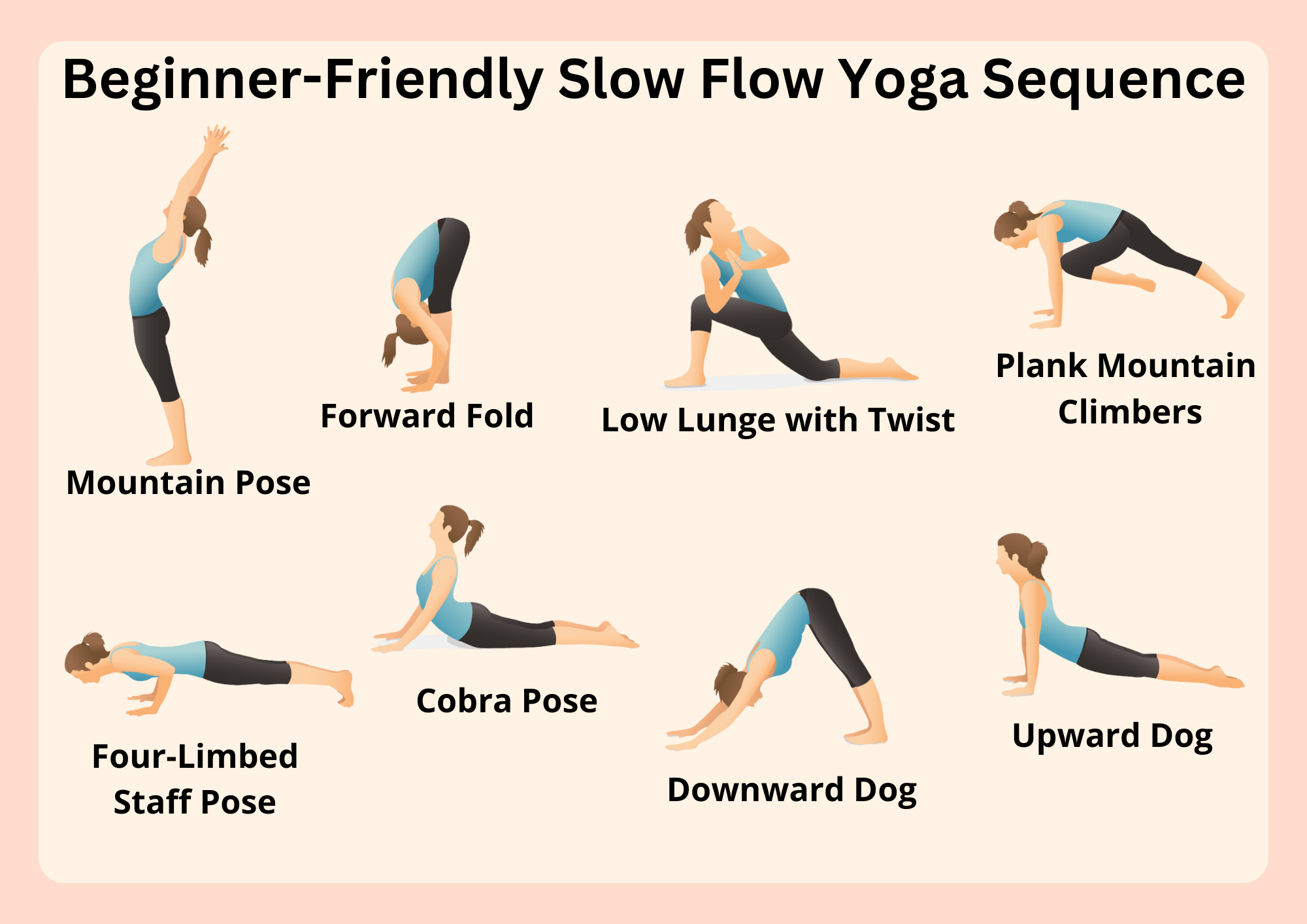
Credit: myyogateacher.com
Yoga And Flexibility
Discover how yoga enhances flexibility by stretching muscles and improving posture. Regular practice increases range of motion, reducing stiffness.
Yoga and flexibility have a strong connection. Practicing yoga regularly can enhance flexibility significantly. It involves a series of poses that stretch and strengthen muscles. This process gradually increases your range of motion. Each pose targets different muscle groups, promoting overall flexibility. Let’s explore how yoga can improve your flexibility.Understanding Flexibility In Yoga
Flexibility refers to the range of motion in your joints and muscles. Yoga helps by gently stretching muscles and soft tissues. This consistent practice leads to longer and looser muscles. Over time, you notice easier movement and less stiffness.Benefits Of Improved Flexibility
Better flexibility offers many advantages. It reduces the risk of injuries and muscle soreness. With improved flexibility, daily activities become easier. You also experience better posture and balance. This makes yoga a valuable practice for everyone.Yoga Poses That Enhance Flexibility
Certain yoga poses are excellent for increasing flexibility. Forward bends and twists stretch the spine and hamstrings. Hip openers relieve tightness in the lower body. Shoulder stretches improve upper body mobility. Practicing these poses regularly boosts flexibility.Consistency And Patience In Practice
Consistency is key to gaining flexibility through yoga. Practice regularly to see improvements over time. Patience is essential as progress may be slow. Celebrate small victories and stay committed to your practice.Listening To Your Body
Pay attention to your body while practicing yoga. Avoid pushing too hard, as this can lead to injury. Stretch only to a comfortable limit. Over time, your body will naturally become more flexible.Key Poses For Flexibility
Practicing yoga can greatly enhance flexibility with key poses like Downward Dog and Child’s Pose. These positions gently stretch muscles, improving range of motion over time. Regular practice helps the body become more limber, making everyday movements easier and more comfortable.
Flexibility is a key benefit of yoga that many practitioners, including myself, eagerly seek. While the journey to improved flexibility is a personal one, certain yoga poses can be particularly effective in helping you achieve this goal. I have found that incorporating these poses into my routine has significantly enhanced my flexibility, allowing my body to move more freely and comfortably. Let’s explore some of these key poses that can help you unlock greater flexibility in your practice.Downward Dog
Downward Dog is a staple in any yoga practice and is excellent for stretching the hamstrings, calves, and shoulders. This pose helps lengthen your spine and opens up the back of your legs. When I first started practicing Downward Dog, I could barely touch the ground. Over time, my heels have inched closer to the mat, and my back feels more relaxed. To deepen the stretch, focus on pressing your heels down and lifting your tailbone towards the sky. How far can you extend without compromising your form?Cat-cow Stretch
The Cat-Cow Stretch is a gentle way to warm up and increase flexibility in your spine. It involves alternating between arching your back like a cat and dropping your belly like a cow. This simple yet effective movement lubricates the spine and improves posture. As I flow through Cat-Cow, I feel tension releasing from my back and neck. You may notice that with each practice, your spine moves more fluidly, offering a delightful sense of freedom.Triangle Pose
Triangle Pose is a fantastic posture for enhancing flexibility in the hips, groin, and hamstrings. It encourages you to open up your chest and extend your side body. I vividly remember my first attempt at Triangle Pose; my legs were shaky, and my reach was limited. Now, I find joy in reaching further each time, feeling my side body elongate. Focus on maintaining alignment and observe how your flexibility improves with consistent practice. How does it feel to stretch beyond what you thought possible?Seated Forward Bend
Seated Forward Bend is a calming pose that stretches the entire back of your body, from your spine to your hamstrings. Sitting with your legs straight and reaching forward helps to ease tension and improve flexibility. Initially, my hands barely grazed my knees, but persistence has brought me closer to my feet. Aim to keep your spine long as you fold forward, and notice how your muscles gradually release and lengthen. What new sensations do you discover as you deepen your stretch? By practicing these poses regularly, you can gently push your boundaries and enjoy the journey of becoming more flexible. Which pose will you explore next to enhance your flexibility?Breathing Techniques
Breathing techniques are often overlooked when discussing flexibility improvements through yoga, yet they hold incredible power. The way you breathe can transform your practice, helping you stretch further and deepen your poses. As you integrate breathing into your yoga routine, you’ll notice that it’s not just about the physical stretch but also about calming the mind and body.
Pranayama Basics
Pranayama, the art of controlled breathing, is fundamental in yoga. Start by sitting comfortably with your spine straight, inhale deeply through the nose, and exhale slowly. This rhythmic pattern increases oxygen flow, which relaxes your muscles and enhances flexibility.
Consistency is key. Regular practice of pranayama can make a noticeable difference in your ability to stretch. Feel your body becoming more pliable as you become conscious of your breath.
Breath Control In Poses
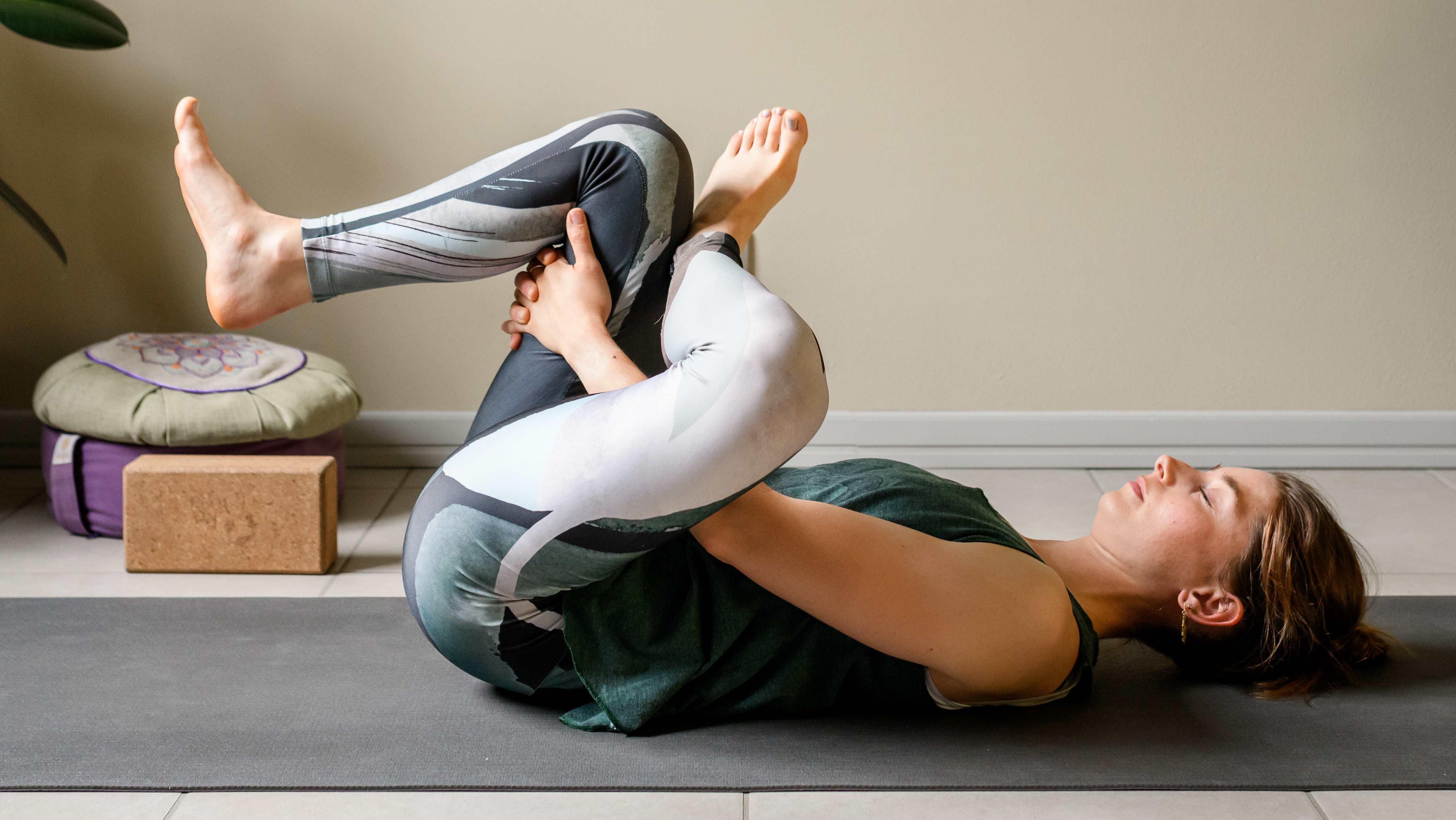
Breath control during poses can be transformative. As you hold a pose, focus on inhaling deeply and exhaling slowly. This helps release tension and allows deeper stretches.
Try syncing your breath with movement. It creates a fluid practice, making each pose more effective in improving flexibility. Ever found a stretch easier after taking a deep breath? That’s breath control working its magic.
How do you feel when you focus on your breath during yoga? Notice the subtle changes in your body and mind as you practice these techniques.
Credit: www.fitandwell.com
Mind-body Connection
The Mind-Body Connectionis a crucial element in enhancing flexibility through yoga. It’s more than just physical movement; it involves developing a deeper awareness of your body and its capabilities. By focusing on this connection, you can achieve greater flexibility and mental clarity.
Awareness In Movement
Yoga encourages you to listen to your body and understand its limits. As you move through different poses, you become more aware of the tension and release in your muscles. This awareness allows you to adjust your movements, helping you stretch safely and effectively.
With each session, you’ll notice an increase in flexibility as your body responds to this mindful practice. It’s not just about pushing further but about moving smarter. Have you ever paused to truly feel where your body holds tension?
Mental Relaxation Benefits
Yoga is not just a physical exercise; it’s a mental retreat. The focus on breathing and mindfulness can calm your mind and reduce stress. This mental relaxation translates into physical benefits, as a relaxed mind often leads to a more relaxed body.
When your mind is free from stress, your muscles are less likely to be tense, making it easier to stretch and increase flexibility. Imagine the potential for growth in your practice when your mind and body are in harmony. How often do you find time to clear your mind and just breathe?
Consistency And Patience
When I first started practicing yoga, my flexibility was akin to a wooden board. The key to improvement was embracing consistency and patience. These elements are crucial because they help you develop a routine and nurture the body over time. Flexibility doesn’t happen overnight, but with dedication, the progress is both rewarding and empowering.
Daily Practice Tips
Incorporate yoga into your daily schedule, even if it’s just for ten minutes. Start with simple poses like the forward bend or cat-cow stretch to warm up your muscles. Consider setting aside a specific time each day to build a habit. Use the mornings to awaken your body or evenings to unwind after a hectic day. Remember, the goal isn’t perfection but gradual improvement.
Tracking Progress
Keep a journal to document your journey. Note which poses become easier over time and celebrate small victories. Utilize photos or videos to visually track changes in your flexibility. This not only provides motivation but also helps identify areas needing attention. Ask yourself, how does your body feel today compared to last week? Reflecting on these questions can spur further growth and commitment.
Common Challenges
Yoga has been a transformative journey for many, especially when it comes to enhancing flexibility. However, it’s not always a smooth path. Many individuals face common challenges that can deter progress and even cause frustration. Recognizing these hurdles can empower you to overcome them, making your practice more effective and enjoyable.
Overcoming Limitations
It’s easy to feel restricted by physical limitations, especially if you’re new to yoga. You might find certain poses difficult or feel like your body isn’t bending the way it should. Rather than viewing these limitations as barriers, see them as opportunities for growth. Start with what you can do and gradually push your boundaries. Celebrate small victories, like reaching a little further or holding a pose longer. Consistent practice will naturally expand your range of motion.
Avoiding Injury
Flexibility gains can be exhilarating, but they shouldn’t come at the cost of injury. Yoga encourages you to listen to your body and respect its signals. Pushing too hard can lead to strains or other injuries. Use props like blocks or straps to support your movements and allow your body to gently ease into deeper stretches. Focus on alignment and breathing to maintain a safe and effective practice. Have you ever found yourself pushing too hard and regretted it later? Let those experiences guide your current practice.
Inspirational Success Stories
Yoga enhances flexibility through consistent practice and mindful movements. It helps in stretching muscles gently, increasing range of motion. Over time, these exercises lead to noticeable improvements in overall body flexibility.
Yoga has a transformative power, especially when it comes to enhancing flexibility. Yet, it’s not just about the physical benefits; the stories of individuals who have experienced life-changing improvements are truly inspiring. These success stories provide hope and motivation, showing that no matter your starting point, yoga can make a significant difference. Here are some remarkable journeys that highlight the power of yoga in improving flexibility.From Stiff To Supple: Jane’s Journey
Jane, a 45-year-old office worker, struggled with stiffness after long hours at her desk. Initially skeptical about yoga, she started with a few simple poses. Just 10 minutes a day led to noticeable changes. Her once-tight hamstrings became more flexible, and she could finally touch her toes after just a few weeks. Jane’s story is a testament to starting small and staying consistent.Overcoming Injury: Mike’s Rehabilitation Story
After a sports injury, Mike faced limited mobility and pain. Traditional physical therapy offered little relief. Turning to yoga, he discovered gentle poses that eased his discomfort. Within months, his flexibility improved, and he found himself moving without pain. Mike’s experience shows how yoga can be a powerful tool in recovery, providing both physical and mental healing.Embracing Change: Sarah’s Transformation
Sarah, a retired teacher, wanted to stay active and flexible in her golden years. She joined a local yoga class and embraced the practice wholeheartedly. The community support and regular sessions worked wonders. Her flexibility improved dramatically, and she gained confidence in her body’s capabilities. Sarah’s journey highlights the social and physical benefits of practicing yoga in a group setting.A Family Affair: The Roberts’ Experience
The Roberts family turned yoga into a family activity, making it a part of their weekly routine. Each member, from the youngest to the oldest, experienced different levels of flexibility improvement. This shared experience strengthened their family bond and brought a new level of vitality to their lives. Their story illustrates how yoga can be a fun, collective journey for everyone, regardless of age. These stories show that yoga is more than just exercise; it’s a path to better flexibility and improved well-being. What could yoga unlock for you?
Credit: www.youtube.com
Frequently Asked Questions
Can Yoga Really Improve Flexibility?
Yes, yoga is effective in enhancing flexibility. It involves stretching exercises that increase the range of motion in joints. Regular practice helps lengthen muscles and improve posture, making you more flexible over time.
How Often Should I Practice Yoga For Flexibility?
Practicing yoga three to four times weekly is ideal for improving flexibility. Consistent sessions allow your muscles to stretch and adapt. Remember to start slowly and gradually increase intensity for the best results.
What Are The Best Yoga Poses For Flexibility?
Poses like Downward Dog, Cobra, and Pigeon are excellent for flexibility. These poses target different muscle groups, promoting balance and stretching. Incorporating them into your routine can significantly enhance your overall flexibility.
Is Yoga Suitable For All Ages To Improve Flexibility?
Yoga is suitable for all ages and can be adapted to individual needs. It offers various poses and modifications that cater to different flexibility levels. This makes yoga accessible and beneficial for improving flexibility at any age.
Conclusion
Yoga strengthens your body and mind, enhancing flexibility over time. With consistent practice, muscles stretch and joints move better. Breathing techniques relax tight areas, easing stiffness. Improved flexibility helps prevent injuries and boosts overall health. Daily yoga promotes a balanced lifestyle, supporting physical and mental wellness.
Even simple poses make a big difference. Start with gentle stretches, gradually increasing intensity. Patience and persistence bring noticeable results. Embrace yoga as part of your routine. Feel the benefits unfold naturally. Flexibility is more than physical. It reflects growth and balance in life.
Keep practicing, and watch your body transform.