
Imagine you’re cruising down your favorite trail on a bike, feeling the wind on your face and the thrill in your heart. Suddenly, something unexpected happens, and you find yourself heading towards a fall.
In that critical moment, what stands between you and a serious head injury? Your helmet. But how exactly does a helmet protect your head? This might seem like a simple question, but the answer is layered with fascinating science and technology that directly impacts your safety.
By understanding how helmets work, you can make informed decisions that might just save your life. So, are you ready to discover the invisible shield that helmets provide? Dive into this article to uncover how helmets prevent head injury and why your choice of helmet matters more than you think. Your safety isn’t just about wearing a helmet—it’s about wearing the right one. Let’s explore how you can protect your most valuable asset: your brain.
Helmet Design And Structure
Helmet design integrates durable materials and cushioning layers to absorb impact forces. This structure minimizes the risk of head injuries by distributing shock and reducing direct pressure on the skull.
Understanding how helmets prevent head injuries begins with examining their design and structure. Helmets are more than just protective gear; they are carefully crafted to safeguard your head from impact. Each component, from the outer shell to the inner padding, plays a crucial role in reducing injury risk. This intricate design ensures that the force from a fall or collision is minimized, keeping you safe.Outer Shell
The outer shell is the first line of defense. Typically made from strong materials like polycarbonate or fiberglass, it’s designed to spread out the impact over a larger area. This reduces the force that reaches your head. Have you ever noticed how a car’s crumple zone absorbs impact in a crash? The helmet’s outer shell works similarly by preventing sharp objects from penetrating the helmet. It’s both tough and smooth, allowing it to slide on surfaces and reduce friction during falls.Impact Absorption Liner
Beneath the outer shell lies the impact absorption liner. This layer, often made of expanded polystyrene (EPS) foam, is crucial in cushioning your head. The foam compresses upon impact, slowing down the force before it reaches your skull. This liner isn’t just padding; it’s a carefully engineered layer designed to absorb energy. By doing so, it significantly decreases the risk of concussions and other traumatic brain injuries. Have you ever wondered why helmets feel a bit snug? This snug fit ensures the liner can effectively cushion your head during an impact.Comfort Padding
Comfort padding is all about making sure you wear your helmet regularly. It’s the layer that touches your head directly, providing a soft and comfortable fit. While it doesn’t contribute significantly to impact protection, it ensures that the helmet is worn correctly and stays in place. Comfort padding is often made of foam and covered with moisture-wicking fabric. It helps prevent irritation and keeps you cool, encouraging longer wear. A comfortable helmet is a helmet you’re more likely to wear, right? When you consider these elements together, it’s clear how a helmet’s design and structure work in harmony to protect you. The next time you strap on your helmet, take a moment to appreciate this engineering marvel. Have you ever had an experience where your helmet saved you from a potential injury? It’s a reminder of how these protective features can make all the difference.
Credit: www.enr.com
Mechanics Of Head Injuries
Helmets protect the head by absorbing and distributing impact forces. Their outer shell resists penetration, while inner foam cushions the brain. This design reduces the risk of serious head injuries during accidents.
Understanding the mechanics of head injuries is crucial to appreciating how helmets can effectively prevent them. Head injuries can occur in various situations, such as during sports, cycling, or even everyday accidents. The way your head moves and reacts during an impact plays a significant role in determining the severity of the injury.Types Of Head Injuries
Head injuries can be categorized into several types, each with different implications. Concussions are the most common and involve a temporary loss of brain function. Contusions are bruises on the brain caused by a direct impact. More severe types include skull fractures and intracranial hematomas, which involve bleeding in the brain. Recognizing these types helps in understanding the importance of wearing a helmet.Physics Of Impact
The physics of impact plays a pivotal role in the mechanics of head injuries. When your head hits a hard surface, the sudden stop can cause your brain to collide with the inside of your skull. This can lead to serious damage, even if the outer skull remains intact. Helmets work by absorbing and dispersing the energy from the impact. They reduce the force transferred to your head, significantly lowering the risk of injury. Have you ever wondered how such a simple piece of equipment can make a difference? The design of helmets, with materials like foam, is key. They compress on impact, slowing down the head’s movement and reducing the peak force. This mechanism is similar to how airbags work in cars. Next time you put on a helmet, remember that it’s not just a safety accessory—it’s a critical line of defense for your brain.Protection Mechanisms
Helmets are designed with several protection mechanisms that work together to prevent head injuries. These mechanisms are crucial in safeguarding you from the impact and forces that can cause serious harm during accidents or falls. Understanding how these mechanisms operate can help you appreciate the importance of wearing a helmet.
Energy Absorption
Helmets are engineered to absorb energy from impacts, significantly reducing the force that reaches your head. This is often achieved through materials like expanded polystyrene foam, which compresses upon impact. This compression dissipates the energy over a larger area, minimizing the risk of injury. Imagine how much safer you feel knowing that a helmet can absorb the energy that would otherwise directly affect your skull!
Impact Distribution
Another critical mechanism is impact distribution. Helmets are designed to spread the force of a blow over a larger surface area, lessening the pressure on any single point. This is particularly vital during falls or collisions, where concentrated impact can cause severe damage. A well-distributed impact can significantly lower your chances of sustaining a traumatic brain injury.
Reduction Of Rotational Forces
Helmets also play a crucial role in reducing rotational forces during impacts. These forces can cause brain injuries like concussions, as they make the brain move within the skull. Modern helmets often include features like slip liners, which allow the outer shell to rotate independently of the inner foam liner. Have you ever felt dizzy after a fall? This mechanism can help prevent such unpleasant experiences by reducing rotational movements.
Consider how each of these mechanisms works in harmony to protect you. Do you think helmets might be even more essential than you previously thought? As you ponder this, remember that each feature of a helmet is designed with your safety in mind.

Credit: x.com
Materials Used In Helmets
When you think about helmets, it’s easy to overlook the science behind their construction. Yet, the materials used in helmets are crucial to their effectiveness in preventing head injuries. Each component plays a unique role in absorbing impact and providing protection. Let’s dive into some of the key materials found in helmets and their significance.
Polycarbonate And Fiberglass
Polycarbonate and fiberglass are commonly used for the outer shell of helmets. Polycarbonate is known for its toughness and is often chosen for its ability to withstand high impacts. This material is lightweight, making helmets comfortable for prolonged use.
Fiberglass, on the other hand, offers flexibility. It absorbs energy by flexing upon impact, which helps to reduce the force transmitted to your head. Imagine riding a motorbike; you want a helmet that balances toughness and comfort. Polycarbonate and fiberglass do just that.
Eps Foam
Expanded Polystyrene (EPS) foam is the unsung hero inside helmets. It’s designed to crush upon impact, absorbing energy and reducing the force before it reaches your head. EPS foam is lightweight, adding minimal weight to the helmet, yet it packs a punch in terms of protection.
This foam is often layered inside the helmet, allowing it to accommodate different impact levels. Think about it: how many times have you accidentally dropped your helmet? EPS foam ensures that these minor drops don’t compromise the helmet’s integrity.
Innovative Materials
The world of helmet design is ever-evolving with innovative materials. One exciting development is the use of MIPS (Multi-directional Impact Protection System) technology. This system uses a low-friction layer that allows a slight shift during an angled impact, reducing rotational forces on the brain.
Then there’s the use of carbon fiber, a material known for its incredible strength-to-weight ratio. It’s not just for Formula 1 cars; carbon fiber helmets offer superior protection while being exceptionally light. Would you opt for a helmet with cutting-edge materials if it meant better safety? Many manufacturers are betting you would.
Whether it’s the tried-and-true materials or the latest innovations, each plays a vital role in keeping you safe. Next time you put on a helmet, consider the technology behind it. Your safety could depend on it.
Standards And Testing
Helmets play a vital role in protecting our heads during accidents. Ensuring their effectiveness involves strict standards and testing. These standards define the necessary features for helmet safety. Testing evaluates how well helmets perform under stress. Both standards and testing aim to minimize head injury risks.
Certification Bodies
Certification bodies set the benchmark for helmet safety. They ensure helmets meet specific safety criteria. Organizations like the Snell Foundation and DOT are prominent in this field. Their guidelines help manufacturers create safer helmets. Certification gives consumers confidence in helmet reliability.
Impact Testing
Impact testing checks a helmet’s ability to absorb force. It simulates collisions to measure performance. Helmets undergo trials with varying impact speeds and angles. This ensures they can handle different types of accidents. Successful impact testing is crucial for helmet approval.
Real-world Testing
Real-world testing goes beyond lab simulations. It evaluates helmet performance in everyday situations. Users provide feedback after wearing helmets in real conditions. These insights highlight practical strengths and weaknesses. Real-world testing complements lab results for comprehensive safety analysis.
Common Misconceptions
Helmets are essential for protecting our heads. Yet, many misconceptions exist. These myths can lead to people not wearing helmets. Understanding these myths is crucial for safety. Let’s explore some common misconceptions about helmets.
Helmet Myths
Some believe helmets offer no real protection. This is false. Helmets absorb impact and reduce head injuries. Others think helmets are only for high-speed crashes. In reality, any fall can cause harm. Wearing a helmet increases safety, regardless of speed.
Effectiveness In Low-speed Crashes
People often doubt helmets in low-speed crashes. They assume low speed means low risk. But even slow falls can cause serious injuries. Helmets provide a protective barrier. This barrier cushions the head against impact. So, wearing a helmet is wise, even at low speeds.
Future Innovations
Helmets have evolved significantly to protect our heads from injury. Future innovations promise even greater protection. With technology advancing fast, helmets are becoming smarter and tougher. These developments aim to enhance safety and comfort.
Smart Helmets
Smart helmets are changing the way we think about safety. They integrate technology like sensors and Bluetooth. Sensors can detect impacts and alert emergency contacts. Bluetooth allows communication and music streaming. Some helmets have built-in GPS for navigation. Smart helmets keep you connected and safe.
Advanced Materials
Materials are crucial in helmet design. Future helmets use advanced materials for better protection. Carbon fiber and Kevlar are popular choices. These materials offer strength without weight. Engineers are exploring new composites for flexibility and durability. Advanced materials aim to absorb impact more effectively. They promise lighter and stronger helmets.
Choosing The Right Helmet
Helmets shield the head by absorbing impact during a fall or collision. They reduce the force reaching the skull. A snug fit ensures the helmet stays in place, offering maximum protection.
Choosing the right helmet is crucial for safety and comfort. The right helmet can greatly reduce the risk of head injuries. It should fit well and suit your specific needs. Let’s explore key factors in selecting the perfect helmet.Fit And Comfort
A well-fitted helmet should feel snug. It should not be too tight or loose. The helmet should sit level on your head. It should cover the forehead without obstructing vision. Adjustable straps are essential for a secure fit. They help keep the helmet in place during a fall. Padding inside the helmet adds comfort. It also helps absorb sweat and reduces friction. Always try on several helmets to find the best fit.Purpose-specific Designs
Helmets are designed for different activities. Each activity has unique safety requirements. Bicycle helmets are lightweight and well-ventilated. They protect against falls on hard surfaces. Motorcycle helmets offer full-face protection. They are heavier and more robust. Ski helmets have insulation for warmth and impact protection. Skateboarding helmets cover more of the back of the head. Choose a helmet designed for your activity. Always check for safety certifications.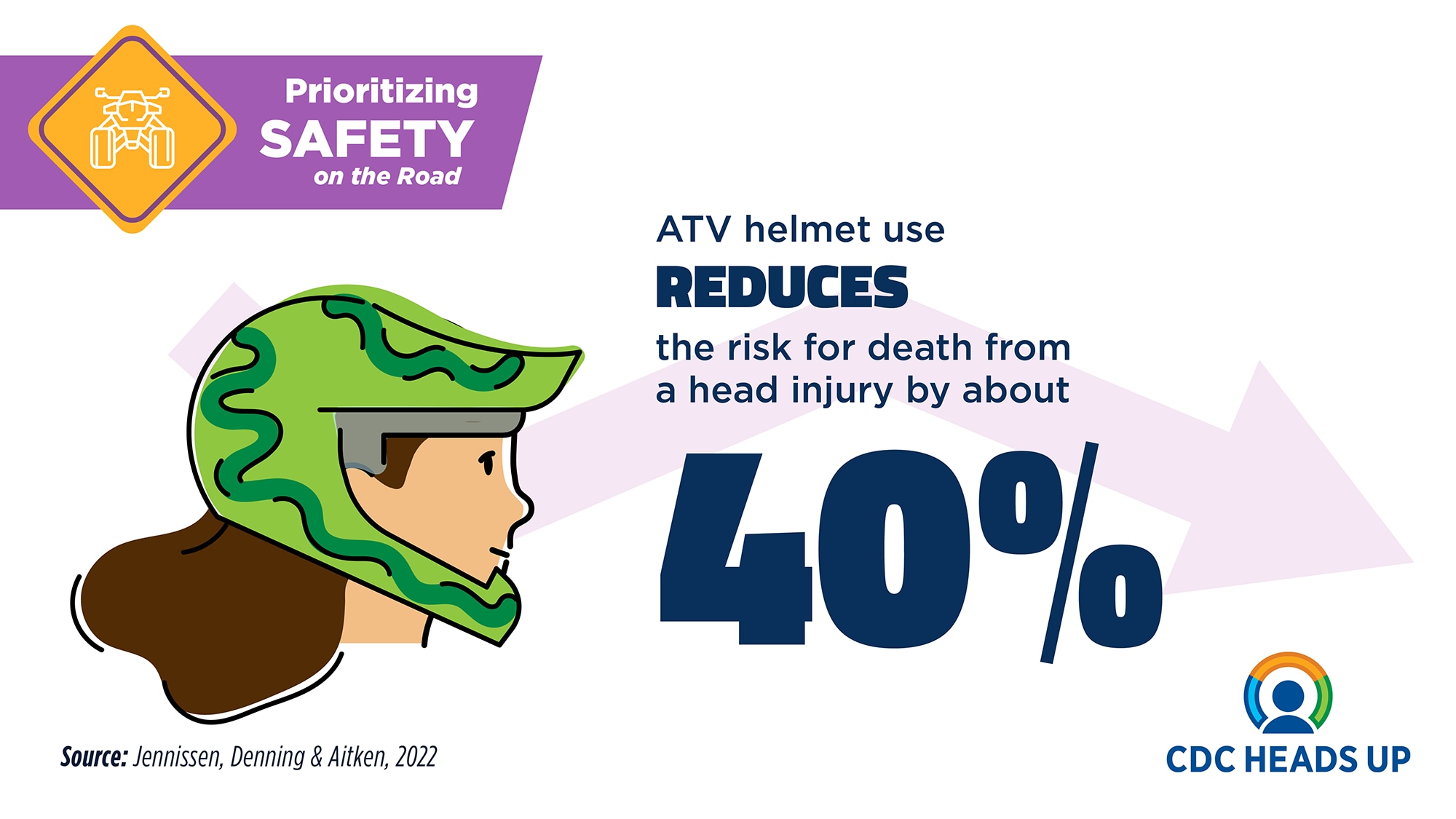
Credit: www.cdc.gov
Frequently Asked Questions
How Do Helmets Reduce Impact Force?
Helmets reduce impact force by absorbing energy during a collision. They have a foam layer that compresses upon impact, minimizing the force transmitted to the head. This helps protect the brain from injury by dispersing the force away from sensitive areas.
Why Are Helmets Important For Safety?
Helmets are crucial for safety because they protect the head from severe injuries. They act as a barrier between the skull and external forces during accidents. By wearing a helmet, you significantly reduce the risk of life-threatening head injuries, ensuring safer rides.
What Materials Are Used In Helmets?
Helmets are made from materials like polycarbonate, fiberglass, and expanded polystyrene foam. These materials offer durability and impact resistance. The outer shell provides strength, while the inner foam absorbs shock, ensuring effective protection against head injuries during accidents.
Can Helmets Prevent Concussions?
Helmets can help reduce the risk of concussions by absorbing impact energy. While they cannot completely prevent concussions, they significantly lower the likelihood of severe head trauma. Proper fit and quality materials enhance their effectiveness in safeguarding against concussions.
Conclusion
Wearing a helmet is crucial for protecting your head during accidents. It absorbs impact and reduces the risk of serious injuries. Helmets cushion the blow, shielding your brain from harm. They fit snugly, providing maximum protection. Choosing the right helmet can be a lifesaver.
Always ensure it meets safety standards. A helmet’s design plays a big role in its effectiveness. Lightweight materials enhance comfort without sacrificing safety. Remember, a helmet can’t prevent all injuries, but it greatly reduces the risk. So, wear your helmet every time you ride.
Stay safe, protect your head, and enjoy your journey.