Imagine if you could unlock the secrets of your body to move more efficiently and avoid injuries. Sounds like a dream, right?
But with biomechanics, it’s entirely possible. This fascinating field combines the principles of mechanics with the human body to help you understand how your movements can lead to injuries and how to prevent them. Whether you’re an athlete pushing your limits or just someone who enjoys staying active, understanding biomechanics can be your secret weapon against injuries.
You’ll discover how small changes in your posture or movement patterns can make a huge difference. Dive into this article to uncover how biomechanics can be your key to staying healthy and keeping injuries at bay. Your body will thank you for it.
Biomechanics Basics
Understanding biomechanics is crucial for injury prevention. It blends biology and mechanics, studying how our bodies move. This knowledge helps in designing safer sports equipment, improving athletic performance, and developing effective rehabilitation methods. Let’s delve into the basics of biomechanics to see how it prevents injuries.
Definition And Importance
Biomechanics examines forces acting on the body and their effects. It helps understand movement patterns and body stresses. This insight is vital for creating safer physical activities. It also aids in identifying potential injury risks and correcting them before damage occurs.
Biomechanics is important for everyone, not just athletes. It improves daily movements like walking and lifting. By optimizing these activities, we reduce strain and enhance efficiency. This leads to fewer injuries and better long-term health.
Key Principles
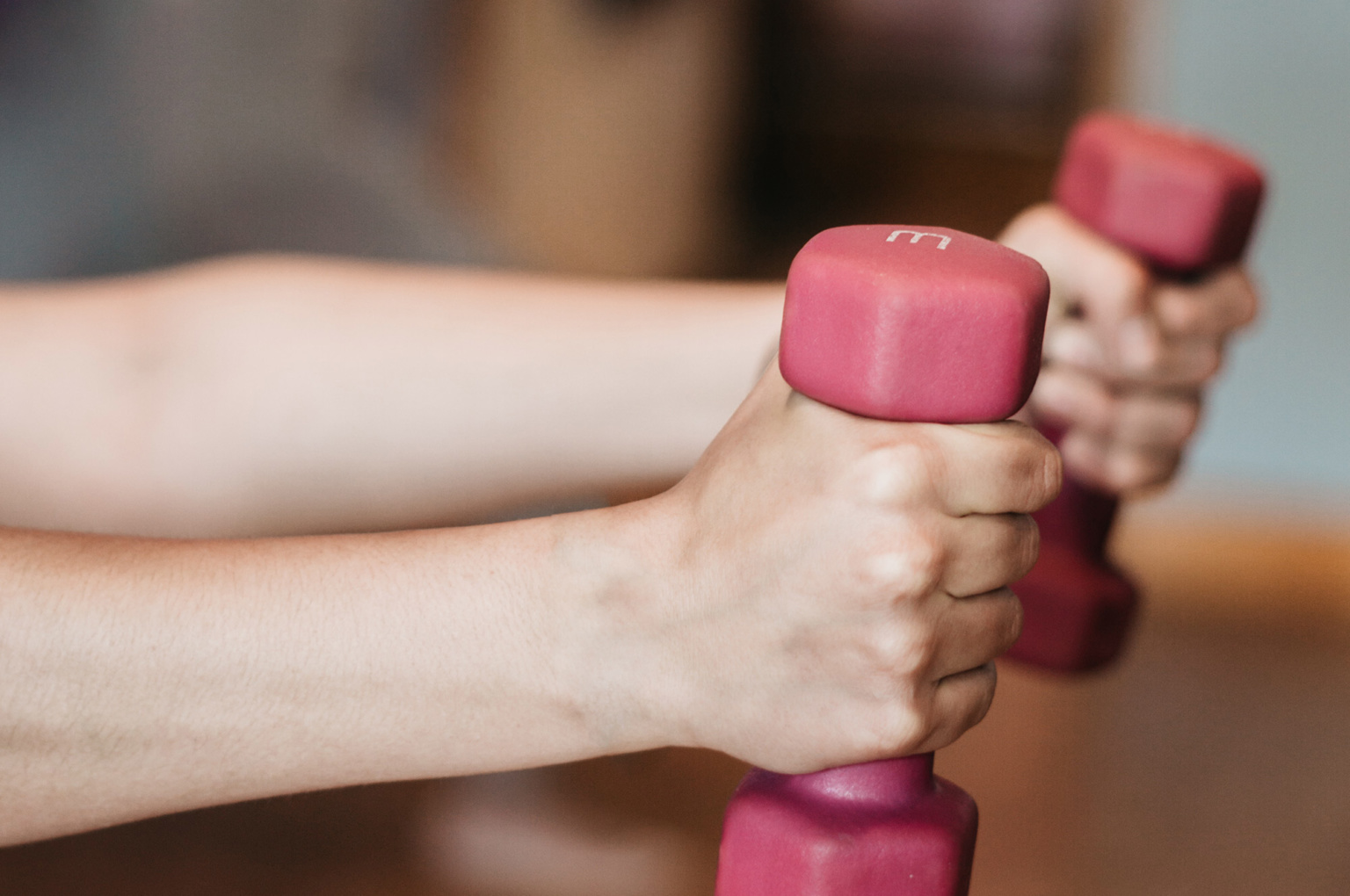
Several principles guide biomechanics in injury prevention. The first is understanding body alignment. Proper alignment reduces stress on muscles and joints. Another principle is force distribution. Balancing forces evenly minimizes wear on specific body parts.
Biomechanics also focuses on range of motion. Ensuring joints move correctly prevents strain and potential injury. Finally, muscle strength and flexibility are crucial. Strong, flexible muscles support joints and absorb impact, reducing injury risk.
Credit: benchmarkphysio.com.au
Role In Injury Prevention
Biomechanics plays a vital role in preventing injuries. It studies the forces acting on the body. This helps understand how movements can lead to injuries. By analyzing these movements, experts can create safer practices. This reduces the risk of harm. Let’s dive into how biomechanics helps in injury prevention.
Assessing Movement Patterns
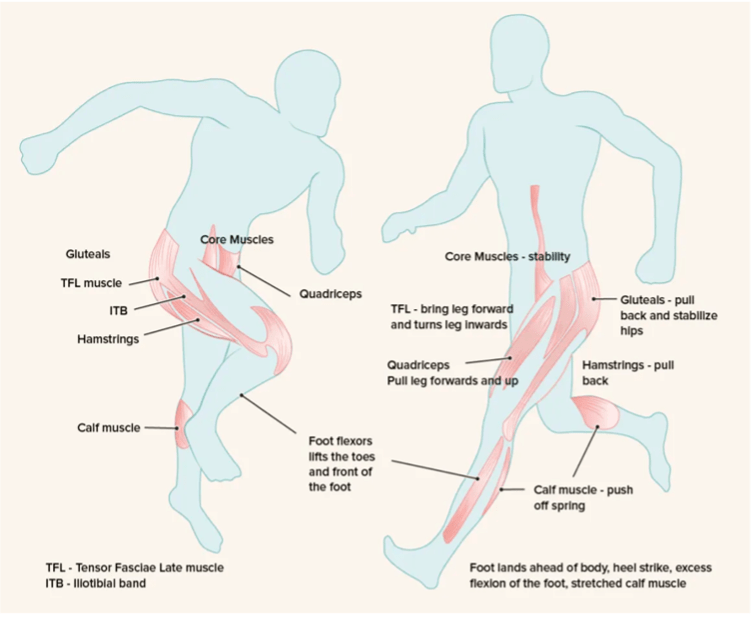
Movement patterns are key to understanding injury risks. Experts use video analysis to study these patterns. They observe how joints and muscles work together. This helps in spotting unusual movements. Such movements can stress the body and cause injuries. Correcting these patterns can prevent harm.
Identifying Risk Factors
Biomechanics helps identify various risk factors. These include incorrect posture and overuse of muscles. Poor technique also plays a part. Identifying these factors allows for targeted interventions. By addressing these risks, injuries can be minimized. This proactive approach keeps individuals safer.
Techniques And Tools
Understanding biomechanics can greatly reduce injury risks in sports and daily activities. Various techniques and tools can assist in this endeavor. These tools analyze movements and offer insights to improve safety and performance. Let’s explore some of the key technologies making a difference.
Motion Capture Technology
Motion capture technology records human movements with precision. This technology uses cameras and sensors to track body positions. Athletes and trainers use this data to understand motion patterns. Identifying risky movements helps in designing better training routines. Motion capture systems are becoming more accessible and user-friendly. They provide valuable insights without complex setups.
Force Measurement Devices
Force measurement devices assess the forces exerted by the body. These devices often include pressure plates and force platforms. They measure ground reaction forces during activities like running or jumping. Understanding these forces can highlight potential injury risks. Trainers can adjust techniques based on this information to prevent injuries. Force measurement is crucial for both professional and amateur athletes.
Credit: www.peak-physio.com.au
Applications In Sports
Biomechanics helps athletes understand body movements to prevent injuries. It analyzes motion and identifies risky patterns. Coaches use this data to adjust training and enhance safety.
Biomechanics plays a vital role in sports today. It helps athletes understand their bodies and movements better. Coaches and trainers use biomechanics to improve performance and prevent injuries. By studying motion, strength, and balance, experts can make sports safer and more effective.Improving Athletic Performance
Athletes strive to enhance their skills constantly. Biomechanics provides insights into optimal movement patterns. By analyzing techniques, athletes can refine their form. This leads to better speed, strength, and endurance. For instance, runners can adjust their stride for efficiency. Swimmers might tweak their stroke for speed. These small changes can lead to significant improvements.Reducing Sports Injuries
Injuries are a common concern in sports. Biomechanics helps identify risky movements. By understanding stress on joints and muscles, preventive measures can be taken. Equipment can also be designed to support safer practices. For example, shoes can be crafted to reduce impact. Protective gear can be optimized for better support. This proactive approach minimizes injury risk, keeping athletes in the game longer.Applications In Workplace
Biomechanics analyzes movement patterns to identify risks. Adjusting workstations based on this data minimizes strain. Proper posture and ergonomic tools reduce injury potential.
Biomechanics offers a fascinating avenue to improve workplace safety by understanding the human body’s interactions with its environment. In many industries, the risk of injury is a daily concern. By applying principles of biomechanics, companies can design safer workspaces and reduce injury risks.Ergonomic Design
Ergonomic design is about creating tools and environments that fit the user’s needs. Think about your office chair or the height of your desk. These should be tailored to your body’s natural posture to prevent strain and discomfort. Incorporating biomechanics into ergonomic design can minimize repetitive strain injuries. For instance, adjusting the height of a workbench in a factory can alleviate back pain for workers who stand for long hours. Simple changes can make a significant difference. Adjustable chairs, keyboards, and monitors are all examples of ergonomic tools that can prevent discomfort and long-term injuries.Reducing Occupational Hazards
Occupational hazards can be significantly reduced with biomechanical insights. Are you lifting heavy objects at work? Biomechanics can provide strategies for lifting that protect your back and limbs. Consider the layout of your workspace. Is there enough room to move safely? Using biomechanics, you can optimize space to ensure that workers have clear paths and proper posture as they move. By understanding the physical demands of various tasks, employers can redesign workflows to minimize risky movements. This proactive approach not only protects employees but also boosts productivity. Have you ever wondered how a small tweak in your daily routine could save you from injury? Biomechanics might just hold the answer.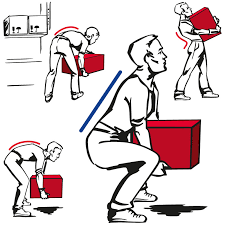
Credit: benchmarkphysio.com.au
Case Studies
Biomechanics helps in understanding body movements to prevent injuries. Analyzing motion patterns can identify risks early. This approach aids in crafting better training routines for athletes and individuals.
Understanding how biomechanics can prevent injuries often involves analyzing case studies. These real-world examples highlight the practical application of biomechanics in various settings, from sports to healthcare. Through these stories, you can learn about the successes and challenges faced during implementation, offering valuable insights into the process.Successful Implementation
Consider the case of a professional basketball team. By employing biomechanics, they significantly reduced ankle injuries. Motion analysis technology allowed trainers to study players’ movements closely. They identified high-risk actions and adjusted training routines accordingly. Players were taught new techniques that aligned with their natural biomechanics. This not only prevented injuries but also enhanced their performance on the court. Another case involved a rehabilitation center using biomechanics for recovery. Patients recovering from surgery were given personalized exercises. These routines were based on biomechanical data that ensured movements were safe and effective. The result was a decrease in recovery time and improved outcomes. The center reported fewer cases of re-injury among patients.Lessons Learned
What can you take away from these successes? First, integrating biomechanics requires commitment and collaboration. Coaches, trainers, and healthcare professionals must work together. In the basketball team example, communication was key. Everyone needed to understand the biomechanical data to apply it effectively. Regular meetings ensured everyone was on the same page. Moreover, flexibility was crucial in the rehabilitation center. Not all patients responded the same way to exercises. Adjustments based on ongoing biomechanical assessments made a significant difference. These case studies show that prevention is not just about avoiding injury. It’s about improving overall performance and recovery. Could biomechanics be the missing link in your injury prevention strategy?Future Directions
Exploring biomechanics can help identify movement patterns that lead to injuries. Analyzing these patterns improves training methods and reduces injury risks.
The future of biomechanics in injury prevention is bright and filled with potential. Advancements in technology and expanding research areas are paving the way for more effective and personalized injury prevention strategies. These developments promise to not only enhance athletic performance but also improve everyday life for many individuals.Innovations In Technology
Technology is transforming how we understand and prevent injuries. Wearable devices, for instance, provide real-time data on movement patterns, helping you identify risky behaviors before they lead to injuries. Imagine a device that alerts you when your running form needs adjustment—these are becoming a reality. Virtual reality is another exciting frontier. It allows athletes to simulate different scenarios and refine their techniques safely. This tech could soon be as common as a treadmill in gyms worldwide. 3D motion capture is also gaining traction. It offers a detailed analysis of body movements, enabling precise adjustments to prevent strain and injury. How often do we think about our posture? With these innovations, you might not have to—your tech could do it for you.Expanding Research Areas
Biomechanics research is venturing into new territories. The focus is shifting from general injury prevention to personalized strategies. Studies are exploring how individual differences in anatomy and genetics affect injury risk. Research is also looking into the psychological aspects of biomechanics. Understanding how mental state influences physical performance can lead to more holistic injury prevention methods. Consider how stress affects your posture or gait; addressing these factors could be key to reducing injuries. Another promising area is the study of biomechanics in non-athletic populations. Office workers, for example, can benefit from ergonomic research aimed at reducing repetitive strain injuries. Biomechanics isn’t just for athletes—it’s for anyone who wants to move better and stay injury-free.Frequently Asked Questions
What Is Biomechanics In Injury Prevention?
Biomechanics studies movement and forces acting on the body. Understanding biomechanics helps identify risky patterns that might lead to injuries. By analyzing these movements, strategies can be developed to modify techniques or equipment. This reduces strain and stress on muscles and joints, ultimately preventing injuries.
How Do Biomechanics Improve Athletic Performance?
Biomechanics optimize movement efficiency and technique for athletes. By analyzing motion, coaches can identify areas of improvement, enhancing performance while reducing injury risk. Tailoring training and equipment based on biomechanical analysis ensures athletes perform at their best, with minimized chances of harm.
Can Biomechanics Help In Rehabilitation?
Biomechanics play a crucial role in rehabilitation by assessing movement post-injury. It identifies compensatory patterns that may hinder recovery. By understanding these patterns, therapists can design targeted exercises and interventions to restore normal function, speeding up recovery and preventing future injuries.
How Does Biomechanics Aid In Injury Diagnosis?
Biomechanics assists in diagnosing injuries by analyzing movement abnormalities. It identifies issues in joint motion or muscle function. This detailed analysis helps healthcare professionals pinpoint the injury’s root cause, ensuring accurate diagnosis and effective treatment plans, ultimately preventing further complications.
Conclusion
Biomechanics offers practical methods to reduce injury risks. It studies body movements to improve safety. Athletes gain insights for better performance and health. Coaches can design safer training programs. Everyday activities benefit too, like walking or lifting. Understanding biomechanics helps everyone move smarter.
People can enjoy activities without fear of injury. This knowledge fosters better habits and choices. Biomechanics is a tool for healthier living. Embrace its benefits for a safer lifestyle. Let knowledge guide your movements. Stay active, stay safe.