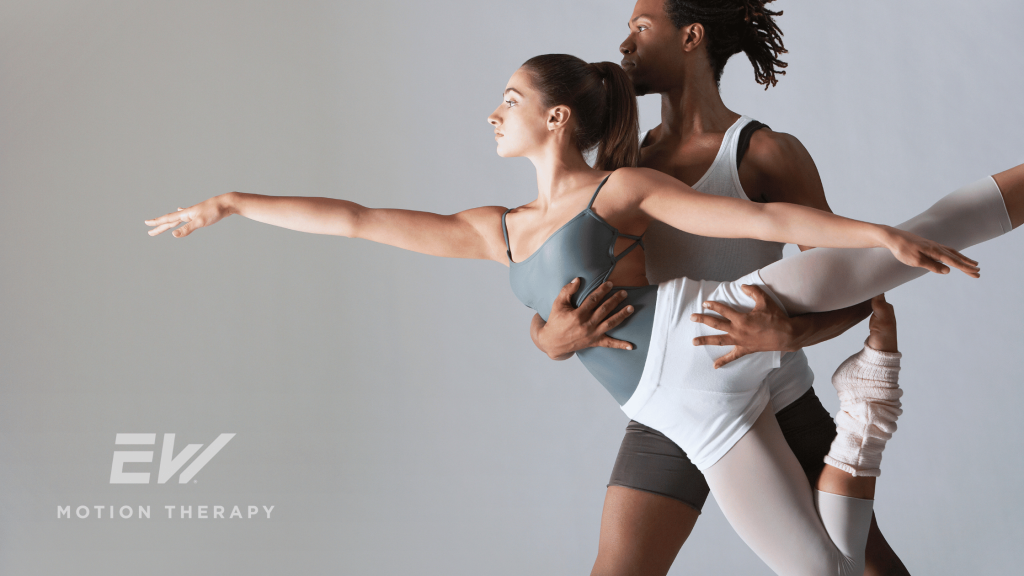
Imagine gliding across the dance floor with confidence, every movement flowing seamlessly. But suddenly, an unexpected twist or misstep leads to a painful injury.
It’s a dancer’s nightmare. Whether you’re a seasoned performer or just starting out, preventing injuries is crucial to enjoying dance and improving your skills. You know how frustrating and limiting an injury can be. It stops you from doing what you love.
You’ll discover simple yet effective strategies to keep your body safe and in peak condition. By the end, you’ll feel empowered to dance freely without the constant worry of injuries. Ready to protect yourself and dance with assurance? Let’s dive in!

Credit: www.instagram.com
Warm-up Techniques
Proper warm-up techniques are essential to prevent injuries in dance. Stretching muscles increases flexibility and reduces strain. Gentle movements prepare the body for more intense activity.
Warm-up techniques play a vital role in preventing dance injuries. Preparing the body before intense movements ensures flexibility and readiness. A proper warm-up enhances performance and reduces injury risks. Let’s explore some effective techniques.Dynamic Stretching
Dynamic stretching involves active movements to increase flexibility. It prepares muscles for the activity ahead. Use controlled movements to stretch your muscles. Examples include leg swings, arm circles, and hip circles. This boosts blood flow and warms up your joints. It also improves your range of motion. Perform dynamic stretches for about 5-10 minutes before dancing.Cardio Exercises
Cardio exercises elevate your heart rate. They warm up your entire body. Simple activities like jogging in place or jumping jacks work well. Skipping rope is another great option. Keep it light and easy to avoid fatigue. Aim for 5-10 minutes of cardio. This increases circulation and prepares your muscles for dance.Proper Technique
Dance is a beautiful art form that requires precision and skill. Proper technique is crucial to prevent injuries and enhance performance. It involves understanding the body’s alignment and control during movement. Let’s explore key aspects of proper dance technique.
Posture Alignment
Maintaining correct posture is essential in dance. It ensures that movements are executed safely. Good posture starts with a straight spine. This helps distribute weight evenly. Shoulders should be relaxed, not tense. Engage the core muscles to support the back. Proper alignment reduces strain and prevents injuries.
Foot Placement
Foot placement is vital for stability. It affects balance and control. Start with feet parallel and hip-width apart. This provides a solid foundation. Distribute weight evenly on the feet. Avoid rolling the ankles inward or outward. Correct foot placement enhances movement precision. It minimizes the risk of slips and falls.
Strength And Conditioning
Strength and conditioning exercises build resilience in dancers, reducing injury risks. Focus on core stability and flexibility to protect joints and muscles. Regularly practicing these techniques enhances performance and safety.
Strength and conditioning are vital components of any dancer’s routine. Building strength not only enhances performance but also significantly reduces the risk of injuries. By focusing on key areas like the core and lower body, dancers can maintain balance, improve flexibility, and ensure longevity in their dance careers.Core Strengthening
The core is the powerhouse of your body, playing a crucial role in stability and balance. Engaging in regular core workouts can fortify this area. Simple exercises like planks, sit-ups, and Russian twists can make a substantial difference. Try integrating these exercises into your daily routine:- Planks:Hold for 30 seconds and gradually increase time as you build strength.
- Sit-ups:Aim for 20 repetitions, focusing on controlled movements.
- Russian Twists:Perform with or without weights, maintaining a steady rhythm for 15 repetitions on each side.
Lower Body Exercises
Your legs and glutes bear the brunt of many dance movements. Strengthening them can prevent strains and enhance your jumps and turns. Squats, lunges, and calf raises are excellent exercises to target these muscles. Consider these exercises to boost your lower body strength:- Squats:Aim for 15 repetitions, focusing on depth and form.
- Lunges:Perform 10 repetitions on each leg, ensuring your knee doesn’t extend beyond your toes.
- Calf Raises:Do 20 repetitions, feeling the stretch and contraction in each lift.
Flexibility Training
Flexibility training enhances muscle elasticity and joint mobility, reducing injury risks in dance. Regular stretching improves range of motion, promoting safer movements.
Flexibility Training is a vital component in preventing dance injuries. It not only enhances your range of motion but also helps your body adapt to various dance movements. By focusing on flexibility, you can improve your performance and reduce the risk of strains and sprains.Static Stretching
Static stretching involves holding a stretch for a period, usually between 15 to 60 seconds. This type of stretching is most effective post-dance, when your muscles are warm. It helps in lengthening muscles and increasing flexibility, allowing you to move more freely during your next session. Integrating static stretching into your routine can be simple. Consider stretches like the hamstring stretch or the butterfly stretch. These can target key muscle groups, enhancing your overall flexibility.Yoga And Pilates
Yoga and Pilates offer excellent flexibility training that complements dance. Both practices focus on controlled movements and deep stretching, promoting balance and muscle strength. They are not only beneficial for flexibility but also for mental focus and breath control. Try attending a yoga class or following a Pilates routine online. You’ll notice improved flexibility and core strength, which are crucial for dance. Ever wondered how seasoned dancers maintain their poise and fluidity? Incorporating yoga and Pilates might just be their secret weapon. By embracing these flexibility training methods, you can enhance your dance skills and safeguard your body against injuries. Are you ready to give it a try?Footwear And Equipment
When it comes to dance, the right footwear and equipment can make all the difference in preventing injuries. As a dancer, you spend countless hours perfecting your craft, and the last thing you want is a setback due to improper gear. From choosing the right shoes to using supportive equipment, every detail matters to ensure your safety and enhance your performance.
Choosing The Right Shoes
Your dance shoes are more than just an accessory; they are essential tools that support your movements and protect your feet. Whether you’re into ballet, jazz, or contemporary, selecting the right shoe is crucial. Consider the fit, material, and design. A snug fit ensures stability, while breathable material keeps your feet comfortable. Shoes designed for specific dance styles provide the required flexibility and grip.
Think back to your first pair of dance shoes. Did you feel the difference in your performance? Investing in quality shoes can prevent blisters, sprains, and long-term foot issues. Remember, it’s not just about style; it’s about safeguarding your feet for a lifetime of dancing.
Supportive Gear
Beyond shoes, supportive gear plays a vital role in injury prevention. Items like ankle braces, knee pads, and toe protectors offer added security during intense routines. These tools help absorb shock and reduce strain on vulnerable areas. Have you ever felt the difference a simple knee pad can make during a challenging move?
Moreover, consider incorporating equipment like balance boards and resistance bands in your training. They not only enhance your strength but also improve your stability and control. Ask yourself, are you using all available resources to protect your body while you dance?
Ultimately, the right equipment is an investment in your dancing future. It’s about making informed choices to maintain your health and ensure longevity in your dance career.

Credit: melodica.ae
Rest And Recovery
Rest and recovery are vital for preventing injuries in dance. Adequate rest allows the body to heal and recharge, reducing stress and fatigue. Regular recovery practices, like stretching and hydration, support muscle health and flexibility, keeping dancers safe and performing at their best.
Rest and recovery are often overlooked aspects of a dancer’s routine, but they are crucial for preventing injuries and enhancing performance. Giving your body time to heal and recharge can make a significant difference in how well you perform on stage and in practice. Proper rest and recovery practices not only keep injuries at bay but also improve your overall dance experience.Importance Of Rest Days
Taking rest days is not a sign of weakness, but a strategy for success. Your muscles need time to repair and grow stronger after intense rehearsals. Without adequate rest, you’re more likely to face fatigue, which can lead to improper form and increased injury risk. Consider scheduling at least one rest day per week. Use this day to engage in light activities that promote relaxation, like yoga or a gentle walk. These activities can help maintain your flexibility and circulation without putting stress on your body.Injury Management
Listening to your body is key to managing injuries effectively. If you feel pain or discomfort, it’s crucial to address it immediately rather than pushing through. Ignoring small aches can lead to more severe injuries down the line. Create a routine that includes ice therapy and gentle stretching if you experience any soreness. Keeping a journal to track any pain can help identify patterns and prevent future injuries. Have you considered consulting with a physiotherapist? They can provide tailored advice to help you recover faster and stronger. Making rest and recovery a priority isn’t just about avoiding injury—it’s about performing at your best and enjoying every moment on the dance floor. Are you giving your body the care it deserves?Nutrition For Dancers
Nutrition is the secret weapon for dancers aiming to prevent injuries and maintain peak performance. Just like a car needs the right fuel to run smoothly, your body requires proper nutrition to dance effortlessly and recover quickly. Let’s dive into how you can fine-tune your diet to support your dancing journey.
Balanced Diet
A balanced diet is the cornerstone of injury prevention for dancers. It’s essential to include a mix of carbohydrates, proteins, and fats in your meals. Carbohydrates provide the energy you need for demanding practices and performances.
Proteins are vital for muscle repair and growth. Think about adding lean meats, beans, or tofu to your meals. Healthy fats, like those found in avocados and nuts, aid in overall health and joint protection.
Have you considered how your meal timing affects your dancing? Eating smaller, frequent meals can keep your energy levels steady throughout the day. This can prevent fatigue, which often leads to injuries.
Hydration Tips
Staying hydrated is a simple yet often overlooked aspect of nutrition for dancers. Water is your best friend when it comes to maintaining flexibility and preventing cramps. Aim to drink water before, during, and after your dance sessions.
Have you ever felt sluggish during practice and wondered why? Dehydration might be the culprit. Consider carrying a reusable water bottle to help you monitor your intake.
Electrolyte-rich drinks can be beneficial, especially after intensive rehearsals. However, be mindful of sugary sports drinks. Opt for natural alternatives like coconut water when possible.
Mental Preparation
Mental preparation helps dancers focus and stay aware, reducing the risk of injuries. A clear mind enhances concentration and performance.
Mental preparation plays a crucial role in preventing injuries in dance. By cultivating a focused and calm mind, you can enhance your performance and ensure your body responds effectively to the demands of dance. Mental readiness not only boosts confidence but also reduces the likelihood of making mistakes that could lead to injury.Mindfulness Techniques
Mindfulness is a powerful tool for dancers. By staying present in the moment, you can maintain better control over your movements. Try simple techniques like deep breathing or body scanning before practice. Consider setting aside a few minutes daily to sit quietly and focus on your breath. This practice can help you center your mind, making you more aware of your body’s signals. When you’re tuned into your body, you can catch signs of fatigue or imbalance before they become problematic.Visualization Practices
Visualization is another effective mental strategy. Picture yourself executing each dance move perfectly, engaging all your senses. This can help reinforce muscle memory and build confidence. Before a performance, take time to mentally rehearse. Imagine the music, the stage, and how your body will feel as you dance. This technique can reduce anxiety and prepare your mind for the real performance. What would change if you spent just a few minutes each day visualizing success? This simple practice can transform your mental state, making injury prevention more attainable.Common Mistakes To Avoid
Dance is an exhilarating art form, but it comes with its fair share of risks. Understanding common mistakes can be your best ally in preventing injuries. When you know what to avoid, you pave a path for safer practice, allowing your passion for dance to flourish without unnecessary setbacks. Let’s delve into some of these pitfalls.
Overtraining Risks
In the pursuit of perfection, it’s easy to fall into the trap of overtraining. Your body needs time to recover and rebuild after intense sessions. Consistently pushing beyond your limits can lead to fatigue and increased injury risk. Consider scheduling rest days or integrating lighter dance routines into your week.
Think of your muscles as a bank account. Withdraw too much without depositing some rest and you’ll end up depleted. Balance your training with adequate recovery to maintain your dance stamina and prevent burnout.
Ignoring Pain Signals
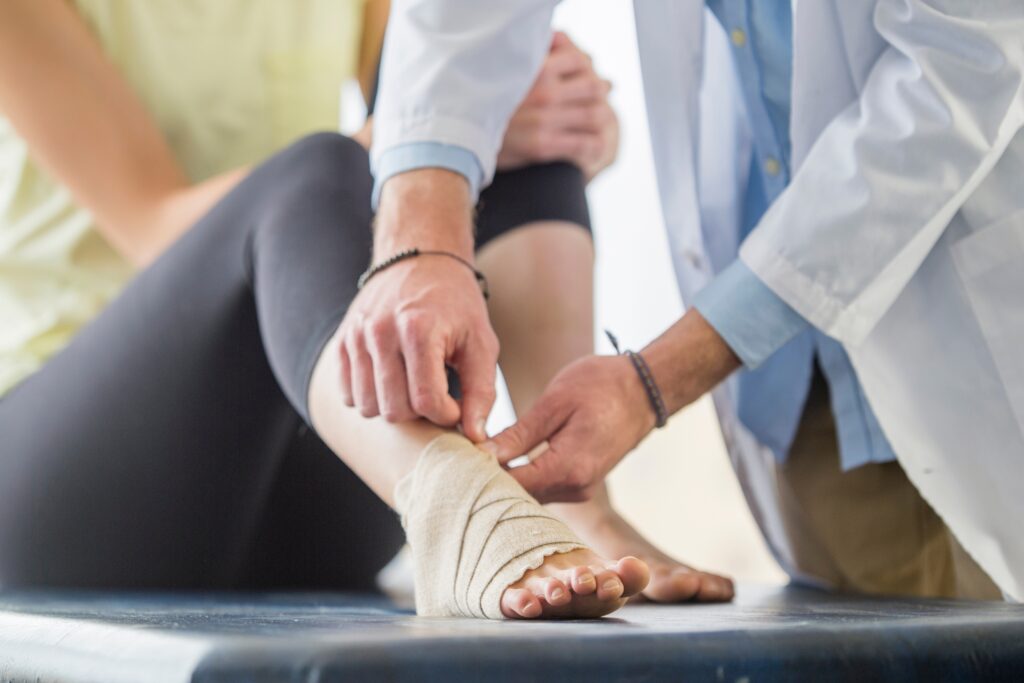
Pain is your body’s way of saying something’s not right. Ignoring those signals can lead to serious injuries. If you feel discomfort during or after dancing, take it seriously. Addressing pain early can prevent minor issues from escalating.
Imagine a minor pain as a warning light on your car’s dashboard. Ignore it and the problem might worsen. Listen to your body, seek professional advice if necessary, and make adjustments to your routine.
Have you ever pushed through pain, only to regret it later? Learning to differentiate between healthy muscle soreness and potentially harmful pain is crucial. Your body is your greatest asset in dance, treat it with care and respect.
Credit: kewschoolofdance.com
Expert Advice
Expert guidance helps dancers stay safe. Focus on warm-ups to prepare muscles and joints. Listen to your body and rest when needed.
Preventing injuries in dance requires expert advice. Dancers rely on guidance from experienced professionals. This ensures safe practices and long careers. Listening to experts helps dancers understand their bodies better. They learn techniques to avoid strain and injury.Consulting Professionals
Professional advice is key in dance. Dancers should consult physical therapists regularly. These experts understand dance-specific injuries. They offer tailored exercises to prevent them. Personal trainers can also help. They design strength programs for dancers. These programs enhance performance and reduce injury risk. Consulting a nutritionist is beneficial too. Proper nutrition supports energy levels and recovery. Regular check-ins with these professionals ensure a holistic approach to health.Continuing Education
Education is crucial for injury prevention. Workshops teach new techniques and safety measures. Attending these keeps dancers informed. Online courses are another great resource. They offer flexibility and access to expert knowledge. Reading books and articles expands understanding. These resources cover anatomy, technique, and injury prevention. Dancers should seek feedback from peers and mentors. This helps identify areas needing improvement. Continuing education empowers dancers. It builds confidence and enhances their skill set.Frequently Asked Questions
How Can Dancers Avoid Injuries?
Dancers can avoid injuries by warming up properly before practice. They should also focus on technique and listen to their bodies. Regular strength and flexibility training are crucial. Rest periods are important to prevent overuse injuries. Wearing proper footwear can also help reduce injury risks.
What Are Common Dance Injuries?
Common dance injuries include sprains, strains, and fractures. Tendonitis and shin splints are frequent due to repetitive movements. Knee injuries often occur from improper alignment. Lower back pain can result from poor technique or posture. Ankle injuries are common due to jumps and turns.
Why Is Warming Up Important For Dancers?
Warming up increases blood flow to muscles, enhancing flexibility and performance. It prepares the body for intense movements and reduces injury risks. A proper warm-up includes dynamic stretching and light cardio. It helps improve coordination and focus, essential for safe dancing.
How Does Technique Affect Injury Prevention?
Proper technique ensures movements are performed safely, reducing strain on joints and muscles. It involves correct posture, alignment, and control. Good technique prevents overuse injuries by distributing stress evenly. Regular technique training enhances muscle memory, minimizing injury risks.
Conclusion
Preventing dance injuries requires attention to technique and body care. Stretch regularly. Warm up before every session. Listen to your body. Rest is vital for recovery. Proper footwear supports your movements. Hydration keeps muscles flexible. Balanced nutrition fuels energy. Professional guidance ensures safety.
Practice good posture during dance. Focus on gradual progress, not rush. Strengthen muscles for better support. Avoid overtraining to reduce risk. Mindful dancing leads to fewer injuries. Embrace these habits for a healthier dance journey. Your body will thank you.
Enjoy your dance journey safely and confidently.