Have you ever wondered if sprinting can help you build muscle? You’re not alone.
Many fitness enthusiasts and athletes are curious about the muscle-building potential of sprints. Imagine transforming your workout routine with a simple yet powerful exercise that not only boosts your cardiovascular health but also sculpts your muscles. Intrigued? Keep reading to discover the fascinating connection between sprints and muscle growth, and how you can harness this dynamic exercise to achieve your fitness goals.
Whether you’re a seasoned athlete or just starting your fitness journey, understanding this relationship could be the game-changer you’ve been looking for. Ready to learn more? Let’s dive into the science and benefits of sprinting for muscle building.
The Science Behind Sprints
Sprints can effectively build muscle by engaging fast-twitch fibers, promoting muscle growth and strength. Short bursts of high-intensity running enhance muscle tone and increase overall power. Regular sprinting workouts stimulate muscle development, offering a dynamic approach to fitness.
The Science Behind Sprints Sprinting is more than just running fast. It engages multiple muscle groups. This high-intensity exercise taps into your body’s quick energy sources. The science of sprints lies in their ability to activate fast-twitch muscle fibers. These fibers are responsible for explosive movements. They are crucial for building muscle strength and size.The Role Of Fast-twitch Muscle Fibers
Fast-twitch fibers contract quickly and powerfully. They are used in short bursts of activity. Sprinting activates these fibers more than jogging. This activation leads to muscle growth. The more these fibers are used, the stronger they become.Energy Systems Used During Sprints
Sprinting relies on anaerobic energy systems. These systems provide energy without oxygen. The body uses stored energy in muscles. This process is quick but short-lived. It is perfect for high-intensity activities like sprinting. It helps in muscle building by demanding more power from muscles.Impact On Muscle Hypertrophy
Hypertrophy is the increase in muscle size. Sprinting promotes hypertrophy by challenging muscles. This challenge forces muscles to adapt and grow. The repeated stress from sprints encourages muscle repair. This repair process results in larger and stronger muscles.Hormonal Response To Sprinting
Sprinting boosts hormone levels. Hormones like testosterone and growth hormone increase. They play a role in muscle development. Higher hormone levels mean better muscle growth. This makes sprinting effective for building muscle mass.Recovery And Muscle Growth
Recovery after sprints is vital. Muscles need time to repair and grow. Proper rest and nutrition enhance recovery. This leads to muscle strengthening. It is essential for continuous muscle development.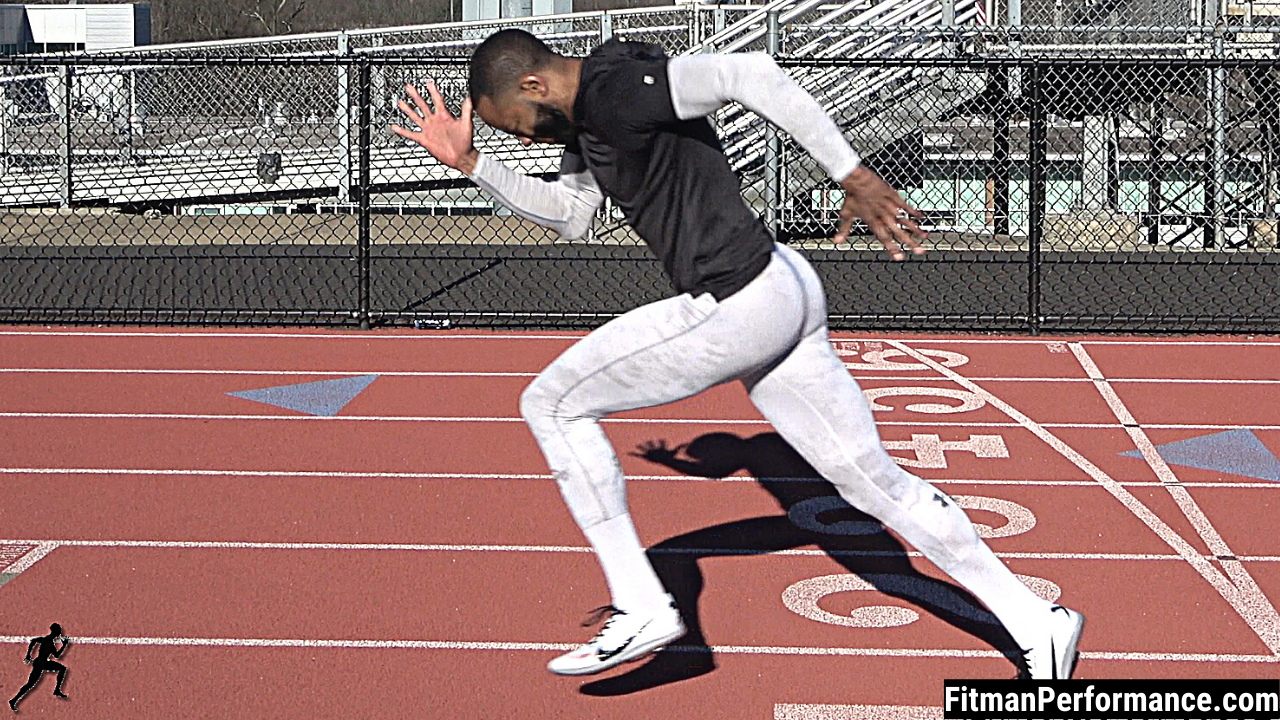
Credit: fitmanxfademan.medium.com
Muscle Groups Engaged
Sprinting effectively engages multiple muscle groups, including the quadriceps, hamstrings, and calves. Fast-paced running also activates core muscles and glutes. This intense activity contributes to muscle building and overall strength.
Sprints can be a powerful way to engage various muscle groups. They are not just about speed. They also involve strength and endurance. By sprinting, you tap into multiple muscles, enhancing your overall fitness. Each sprint activates different parts of your body. Let’s explore which muscle groups are engaged during sprints.Leg Muscles
Sprinting primarily targets the muscles in your legs. Your quadriceps, hamstrings, and calves work hard. These muscles push you forward at high speed. The quadriceps help extend your knee. The hamstrings allow your knee to bend. The calves lift your heels off the ground. This combination helps propel you forward.Core Activation
Your core plays a vital role during sprints. It stabilizes your body. A strong core improves balance. It also helps maintain proper running form. This reduces the risk of injury. The core consists of the abs, obliques, and lower back. These muscles keep your torso upright and stable.Upper Body Involvement
Though less obvious, the upper body is crucial in sprints. Your arms help maintain momentum. They move in sync with your legs. This coordination boosts speed and efficiency. The shoulders, biceps, and triceps come into play. They drive the arm swing, enhancing your stride length.Benefits Of Sprinting
Sprinting boosts muscle growth by engaging fast-twitch fibers. It provides a full-body workout, improving strength and endurance.
Sprinting is a dynamic exercise with powerful benefits for muscle building. This high-intensity workout not only burns calories but also strengthens various muscle groups. It engages your core, legs, and even your upper body. Sprinting is an effective way to enhance physical fitness and improve overall health. Let’s explore the specific benefits of sprinting.Increased Power
Sprinting boosts muscle power significantly. The explosive nature of sprints activates fast-twitch muscle fibers. These fibers are essential for building strength and muscle mass. As your muscles adapt to the intensity, they become more powerful. This increased power translates to better performance in various physical activities.Enhanced Speed
Speed is a key benefit of sprinting. Regular sprinting improves your body’s ability to move quickly. Your legs develop more muscle, allowing faster movement. Enhanced speed helps in sports and daily activities. You will notice increased agility and quickness.Improved Endurance
Sprinting enhances endurance over time. It challenges your cardiovascular system to work more efficiently. This leads to better stamina and prolonged performance. As your endurance improves, you can engage in physical activities for longer periods. This makes daily tasks and workouts easier.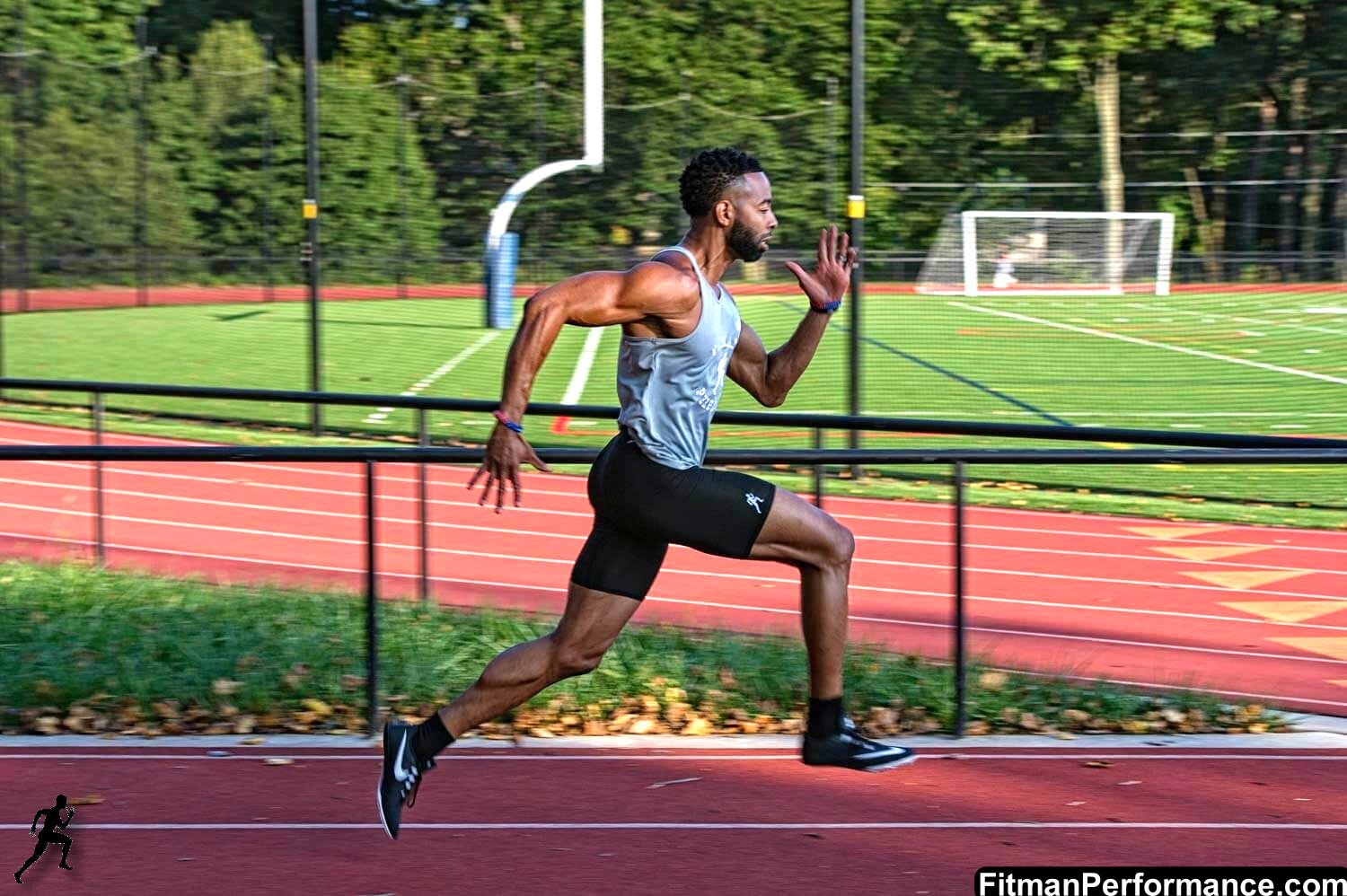
Credit: fitmanxfademan.medium.com
Sprints Vs Traditional Strength Training
Sprinting can effectively build muscle due to its high-intensity nature. It engages multiple muscle groups, promoting growth. Combining sprints with traditional strength training can enhance overall muscle development.
Sprints vs Traditional Strength Training Sprints and traditional strength training both help build muscle. Each method offers unique benefits. Sprints engage fast-twitch muscle fibers. Strength training targets slow-twitch fibers. Combining both methods can optimize results.Comparison Of Muscle Growth
Sprints lead to explosive muscle gains. They activate fibers quickly. Traditional strength training focuses on gradual growth. It builds endurance over time. Both approaches contribute to muscle development. Variety in workouts ensures balanced growth.Differences In Workout Intensity
Sprints offer high-intensity bursts. They demand quick energy use. This leads to quicker fatigue. Traditional strength training involves steady effort. It requires sustained energy. Each method challenges the body differently. Both enhance muscle endurance.Impact On Overall Fitness
Sprints improve cardiovascular health. They boost metabolism rates. Strength training enhances muscle strength. It improves bone density. Together, they enhance overall fitness. Balancing both promotes holistic health benefits.Sprint Training Techniques
Sprints can help build muscle by engaging fast-twitch fibers. This intense exercise boosts strength and endurance. Regular sprinting sessions contribute to lean muscle development.
Sprint training techniques offer a dynamic and effective way to build muscle. They can transform your workout routine, pushing your body to new limits. The explosive nature of sprints engages fast-twitch muscle fibers, promoting muscle growth and strength. Have you ever felt the burn in your legs after a good sprint session? That’s your muscles working hard to adapt and grow stronger. Let’s dive into some powerful sprint training techniques that can help you achieve impressive muscle gains.Interval Training
Interval training involves alternating between periods of intense sprinting and recovery. You might sprint for 30 seconds and rest for a minute before repeating. This method not only builds muscle but also enhances cardiovascular fitness. It’s a great way to burn calories quickly, and the varied pace keeps your workout exciting. Imagine pushing your limits during those sprint intervals; it’s an adrenaline rush that leaves you feeling accomplished.Hill Sprints
Hill sprints take your workout to the next level by adding resistance through elevation. Running uphill forces your muscles to work harder, especially your calves, hamstrings, and glutes. Find a steep hill near your place and challenge yourself with short, intense bursts up the incline. It’s tough, but the muscle-building benefits are worth every step. Plus, the view from the top is always rewarding!Resisted Sprints
Resisted sprints involve using tools like parachutes or resistance bands to add drag while you sprint. This technique demands more from your muscles, increasing strength and endurance. You can use a parachute to create wind resistance or attach a band to your waist, and sprint forward. This added challenge not only builds muscle but also improves your sprinting technique. Have you tried sprinting with a parachute before? It’s like running against the wind, pushing your limits further with each stride. By integrating these sprint training techniques into your routine, you’ll see noticeable changes in your muscle development. Which technique will you try first to boost your muscle-building journey?Incorporating Sprints Into Routine
Sprints can boost muscle growth by engaging fast-twitch fibers. Short bursts of high-intensity running stimulate muscle development. This routine complements strength training for balanced fitness.
Incorporating sprints into your workout routine is a dynamic way to build muscle while enhancing your cardiovascular health. Sprints are not just about speed; they’re an effective tool for muscle growth, promoting fat loss, and improving overall fitness. The explosive nature of sprinting engages multiple muscle groups, providing a comprehensive workout that can be tailored to fit various fitness levels. But how do you integrate this powerful exercise into your existing regimen effectively?Frequency And Duration
Finding the right balance in frequency is crucial. Aim for sprint sessions two to three times a week. This allows your body to adapt while preventing overtraining. Keep your sprint duration short but intense. A sprint lasting 20 to 30 seconds can be more beneficial than longer, less intense efforts. Challenge yourself with different distances or intervals to keep things interesting.Complementary Exercises
Pairing sprints with complementary exercises can maximize muscle growth. Consider adding strength training exercises like squats, lunges, and deadlifts. These exercises target muscle groups used in sprinting and enhance your explosive power. Adding core workouts like planks or Russian twists can also be beneficial. A strong core supports better sprinting form and efficiency.Recovery Strategies
Recovery is key to muscle growth and preventing injury. Ensure you have adequate rest days between sprint sessions. Incorporate active recovery like walking or gentle cycling to help muscles heal. Hydration and nutrition are vital; focus on consuming protein-rich foods to aid muscle repair. Listen to your body. If you feel excessive fatigue or pain, take it as a cue to rest. How do you plan to adjust your routine to include these recovery strategies?Potential Risks And Precautions
Sprinting is a powerful way to build muscle. But, it carries some risks. Understanding these risks helps you stay safe and injury-free. Taking the right precautions ensures your sprinting journey is both effective and enjoyable. Let’s explore these potential risks and the necessary precautions.
Injury Prevention
Injuries can occur if you rush into sprinting. Start slow and increase intensity gradually. Incorporate strength training to support your muscles. Use proper footwear to reduce impact on your joints. Pay attention to your running surface. Avoid uneven or hard terrains.
Proper Warm-up
A proper warm-up prepares your muscles for sprinting. Spend at least 10 minutes warming up. Include dynamic stretches like leg swings and arm circles. Gradually increase your heart rate with light jogging. This reduces the risk of muscle strains.
Listening To Your Body
Your body gives signals when something is wrong. Pay attention to any pain or discomfort. If you feel pain, stop immediately. Consult a professional if pain persists. Rest is crucial for muscle recovery. Ensure you get enough rest between sprinting sessions.

Credit: m.economictimes.com
Frequently Asked Questions
Do Sprints Help In Muscle Building?
Yes, sprints can help build muscle. Sprinting activates fast-twitch muscle fibers, promoting muscle growth and strength. It also enhances leg muscle endurance and power. Incorporating sprints into a workout routine offers a balanced approach to muscle development and overall fitness, complementing resistance training for optimal results.
How Often Should You Sprint For Muscle Growth?
For muscle growth, sprinting 2-3 times weekly is effective. This frequency allows muscles to recover and grow between sessions. Combine sprints with strength training for balanced development. Adjust intensity and duration based on fitness level to prevent overtraining and ensure optimal results in muscle building.
Can Sprinting Replace Weightlifting?
Sprinting complements, but doesn’t replace, weightlifting. While sprints build muscle endurance and power, weightlifting targets specific muscle groups for growth. Combining both provides a comprehensive approach to muscle development. Balance these exercises to achieve optimal results in muscle strength, size, and overall fitness enhancement.
What Are The Benefits Of Sprinting For Muscles?
Sprinting offers multiple muscle benefits. It enhances muscle endurance, activates fast-twitch fibers, and boosts overall power. Regular sprinting increases muscle strength and helps maintain lean body mass. It complements other workouts, providing a balanced approach to fitness and supporting effective muscle development.
Conclusion
Sprints can indeed help build muscle. Short bursts of intense running engage multiple muscle groups. These workouts increase strength and endurance. Muscles grow as they repair after sprinting. Consistent sprinting improves muscle tone and power. It’s an effective way to complement other strength-building exercises.
Easy to include in weekly routines. Sprints are also great for cardiovascular health. They can contribute to overall fitness. Remember to warm up and cool down properly. Balance sprinting with rest for best results. Enjoy the process and watch your muscles develop over time.