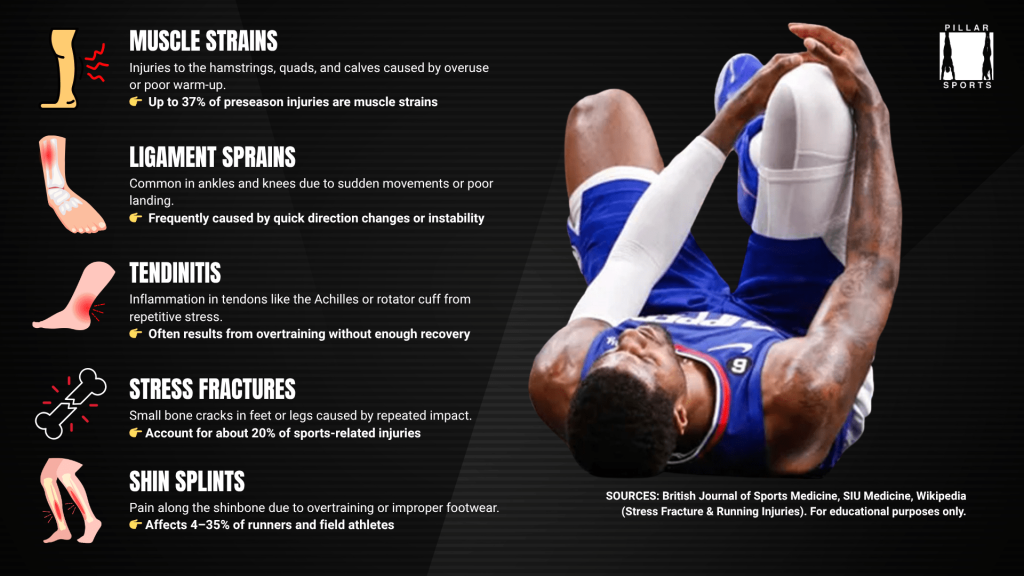
Imagine stepping onto the field, court, or track with confidence, knowing you’ve done everything possible to safeguard your body. As an athlete, your body is your most valuable asset, and protecting it from injuries is crucial.
So, how can you ensure you’re not sidelined by preventable mishaps? You’ll discover effective strategies to keep you performing at your best, without the interruptions of injuries. We will delve into practical tips and expert advice that will empower you to take charge of your well-being.
Ready to unlock the secrets to staying fit and injury-free? Let’s dive in and explore the proactive steps you can take to maintain your athletic edge.

Credit: www.facebook.com
Warm-up Techniques
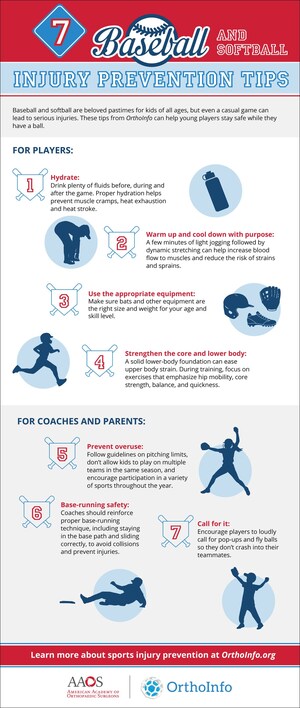
Warm-up techniques are essential for athletes to prevent injuries. They prepare the body for physical activity, increasing flexibility and circulation. A proper warm-up reduces muscle stiffness and boosts performance. Incorporating varied techniques ensures a comprehensive preparation. Let’s explore some effective warm-up methods.
Dynamic Stretching
Dynamic stretching involves active movements that stretch muscles. These movements mimic the activity to follow. They help increase heart rate and blood flow. Examples include arm circles, leg swings, and torso twists. Each movement should be controlled and not rushed. This helps muscles stretch safely without straining.
Sport-specific Drills
Sport-specific drills focus on movements related to the sport. These drills help athletes mentally and physically prepare. For a runner, short sprints or high knees might be used. Basketball players might practice dribbling drills. Soccer players could perform passing exercises. These drills help sharpen skills while warming up. They’re crucial for an effective warm-up routine.
Credit: www.prnewswire.com
Strength Training
Athletes can prevent injuries with strength training by improving muscle stability and flexibility. Regular exercises enhance joint support, reducing the risk of strains and sprains. Consistent strength workouts build resilience, allowing athletes to perform safely and efficiently.
Strength training is a powerful tool in an athlete’s injury prevention toolkit. Building stronger muscles can help stabilize joints and prevent the mishaps that lead to injuries. It’s not just about lifting heavy weights; it’s about targeted exercises that improve overall body strength and functionality. Have you ever wondered how professional athletes maintain their peak condition? The answer often lies in a well-structured strength training program.
Core Stability
Developing core stability is essential for all athletes. Your core muscles are the foundation for movement, providing support for your entire body. A strong core helps maintain balance and enhances your coordination, reducing the risk of falls and awkward movements that can lead to injury. You can improve core stability with exercises like planks, bridges, and medicine ball throws. These exercises engage your abdominal muscles, obliques, and lower back, creating a stable base for athletic movements. It’s amazing how a few minutes dedicated to core exercises daily can enhance your performance and keep injuries at bay.
Resistance Exercises
Incorporating resistance exercises into your routine is crucial for building muscle strength and endurance. These exercises use weights, resistance bands, or your own body weight to create tension, which helps in muscle growth and strengthening. Squats, lunges, and push-ups are excellent examples of resistance exercises that target multiple muscle groups. By consistently performing these exercises, you’ll notice a significant improvement in your muscle tone and strength. Think about the times you’ve seen athletes perform seemingly superhuman feats. Their secret often lies in their disciplined approach to resistance training. Are you ready to see how much stronger you can become?
Proper Nutrition
Proper nutrition is vital for athletes to strengthen muscles and improve recovery. Balanced diets can reduce injury risks and enhance performance. Essential nutrients support joint health, which can help in preventing strains and sprains.
Proper nutrition plays a crucial role in preventing injuries for athletes. It ensures the body gets the essential nutrients to function optimally. Eating the right foods helps in muscle recovery and enhances performance. This section explores key aspects of proper nutrition.
Balanced Diet
A balanced diet is fundamental for athletes. It provides energy and supports muscle growth. Include a variety of foods in your meals. Focus on fruits, vegetables, lean proteins, and whole grains. These foods deliver vitamins and minerals. They are necessary for overall health and injury prevention.
Hydration Importance
Hydration is vital for every athlete. Water helps regulate body temperature and lubricates joints. Proper hydration reduces the risk of cramps and strains. Athletes should drink water before, during, and after exercise. This keeps the body hydrated and ready for peak performance.
Rest And Recovery
Adequate rest and recovery are vital for athletes to prevent injuries. Muscles heal and grow stronger during rest periods. Regular breaks and proper sleep support the body’s natural repair processes, reducing the risk of overuse injuries.
Rest and recovery are vital for athletes. They help prevent injuries and enhance performance. Proper rest allows the body to heal and regenerate. Recovery methods can differ, but they all aim to restore energy and repair muscles. Let’s explore some effective strategies.
Sleep Quality
Quality sleep is crucial. It helps muscles recover and reduces injury risk. Athletes should aim for 7-9 hours of sleep each night. A consistent sleep schedule aids in better recovery. A dark, quiet room can improve sleep quality. Avoid screens before bedtime to enhance rest.
Active Recovery Methods
Active recovery involves gentle exercises. It helps maintain blood flow and muscle flexibility. Activities like walking or cycling are great choices. Yoga can also aid in muscle relaxation. Active recovery reduces soreness and speeds up healing. It keeps the body moving without intense stress.
Injury Prevention Gear
Athletes can prevent injuries by using proper gear like helmets, pads, and supportive footwear. Regular stretching and strength exercises also help in reducing injury risks. Staying hydrated and maintaining a balanced diet further supports overall physical health and resilience.
Injury prevention gear plays a crucial role in an athlete’s life. It helps reduce the risk of injuries during training and competition. Choosing the right gear can make a significant difference in performance and safety. Understanding what gear to use and why is essential for every athlete.
Supportive Footwear
Supportive footwear is vital for athletes. The right shoes provide stability and comfort. They can prevent common injuries like sprains and strains. Shoes must fit well and suit the sport. Running shoes differ from basketball shoes in design. Arch support is important to avoid foot pain. Cushioning protects the feet from impact. Durability ensures the shoes last through intense training. Regularly checking and replacing worn-out shoes is necessary. Worn shoes lose support and increase injury risk.
Protective Equipment
Protective equipment safeguards athletes from harm. Helmets, pads, and guards are common types. Helmets protect the head in contact sports. Knee and elbow pads cushion joints during falls. Mouthguards shield teeth and reduce jaw injuries. Shin guards are essential for sports like soccer. They protect against kicks and collisions. Choosing the right size and fit is crucial. Ill-fitting gear can be uncomfortable and ineffective. Regular inspection and maintenance of equipment ensure safety. Damaged gear should be replaced promptly.
Mind-body Connection
The mind-body connection is a powerful tool for athletes aiming to prevent injuries. By understanding and nurturing this connection, athletes can enhance their performance and reduce the risk of injury. It’s about recognizing how your mental state can affect your physical performance and vice versa.
Mental Conditioning
Mental conditioning is as crucial as physical training for athletes. It involves preparing your mind to face challenges and maintain focus. Visualization techniques can help you see success before it happens, boosting confidence and readiness.
Consider how a basketball player might mentally rehearse hitting a free throw. This mental practice can improve muscle memory and execution during the actual game. By training your mind, you create a mental blueprint that guides your body, reducing hesitation and the likelihood of injury.
Stress Management
Stress can negatively impact your physical performance and increase injury risk. High stress levels can lead to muscle tension, poor decision-making, and fatigue. Learning to manage stress is essential for maintaining peak performance.
Implementing relaxation techniques like deep breathing or meditation can help you stay calm and focused. Imagine how a swimmer might use breathing exercises to calm pre-race jitters. This not only enhances performance but also minimizes the risk of stress-related injuries.
Are you taking the time to tune into your mental state before each training session? Recognizing and addressing stress can make a significant difference. Embrace the mind-body connection to keep your body strong and injury-free.
Listening To Your Body
Listening to your body is crucial for athletes to prevent injuries. Recognizing early signs of fatigue or discomfort helps in timely rest and recovery. Regular self-assessment fosters understanding of physical limits and supports safer training routines.
Listening to your body is crucial for athletes aiming to prevent injuries. Your body often sends signals when something is not right. Ignoring these signals can lead to severe injuries and long recovery times. Athletes should learn to recognize these cues and act accordingly. This approach not only helps in maintaining peak performance but also ensures long-term health and fitness.
Recognizing Pain Signals
Pain is the body’s way of communicating distress. Athletes should pay attention to any unusual pain. It could be sharp, dull, or persistent. Frequent pain after workouts can indicate overuse or improper technique. Swelling or stiffness can also be warning signs. These signals should not be ignored. Early recognition can help prevent serious injuries.
Adjusting Training Intensity
Training intensity plays a key role in injury prevention. Athletes should balance hard and light sessions. Overtraining can strain muscles and joints. Listen to your body’s fatigue levels. If you feel unusually tired, it’s time to slow down. Gradually increase intensity to avoid sudden stress on the body. Proper rest and recovery are essential. This helps maintain performance and prevent burnout.

Credit: betterlifephysicaltherapy.com
Regular Health Check-ups
Regular health check-ups help athletes identify potential issues early. This proactive approach significantly reduces the risk of injuries. Regular monitoring supports optimal performance and long-term health.
Regular health check-ups are an essential component in an athlete’s life, playing a pivotal role in injury prevention. Consistent monitoring of your health allows you to catch potential issues before they become major problems. This proactive approach not only enhances your performance but also ensures longevity in your athletic career.
Physical Assessments
Regular physical assessments can be your first line of defense against injuries. By evaluating your body’s current condition, you can identify areas that need improvement or adjustment. For instance, if a physical assessment shows limited range of motion in your shoulder, you can start targeted exercises to enhance flexibility. Consider how often you push your body to its limits. These assessments are like a tune-up for your body, ensuring everything is functioning optimally. They can also help your coaches tailor training programs that align with your current physical state, minimizing strain and maximizing effectiveness.
Preventive Screenings
Preventive screenings are more than just routine check-ups; they are strategic evaluations designed to foresee and mitigate risks. These screenings can detect weaknesses in joints or muscle imbalances that might lead to injuries down the line. Imagine the peace of mind knowing you’re addressing issues before they manifest as injuries. Whether it’s a blood test to check for deficiencies or an MRI to ensure structural integrity, these screenings provide a comprehensive view of your health. Have you ever wondered if you’re truly aware of all your body’s needs? Preventive screenings empower you with knowledge, allowing you to make informed decisions about your training and recovery strategies.
Frequently Asked Questions
What Exercises Help Prevent Injuries In Athletes?
Athletes can prevent injuries by focusing on strengthening exercises and flexibility routines. Core stability, balance, and agility workouts are crucial. Incorporating dynamic stretching before activities and static stretching post-exercise aids in injury prevention. Regularly practicing these exercises enhances muscle strength and joint flexibility, reducing the risk of strains and sprains.
How Important Is Rest For Injury Prevention?
Rest is vital for injury prevention as it allows the body to recover and repair. Adequate sleep and rest days help muscles rejuvenate, reducing fatigue-related injuries. Overtraining can lead to stress injuries, so balancing exercise with rest is crucial. Listen to your body and prioritize recovery for optimal performance.
What Role Does Nutrition Play In Injury Prevention?
Nutrition plays a significant role in injury prevention by supporting muscle recovery and bone health. A balanced diet rich in proteins, vitamins, and minerals strengthens the body. Hydration is essential for maintaining joint lubrication. Consuming anti-inflammatory foods can aid in reducing muscle soreness and promote overall well-being.
How Can Athletes Improve Flexibility To Avoid Injuries?
Improving flexibility can be achieved through regular stretching and yoga. Focus on dynamic stretches before activities and static stretches afterward. Flexibility enhances muscle function and joint movement, reducing the risk of strains. Incorporate pilates and resistance band exercises to maintain optimal flexibility and prevent injuries.
Conclusion
Athletes can stay safe with careful planning. Consistent training helps build strength. Stretching keeps muscles flexible. Listen to your body’s signals. Rest is crucial for recovery. Choose good equipment for support. Hydration aids muscle function. Nutrition fuels performance. Consult professionals for guidance.
Injury prevention requires dedication and awareness. Small actions make a big difference. Stay focused on health and safety. Celebrate progress and learn from challenges. Prioritize well-being above all. Embrace a proactive approach. Keep moving forward with confidence.