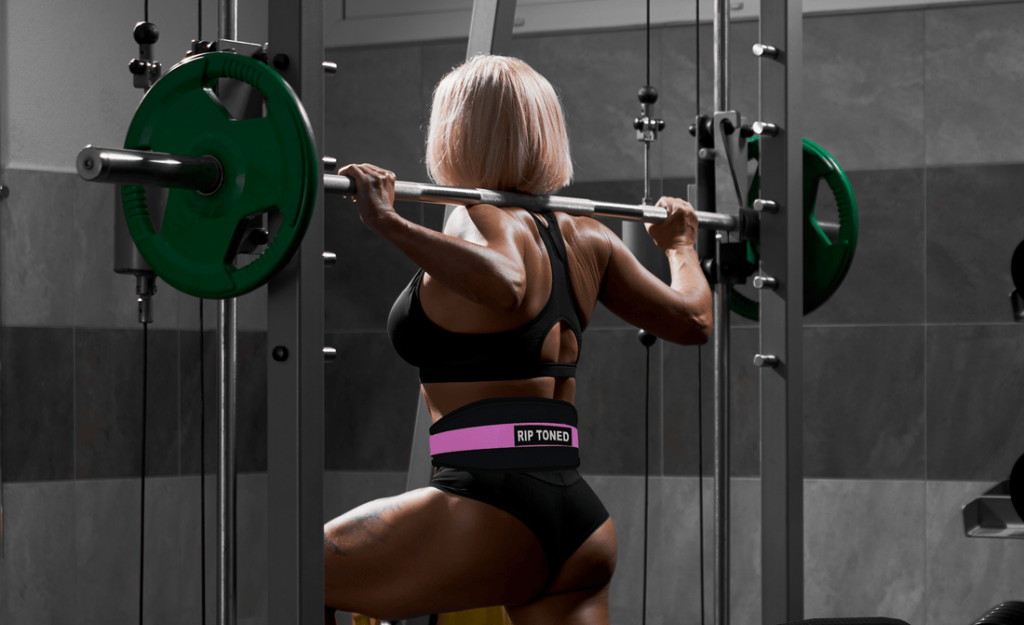
Imagine you’re at the gym, ready to push your limits with the weights. You want to lift more, push harder, and achieve your goals.
But then comes the question: Is your back safe? You’ve probably seen many lifters strap on a weightlifting belt before hitting the squat rack or deadlifting, and you might be wondering if you should too. Does it really help prevent injury, or is it just another piece of gear that looks cool?
Understanding the truth about weightlifting belts could be the key to enhancing your performance while safeguarding your body. Let’s delve into whether this popular gym accessory is a must-have for your workout routine or just another fitness myth. Your journey to safer lifting starts here.

Credit: gunsmithfitness.com
Benefits Of A Weightlifting Belt
A weightlifting belt offers support to the lower back and core during heavy lifts. It stabilizes the spine, reducing the risk of injury by maintaining proper form. Enhanced abdominal pressure from the belt also aids in lifting heavier weights safely.
The benefits of using a weightlifting belt are numerous for gym enthusiasts. These belts provide a layer of support that can enhance your workouts. They help in maintaining proper form and reducing the risk of injury. Let’s delve into the specific advantages that weightlifting belts offer.Core Stabilization
A weightlifting belt aids in stabilizing your core during heavy lifts. It acts as a brace that supports your lower back and abdominal muscles. This support can prevent excessive strain on your spine. Maintaining a stable core is crucial for safe lifting and improved posture. With a stable core, lifters can perform complex exercises more effectively.Increased Intra-abdominal Pressure
Weightlifting belts help increase intra-abdominal pressure. This pressure supports your spine and reduces the risk of injury. The belt compresses your midsection, creating a solid foundation for heavy lifts. As a result, lifters can handle more weight confidently. This increased pressure also helps prevent lower back injuries.Enhanced Performance
Weightlifting belts can enhance overall performance in the gym. They allow lifters to push their limits safely. Wearing a belt can lead to better lifts and personal records. It provides support and confidence during challenging exercises. Many athletes find that belts help them lift heavier weights with improved form.Types Of Weightlifting Belts
Weightlifting belts come in various types, each tailored to specific lifting disciplines and personal preferences. Choosing the right belt can significantly impact your performance and safety, but how do you know which one suits your needs? Let’s delve into the different types and their unique features.
Powerlifting Belts
Powerlifting belts are designed for maximum support and stability. They are typically thicker and wider, providing a solid base for heavy lifts like squats and deadlifts. Many lifters swear by the rigid leather construction that offers unparalleled back and abdominal support.
Imagine reaching your personal best in deadlifts with the confidence that your core is fully supported. These belts often come with a buckle or lever closure, ensuring a snug fit that won’t slip during a lift.
Olympic Lifting Belts
Olympic lifting belts are more flexible compared to powerlifting belts, allowing for greater mobility. They are usually tapered, with a narrower front for comfortable movement during dynamic lifts like snatches and clean-and-jerks.
Have you ever felt restricted during a snatch? The design of Olympic belts accommodates the explosive movements required in these lifts, while still providing necessary support to prevent injury.
Velcro Belts
Velcro belts offer convenience and adjustability, making them popular among casual gym-goers and CrossFit enthusiasts. They are lighter and easier to adjust, perfect for switching between different exercises quickly.
Think about the ease of adjusting your belt between sets without fumbling with buckles. Although they provide less support than leather belts, their comfort and quick-release feature make them a versatile option for many lifters.
What type of weightlifting belt resonates with your workout style? Understanding the nuances of each can help you make an informed decision that enhances your lifting experience while keeping safety in focus.
Proper Usage Techniques
Using a weightlifting belt can enhance your lifting performance and reduce injury risk. Understanding proper usage techniques is crucial for maximizing its benefits. Learning how to position and tighten the belt correctly ensures effective support. Knowing when to wear the belt during your workout is also essential.
Correct Positioning
The belt should cover your lower back and abdomen evenly. Position it around your waist, below your ribs and above your hips. This placement helps stabilize your core during heavy lifts. Ensure it doesn’t ride up or slide down while you move.
Tightening Guidelines
Fasten the belt snugly, but not too tight. You should feel pressure when you inhale deeply. If it restricts your breathing or is uncomfortable, loosen it slightly. A well-tightened belt supports your spine without cutting off circulation.
When To Wear
Use the belt during heavy compound lifts like squats or deadlifts. It’s helpful when lifting near your maximum capacity. Avoid wearing it for every exercise to maintain natural core strength development. Save it for challenging sets where extra support is necessary.

Credit: www.gymreapers.com
Expert Opinions
Weightlifting belts provide extra support to the lower back during heavy lifts. Experts suggest they can reduce the risk of injury by stabilizing the spine. Proper use and technique are essential for maximum benefit.
When it comes to the use of weightlifting belts, opinions vary widely among experts. Some swear by their protective benefits, while others argue they offer little more than a false sense of security. To get a clearer picture, let’s dive into what personal trainers, athletes, and medical professionals have to say about these fitness accessories.Insights From Personal Trainers
Personal trainers often emphasize the psychological boost a belt can provide. Wearing a belt might give you the confidence to lift heavier weights, thereby enhancing your performance. However, trainers also caution that relying too heavily on a belt can weaken your core. Are you using the belt as a crutch or a tool? They suggest using it strategically, rather than as a regular go-to.Athlete Experiences
Many athletes share stories of how belts have helped them lift heavier, more confidently. One Olympic lifter recounted how a belt enabled her to break a personal record while feeling secure. Yet, some athletes express concerns about becoming overly dependent on belts. They worry that constant use might hinder their ability to lift safely without one. It’s a balancing act between support and self-sufficiency.Medical Professional Views
Doctors and physiotherapists often approach the topic from a preventative standpoint. Some highlight that belts can reduce the risk of lower back injuries by providing added support during heavy lifts. However, they also stress the importance of proper form and core strength. A belt is not a substitute for good technique. Are you using the belt to mask underlying issues? They advise addressing any form or strength deficiencies first and foremost. By considering these expert opinions, you can make a more informed decision on whether a weightlifting belt is right for you. How will you balance the benefits and potential drawbacks?Common Misconceptions
Weightlifting belts are often seen as essential gear in the gym, but there are many misconceptions surrounding their use. These misunderstandings can lead to improper usage and even increased risk of injury. Understanding these common misconceptions is crucial in making informed decisions about whether or not to use a weightlifting belt.
Belts As A Substitute For Technique
Some lifters believe that a weightlifting belt can compensate for poor lifting technique. This is a dangerous misconception. A belt cannot correct bad form or replace the foundational skills required for safe lifting. In fact, relying solely on a belt may prevent you from developing the core strength and stability necessary for proper technique. Think about your own lifting practices—are you using the belt as a crutch?
Universal Necessity For All Lifters
The idea that every lifter needs a belt is widespread but misguided. Not all lifting activities require the use of a belt. For lighter weights or exercises that don’t significantly strain the lower back, belts may be unnecessary. If you’re a beginner, focus on mastering basic techniques before considering additional equipment. Are you prematurely reaching for a belt without fully understanding its purpose?
Guaranteed Injury Prevention
Another misconception is that belts guarantee injury prevention. While they provide support and can help stabilize the spine, they are not foolproof. Injuries can still occur if you lift beyond your limits or neglect proper technique. A belt should be part of a broader strategy for injury prevention that includes strength training, flexibility exercises, and proper form. Ask yourself, are you relying too much on equipment for safety?
Alternatives To Weightlifting Belts
Exploring alternatives to weightlifting belts, many athletes focus on strengthening core muscles. This can enhance stability and prevent injury effectively. Other options include using resistance bands or practicing proper lifting techniques to support the back and reduce strain.
Alternatives to weightlifting belts can be a game-changer for those who seek safety without relying solely on external support. Whether you’re a seasoned lifter or a beginner, understanding your options can help you make informed choices. Let’s dive into some effective alternatives that can enhance your lifting experience while keeping injury risks at bay.Core Strengthening Exercises
Building a strong core is like having a natural weightlifting belt. Exercises like planks, dead bugs, and Russian twists are great for engaging your core muscles. They not only improve stability but also support your spine during heavy lifts. Engage in core workouts at least twice a week to see noticeable improvements. You’ll not only lift better but also enhance your overall athletic performance. Remember, a strong core benefits you beyond the gym. Everyday activities become easier and more comfortable.Proper Form And Technique
Mastering proper form and technique is crucial. It reduces the likelihood of injury and ensures you get the most out of each lift. Always start with lighter weights to perfect your technique. Once you’re confident, gradually increase the load. Consider working with a coach or trainer who can provide personalized feedback. This investment pays off in safer and more effective workouts.Supportive Gear Options
Other supportive gear can complement your lifting routine. Knee sleeves, wrist wraps, and lifting shoes offer additional stability and support. Knee sleeves can keep your joints warm and supported, reducing strain. Wrist wraps stabilize your wrists during heavy presses. Lifting shoes provide a solid base and improve your posture. Choose gear that aligns with your specific needs and goals. By exploring these alternatives, you can optimize your lifting routine. Which of these strategies will you try next to boost your performance?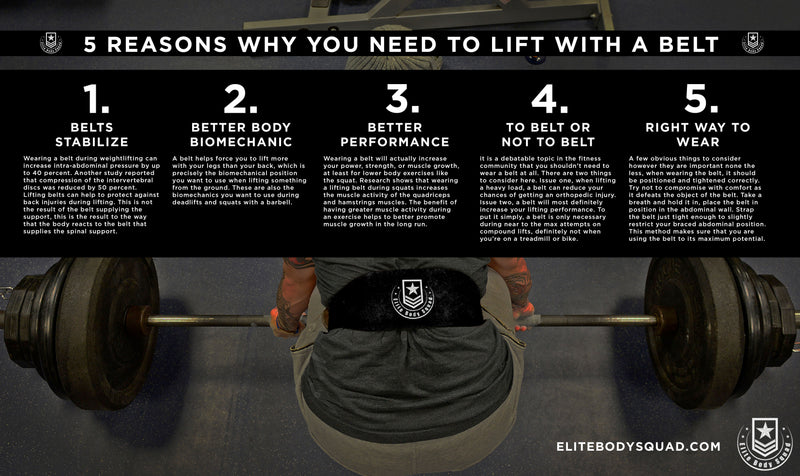
Credit: www.elitebodysquad.com
Frequently Asked Questions
How Does A Weightlifting Belt Work?
A weightlifting belt provides abdominal pressure and spinal support. It helps stabilize the core during heavy lifts. This reduces strain on the lower back. It also encourages proper lifting form, minimizing the risk of injury. Proper usage is essential to reap these benefits.
Can Wearing A Belt Improve Lifting Performance?
Yes, wearing a belt can enhance lifting performance. It helps increase intra-abdominal pressure, leading to better stability. This allows lifters to handle heavier weights safely. Enhanced stability and support improve overall lifting efficiency. However, reliance on a belt should not replace proper technique.
Are Weightlifting Belts Safe For Beginners?
Weightlifting belts can be safe for beginners if used correctly. They should focus on learning proper form first. A belt can aid in maintaining stability during heavier lifts. Beginners should use belts as a supplementary tool, not a crutch. Proper guidance is recommended for effective and safe use.
When Should You Use A Weightlifting Belt?
Use a weightlifting belt during heavy compound lifts. These include squats, deadlifts, and overhead presses. It’s beneficial when lifting near maximum capacity. Avoid using it for lighter weights or exercises not needing core stabilization. Proper form should be prioritized over dependency on a belt.
Conclusion
A weightlifting belt can offer support during heavy lifts. It helps stabilize the spine. This reduces the risk of injury. But it’s not a magic fix. Proper form and technique are crucial. Some lifters rely too much on belts. This can lead to weak core muscles.
Use the belt wisely. Focus on building strength naturally. Listen to your body. Stay safe and smart in your workouts. Always prioritize technique over heavy weights. This ensures long-term health and progress.