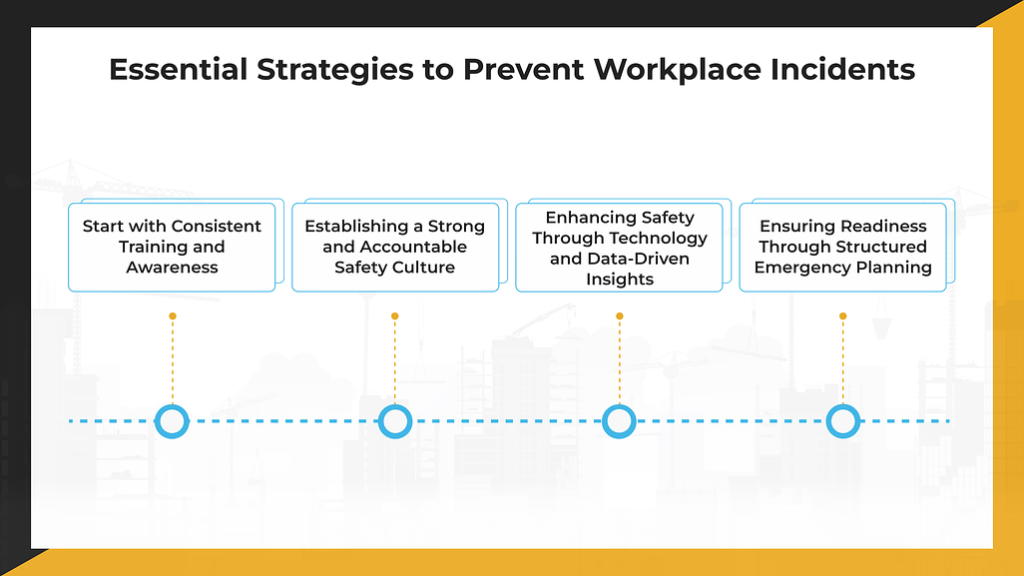
Imagine arriving at work, ready to tackle the day’s tasks, only to find yourself sidelined by an unexpected injury. It’s a scenario no one wants to face, yet workplace injuries are more common than you might think.
But what if you had the power to prevent them? The good news is, you do. By understanding the simple steps you can take to create a safer work environment, you can protect yourself and your coworkers from unnecessary harm.
You’ll discover practical strategies to prevent workplace injuries, ensuring that you and your team remain healthy and productive. Don’t let an avoidable accident disrupt your life or career. Keep reading to learn how you can make your workplace safer for everyone.
Identifying Common Workplace Hazards
Understanding potential hazards at work helps in preventing injuries. Regular safety training and inspections minimize risks.
Identifying common workplace hazards is crucial for creating a safe and productive environment. Hazards can come in many forms, often hidden in plain sight. By understanding what these hazards are, you can take proactive steps to mitigate them and keep everyone safe.
Physical Hazards
Physical hazards are perhaps the most obvious. They include things like slippery floors, exposed wires, or heavy machinery. Think about the last time you tripped over a misplaced box in the office. Such incidents are preventable with proper organization and maintenance.
Chemical Hazards
Chemical hazards are not just confined to industrial settings. Everyday office items like cleaning supplies can pose risks if misused. Have you ever noticed the strong smell of bleach in the break room? Ensuring proper storage and usage can prevent harmful exposure.
Biological Hazards
Biological hazards often go unnoticed. They can include mold, bacteria, or viruses. Remember the flu season when half the office was out sick? Regular cleaning and promoting good hygiene can minimize these risks.
Ergonomic Risks
Ergonomic risks are more subtle but equally damaging. Poor posture, repetitive motions, and uncomfortable workstations can lead to chronic issues. Have you ever felt the strain in your neck after hours at your desk? Investing in ergonomic furniture and encouraging breaks can greatly enhance comfort and productivity. Identifying these hazards is the first step in prevention. What changes can you implement today to make your workplace safer?

Credit: www.facebook.com
Implementing Safety Training Programs
Implementing safety training programs can reduce workplace injuries effectively. Clear guidelines and regular practice help employees understand risks. Enhanced awareness leads to safer environments and fewer accidents.
Implementing Safety Training Programs is essential in creating a secure and productive work environment. These programs not only educate employees about potential hazards but also empower them with the knowledge to avoid accidents. A well-structured safety training program can significantly reduce workplace injuries and boost morale.
Employee Safety Workshops
Employee Safety Workshops play a crucial role in preventing workplace injuries. They provide hands-on experience and real-life scenarios that help employees understand safety protocols. Workshops encourage active participation, making learning more engaging and memorable. Consider inviting experts from the industry to share insights and experiences. This can provide your team with a fresh perspective on safety practices. Additionally, workshops create an open platform for employees to discuss concerns and suggestions.
Regular Safety Drills
Regular Safety Drills are vital in ensuring everyone knows what to do in an emergency. These drills help reinforce the safety procedures that have been taught. They also identify any gaps in the current safety plan. Schedule these drills at different times to ensure readiness at all hours. This unpredictability prepares employees for various situations. After each drill, gather feedback to continuously improve the process.
Use Of Safety Equipment
Proper Use of Safety Equipment is non-negotiable in preventing injuries. Ensure that all employees are trained on the correct use of safety gear. This includes helmets, gloves, goggles, and any other necessary equipment specific to your industry. Regularly inspect safety equipment to ensure it is in good working condition. Replace any damaged or outdated items immediately. Encourage employees to report any equipment issues without fear of repercussions, fostering a culture of safety.
Promoting A Safety-first Culture
Promoting a safety-first culture helps prevent workplace injuries through regular training and clear communication. Ensuring proper equipment use and maintaining clean workspaces are crucial. Encouraging employees to report hazards promptly can significantly reduce risks and foster a safer environment for everyone.
Promoting a Safety-First Culture Creating a safety-first culture in the workplace isn’t just about following rules; it’s about embedding safety into every aspect of your work environment. This culture empowers employees to prioritize their well-being and that of their colleagues. When everyone feels responsible for safety, the whole workplace benefits.
Encouraging Open Communication
Open communication is the backbone of a safety-first culture. When employees feel comfortable speaking up, potential hazards can be identified and addressed before they cause harm. Consider this: Have you ever hesitated to report a minor issue, thinking it wasn’t significant enough? Encouraging open dialogue ensures that even the smallest concerns are shared and resolved.
Rewarding Safe Practices
Recognizing and rewarding safe practices can significantly boost morale and commitment. When employees see their efforts acknowledged, it reinforces the importance of safety. Imagine a system where safe behaviors are celebrated with small rewards or public recognition. It motivates everyone to follow suit, fostering an environment where safety is a shared value.
Leadership Commitment
Leadership commitment is crucial in setting the tone for a safety-first culture. When leaders actively demonstrate their dedication to safety, it inspires the entire team to do the same. Consider how leaders can regularly participate in safety meetings or conduct walk-throughs to show their involvement. Such visible actions signal to employees that safety is a top priority, not just a checkbox on a list.

Credit: www.facebook.com
Utilizing Technology For Safety
In today’s fast-paced work environment, technology is a powerful tool in preventing workplace injuries. By integrating innovative solutions into daily operations, companies can enhance safety protocols and protect their employees more effectively. Let’s explore some cutting-edge technologies that are making workplaces safer and more efficient.
Safety Monitoring Systems
Safety monitoring systems are revolutionizing how workplaces ensure safety. These systems use sensors and cameras to continuously track potential hazards in real-time. Imagine knowing instantly if a machine is overheating or if a spill has occurred in a high-traffic area.
With alerts sent directly to your device, you can address issues before they escalate. This proactive approach not only prevents injuries but also fosters a culture of safety. How much more efficient could your workplace be with such systems in place?
Wearable Safety Devices
Wearable safety devices are another game-changer in workplace safety. These gadgets, like smart helmets and vests, monitor vital signs and environmental conditions. They provide real-time feedback to both the wearer and supervisors.
A construction worker, for instance, can be alerted if their body temperature rises, indicating the risk of heatstroke. By wearing these devices, employees are empowered to take charge of their own safety. Wouldn’t you feel more secure knowing your team has access to such technology?
Data-driven Safety Insights
Data-driven safety insights offer a strategic advantage in injury prevention. By analyzing data collected from various sources, companies can identify patterns and predict potential risks. This information is invaluable for developing targeted safety training and protocols.
Consider a factory that discovers a recurring slip hazard through data analysis. With this insight, they can implement specific measures to address the issue, reducing incidents significantly. How might data-driven insights transform your safety strategy?
Utilizing technology for safety is not just about adopting the latest gadgets; it’s about creating a safer, smarter workplace. By embracing these innovations, you’re not only protecting your workforce but also enhancing overall productivity and morale. What steps will you take to integrate technology into your safety practices?
Regular Maintenance And Inspections
Conducting regular maintenance and inspections helps in identifying potential hazards early. This proactive approach minimizes risks, ensuring a safer workplace. Employees can work confidently, knowing safety measures are consistently upheld.
Regular maintenance and inspections are the backbone of a safe workplace. By keeping equipment and facilities in top condition, you minimize the risk of accidents and injuries. It’s not just about ticking boxes; it’s about creating a culture of safety and accountability.
Equipment Checks
Ensuring equipment is in good working order can prevent many accidents. Regular checks can identify wear and tear before it becomes hazardous. Encourage employees to report any irregularities immediately. Create a checklist for each piece of equipment. This can include checking for loose parts, ensuring safety guards are in place, and verifying that the equipment operates smoothly. Consistent checks can save lives and reduce downtime.
Facility Inspections
Facility inspections are crucial for spotting potential hazards. Conduct walkthroughs to assess areas like walkways, storage rooms, and emergency exits. Look for clutter, spills, or any obstructions. Engage your team in these inspections. They might notice things you miss. Regular inspections can also boost morale, showing employees their safety is a priority.
Updating Safety Protocols
Safety protocols must evolve with your workplace. As new equipment or processes are introduced, update your protocols accordingly. Regularly review these guidelines to ensure they’re relevant and effective. Host regular training sessions to keep everyone informed about new safety measures. Encourage feedback from your team to identify areas for improvement. By keeping protocols fresh, you foster a proactive safety culture.

Credit: www.cochranlaw.com
Emergency Response Preparedness
Emergency response preparedness is a critical component in preventing workplace injuries. Imagine an unexpected situation—fire, medical emergency, or a chemical spill. Your response can make a significant difference. Being prepared not only saves lives but also minimizes damage. Let’s dive into key elements that contribute to effective emergency response.
Emergency Action Plans
An emergency action plan is your blueprint in chaos. It outlines specific procedures for various emergencies. Clearly marked exits, assembly areas, and communication lines are vital. Keep the plan simple and easy to understand. Regular drills ensure everyone knows their role. Have you reviewed your workplace’s plan recently?
First Aid Training
First aid training empowers employees to act swiftly. Basic skills like CPR and wound care can be lifesaving. Consider organizing regular training sessions for your team. It builds confidence and readiness. Even if it’s a small injury, immediate care can prevent complications. Are you trained to handle a workplace emergency?
Crisis Management Teams
Designate a crisis management team to lead during emergencies. These individuals should be well-trained and ready to coordinate actions. Their role is crucial in maintaining order and ensuring effective communication. Regular team meetings can enhance preparedness. Is there someone you trust to manage a crisis effectively?
Adapting To Changing Work Environments
Creating a safe work environment requires attention to detail and proactive measures. Regular training and proper equipment reduce the risk of accidents. Encouraging open communication about safety concerns helps prevent workplace injuries effectively.
Adapting to changing work environments is crucial for preventing workplace injuries. As work settings evolve, understanding new risks becomes vital. Organizations must adjust safety protocols to fit these changing dynamics. This ensures employee safety in diverse work situations.
Remote Work Challenges
Remote work has unique safety concerns. Employees often work in non-traditional settings, like homes. These spaces might lack ergonomic furniture. Poor posture can lead to injuries. Employers should guide workers on creating safe home offices. Offering virtual ergonomic assessments can help. Safety training videos are also useful. They teach workers about proper equipment use.
Hybrid Work Safety
Hybrid work blends office and remote settings. This mix demands flexible safety measures. In offices, ensure traditional safety protocols are followed. At home, workers need reminders of ergonomic practices. Encourage regular breaks to avoid strain. Provide resources for mental well-being. Stress can lead to accidents. A balanced approach keeps everyone safe.
Flexible Work Arrangements
Flexible work offers freedom but requires careful planning. Safety shouldn’t be compromised for flexibility. Employees should have clear guidelines for safe practices. Regular communication is key. Share updates on safety protocols. Encourage reporting of safety concerns promptly. Use technology to monitor safety compliance. This helps maintain a secure work environment.
Frequently Asked Questions
What Are Common Causes Of Workplace Injuries?
Common causes include slips, trips, falls, and overexertion. Poor ergonomics, unsafe equipment, and inadequate training also contribute. Identifying these hazards is crucial to prevent injuries. Regular inspections and risk assessments help in maintaining a safe work environment.
How Can Employers Promote Workplace Safety?
Employers can promote safety by providing regular training and clear safety guidelines. Encouraging open communication and reporting of hazards is essential. Implementing safety protocols and ensuring proper equipment maintenance also play a significant role.
What Role Does Training Play In Injury Prevention?
Training equips employees with knowledge to handle hazards safely. It helps in understanding safety protocols and emergency procedures. Regular training ensures employees stay updated on best practices, reducing the risk of accidents.
Why Is Proper Equipment Maintenance Important?
Proper maintenance ensures equipment functions safely and efficiently. It reduces the risk of malfunctions leading to accidents. Regular inspections and timely repairs are vital in preventing workplace injuries.
Conclusion
Preventing workplace injuries is possible with careful planning. Safety should always be a priority. Regular training helps workers stay alert. Proper equipment minimizes risks. Encourage open communication among staff. Report hazards immediately. Promote a culture of safety. Everyone plays a part in injury prevention.
Implementing these strategies can reduce accidents. A safe workplace boosts productivity and morale. Don’t overlook small details; they matter. Safety is a shared responsibility. Keep safety measures updated. Continuous improvement is key. Make safety a habit, not an afterthought. Your commitment to safety protects everyone.