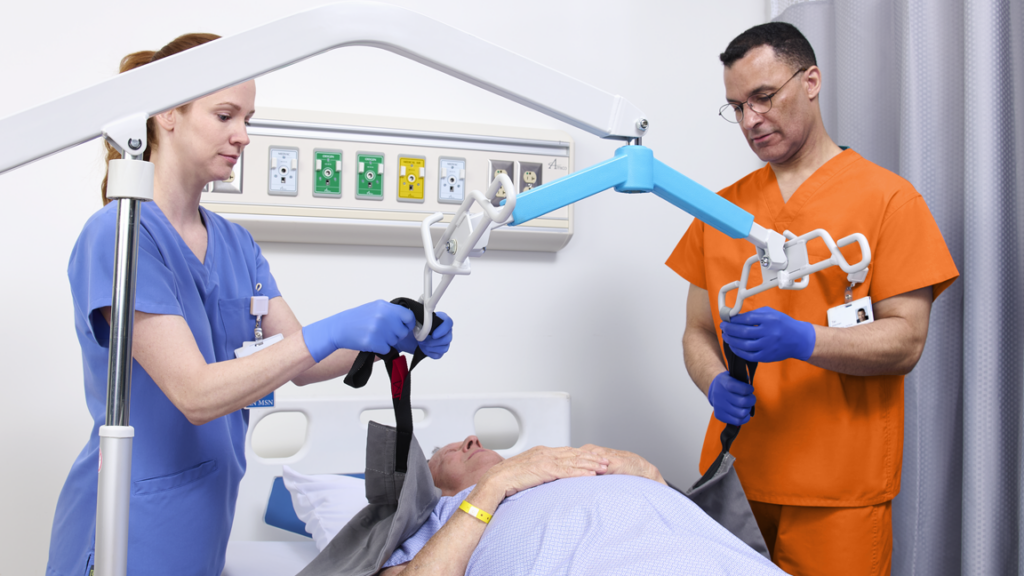
Imagine lying in a hospital bed, seeking comfort and care, only to encounter a new challenge: pressure injuries. These painful sores can develop quickly, turning your recovery into a struggle.
But what if you could help protect yourself or your loved ones from this common hospital complication? Understanding how to prevent pressure injuries is crucial for maintaining well-being during a hospital stay. This guide will reveal simple, effective strategies to ensure your skin stays healthy and your healing remains on track.
Dive in to discover how you can take proactive steps to safeguard your health and enhance your hospital experience.
Understanding Pressure Injuries
Preventing pressure injuries in hospitals involves regular patient repositioning and using supportive surfaces. Proper skin care and nutrition also play crucial roles. Staff training ensures early detection and effective management.
Understanding pressure injuries is vital in hospital care. These injuries are damage to the skin caused by prolonged pressure. They often occur on bony areas like heels, hips, and the tailbone. Recognizing the signs early can prevent serious complications.
Common Causes
Pressure injuries stem from consistent pressure on the skin. This pressure cuts off blood flow, leading to skin breakdown. Friction and shear forces also contribute. Friction happens when skin rubs against surfaces, while shear occurs when skin slides over tissues. Moisture from sweat or wounds weakens the skin, increasing the risk of injury.
At-risk Populations
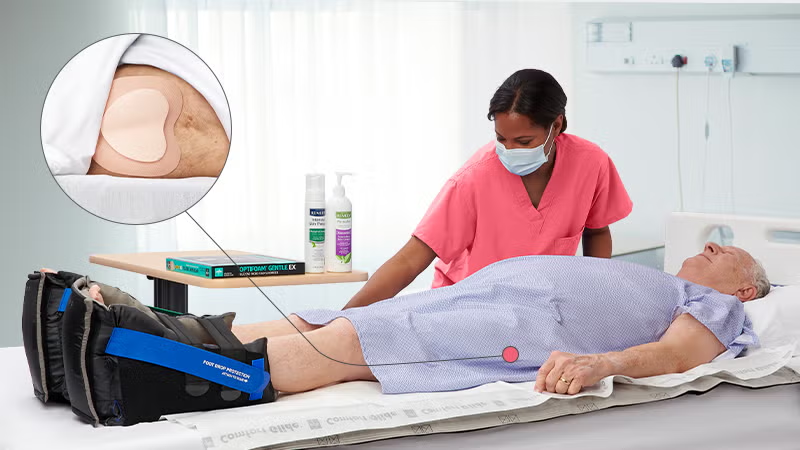
Certain groups are more vulnerable to pressure injuries. Elderly patients face higher risks due to fragile skin. Patients with limited mobility, like those in wheelchairs, are at risk. Individuals with medical conditions affecting blood flow or skin integrity are also susceptible. Those with poor nutrition may have weaker skin, leading to increased vulnerability. Identifying these populations helps in implementing targeted prevention strategies.
Credit: www.medline.com
Importance Of Prevention
Preventing pressure injuries in hospitals is vital for patient comfort and safety. Regularly repositioning patients helps reduce pressure on vulnerable areas. Proper skin care and using supportive equipment are also essential in minimizing risks.
Preventing pressure injuries in hospitals is crucial for patient care. These injuries, also known as bedsores, can lead to severe health issues. Ensuring proper prevention methods can save lives and reduce suffering. Prevention is not just a medical obligation. It’s a moral one too. It helps maintain the dignity and comfort of patients.
Health Implications
Pressure injuries can become serious health problems. They lead to infections and slow recovery. Patients may experience intense pain and discomfort. Untreated sores can cause complications. These include osteomyelitis and sepsis. It’s essential to address pressure injuries early. This reduces the risk of life-threatening conditions.
Economic Impact
Pressure injuries increase healthcare costs significantly. Treating them requires resources. This includes medical supplies and staff time. Longer hospital stays result. This increases the financial burden on healthcare systems. Preventing injuries saves money. It reduces the need for expensive treatments. It also decreases hospital readmission rates. This benefits both patients and hospitals.
Regular Patient Assessment
Regular patient assessment helps prevent pressure injuries in hospitals. Frequent checks ensure early detection and timely intervention. Monitoring skin condition and mobility reduces risk significantly.
Regular patient assessment is crucial in preventing pressure injuries in hospitals. By consistently monitoring patients, healthcare professionals can identify early signs of pressure injuries and take proactive measures to prevent them. This requires a systematic approach to evaluating each patient’s condition, focusing on factors that contribute to skin breakdown.
Skin Checks
Skin checks are an essential component of regular patient assessments. Ensuring that a patient’s skin is healthy involves careful examination for redness, swelling, or any other abnormalities. You might be surprised at how often small changes in skin condition can signal the onset of pressure injuries. During skin checks, pay particular attention to bony prominences like heels, elbows, and the sacrum. These areas are more prone to pressure injuries due to constant pressure. Frequent checks can help in catching issues early before they escalate. Have you ever noticed how quickly a simple skin irritation can progress? Regular skin checks can prevent this progression and keep patients comfortable and safe.
Risk Assessment Tools
Using risk assessment tools can greatly enhance the effectiveness of patient evaluations. These tools are designed to help identify patients at higher risk for pressure injuries, allowing for tailored prevention strategies. Tools like the Braden Scale or Norton Scale provide a structured way to assess risk factors such as mobility, nutrition, and moisture. These tools empower you to make informed decisions. They highlight specific areas of concern, directing your attention to patients who need more frequent monitoring or interventions. By integrating these tools into regular patient assessments, you can better allocate resources and prioritize care. Consider how these tools could streamline your workflow. They not only aid in prevention but also ensure that no patient is overlooked in the busy hospital environment.
Effective Positioning Techniques
Effective positioning techniques play a crucial role in preventing pressure injuries in hospitals. By ensuring patients are positioned correctly, we reduce the risk of skin breakdown and promote healing. These techniques not only enhance patient comfort but also contribute to better outcomes. Let’s explore how you can implement these strategies in a hospital setting.
Frequent Repositioning
Regularly changing a patient’s position is a key strategy to prevent pressure injuries. Aim to reposition every two hours, which helps relieve pressure from vulnerable areas like the heels and sacrum. Set reminders or use scheduling software to keep track of repositioning times.
Consider sharing stories with the nursing team about patients who showed remarkable improvement with consistent repositioning. It underscores the importance of this simple yet effective technique. Does your current routine ensure patients are repositioned regularly?
Use Of Supportive Devices
Supportive devices such as pillows, foam wedges, and specialized cushions can make a significant difference in patient comfort and safety. These tools help distribute weight evenly and minimize pressure on sensitive areas.
Experiment with different devices to find what works best for your patients. Keep a checklist of available supportive devices and train staff on their proper use. Encourage sharing experiences about which devices have helped patients most, fostering a culture of learning and improvement.
Skin Care Best Practices
Prevent pressure injuries in hospitals with regular patient repositioning and skin inspections. Ensure beds are cushioned and use moisture barriers to maintain skin health.
Ensuring optimal skin care is a crucial part of preventing pressure injuries in hospital settings. It’s essential to focus on maintaining the skin’s integrity through daily routines and specific practices. Effective skin care can dramatically reduce the risk of pressure injuries and enhance patient comfort. Here are some best practices to follow:
Moisturizing Routine
Implementing a regular moisturizing routine can significantly benefit the skin. Moisturizers should be applied gently to avoid irritation, especially around bony areas prone to pressure injuries. Use products that are designed for sensitive skin, free from alcohol and fragrances, which can cause dryness or reactions. Consider using a rich cream or ointment that locks in moisture and provides a protective barrier. Consistency is key. Apply moisturizers after bathing and before bedtime to maintain hydration. Have you ever noticed how quickly dry skin can become uncomfortable? Keeping the skin moisturized can prevent such discomfort and potential injuries.
Managing Incontinence
Managing incontinence effectively is crucial in maintaining skin health and preventing pressure injuries. Urine and feces can irritate the skin, leading to breakdown and increased risk of pressure injuries. Regularly check and change incontinence products to keep the skin dry and clean. Use gentle cleansers that do not strip the skin’s natural oils but effectively remove irritants. Consider using barrier creams to protect the skin from moisture and irritants. It’s a simple step that can make a significant difference. How often do you reassess your approach to incontinence management to ensure the best results for skin care? By focusing on these skin care practices, you can maintain healthy skin and reduce the risk of pressure injuries.
Nutrition And Hydration
Proper nutrition and hydration are vital in hospitals to prevent pressure injuries. These elements support skin health and circulation, reducing the risk of bedsores. Adequate intake of fluids and nutrients helps maintain tissue integrity, essential for healing and prevention.
Proper nutrition and hydration are crucial in preventing pressure injuries in hospitals. These elements not only support overall health but also enhance skin integrity and promote healing. When your body receives the right nutrients and fluids, it becomes more resilient, reducing the risk of developing pressure sores. Let’s dive into how a balanced diet and adequate fluid intake can make a difference.
Balanced Diet
A balanced diet is your first line of defense against pressure injuries. It provides essential vitamins and minerals that strengthen skin and tissue. Include a variety of foods in your meals:
- Proteins:Lean meats, eggs, and beans help repair skin and muscle tissue.
- Vitamins and Minerals:Fruits and vegetables are rich in antioxidants, boosting skin health.
- Healthy Fats:Nuts and avocados maintain skin elasticity.
Consider the personal story of a nurse who witnessed a patient’s recovery accelerated by a balanced diet. Have you noticed how certain foods make you feel more energetic or improve your skin’s appearance?
Adequate Fluid Intake
Hydration is equally important. Staying properly hydrated keeps your skin supple and reduces the risk of breakdown. Aim for:
- Water:Drink enough throughout the day to keep urine light-colored.
- Hydrating Foods:Include cucumbers, watermelon, and soups in your meals.
Remember the case of a patient who saw remarkable improvement in skin condition simply by increasing water intake. Could your hydration habits be affecting your skin health more than you realize? Making small adjustments in diet and fluid consumption can have a profound impact on your well-being. Are you ready to prioritize your nutrition and hydration to prevent pressure injuries?
Patient And Staff Education
Educating patients and staff on pressure injury prevention is crucial. Regularly change positions, maintain skin hygiene, and use supportive cushions. Stay informed about early signs to reduce risks effectively.
Patient and staff education plays a key role in preventing pressure injuries. Educating both parties ensures awareness and proactive measures are taken. Hospitals can reduce pressure injuries by implementing effective educational strategies.
Training Programs
Training programs equip staff with essential skills to prevent pressure injuries. These programs include workshops, seminars, and online courses. Staff learn about risk factors and prevention techniques. Regular training ensures staff stay updated with the latest practices. Interactive sessions engage staff and encourage active participation. Case studies and real-life scenarios enhance understanding and retention. Visual aids, such as charts and diagrams, simplify complex topics. Staff become confident in identifying early signs of pressure injuries.
Patient Involvement
Patient involvement is crucial in preventing pressure injuries. Educating patients empowers them to participate in their care. Patients learn the importance of repositioning and skin checks. Simple brochures or videos can be effective educational tools. Encourage patients to voice concerns about discomfort or skin changes. Family members can assist in monitoring and care. Involving patients creates a collaborative approach to prevention. Feedback from patients helps refine educational materials.
Credit: www.molnlycke.com
Utilizing Pressure-relief Devices
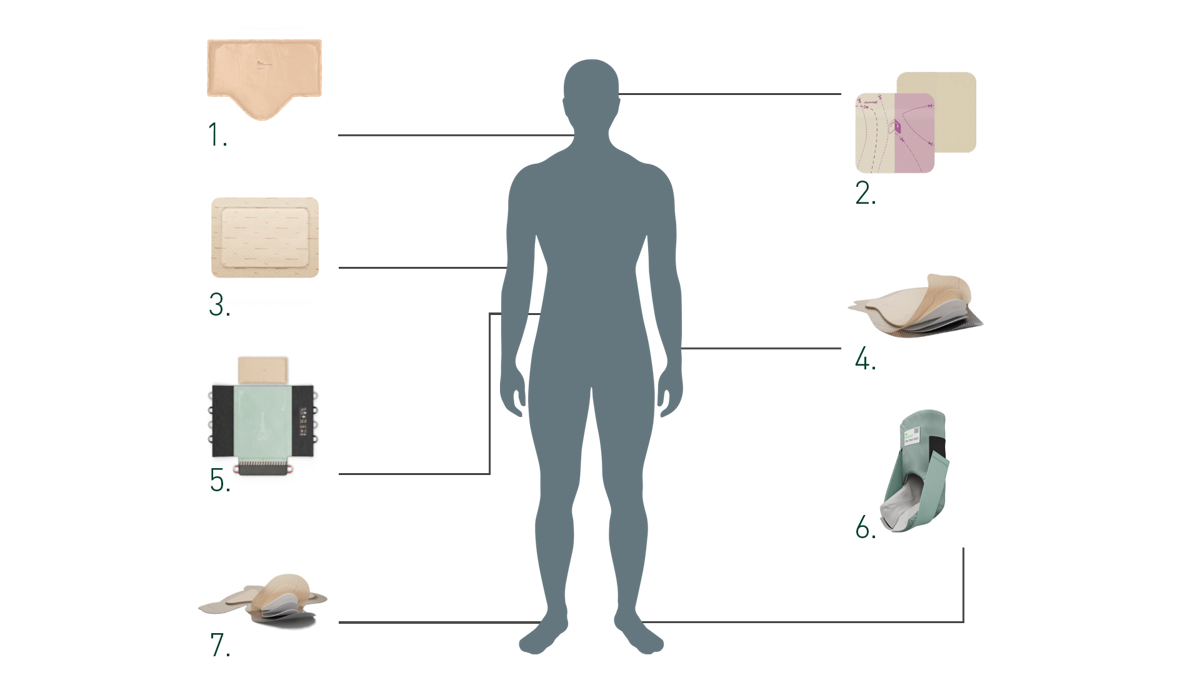
Pressure-relief devices help prevent pressure injuries in hospitals by redistributing weight and reducing stress on vulnerable areas. These tools include specialized mattresses and cushions designed to enhance patient comfort and safety during prolonged bed rest. Proper use can significantly lower the risk of developing pressure ulcers.
Preventing pressure injuries in hospitals is crucial for ensuring patient comfort and health. One effective approach is utilizing pressure-relief devices, which are designed to distribute weight evenly and minimize pressure on vulnerable areas. By integrating these devices into patient care, you can significantly reduce the risk of pressure injuries, making a notable difference in patient outcomes.
Mattresses And Cushions
Choosing the right mattresses and cushions can be a game-changer in preventing pressure injuries. High-quality foam or air mattresses offer excellent support by adapting to the patient’s body shape, reducing pressure points. Have you ever noticed how some mattresses seem to cradle you perfectly? That’s the technology at work, ensuring patients are comfortable and safe. Specially designed cushions can provide additional support for patients who spend extended periods sitting, such as in wheelchairs. Consider adding these simple yet effective tools to your arsenal to enhance patient care.
Innovative Technologies
Technology is constantly evolving, bringing new solutions to the table. Dynamic air mattresses, which automatically adjust pressure based on patient movement, are a prime example. Imagine a mattress that intuitively responds to every shift, maintaining optimal support at all times. Pressure mapping systems provide real-time data on pressure distribution, allowing caregivers to make informed adjustments. These innovations are not just futuristic concepts; they are practical tools available today. Do you see the potential in using technology to enhance patient care and prevent pressure injuries?
Monitoring And Documentation
Effective monitoring and documentation can help prevent pressure injuries in hospitals. Regularly checking patients’ skin condition and documenting changes ensures timely intervention. Staff can quickly address potential issues, reducing the risk of injuries.
Monitoring and documentation play a vital role in preventing pressure injuries in hospitals. Keeping track of a patient’s condition helps healthcare professionals provide the best care. Accurate records ensure that any changes in the patient’s skin condition are noted promptly. This proactive approach can significantly reduce the risk of pressure injuries.
Tracking Progress
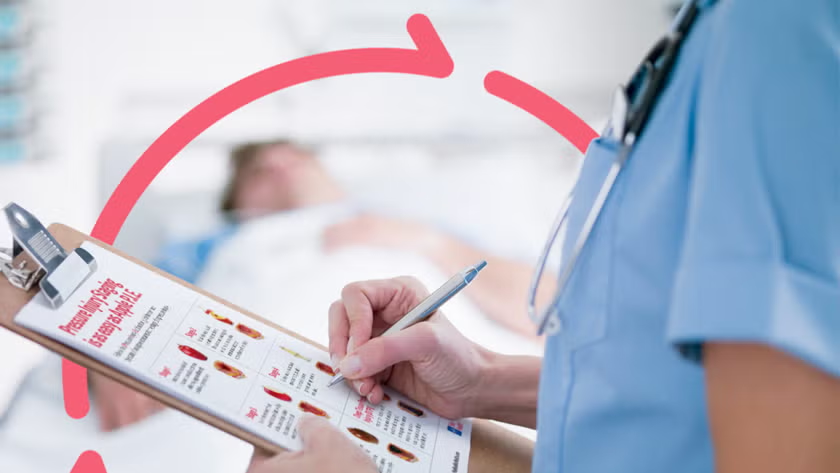
Regularly assess the patient’s skin condition. Note any redness, swelling, or damage. Document these observations in the patient’s medical records. Consistent tracking helps identify patterns or emerging issues. Use charts or digital tools to monitor the patient’s progress over time.
Reporting Systems
Implement a reliable reporting system for pressure injuries. Ensure all staff know how to report any skin changes. Use standardized forms for consistency. This system allows for quick communication among the healthcare team. Timely reporting leads to faster interventions, reducing injury risk.
Credit: www.medline.com
Frequently Asked Questions
What Causes Pressure Injuries In Hospitals?
Pressure injuries are caused by prolonged pressure on the skin, especially over bony areas. Immobility, poor nutrition, and moisture increase the risk. Hospitals need to monitor patients closely and implement preventive measures to avoid these injuries, which can significantly impact recovery and overall health.
How Can Hospitals Prevent Pressure Injuries?
Hospitals prevent pressure injuries by regularly repositioning patients and using specialized mattresses. Ensuring good nutrition and hydration is crucial. Staff education on risk factors also plays a key role in prevention. Implementing these strategies helps in reducing the incidence of pressure injuries effectively.
Why Are Pressure Injuries Dangerous?
Pressure injuries can lead to serious infections and slow recovery. They increase hospital stays and healthcare costs. Prompt identification and treatment are crucial to prevent complications. Hospitals should focus on prevention to enhance patient safety and ensure better health outcomes.
What Role Does Nutrition Play In Prevention?
Proper nutrition supports skin health and aids in recovery. It helps maintain tissue integrity and promotes healing. Hospitals should ensure patients receive adequate nutrients. This reduces the risk of pressure injuries and supports overall patient well-being.
Conclusion
Preventing pressure injuries in hospitals requires consistent care. Regular patient monitoring is crucial. Staff should prioritize skin checks and repositioning. Proper nutrition and hydration support skin health. Training ensures staff awareness and action. Patients benefit from tailored care plans. Communication between staff and patients boosts prevention efforts.
Hospitals must invest in quality mattresses and cushions. These steps help reduce pressure injuries significantly. Patients deserve safe environments and attentive care. By following these practices, hospitals protect patients effectively. Always strive for better prevention methods. Patient well-being should be the top priority.