Unlocking the secret to a more flexible body might be easier than you think. Imagine a life where your muscles move with ease and your joints have a wider range of motion.
That’s the power of yoga. If you’ve ever felt stiff after a long day or noticed that simple movements aren’t as easy as they once were, you’re not alone. Many people share this experience. But here’s the good news: yoga can help you gain the flexibility you crave.
This isn’t just about touching your toes; it’s about enhancing your overall quality of life. Curious about how yoga can transform your flexibility? Keep reading to discover simple poses and techniques that could revolutionize how you feel every day.

Credit: www.youtube.com
Benefits Of Flexibility In Yoga
Increasing flexibility with yoga helps improve posture and reduce the risk of injuries. Regular practice can enhance muscle coordination and joint mobility, contributing to overall better physical health.
Gaining flexibility through yoga offers numerous benefits that go beyond just bending and stretching. Improved flexibility can enhance your overall well-being, making daily activities easier and reducing the risk of injury. As you explore the benefits of flexibility in yoga, you’ll discover how these practices can transform your body and mind.Enhanced Physical Performance
Yoga not only increases flexibility but also enhances physical performance in various sports and activities. When your muscles are flexible, you can achieve a wider range of motion, which can improve your technique and efficiency. Imagine being able to reach further and move more gracefully in your favorite sport.Improved Posture And Alignment
Practicing yoga helps correct poor posture by lengthening and stretching tight muscles. This improvement in posture can prevent aches and pains, especially in the neck and back. As your alignment improves, you’ll notice a boost in confidence and presence.Reduced Risk Of Injury
Flexibility gained through yoga acts as a protective shield against injuries. Flexible muscles are less prone to strains and tears during sudden movements. Remember that time you tripped but didn’t hurt yourself? Thank your yoga practice for that.Increased Relaxation And Stress Relief
Yoga promotes relaxation, helping you to release tension stored in tight muscles. As flexibility improves, you’ll find it easier to unwind and calm your mind. Consider how relaxed you feel after a yoga session—it’s like a reset button for stress.Enhanced Circulation And Blood Flow
Regular yoga practice increases blood flow, which nourishes your muscles and keeps them supple. Improved circulation can lead to better energy levels throughout the day. Have you noticed how a good stretch can invigorate you more than a cup of coffee?Boosted Mind-body Connection
Yoga enhances your awareness of how your body moves and feels. This deeper connection can lead to more mindful living and better decision-making about your health. Are you more in tune with your body’s needs after practicing yoga? Incorporating yoga into your routine can bring about these remarkable changes. Have you experienced any unexpected benefits from your yoga practice? Share your thoughts and join the conversation.Key Yoga Poses For Flexibility
Yoga is a powerful practice that can transform your flexibility. Whether you’re a beginner or an experienced yogi, certain poses can significantly enhance your range of motion. Let’s dive into key yoga poses that will help you stretch and strengthen your body.
Forward Bends
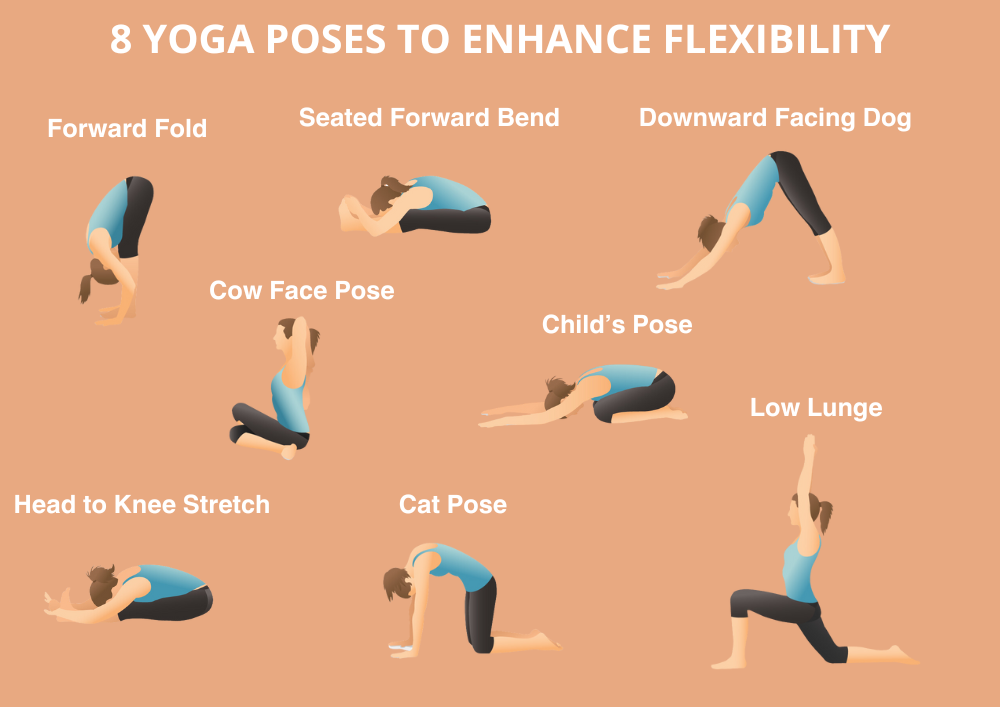
Forward bends are excellent for stretching the hamstrings and releasing tension in the spine. Try the classic Standing Forward Bend (Uttanasana). Stand with your feet hip-width apart, slowly bend forward from your hips, and let your hands reach the floor. Feel the stretch in your hamstrings as you breathe deeply.
The Seated Forward Bend (Paschimottanasana)is another great option. Sit with your legs extended, reach your arms forward, and bend over your legs. This pose not only increases flexibility in your spine but also calms the mind.
Backbends
Backbends open the chest and strengthen the back muscles. Begin with the Cobra Pose (Bhujangasana). Lie on your stomach, place your hands under your shoulders, and gently lift your chest. This pose is perfect for stretching the spine and opening the heart.
For a deeper stretch, try the Bridge Pose (Setu Bandhasana). Lie on your back, bend your knees, and lift your hips toward the ceiling. This pose improves flexibility in the spine and strengthens the legs.
Twists
Twisting poses improve flexibility in the spine and detoxify the organs. Start with the Seated Spinal Twist (Ardha Matsyendrasana). Sit with one leg bent over the other, twist your torso toward the bent knee, and hold the pose. This twist increases spinal mobility and massages the abdominal organs.
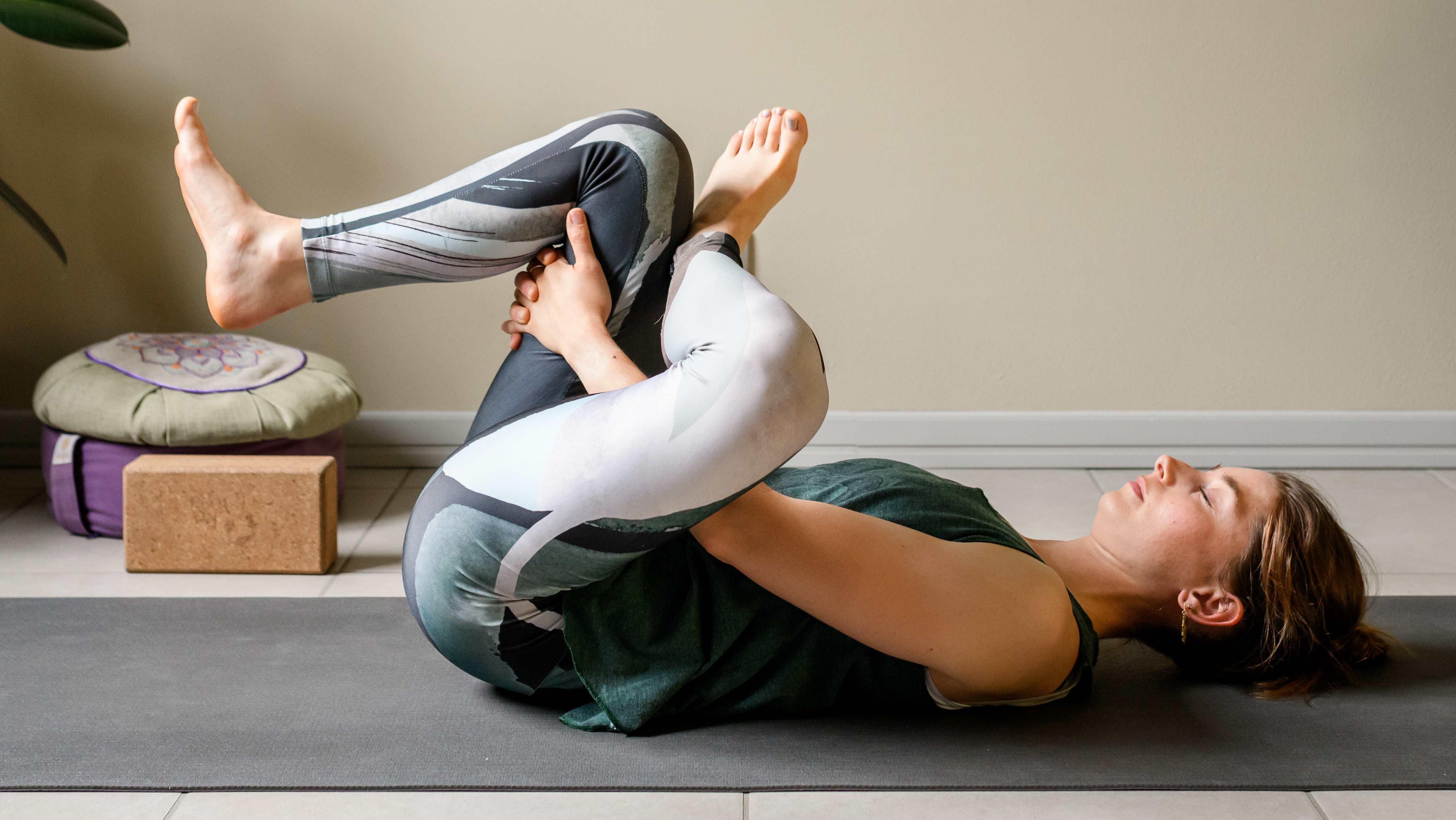
The Supine Spinal Twist (Supta Matsyendrasana)is a relaxing twist. Lie on your back, bring one knee across your body, and look in the opposite direction. This pose is great for releasing tension in the lower back and promoting relaxation.
Hip Openers
Hip openers are crucial for enhancing flexibility in the hips and pelvis. The Pigeon Pose (Eka Pada Rajakapotasana)is a powerful stretch. Start in a runner’s lunge, place one leg forward, and extend the opposite leg back. Feel the stretch in your hips and groin.
Another effective pose is the Butterfly Pose (Baddha Konasana). Sit with the soles of your feet together and knees open wide. Gently push your knees toward the floor to deepen the stretch. This pose helps to open the hips and improve flexibility in the inner thighs.
Have you tried incorporating these poses into your routine? They can be a game changer for your flexibility journey. Remember, consistency is key, so practice regularly and notice the transformation in your body.
Creating A Flexibility Routine
Creating a flexibility routine with yoga enhances body movement and posture. Regular practice aids muscle stretching and joint mobility. Simple poses gradually increase flexibility, making daily activities easier and more comfortable.
Creating a flexibility routine with yoga is essential for improving your body’s range of motion. A consistent routine helps you stretch and strengthen muscles, enhancing overall mobility. This practice not only benefits physical health but also supports mental well-being. Let’s explore key elements for building an effective flexibility routine.Frequency And Duration
To make progress, practice yoga regularly. Aim for sessions three to five times a week. Each session should last 20 to 30 minutes. Consistent practice helps build muscle memory and improve flexibility. Listen to your body and adjust as needed.Combining Poses Effectively
Choose poses that target different muscle groups. Include stretches for legs, back, and shoulders. A balanced routine engages various parts of the body. Mixing poses creates a comprehensive flexibility workout. Try combinations like forward bends and twists for optimal results.Integrating Breathing Techniques
Breathing is vital in yoga. It enhances relaxation and focus during poses. Practice deep breathing to deepen stretches safely. Controlled breathing increases oxygen flow and reduces tension. Use inhalation and exhalation to guide movements, improving flexibility.Safety Tips For Stretching
Yoga is a fantastic way to enhance your flexibility, but doing it safely is crucial to avoid injury. Proper stretching techniques can make all the difference between a beneficial practice and a painful experience. Below, you’ll find essential safety tips that can guide you through a mindful and effective yoga routine.
Listening To Your Body
Your body is your best teacher. Pay attention to how each stretch feels. If something doesn’t feel right, it’s okay to ease off. Yoga is not about pushing through pain; it’s about respecting your body’s signals. Have you ever tried a pose and felt discomfort? That’s your body telling you to adjust.
Avoiding Overstretching
Overstretching can lead to strains or injuries. The goal is to gently extend your limits over time. Use props like yoga blocks to support yourself. A slight stretch is beneficial, but pushing too hard can set you back. Are you challenging yourself safely or risking an injury?
Recognizing Limits
Knowing your limits is empowering. Every body is different, and flexibility varies from person to person. Celebrate where you are now and progress gradually. Reflect on your journey. Are you honoring your body’s current capabilities?
Incorporating these safety tips into your practice can enhance your yoga experience and keep you injury-free. Remember, yoga is a personal journey, and your body’s feedback is your guide.
Progress Tracking
Tracking your progress in yoga is crucial, especially when your goal is to gain flexibility. It not only keeps you motivated but also allows you to see how far you’ve come. Imagine the satisfaction of bending into a pose you once thought impossible! But how do you effectively track this journey?
Setting Realistic Goals
Start by setting achievable goals. Are you aiming to touch your toes or hold a deeper stretch? Setting realistic targets ensures you stay motivated and focused. Break down your ultimate goal into smaller milestones. This makes the path seem less daunting and more attainable.
Consider the time you have for yoga practice and your current flexibility level. Adjust your goals accordingly, and remember that consistency is key.
Using Flexibility Assessments
Flexibility assessments can be a game-changer. They provide a clear picture of where you stand and what needs improvement. Use simple tests like the sit-and-reach or shoulder flexibility test. These assessments help pinpoint areas needing more attention.
Assessments should be done periodically. They offer a tangible way to measure progress, helping to tweak your routine for better results. Have you tried any flexibility assessments yet?
Recording Changes Over Time
Documenting your journey is vital. Maintain a yoga journal or digital log to record changes in your flexibility. Note down any new poses achieved or stretches deepened. This not only tracks progress but also highlights patterns and areas for improvement.
Use photos or videos to visually capture your progress. Seeing these changes can be incredibly motivating and rewarding. How would you feel looking back at your growth in just a few months?
By keeping a record, you’ll be more aware of your progress and any setbacks. This awareness can guide future goals and practices, ensuring continuous improvement.
Incorporating Flexibility Into Daily Life
Gain flexibility with yoga by integrating simple poses into your routine. Daily stretches enhance muscle elasticity and improve overall movement. Consistent practice increases balance and reduces stiffness, promoting a healthier lifestyle.
Incorporating flexibility into your daily life can transform your physical and mental well-being. Yoga offers a unique approach to achieving this balance, encouraging you to weave stretching and mindfulness into your everyday routine. By embracing yoga’s principles, you can discover simple ways to enhance your flexibility without the need for a dedicated yoga studio. Imagine the impact of small changes—like a quick stretch at your desk or a mindful moment in the morning—on your overall health and happiness.Everyday Stretching Opportunities
Find moments throughout your day to add stretches that promote flexibility. While brushing your teeth, try standing on one leg to improve balance and stretch your calves. Waiting for your coffee to brew? Use this time for a gentle forward bend to relieve tension in your back. These small acts can accumulate, leading to noticeable improvements in your flexibility over time. Consider setting reminders on your phone to prompt you for quick stretches. Each notification serves as a nudge to pause and stretch, keeping your body limber and your mind focused. These tiny habits can seamlessly integrate into your routine, creating a culture of flexibility without added stress.Mindfulness And Flexibility
Mindfulness is a powerful ally in your quest for flexibility. Yoga encourages you to be present, focusing on your breath and body movements. This heightened awareness can enhance your stretching practice, allowing you to tune into what your body truly needs. A mindful approach helps you recognize tight muscles and areas needing attention. Next time you’re feeling stressed, pause for a moment to breathe deeply and scan your body. A simple twist or stretch can ease tension, shifting your mindset towards calmness and flexibility.Balancing Flexibility With Strength
While flexibility is vital, pairing it with strength ensures a balanced approach to fitness. Yoga poses often combine stretching with strengthening, fostering a holistic workout. As you stretch, engage your muscles to maintain stability and support. This balance prevents overstretching and promotes healthy muscle development. Consider integrating poses like Warrior II or Tree Pose into your routine, which challenge both flexibility and strength. As you practice, you’ll find your body responding with increased resilience and grace. How do you balance flexibility with strength in your daily routine? Share your insights and experiences in the comments below, and let’s build a community dedicated to healthier living through yoga.Common Myths About Flexibility And Yoga
Yoga is often linked with flexibility. Many believe you must be flexible to do yoga. But is this true? Let’s explore common myths about flexibility and yoga. By understanding these myths, you can approach yoga with an open mind.
Myth: You Need To Be Flexible To Start Yoga
Many think flexibility is a prerequisite. But yoga is for everyone. It helps improve flexibility over time. You don’t need to touch your toes to join a class. Yoga meets you where you are.
Myth: Yoga Is Only For The Young
People of all ages can practice yoga. It adapts to your body’s needs. Seniors find yoga helpful for maintaining mobility. It’s never too late to start.
Myth: Only Certain Body Types Can Be Flexible
Flexibility is not limited to specific body types. Everyone can gain flexibility with practice. Consistent yoga practice helps improve your range of motion. It’s about progress, not perfection.
Myth: Flexibility Will Come Instantly
Flexibility takes time and patience. Regular practice leads to gradual improvement. Don’t rush your progress. Celebrate small achievements along the way.
Myth: Yoga Is Just Stretching
Yoga involves more than stretching. It includes strength, balance, and mindfulness. Each pose works different muscles and joints. Yoga promotes overall well-being.

Credit: www.youtube.com
Credit: www.fitandwell.com
Frequently Asked Questions
What Are The Benefits Of Yoga For Flexibility?
Yoga enhances flexibility by stretching and lengthening muscles. Regular practice improves joint mobility and reduces stiffness. It also helps prevent injuries and enhances physical performance. Deep breathing during yoga promotes relaxation, aiding in muscle release. Over time, consistent yoga practice leads to noticeable improvements in overall flexibility.
How Often Should I Do Yoga For Flexibility?
Practicing yoga three to five times a week can significantly improve flexibility. Consistency is crucial for progress. Each session should last about 30 to 60 minutes. Regular practice helps maintain flexibility and prevent stiffness. Listen to your body and adjust the frequency according to your comfort and goals.
Can Beginners Increase Flexibility With Yoga?
Yes, beginners can improve flexibility with yoga. Start with basic poses and gradually progress. Focus on proper alignment and breathing. Use props like blocks or straps for support. Consistent practice builds flexibility over time. Patience and dedication are key to achieving noticeable results in flexibility.
Which Yoga Poses Boost Flexibility The Most?
Certain poses are especially effective for boosting flexibility. Try Downward Dog, Forward Bend, and Cat-Cow. Pigeon Pose and Cobra Pose also enhance flexibility. These poses target different muscle groups. Include them regularly in your routine for optimal flexibility gains. Modify as needed to suit your level.
Conclusion
Yoga helps you become more flexible. Practice regularly for better results. Stretching improves joint movement and eases muscle tension. Simple poses can make a big difference. You don’t need advanced moves to feel improvement. Listen to your body. Avoid pushing too hard.
Gradual progress leads to lasting flexibility. Consistency is key to seeing benefits. Make yoga part of your routine. Enjoy the process. Feel changes over time. Flexibility enhances overall well-being. It boosts energy and reduces stress. Yoga is more than exercise.
It’s a journey to better health. Embrace it and experience the transformation.