Are you looking to enhance your flexibility and wondering which yoga practice is best for you? You’ve landed in the right place.
Discovering the right type of yoga can transform your flexibility, unlocking a new world of movement and ease for your body. Imagine effortlessly reaching down to tie your shoelaces or gracefully twisting to reach something on a high shelf. With the right yoga practice, this can be your reality.
Your curiosity about which yoga style will best suit your flexibility goals is about to be satisfied. This isn’t just about stretching; it’s about empowering your body and mind. Keep reading to find out how you can start this transformative journey today.

Credit: www.youtube.com
Benefits Of Flexibility In Yoga
Finding the right yoga style enhances flexibility and promotes overall well-being. Styles like Vinyasa and Hatha focus on stretching and balance, improving joint mobility. Practicing regularly leads to increased muscle elasticity, making everyday movements easier and more comfortable.
Flexibility is often seen as a primary benefit of yoga, but its advantages extend far beyond just being able to touch your toes. Enhanced flexibility improves your overall physical health and mental well-being. It can even lead to surprising improvements in daily life activities, making everything from sitting at a desk to playing with your kids more comfortable and enjoyable.Improved Range Of Motion
Greater flexibility leads to an improved range of motion in your joints. This means you can move more freely and easily, reducing the risk of injury in daily activities. Imagine being able to reach that high shelf without strain or bending down to tie your shoes without discomfort.Enhanced Physical Performance
Flexibility can enhance your physical performance in various sports and exercises. It allows your muscles to work more effectively, improving strength and endurance. Whether you’re running, cycling, or lifting weights, flexible muscles can make a noticeable difference.Reduced Muscle Tension And Stress
Yoga helps in reducing muscle tension, which can often be a result of stress. As your flexibility improves, you might notice a decrease in the tightness of your muscles. This relaxation can lead to a more peaceful state of mind, helping you tackle daily challenges with a calmer approach.Better Posture And Alignment
Good flexibility aids in maintaining better posture and body alignment. This can prevent the aches and pains associated with poor posture, such as back pain or neck strain. Yoga encourages awareness of your body, making you more conscious of how you sit, stand, and move.Increased Blood Circulation
As you stretch and hold poses, you’re not just working on flexibility but also improving blood circulation. Better circulation means more oxygen and nutrients are delivered to your muscles, aiding in recovery and reducing fatigue. You might find yourself feeling more energized and ready to take on the day.Mind-body Connection
Yoga is not just physical; it’s a mental practice as well. Increased flexibility often leads to a stronger mind-body connection, enhancing your mindfulness and concentration. This connection can spill over into other areas of your life, helping you stay focused and present. Have you ever noticed how a flexible body can lead to a more flexible mind? Yoga’s benefits are not just physical; they can transform your entire outlook on life. So, which yoga pose will you try today to boost your flexibility?
Credit: www.facebook.com
Key Yoga Poses For Flexibility
Practicing yoga can enhance flexibility with poses like Downward Dog, Triangle, and Pigeon Pose. These poses stretch muscles and improve range of motion. Regular practice helps increase flexibility and balance.
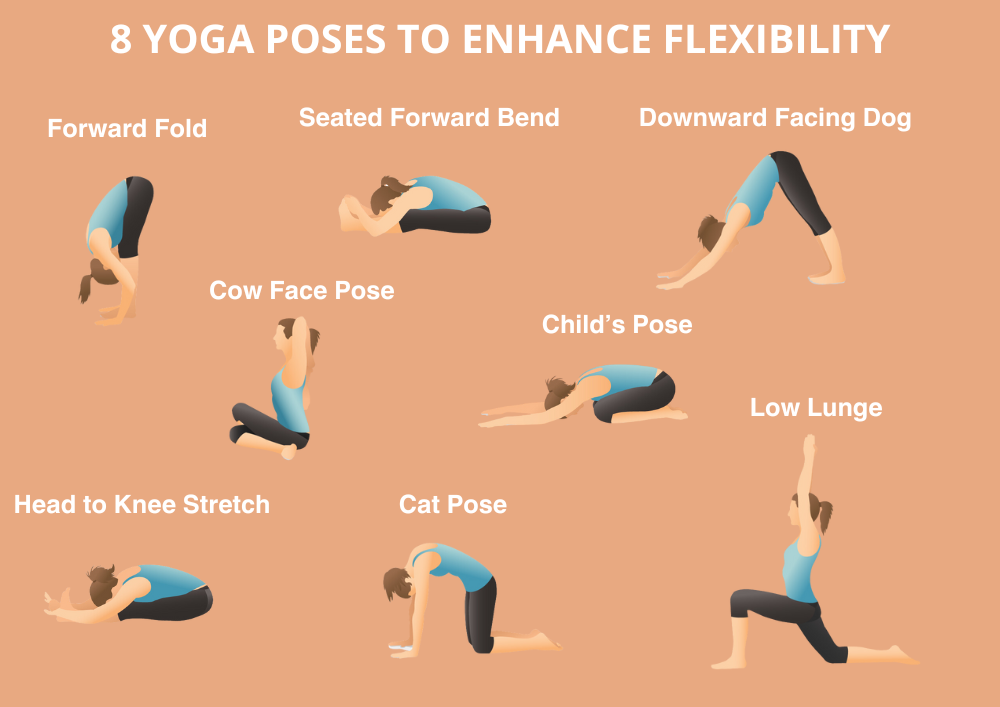
Yoga is a powerful tool for enhancing flexibility. It offers a variety of poses that target different muscle groups. These poses help in stretching, lengthening, and strengthening the body. Flexibility improves posture, reduces muscle tension, and enhances overall well-being. Let’s dive into some key yoga poses for flexibility.Forward Bends
Forward bends are excellent for stretching the spine and hamstrings. They promote relaxation and calm the mind. Popular poses include Standing Forward Bend and Seated Forward Bend. These poses elongate the back and stretch the entire back side of the body. Practicing forward bends regularly increases flexibility in the lower back and legs.Backbends
Backbends open the chest and strengthen the spine. They counteract the effects of sitting and poor posture. Common backbend poses are Cobra Pose and Bridge Pose. These poses engage the core and stretch the front of the body. They improve spinal mobility and build strength in the back muscles.Twists
Twists improve spinal flexibility and stimulate digestion. They detoxify the body by massaging internal organs. Simple twists like Seated Spinal Twist and Revolved Triangle are beneficial. These poses enhance rotation in the spine and relieve tension. Incorporating twists into your routine enhances overall flexibility and balance.Dynamic Vs. Static Stretching
Yoga for flexibility involves dynamic and static stretching. Dynamic stretches warm up muscles through movement, enhancing flexibility. Static stretches improve flexibility by holding poses, deepening the stretch over time. Both types complement each other, providing a balanced approach to increasing flexibility in yoga practice.
Yoga is a wonderful way to improve flexibility. When it comes to stretching, there are two main types: dynamic and static. Understanding the difference can help you choose the right yoga practice for your needs. Dynamic stretching involves moving parts of your body and gradually increasing reach and speed. It warms up muscles and joints, preparing them for more intense activity. Static stretching, on the other hand, involves holding a position for a set period, allowing muscles to elongate slowly.What Is Dynamic Stretching?
Dynamic stretching is all about movement. It includes exercises like leg swings or arm circles. These movements help you warm up, improve your range of motion, and increase blood flow to your muscles. You might notice athletes swinging their arms before a game. This is dynamic stretching in action. It’s ideal for warming up before yoga or any physical activity. Does dynamic stretching make you feel ready to take on more challenging poses? It’s a great way to start your session with energy.What Is Static Stretching?
Static stretching involves holding a stretch without movement. Think of a forward bend where you touch your toes and hold the position. This type of stretching helps increase flexibility over time. After a yoga session, static stretches can help cool down your muscles. They’re perfect for lengthening muscles and improving overall flexibility. Ever found yourself sinking deeper into a stretch as you hold it? That’s the beauty of static stretching.How To Choose Between Dynamic And Static Stretching
Choosing between dynamic and static stretching depends on your goals. If you want to warm up and prepare for activity, dynamic stretching is your best bet. It’s also great for improving mobility and quick bursts of flexibility. Static stretching, however, is ideal for cooling down and increasing long-term flexibility. It allows you to focus on a particular muscle group and improve elasticity. Why not try combining both types in your routine? Dynamic stretching to warm up and static stretching to cool down can balance your practice.Personal Experience With Dynamic And Static Stretching
In my yoga practice, I start with dynamic stretches to wake up my body. It makes my muscles feel alive and ready for action. This has helped me tackle poses I never thought possible. I end with static stretches, sinking into a peaceful state. It’s like giving my muscles a well-deserved sigh of relief. Have you ever felt the difference these stretches can make in your practice? They might just be the secret to unlocking your flexibility.Incorporating Breathing Techniques
Incorporating breathing techniques in yoga enhances flexibility by promoting relaxation and deeper stretching. Focused breathing increases oxygen flow, aiding muscle elasticity and reducing tension. Practicing these techniques in yoga sessions can significantly boost flexibility and overall well-being.
Incorporating breathing techniques into your yoga practice can significantly enhance your flexibility. Breathing deeply and intentionally not only helps relax your muscles but also increases your range of motion. Think about how your body feels when you take a deep breath; it’s as if you’re giving your muscles permission to stretch further and more freely.Understanding The Power Of Breath
Breath is more than just a tool for oxygen intake. It’s a bridge between your mind and body, influencing your physical state. When you focus on your breathing, you become more aware of your body’s limitations and possibilities. This heightened awareness can lead to more effective stretching and flexibility gains.Techniques To Enhance Flexibility
– Diaphragmatic Breathing: Begin by lying on your back, placing one hand on your chest and the other on your abdomen. Inhale deeply through your nose, allowing your diaphragm to expand fully. This type of breathing encourages relaxation, making it easier for your muscles to stretch. – Ujjayi Breathing: Often referred to as “ocean breath,” this technique involves breathing deeply while slightly constricting the throat. It produces a sound reminiscent of waves, which can be soothing and meditative. Practicing Ujjayi during poses helps maintain focus and endurance, allowing for deeper stretches.Why Consistency Matters
Consistency in breathing practice is key to achieving flexibility. It’s not just about the breaths you take during a single session but how often you engage with these techniques. Regular practice ensures that your body becomes accustomed to relaxing into stretches, making progress more tangible over time.Making Breathing A Habit
Incorporate breathing exercises into your daily routine, even outside your yoga sessions. Consider setting aside a few minutes each day to focus solely on your breath. This can be done while sitting at your desk, waiting for your coffee to brew, or lying in bed before sleep.Personal Reflection
I remember a time when I struggled with touching my toes, feeling that my hamstrings were made of concrete. It wasn’t until I started focusing on my breath that I noticed a change. Breathing deeply into each stretch, I found that my body gradually yielded, and what once seemed impossible became achievable. Have you noticed how your body responds to intentional breathing?Yoga Styles For Enhancing Flexibility
Hatha yoga gently stretches muscles, improving flexibility. Vinyasa flow combines breath with movement for enhanced agility. Yin yoga targets deep connective tissues, increasing joint flexibility. Each style offers unique benefits for those seeking improved flexibility through yoga.
Yoga Styles for Enhancing Flexibility Are you aiming to touch your toes with ease or achieve that perfect downward dog? Choosing the right yoga style can significantly impact your journey toward improved flexibility. Each style offers unique benefits, and understanding them can help you decide which suits your needs best.Hatha Yoga
Hatha Yoga is often considered the gateway to the yoga world. It focuses on basic postures and breathing techniques, providing a gentle introduction to flexibility. You will appreciate how it allows you to hold poses longer, giving your muscles time to stretch and adapt. Many beginners find Hatha Yoga approachable because of its slower pace. It offers an excellent opportunity to focus on alignment and deepen your flexibility gradually. Have you ever felt the satisfaction of finally touching your toes after weeks of practice? Hatha can get you there.Vinyasa Flow
Vinyasa Flow is dynamic and fluid, linking movement with breath. This style keeps you moving, which can significantly boost your flexibility over time. The continuous flow of postures encourages your muscles to stretch more than static poses. If you enjoy a more energetic practice, Vinyasa might be your perfect match. The variety of sequences keeps you engaged and challenges your flexibility in different ways. Ever felt the exhilaration of mastering a challenging pose? Vinyasa can help you achieve that sense of accomplishment.Yin Yoga
Yin Yoga offers a contrasting pace to Vinyasa, focusing on deep, passive stretches. Holding poses for several minutes targets the connective tissues, increasing flexibility in areas often overlooked. It’s a practice of patience and introspection. Yin Yoga is perfect for those looking to complement more active styles or reduce stiffness. It allows you to explore your body’s limits gently and mindfully. Have you noticed how a long-held pose can reveal unexpected tightness? Yin Yoga provides the space to work through these areas. Each of these styles offers a unique pathway to enhance your flexibility. Which one resonates with you? Choose a style that aligns with your goals and enjoy the journey toward a more flexible you.Creating A Consistent Practice
Creating a consistent practice in yoga enhances flexibility over time. Poses like downward dog and pigeon stretch muscles gently. Regular practice leads to noticeable improvements in mobility and posture.
Creating a consistent yoga practice is key to enhancing flexibility. Many people start with enthusiasm but struggle to maintain regularity. The secret lies in building a routine that fits seamlessly into your life. Personal experience has shown that even a short daily session can yield impressive results. But how do you keep coming back to the mat?Set Clear Goals
Begin by defining what you want to achieve with your yoga practice. Are you aiming to touch your toes, or perhaps perform a full split? By setting specific goals, you can track progress and stay motivated.Choose The Right Time
Find a time in your day that allows you to practice without distractions. Morning routines often work well, as they set a positive tone for the day. Alternatively, evening sessions can help you unwind and stretch away the day’s tension.Start Small And Build Up
Don’t feel pressured to dedicate an hour every day from the start. Begin with just 10-15 minutes and gradually increase as your body becomes accustomed. Consistency is more important than duration.Create A Dedicated Space
Designate a spot in your home that is solely for yoga. It doesn’t need to be large, just comfortable and inviting. Having a specific area can make it easier to cultivate a habit.Use Technology To Your Advantage
There are countless apps and online classes available that can guide you through a practice. Choose ones that align with your goals and schedule. This digital support can provide structure and variety.Track Your Progress
Keep a journal of your practice to note improvements and challenges. It can be incredibly motivating to look back and see how far you’ve come. Reflecting on progress can also help identify areas that need more focus.Stay Flexible With Your Routine
Life can be unpredictable, and flexibility with your schedule is necessary. If you miss a session, don’t be hard on yourself. Adapt your practice to fit with your changing needs and priorities. Creating a consistent yoga practice is a journey, not a destination. Keep experimenting with these strategies until you find what works best for you. What small changes can you make today to improve your practice?Tools And Props For Flexibility
Yoga blocks and straps help improve flexibility. These tools assist in reaching poses comfortably. They support balance and deepen stretches effectively.
Flexibility is a key component of yoga, and using tools and props can significantly enhance your practice. Whether you’re a beginner struggling with tight muscles or an advanced yogi aiming to deepen your stretches, props can be your best ally. These tools not only help you achieve better alignment but also provide the support needed to safely explore your body’s limits.Yoga Blocks
Yoga blocks are versatile props that help you maintain stability and balance. They can be used under your hands, feet, or seat to adjust the height and bring the floor closer to you. For example, in poses like Trikonasana (Triangle Pose), placing a block under your hand can prevent over-stretching and help you keep your torso open.Yoga Straps
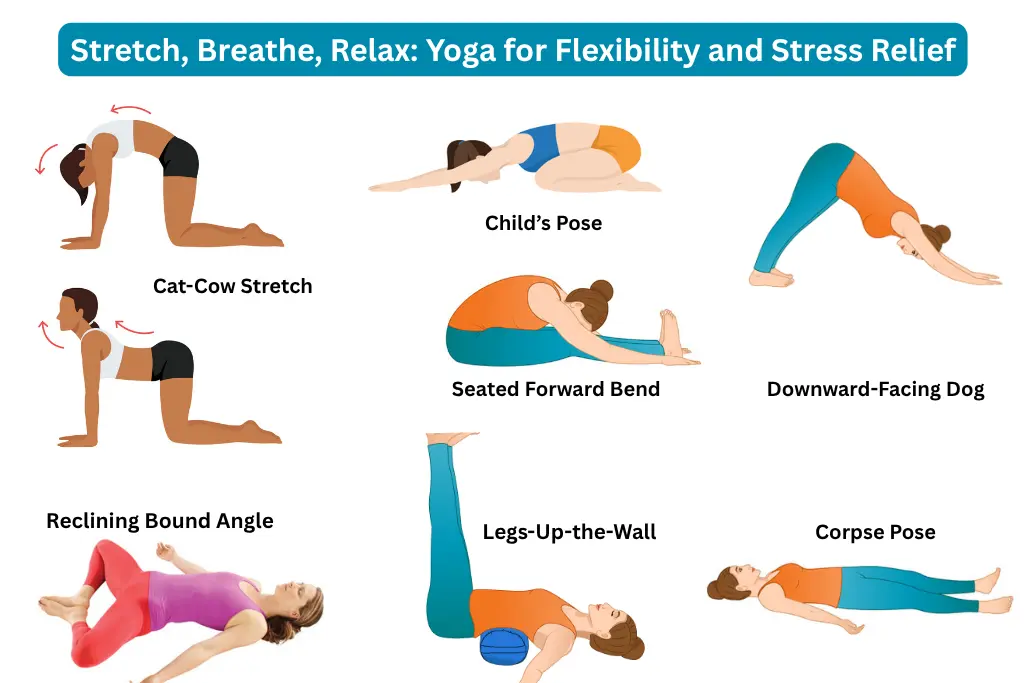
Straps are perfect for those looking to deepen their stretches. They act as extensions of your arms, allowing you to reach further without compromising form. In poses like Paschimottanasana (Seated Forward Bend), wrapping a strap around your feet can help you gently pull yourself forward, easing into the stretch.Bolsters
Bolsters provide comfort and support, especially in restorative poses. They can be placed under your knees, back, or neck to relieve tension and facilitate relaxation. If you struggle with hip flexibility, using a bolster in Supta Baddha Konasana (Reclining Bound Angle Pose) can help open the hips gradually.Yoga Wheels
Yoga wheels are relatively new in the yoga world but have quickly gained popularity. They can help open the chest, shoulders, and back, making them ideal for practicing backbends. Rolling on a yoga wheel can also massage the spine, easing stiffness and improving flexibility.Blankets
Blankets offer softness and warmth, making them perfect for meditation and restorative yoga. They can be folded to support various body parts and enhance your comfort. In poses where knees or elbows need cushioning, a blanket can be a great addition to your practice.Thoughts On Choosing Props
Have you ever felt intimidated by the array of yoga props available? Remember, props are there to assist, not to replace your effort. Choose the ones that resonate with your practice goals and personal needs. Experimenting with different props can lead to unexpected discoveries about your body’s capabilities and limitations. So, what prop will you try next to boost your flexibility?Overcoming Common Flexibility Challenges
Yoga helps improve flexibility through gentle stretching and balance poses. Styles like Hatha and Yin Yoga focus on slow movements and holding poses, making them ideal for beginners. Regular practice can increase range of motion and ease stiffness.
Overcoming common flexibility challenges in yoga can sometimes feel daunting, especially if you’re just starting out. However, understanding these challenges and how to address them can make your practice more rewarding. Everyone’s body is different, and what might be a challenge for one person may not be the same for another.Understanding Your Body’s Limits
It’s crucial to listen to what your body is telling you. Flexibility isn’t just about pushing your limits; it’s about recognizing them. You might find that some poses are more challenging, and that’s perfectly okay.The Role Of Consistency
Consistency in your practice can significantly improve flexibility. Just like any other skill, the more you practice, the better you get. Set a routine that works for you and stick with it.Breathing Techniques To Enhance Flexibility
Proper breathing can play a vital role in enhancing your flexibility. Deep, controlled breaths help relax your muscles, making it easier to stretch further. Try focusing on your breath the next time you practice a challenging pose.Using Props For Support
Yoga props like blocks and straps can be incredibly useful when working on flexibility. They help you maintain proper alignment while gradually improving your reach. Don’t hesitate to use them, especially if they make the practice more accessible.Setting Realistic Goals
Setting achievable goals can motivate you to keep practicing. Rather than aiming for extreme flexibility right away, focus on small, incremental improvements. Celebrate these small victories as they come.Incorporating Restorative Poses
Restorative poses can help enhance flexibility by gently stretching your muscles. They also provide a much-needed break from more intense practices. Consider adding a few restorative poses to your routine for balance.Dealing With Plateaus
Hitting a plateau can be frustrating, but it’s a normal part of any fitness journey. When progress stalls, consider varying your routine or increasing the duration of your practice. Sometimes, a small change is all it takes to break through. By understanding these challenges and how to address them, you can enhance your flexibility and enjoy a more fulfilling yoga practice. What’s one thing you can do today to overcome your flexibility challenges?The Role Of Nutrition And Hydration
Flexibility in yoga is not just about stretching and poses. Nutrition and hydration play a vital role in enhancing your yoga practice. The right nutrients can improve muscle function and recovery. Hydration keeps your joints lubricated and muscles flexible. Together, they ensure a balanced and effective yoga routine.
The Importance Of A Balanced Diet
A balanced diet supports muscle health. It provides the energy needed for yoga practice. Include a variety of fruits, vegetables, and lean proteins. These foods supply essential vitamins and minerals. They help in muscle repair and growth.
Key Nutrients For Flexibility
Certain nutrients boost flexibility. Omega-3 fatty acids reduce inflammation. Vitamin C aids in collagen production for healthy joints. Calcium and magnesium support muscle contraction and relaxation. Incorporate these nutrients into your meals for optimal flexibility.
Hydration: A Must For Yoga Enthusiasts
Staying hydrated is crucial during yoga sessions. Water helps maintain muscle elasticity. It prevents cramps and injuries. Drink plenty of water before, during, and after your practice. It keeps your body in top condition.
Hydrating Foods To Include
Some foods are naturally hydrating. Cucumbers, watermelon, and oranges have high water content. They help keep you hydrated while providing necessary nutrients. Include these in your diet for added hydration.
Timing Your Meals And Water Intake
Timing is important for nutrition and hydration. Eat a light meal one to two hours before yoga. Avoid heavy foods that might cause discomfort. Drink water throughout the day. Don’t wait until you’re thirsty to hydrate.
Credit: yogavibeshub.com
Listening To Your Body
Exploring yoga can enhance flexibility by focusing on gentle poses. Vinyasa and Hatha yoga styles offer dynamic stretches. Regular practice helps improve muscle elasticity and joint movement.
Listening to your body is crucial in yoga. It helps prevent injuries and enhances flexibility. Each person’s body responds differently. What works for one may not work for another. This is why tuning into your own body is important.Understanding Your Limits
Push your body gently. Don’t force it beyond its limits. Overstretching can cause harm. Recognize when to ease up. This understanding comes with practice.Identifying Pain Signals
Pain is a warning sign. It tells you to stop or adjust. Learn to differentiate between discomfort and pain. Discomfort can be part of growth. Pain should not be ignored.Adapting Poses
Every pose can be modified. Use props like blocks or straps. Adjust your stance to suit your body. There is no one-size-fits-all in yoga. Adaptation is key for flexibility.Breathing And Relaxation
Breathing deeply helps relax muscles. It supports stretching. Focus on slow, steady breaths during poses. Relaxation enhances flexibility and reduces tension.Consistency Is Key
Practice regularly for better results. Flexibility improves over time. Commit to a routine that fits your lifestyle. Consistent practice builds strength and flexibility.Frequently Asked Questions
What Yoga Poses Improve Flexibility?
Yoga poses like Downward Dog, Pigeon, and Cat-Cow enhance flexibility. These poses target multiple muscle groups. Regular practice increases range of motion and improves posture. Incorporating these poses into your routine can lead to noticeable flexibility improvements.
Is Yoga Effective For Flexibility?
Yes, yoga is highly effective for flexibility improvement. It uses stretching and strengthening techniques. Consistent practice leads to increased muscle elasticity and joint mobility. This helps in reducing stiffness and enhances overall flexibility.
How Often Should I Do Yoga For Flexibility?
To improve flexibility, practice yoga 3-5 times weekly. Regular sessions help in gradual muscle stretching. Consistency in practice leads to long-term flexibility benefits. It’s important to listen to your body and adjust frequency accordingly.
Can Beginners Increase Flexibility With Yoga?
Absolutely, beginners can increase flexibility with yoga. Starting with basic poses is recommended. Over time, progress to more advanced poses. Regular practice, guided by a teacher, ensures safe and effective flexibility improvements.
Conclusion
Yoga offers many styles to improve flexibility. Each style caters to different needs. Vinyasa flows gently, enhancing movement. Yin yoga focuses on deep stretches, holding poses longer. Hatha yoga balances body and mind with steady poses. Practicing yoga regularly boosts flexibility.
It also promotes mental calmness. Choosing the right yoga depends on personal preference. Consider your body’s needs and comfort level. Flexibility improves gradually with consistency. Try different styles to find what suits you best. Yoga for flexibility not only enhances physical ability.
It nurtures overall well-being. Enjoy your yoga journey and embrace newfound flexibility!