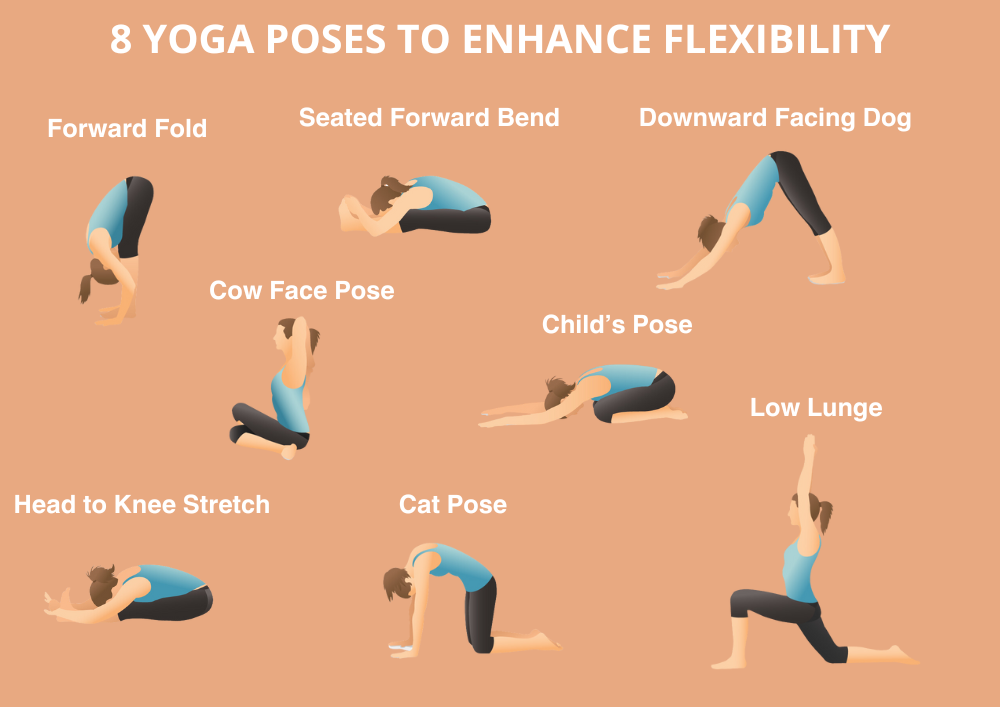
Are you tired of feeling stiff and inflexible? If touching your toes seems more like a dream than a reality, yoga might be the key to unlocking a more flexible you.
Imagine moving freely without the constant reminder of tight muscles holding you back. Yoga is more than just a workout; it’s a transformative practice that gently stretches your muscles and opens up your body. This ancient art doesn’t just promise flexibility; it delivers it with each pose and breath.
Dive into how yoga can help you reach your flexibility goals, and discover why so many people are turning to their yoga mats for relief and revitalization. Keep reading to find out how you can start enhancing your flexibility today.
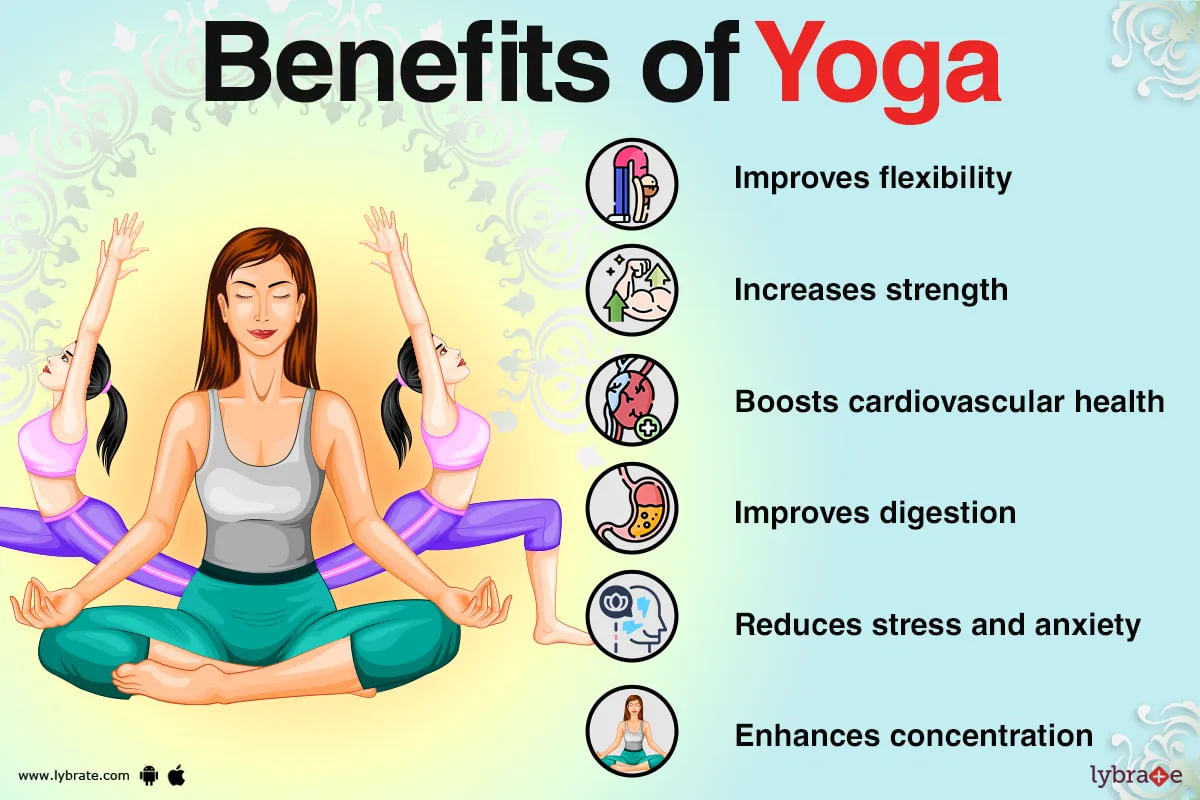
Credit: www.lybrate.com
Benefits Of Flexibility In Yoga
Practicing yoga enhances flexibility by stretching muscles and joints. It reduces stiffness and improves overall mobility. Regular yoga sessions support better posture and balance, promoting a more active lifestyle.
Flexibility is a key component of yoga that offers numerous benefits beyond the physical. By enhancing your flexibility, yoga helps you move more freely and with ease in your daily life. This ability to stretch and bend without strain can lead to a healthier, more balanced lifestyle. Let’s explore the specific benefits of improving flexibility through yoga.Improved Range Of Motion
Increased flexibility means your muscles can stretch further, allowing for a greater range of motion. This can make everyday activities like reaching for high shelves or bending down to tie your shoes easier and more comfortable. Yoga poses gradually stretch your muscles, helping you achieve a wider range of motion over time.Reduced Risk Of Injury
Flexible muscles are less prone to injury. When your body is accustomed to stretching and moving through yoga, it becomes more resilient to sudden movements or strains. Imagine how great it feels to play sports or engage in physical activities without fear of pulling a muscle.Enhanced Muscle Strength
Flexibility in yoga isn’t just about stretching; it also involves strengthening your muscles. As you hold various poses, you build strength in different muscle groups. This combination of flexibility and strength supports your joints and improves overall stability.Improved Posture
Better flexibility can lead to better posture. Yoga encourages you to align your body correctly, reducing tension and discomfort. Have you noticed how a day spent sitting at a desk can leave you feeling stiff? Regular yoga practice helps counteract these effects, aligning your spine and improving your posture.Stress Relief
Yoga’s flexibility benefits extend to your mental state. Stretching releases tension stored in your muscles, promoting relaxation and stress relief. As your body becomes more flexible, you may also find your mind becomes more adaptable to life’s challenges.Better Circulation
Flexibility can improve blood flow throughout your body. As you stretch and move through yoga poses, circulation is enhanced, delivering oxygen and nutrients to your muscles more effectively. This can contribute to overall vitality and energy levels. Embracing flexibility through yoga is more than just a physical endeavor—it’s a journey towards a healthier, happier you. Consider how each stretch and pose can contribute to your well-being, both physically and mentally. Are you ready to experience the transformative power of flexibility in yoga?Key Yoga Poses For Flexibility
Yoga enhances flexibility through poses like Downward Dog, Cobra, and Warrior, stretching muscles and improving range of motion. Regular practice increases joint flexibility, reduces stiffness, and promotes better posture.
Key Yoga Poses for Flexibility Yoga enhances flexibility through specific poses that stretch and open the body. Practicing these poses consistently can lead to noticeable improvements. Each pose targets different muscle groups, promoting a flexible and healthy body.Forward Bends
Forward bends stretch the spine, hamstrings, and calves. They help release tension and improve flexibility. Examples include:- Standing Forward Bend (Uttanasana)
- Seated Forward Bend (Paschimottanasana)
Backbends
Backbends open the chest and strengthen the spine. They increase flexibility in the back and shoulders. Try these poses:- Cobra Pose (Bhujangasana)
- Bridge Pose (Setu Bandhasana)
Twists
Twists detoxify the body and enhance flexibility. They target the spine and abdominal muscles. Effective poses include:- Seated Spinal Twist (Ardha Matsyendrasana)
- Supine Twist (Supta Matsyendrasana)
Daily Yoga Routine
Creating a daily yoga routine tailored for flexibility can transform your body and mind. Consistency is key, as practicing yoga daily helps in gradually stretching and strengthening your muscles. Whether you’re a seasoned yogi or a beginner, integrating yoga into your morning and evening can provide remarkable benefits.
Morning Practices
Starting your day with yoga sets a positive tone and energizes you for what’s ahead. Begin with simple poses like the Cat-Cow and Downward Dog to gently awaken your spine and hamstrings. These stretches are ideal to loosen up after a night’s rest.
A personal favorite morning stretch is the Sun Salutation. It’s a sequence that warms up the entire body, enhances blood flow, and improves flexibility. Do you notice how your mood lifts and your body feels lighter after just a few rounds? Embrace this ritual to feel invigorated.
Evening Stretches
Evening yoga is a perfect way to unwind and release any tension accumulated throughout the day. Try poses like the Butterfly and Seated Forward Bend; they target the hips and back, promoting relaxation and flexibility.
Consider incorporating gentle twists like the Supine Spinal Twist. It aids digestion and provides a soothing stretch for your back. Reflect on how your body naturally relaxes, preparing you for a restful night. Does it inspire a sense of calm and relief?
Incorporating these practices into your daily routine can make flexibility a part of your lifestyle. How does your body feel after consistent practice? Notice the subtle changes and celebrate the progress.
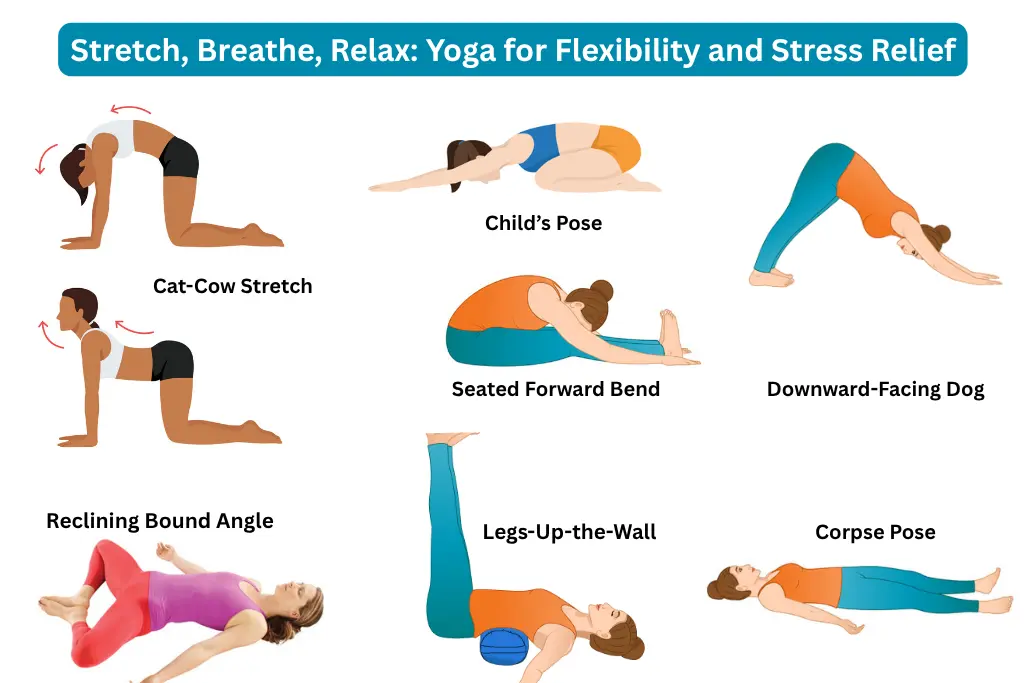
Credit: yogavibeshub.com
Breath And Flexibility
Breath is a powerful tool in yoga, and its connection to flexibility is profound. As you breathe deeply, your body relaxes, allowing muscles to stretch more easily. This natural rhythm between breath and movement can transform your yoga practice, making each pose more accessible and rewarding.
Breathing Techniques
Mastering breathing techniques is crucial for enhancing flexibility in yoga. When you practice deep belly breathing, your muscles receive more oxygen, which can help them relax and stretch further. Try inhaling slowly through your nose, filling your lungs completely, and then exhaling just as slowly. This steady flow of breath can make a noticeable difference in your range of motion.
Consider how your breath affects your ability to stretch. Have you ever noticed how a deep breath can help you hold a challenging pose for a few extra seconds? This is because your breath acts as a guide, calming your mind and easing tension in your body.
Mindful Movement
Mindful movement is another essential aspect of using breath to improve flexibility. By synchronizing your breath with your movements, you create a fluid and harmonious practice. This synchronization not only enhances physical flexibility but also cultivates mental clarity and focus.
As you move through your poses, pay close attention to your breath. Are you holding your breath in difficult positions? Let go of that tension by consciously breathing, and feel your body respond with greater ease and flexibility.
Imagine your breath as a gentle wave guiding your body into deeper stretches. This mindful connection makes every yoga session not just a workout, but a rejuvenating experience that leaves you feeling balanced and refreshed.
Progress And Patience
Progress and patience are essential in yoga practice. Yoga gradually builds flexibility over time. It’s a journey, not a race. Be patient, as flexibility improves with consistent effort. Celebrate small victories, and stay committed to your goals.
Tracking Improvement
Document your flexibility journey. Keep a journal of your progress. Write down poses and how your body feels. Take photos to see changes over weeks and months. Compare your abilities to track improvement. This visual and written record motivates you to keep going.
Setting Realistic Goals
Set achievable goals for flexibility. Focus on gradual improvement. Start with easy poses, then move to harder ones. Create a timeline for your goals. Break down long-term goals into smaller steps. Celebrate each milestone, no matter how small. This keeps you motivated and on track.
Common Misconceptions
Yoga is often associated with enhanced flexibility, yet there are many misconceptions that can deter individuals from trying it. Some people think they need to be naturally flexible to practice yoga effectively. Others believe yoga is only suitable for young and agile individuals. These myths can prevent you from experiencing the true benefits of yoga.
Flexibility Myths
It’s a common belief that flexibility is something you’re born with. However, flexibility is more like a skill that can be developed with practice. You might think yoga is reserved for gymnasts or contortionists, but the truth is, yoga helps you improve over time, regardless of your starting point.
Consider your own journey: have you ever improved at something with consistent effort? Flexibility is no different. With regular practice, your body will adapt and become more flexible. Yoga is about progress, not perfection.
Yoga For All Levels
Yoga is for everyone, not just those who can touch their toes. It offers a range of poses that cater to all levels, from beginners to advanced practitioners. You don’t need to be able to do a handstand to start your yoga journey.
Are you worried about keeping up with others in a class? Many yoga instructors offer modifications to poses, ensuring everyone can participate comfortably. Your practice is your own, and yoga celebrates each individual’s unique path.
Embrace the diversity in yoga. Why not try a beginner class and experience firsthand how yoga can accommodate all levels of flexibility? You’ll find a welcoming environment where growth is encouraged, not judged.
Incorporating Yoga In Daily Life
Incorporating yoga into your daily life is more than just attending a class. It’s about weaving its practices into your everyday routine. This approach not only enhances flexibility but also enriches your day with moments of mindfulness and physical ease. Imagine feeling less stiff and more relaxed as you go about your activities. Let’s explore how you can effortlessly add yoga to your day.
Quick Office Stretches
You’re probably spending hours at your desk, which can tighten muscles and stress your body. Consider taking short breaks to perform quick yoga stretches. Simply standing up and doing a few forward bendsor shoulder rollscan make a big difference.
These stretches will not only boost your flexibility but also improve your posture and reduce tension. Even a simple neck stretchcan alleviate the strain of staring at a screen. Have you tried reaching for the sky with both arms and taking deep breaths? It’s invigorating!
Yoga In Everyday Activities
Yoga can easily blend into your daily activities. Think about transforming your morning routine with a few stretches during your shower, or while waiting for coffee to brew. You’ll find that these small moments are perfect opportunities to stretch and breathe.
Consider practicing tree posewhile brushing your teeth or a simple lungewhile cooking dinner. These activities become more enjoyable and less mundane when you add a touch of yoga. How often do you use a yoga pose to reach for something on a high shelf? It’s a perfect chance to stretch and improve your balance.
By finding ways to incorporate yoga into your daily routine, you are taking proactive steps towards a more flexible and mindful lifestyle. What small changes can you start making today?

Credit: www.youtube.com
Frequently Asked Questions
How Does Yoga Improve Flexibility?
Yoga involves stretching and holding poses that enhance muscle length and joint mobility. Regular practice increases flexibility by gradually loosening tight muscles. The various poses target different areas, promoting overall flexibility. This helps in reducing stiffness and improving range of motion, making daily activities more comfortable.
Can Yoga Reduce Muscle Stiffness?
Yes, yoga is effective in reducing muscle stiffness. It involves stretching exercises that release tension in muscles. Regular practice helps in elongating tight muscle fibers, which reduces stiffness. This leads to enhanced movement and less discomfort during activities. Yoga promotes relaxation, which further aids in easing muscle stiffness.
Which Yoga Poses Increase Flexibility?
Several yoga poses are particularly effective for increasing flexibility. Poses like Downward Dog, Cobra, and Pigeon stretch various muscle groups. Each pose targets specific areas, helping in elongating muscles and improving joint mobility. Consistent practice of these poses contributes significantly to enhanced flexibility and improved body movements.
Is Yoga Safe For Beginners?
Yes, yoga is generally safe for beginners when practiced correctly. Beginners should start with basic poses and gradually progress. It’s important to listen to your body and avoid overstretching. Joining a class or following guided sessions can help ensure safe practice.
Consulting a professional can also help tailor routines to individual needs.
Conclusion
Yoga gently improves flexibility. It stretches muscles safely. Every pose helps. Regular practice strengthens tendons. It also increases joint mobility. Progress happens naturally over time. Beginners feel changes quickly. Consistent sessions enhance body awareness. Balance improves too. Stretching reduces stiffness.
It eases tension in muscles. Breathing helps relaxation. Calm mind aids in stretching. Yoga suits all ages. Everyone can find suitable poses. No special equipment needed. Just a mat and comfortable clothes. Try yoga for better flexibility. Enjoy its calming effect.
It’s a lifelong journey for your body. Embrace the benefits fully.