
Have you ever found yourself wondering if flexibility is all it’s cracked up to be? Or perhaps you’ve considered joining a yoga class, only to question if it’s truly worth the time and effort.
These are common thoughts in a world where wellness trends come and go like the wind. But here’s the thing: understanding the real value of flexibility and yoga could transform the way you approach your health and fitness goals. Imagine waking up each morning with a body that moves with ease and a mind that feels balanced and calm.
Sounds enticing, right? Yet, you might be surprised to learn that the pursuit of flexibility isn’t a one-size-fits-all solution, and yoga might not be the magical fix everyone claims it to be. Before you invest your precious hours and energy, it’s crucial to weigh the benefits against the realities. We’ll delve into why flexibility matters, and challenge the notion that yoga is an essential part of achieving it. Whether you’re a seasoned yogi or a complete beginner, you’ll discover insights that could change your perspective. Are you ready to explore if yoga is really worth it for you? Let’s find out.
Flexibility In Daily Life
Flexibility isn’t just about touching your toes or mastering a yoga pose. It’s a vital part of daily life that affects how you move, react, and adapt to everyday situations. While yoga might promise increased flexibility, it’s worth questioning whether the time and effort are truly beneficial in practical terms. Consider how flexibility influences your daily routine and overall well-being.
Benefits Of Being Flexible
Being flexible can lead to improved mobility, reducing the risk of injuries. Imagine reaching for something on a high shelf or bending to tie your shoelaces without strain—these small acts can be effortless with better flexibility.
Flexibility also contributes to better posture. If you spend hours hunched over a desk, increasing your flexibility can help alleviate that neck and back pain. It empowers you to engage in physical activities without feeling restricted.
Moreover, flexibility can enhance your mental resilience. Adapting your body to new positions can mirror your ability to adapt to life’s challenges. This adaptability is a skill that transcends physical limitations.
Everyday Tasks And Flexibility
Consider the simple act of getting out of bed. Flexibility can make this a graceful movement rather than a struggle. Or think about playing with your kids; being flexible allows you to engage actively without feeling worn out.
Cooking in the kitchen involves reaching, bending, and lifting. Improved flexibility can make these tasks smoother, reducing the risk of straining muscles while reaching for that elusive spice jar.
Even driving benefits from flexibility. Turning your neck to check blind spots becomes easier, enhancing your safety on the road. Daily chores don’t have to be a physical challenge when your body moves fluidly.
What would life be like if you didn’t have to worry about aches from simple movements? Consider how a flexible body can transform your daily experience, making routine tasks feel less like a chore and more like a breeze.
Yoga And Its Promises
Yoga promises improved well-being, but flexibility might not be its key benefit for everyone. Consider if yoga meets your personal needs.
Yoga often comes with a long list of promises that include improved flexibility, mental clarity, and overall well-being. While some people swear by its transformative power, others question its effectiveness. Could it be that yoga isn’t the miracle solution it’s often made out to be? Let’s delve into the roots of yoga and the benefits it claims to offer.Origins And Evolution
Yoga’s journey began over 5,000 years ago in ancient India. Initially, it was more about meditation and spiritual growth than physical exercise. Fast forward to today, and yoga has evolved into a global phenomenon. Its focus has shifted towards physical postures and fitness, often leaving the spiritual aspect behind. This evolution raises questions about its original intent and current benefits. Are we practicing yoga as it was meant to be, or has it become just another fitness trend?Common Benefits Advertised
Yoga is often marketed with promises of increased flexibility, better posture, and stress relief. Many yoga classes tout these benefits to attract new practitioners. But how true are these claims? Flexibility is a common selling point, but not everyone sees significant improvement. Some people naturally possess a limited range of motion. For them, yoga might not be the most effective way to become more flexible. Yoga’s stress-relieving reputation is also subject to scrutiny. While deep breathing and meditation can help, not everyone finds peace on the mat. For some, the pressure to perform poses correctly can actually increase stress. Are these promises enough to justify the time and effort you invest in yoga? Understanding what you want to achieve can help you decide if yoga is the right choice for you.The Flexibility Myth
Yoga is often linked with flexibility. Many think it’s all about bending. But is flexibility really essential? Let’s explore the “Flexibility Myth” and see why yoga might not be as vital as believed.
Overemphasis On Flexibility
Many people see flexibility as yoga’s main goal. This belief leads to a misconception. Flexibility is just one aspect of yoga, not the entire focus. Overemphasizing it can lead to disappointment. People might feel inadequate if they don’t match others’ flexibility. This pressure detracts from yoga’s real benefits. Yoga offers mental peace, balance, and strength. These are equally important, yet often overlooked.
Some practitioners push their bodies too hard. They aim to achieve extreme poses. This can cause injuries. Yoga should be about listening to your body. Not forcing it into shapes it’s not ready for. Flexibility may improve over time. But it should not be the sole measure of progress. Embrace yoga’s holistic benefits instead.
Misconceptions In Yoga Practice
Misunderstandings about yoga are common. Many believe that only flexible people can practice yoga. This is far from true. Yoga is for everyone. Regardless of age, size, or ability. It adapts to fit each person’s needs. Not the other way around. Flexibility grows with practice, but it’s not a prerequisite.
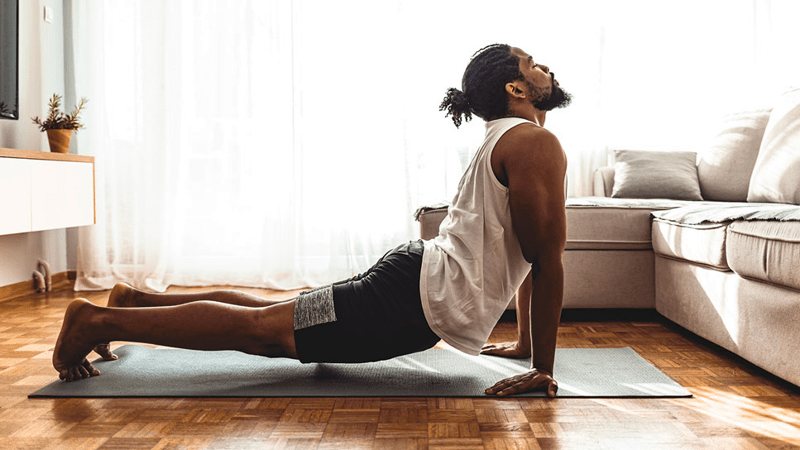
Another misconception is that flexibility equals fitness. A flexible body doesn’t always mean a healthy one. Yoga promotes overall well-being. It’s about breathing, mindfulness, and self-awareness. These elements are often overshadowed by the focus on flexibility. Understanding yoga’s true purpose can enhance your practice. It’s not just about how far you can stretch.
Credit: health.clevelandclinic.org
Potential Downsides Of Yoga
Yoga may not be worth the effort for those seeking extreme flexibility. Excessive focus on stretching can lead to muscle strain. Balancing flexibility with strength is crucial for overall well-being.
Potential Downsides of Yoga Yoga is often hailed as the ultimate path to flexibility and tranquility, but it’s not without its pitfalls. While many people find yoga beneficial, it’s essential to weigh the potential downsides before rolling out your mat. Understanding these challenges can help you make an informed decision about whether yoga aligns with your goals and lifestyle.Risk Of Injuries
Yoga might seem gentle, but injuries are surprisingly common. Pushing your body into a pose it’s not ready for can lead to strains or sprains. Imagine attempting a headstand without proper guidance; the risk of neck injury is real. Even experienced yogis can suffer from repetitive strain injuries. Over time, this can lead to chronic pain or long-term damage. Always listen to your body and know your limits.Time And Commitment Required
Yoga demands consistency, which can be tough for those with busy schedules. Practicing sporadically won’t yield the benefits many seek. Consider the time it takes to attend classes, practice at home, and incorporate yoga into your routine. Can you commit to an hour daily for weeks or months? For some, this may mean sacrificing other activities or leisure time. It’s crucial to evaluate whether this commitment fits into your lifestyle.Alternative Approaches
Exploring alternative methods can enhance flexibility beyond traditional yoga. Activities like pilates or tai chi offer diverse benefits. These options may provide a more balanced workout without requiring intense poses.
Exploring alternative approaches to fitness can open up a world of possibilities beyond traditional yoga practices. While yoga is renowned for enhancing flexibility, it might not align with everyone’s goals or preferences. So, what other avenues can you explore to maintain a fit and balanced lifestyle?Other Fitness Options
Consider activities that combine movement, fun, and fitness. Pilates is a fantastic option, focusing on core strength and stability. It’s less about bending like a pretzel and more about building a solid foundation. Dance classes such as Zumba or ballroom dancing offer cardio benefits while keeping the excitement alive. You’ll find that moving to music can be both invigorating and a great workout. Martial arts like karate or taekwondo also provide an intense full-body workout while improving discipline and focus. These practices encourage mental strength along with physical prowess.Balancing Flexibility And Strength
Achieving a balance between flexibility and strength is crucial. Stretching routines, like those found in dynamic stretching, can be integrated into your fitness regime without the need for a yoga mat. Strength training exercises, using either bodyweight or weights, can enhance muscle tone and endurance. Think about exercises like squats, lunges, and push-ups. Consider a weekly schedule that alternates between strength sessions and flexibility exercises. This balanced approach can help you develop a well-rounded physique without feeling confined to one method. Are you ready to explore new pathways in your fitness journey? Remember, the best workout is the one that you enjoy and that fits your lifestyle.
Credit: www.instagram.com
Personal Fitness Goals
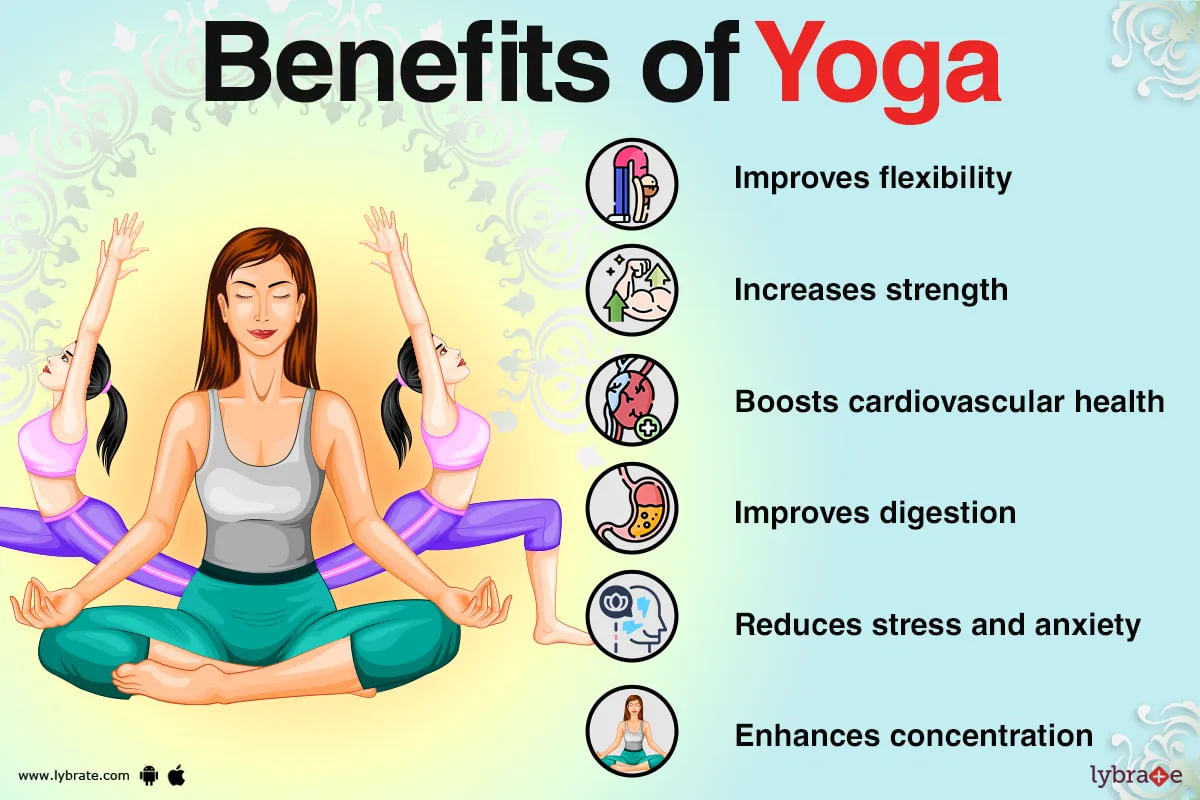
Personal fitness goals shape our exercise choices. Some people aim for strength, others for flexibility. Yoga often comes to mind for improving flexibility. But is it the best option for everyone? Understanding your personal fitness goals helps determine if yoga aligns with your needs.
Understanding Individual Needs
Everyone’s body responds differently to exercise. Some might benefit from increased flexibility, while others focus on building strength. Understanding your body’s specific needs is key. Consider your daily activities and what improvements you seek. Do you need more flexibility, or is strength a priority? Assessing these needs can guide your fitness choices effectively.
Setting Realistic Expectations
Setting realistic expectations is crucial in any fitness journey. Yoga can enhance flexibility, but progress takes time. Some people might find they need more targeted exercises. Be honest about what you hope to achieve. If flexibility is not your main goal, yoga might not be your best option. Consider other forms of exercise that might better suit your goals.
Credit: www.lybrate.com
Frequently Asked Questions
Why Is Flexibility Important For Health?
Flexibility enhances physical performance by improving range of motion and reducing injury risk. It aids in maintaining muscle balance and posture, contributing to overall health. Moreover, flexibility exercises can alleviate muscle tension, promoting relaxation and stress relief, which are essential for well-being.
Can Yoga Improve Flexibility?
Yoga can significantly boost flexibility through various poses and stretches. It targets multiple muscle groups and enhances joint mobility. Regular practice encourages gradual improvement in flexibility, leading to better posture and reduced muscle stiffness, which contributes to physical and mental health.
Are There Downsides To Yoga For Flexibility?
While yoga improves flexibility, it may not suit everyone. Some poses can strain muscles if done improperly. Additionally, yoga requires commitment and patience for noticeable results. It’s important to listen to your body and practice under guidance to avoid injuries.
Is Flexibility Overrated In Fitness?
Flexibility is crucial but often misunderstood in fitness. It’s not about extreme bending but ensuring efficient movement. Flexibility supports strength, endurance, and coordination, making it a vital component of a balanced fitness routine, though sometimes overshadowed by other fitness goals.
Conclusion
Flexibility has benefits, but yoga might not suit everyone. Explore what works for you. Yoga offers more than bending. It promotes peace and mindfulness. Consider your goals and preferences. Some find joy in yoga’s calmness. Others prefer dynamic activities. Listen to your body.
It knows what you need. Balance is key in fitness and life. Flexibility is just one aspect. Health involves many elements. Find what keeps you motivated. Try new things. Discover what feels right. Remember, fitness should be enjoyable. Keep exploring and stay active!