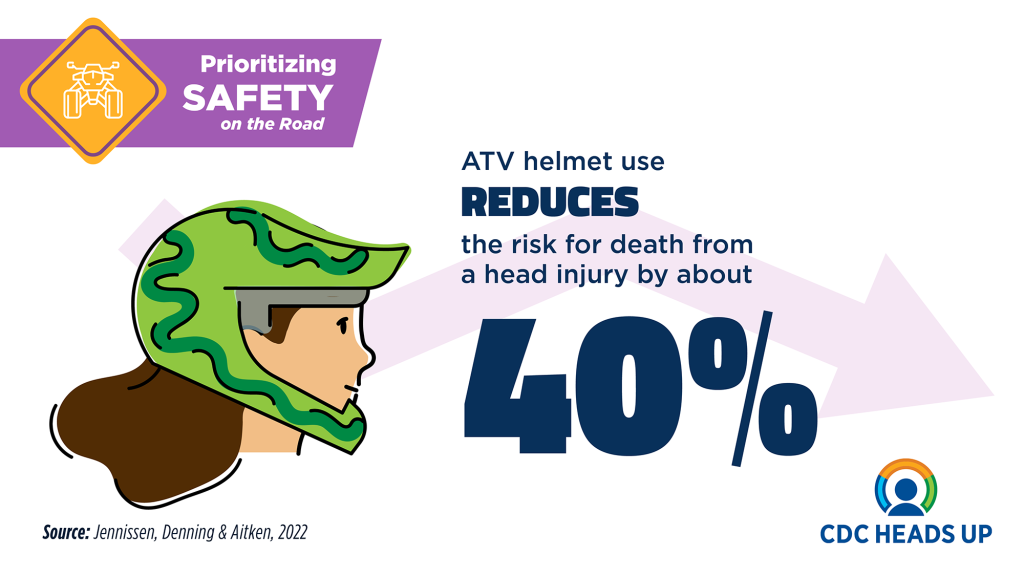
Imagine living your day-to-day life, enjoying your favorite activities, when suddenly, a head injury changes everything. It’s a frightening thought, isn’t it?
Your head is one of the most vulnerable parts of your body, and protecting it should be a top priority. In this guide, you’ll discover simple yet effective strategies to safeguard yourself from potential head injuries. Whether you’re an athlete, a parent, or just someone who loves the outdoors, understanding these prevention techniques can give you peace of mind.
Dive in and learn how you can take control of your safety and keep your mind sharp and healthy. Let’s ensure that your head stays out of harm’s way!
Helmet Safety
Helmet safety is crucial when it comes to preventing head injuries. Whether you’re cycling, skateboarding, or riding a scooter, wearing a helmet can significantly reduce the risk of serious injury. But not all helmets offer the same level of protection. Knowing how to choose, fit, and maintain your helmet is vital in ensuring you get the maximum benefit from this essential piece of safety gear.
Choosing The Right Helmet
Selecting the right helmet is more than just picking one that looks cool. Consider the specific activity you’re engaging in. Different sports and activities require different helmet types, designed to protect against specific impacts.
- Ensure the helmet meets safety standards specific to your country.
- Look for certifications like ASTM, CPSC, or Snell.
- Opt for a helmet with a sturdy outer shell and a shock-absorbent liner.
Think about the environment you’ll be in. For instance, a helmet with a visor may be beneficial for sunny conditions, while increased ventilation can help in warmer climates.
Ensuring Proper Fit
A helmet that doesn’t fit well can be as ineffective as not wearing one at all. Proper fit ensures that the helmet stays in place during an impact and provides the intended protection.
- Measure your head circumference and try on helmets in that size range.
- Adjust the straps and buckle to ensure a snug fit without being too tight.
- Perform a shake test: the helmet should stay firmly in place when you shake your head.
Remember, a helmet should sit low on your forehead, just above your eyebrows. If it tilts back or forward, it’s not the right fit.
Regular Helmet Maintenance
A well-maintained helmet continues to offer protection as intended. Regularly check for any damage or wear that might compromise its safety features.
- Inspect your helmet for cracks, dents, or any deformities after each use.
- Clean the helmet regularly using mild soap and water to remove dirt and sweat.
- Replace your helmet every few years, especially if it’s been involved in an accident.
Keeping your helmet in good condition ensures it will perform as expected when you need it most. It’s a small effort that can make a big difference in safety.
Home Safety Measures
Ensure proper lighting to avoid trips and falls. Use safety gates at staircases for added protection. Install padding on sharp edges of furniture.
Ensuring your home is a safe haven is crucial in preventing head injuries. A significant number of these injuries occur within the home, where we often feel most secure. Implementing effective home safety measures can dramatically reduce the risk of accidents. By focusing on key areas such as fall prevention, ladder safety, and childproofing, you can create a safer environment for yourself and your loved ones.Fall Prevention Strategies
Falls are one of the most common causes of head injuries at home. To minimize this risk, make sure your floors are free of clutter and spills. Secure loose rugs with non-slip pads and ensure all areas are well-lit, especially staircases. Consider installing handrails on both sides of the stairs for extra support. Regularly check that your furniture is stable and avoid placing obstacles in high-traffic areas. You might be surprised at how small adjustments, like rearranging furniture, can significantly lower the risk of falls.Safe Use Of Ladders
Using a ladder safely requires more than just common sense. Always ensure that the ladder is positioned on a stable surface before climbing. Check that it is fully extended and locked if it’s an extension ladder. Never stand on the top rung or lean too far to one side. A good rule of thumb is to maintain three points of contact with the ladder at all times. If you’re ever unsure about your stability, it’s better to call for help than risk an accident.Childproofing Tips
Protecting your little ones from head injuries involves more than covering sharp corners. Secure heavy furniture and appliances to the wall to prevent tipping. Use safety gates at the top and bottom of stairs to restrict access. Install window guards to prevent falls and always supervise children during playtime. Consider the curious nature of children and store potentially dangerous items like tools and cleaning supplies out of reach. Ask yourself, is your home truly safe for children? Evaluating each room from a child’s perspective might reveal unexpected hazards.Sports And Recreation Precautions
Engaging in sports and recreational activities offers countless benefits. But it also carries some risks, particularly head injuries. Precautions are crucial for keeping yourself safe while enjoying these activities. By adopting the right measures, you can significantly reduce the chances of sustaining a head injury.
Using Protective Gear
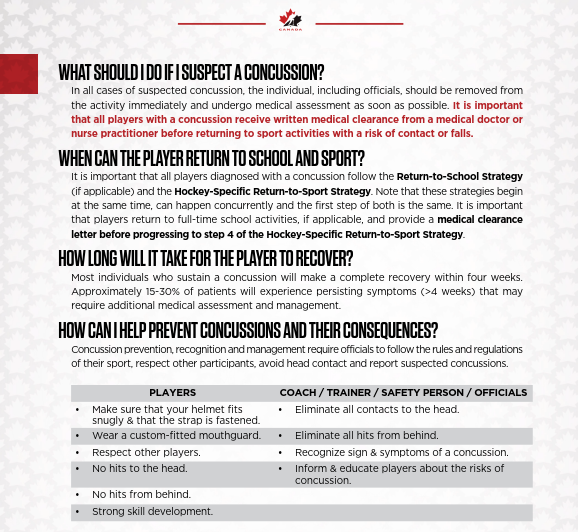
Wearing protective gear is essential in sports. Helmets are crucial for sports like cycling, skateboarding, and football. They absorb impact and protect the skull. Ensure your helmet fits well. It should be snug but not tight. Check for certifications like ASTM or CPSC. These ensure quality and effectiveness. Other gear includes mouthguards. These reduce the risk of concussion during contact sports. Always replace damaged gear.
Safe Playing Techniques
Learning safe playing techniques minimizes risks. Use proper posture and movements. Coaches can guide you on this. Avoid aggressive or reckless actions. Knowing your limits is important. Fatigue increases the risk of accidents. Rest adequately before engaging in any sport. Warm-ups are vital. They prepare your body for physical exertion. Stretching reduces the risk of muscle strain and injuries.
Recognizing Signs Of Concussion
Recognizing concussion signs is crucial for prompt action. Symptoms include headaches and dizziness. Nausea and confusion are common indicators. Watch for changes in behavior or mood. Memory problems may occur. Loss of consciousness needs immediate attention. Always consult a healthcare professional if you suspect a concussion. Early diagnosis prevents further complications.

Credit: www.facebook.com
Road Safety Practices
Wearing a helmet can significantly reduce the risk of head injuries in accidents. Ensure your helmet fits snugly for effective protection. Regularly check and maintain your helmet’s condition for optimal safety.
Road safety practices are essential to prevent head injuries on the road. Whether you are driving a car or riding a bike, following safety guidelines can save lives. Understanding and implementing these practices can make roads safer for everyone.Wearing Seatbelts
Always buckle up before starting your journey. Seatbelts keep you secure during sudden stops or collisions. They reduce the risk of head injuries by preventing you from hitting the dashboard or windshield. Make it a habit to check if everyone in the vehicle is wearing their seatbelt.Avoiding Distractions
Stay focused while driving. Keep your eyes on the road and hands on the wheel. Avoid using your phone or eating while driving. These distractions can lead to accidents. Even a momentary glance away can be dangerous. Concentrate fully on driving to keep yourself and others safe.Cyclist And Pedestrian Safety
Cyclists should wear helmets and bright clothing. Use designated bike lanes and follow traffic signals. Pedestrians should cross at marked crosswalks and remain alert. Look both ways before crossing. Ensure you are visible to drivers at night. These practices protect both cyclists and pedestrians from accidents.Workplace Safety Guidelines
Ensuring workplace safety involves wearing protective helmets and keeping pathways clear to prevent head injuries. Regular training on safety protocols can also reduce risks. Prioritizing these guidelines helps create a safer work environment for everyone.
Workplace safety is crucial for preventing head injuries and ensuring a productive work environment. Understanding and implementing safety guidelines can significantly reduce risks. Let’s explore some key strategies to keep you safe at work.Protective Headgear
Wearing protective headgear can be a lifesaver. Hard hats or helmets are essential in environments where falling objects are a hazard. Make sure your headgear fits properly and is in good condition. Consider the story of a construction worker who avoided a serious injury because he was wearing a sturdy helmet. His experience underscores the importance of never skipping this essential piece of safety equipment.Safe Equipment Handling
Proper equipment handling is vital for head safety. Always use machinery according to the manufacturer’s guidelines. Take time to familiarize yourself with the equipment before operating it. Avoid shortcuts, as they can lead to mistakes. Would you risk your safety for the sake of convenience? Prioritize correct usage over speed to protect yourself and others.Emergency Preparedness
Being prepared for emergencies can make a huge difference. Know the emergency exits and have a plan in place. Regular drills can help you respond quickly in a crisis. Imagine an unexpected incident at work. Would you know what to do? By being prepared, you can minimize panic and ensure a swift, safe response.
Credit: premierortho.com
Awareness And Education
Awareness and education play a crucial role in preventing head injuries. They empower individuals and communities to recognize hazards, understand safety measures, and respond effectively in emergencies. By prioritizing education, you can create a safer environment for yourself and others.
First Aid Knowledge
Knowing first aid can be life-saving. Imagine witnessing an accident where someone suffers a head injury. Your ability to administer basic first aid could prevent further harm. Consider taking a first aid course to learn how to handle such situations confidently.
These courses often cover crucial skills like assessing injuries and performing CPR. They also teach you how to stabilize a person until professional help arrives. Such knowledge is invaluable and can make a significant difference in emergencies.
Community Safety Programs
Community safety programs are excellent resources for enhancing awareness. Participating in local initiatives can help you stay informed about safety practices. Many communities offer workshops and seminars focusing on injury prevention.
Engaging with these programs not only benefits you but also strengthens community ties. You get to exchange ideas and experiences with others who share your concerns about safety. Together, you can advocate for safer environments.
Staying Updated On Safety Standards
Safety standards evolve, and keeping up with them is essential. Are you aware of the latest guidelines for sports, driving, or workplace safety? Regularly check for updates from reputable sources like government agencies and safety organizations.
Staying informed about these standards means you’re equipped with the most current practices to prevent injuries. Consider subscribing to newsletters or following safety blogs to receive timely updates. This proactive approach ensures you’re prepared to make informed decisions.
Credit: www.hockeyalberta.ca
Frequently Asked Questions
What Are Common Causes Of Head Injuries?
Head injuries often result from falls, accidents, and sports. Understanding these causes helps in prevention. By identifying risk factors, we can take steps to protect ourselves. Wearing helmets and practicing safety measures are essential. Staying alert in hazardous situations can also reduce the risk of head injuries.
How Can Helmets Prevent Head Injuries?
Helmets absorb impact, protecting the skull and brain during accidents. They reduce the risk of serious injuries. Always wear a helmet when biking, skateboarding, or engaging in risky activities. Choose helmets that fit well and are certified for safety standards.
Regularly check for any damage to ensure maximum protection.
What Safety Tips Help Avoid Head Injuries?
Avoid head injuries by staying alert and cautious. Use safety gear like helmets and seatbelts consistently. Keep your home free of fall hazards. Install handrails and safety gates if necessary. Educate children about safe play practices. Regular exercise enhances balance and coordination, reducing the risk of falls.
Can Sports Increase Head Injury Risks?
High-impact sports carry a higher risk of head injuries. Football, hockey, and boxing are examples. Proper training and safety gear are crucial. Coaches should emphasize safe playing techniques. Regular health checks can detect early signs of injury. Awareness and prevention strategies are key to reducing risks.
Conclusion
Protecting your head is vital for a healthy life. Wear helmets when biking or skating. Always fasten seat belts in vehicles. Keep your home safe from falls. Check for loose rugs and clutter. Regular exercise can improve balance and coordination.
Teach children safety rules early on. Be cautious and aware of your surroundings. Small steps can make a big difference. Safety today prevents issues tomorrow. Stay alert and protect your well-being. Head safety is everyone’s responsibility. Prioritize safety, and live with peace of mind.
Keep these tips in mind for a safer future.