Imagine effortlessly touching your toes, feeling light and agile, and moving with grace. If you’re yearning for flexibility and fluidity in your daily life, yoga might just be your perfect match.
Whether you’re a seasoned yogi or a complete beginner, this ancient practice offers incredible benefits for your body and mind. But how exactly can you get more flexible through yoga? In this guide, you’ll discover simple yet powerful techniques that will help you unlock your body’s potential.
We’ll dive into the best yoga poses that target flexibility, provide tips for incorporating them into your routine, and share insights that will keep you motivated on your journey. By the end of this article, you’ll not only understand how to enhance your flexibility but also feel inspired to roll out your mat and start practicing today. Ready to transform your body and mind? Let’s get started!

Credit: www.youtube.com
Benefits Of Flexibility In Yoga
Yoga enhances flexibility, improving overall body movement. Regular practice stretches muscles and increases joint mobility. This leads to better posture and reduced injury risk.
Flexibility is a key component of yoga, offering numerous advantages that go beyond just being able to touch your toes. Improved flexibility can enhance your yoga practice and positively impact your overall well-being. But why should you care about becoming more flexible through yoga?Improved Range Of Motion
Being flexible means you can move your joints through their full range of motion. This makes everyday activities easier and reduces the risk of injury. Imagine walking up stairs without feeling stiff or reaching for something on the top shelf effortlessly. Yoga helps you achieve this by stretching and lengthening your muscles consistently.Enhanced Muscle Strength
Flexibility is not just about stretching; it also improves muscle strength. When you stretch your muscles, you engage them in a way that builds strength. This means you get a balance of flexibility and strength, making you more resilient. Have you noticed how yoga practitioners can hold poses for a long time? That’s strength and flexibility working together.Better Posture
Flexibility in yoga contributes to better posture. Tight muscles can pull your body out of alignment, leading to poor posture and back pain. Yoga stretches help elongate your muscles, allowing your body to align itself naturally. With better posture, you may find yourself standing taller and feeling more confident.Stress Relief
Flexible muscles often lead to a relaxed mind. As you stretch, your body releases tension, which can lower stress levels. Have you ever noticed how you feel more relaxed after a yoga session? That’s your body responding to the release of tension, giving you a sense of calm.Improved Circulation
Flexibility can enhance blood circulation. Stretching your muscles during yoga helps increase blood flow, delivering more oxygen to your brain and organs. This can make you feel more energetic and focused throughout the day.Personal Story: Finding Flexibility
When I first started yoga, I could barely touch my toes. But with consistent practice, I noticed a remarkable change. Not only did my flexibility improve, but I also felt less stressed and more energetic. I found that flexibility was not just about physical movement, but also about mental ease. Do you remember the last time you felt truly relaxed? Yoga might be your answer.Thought-provoking Question
How would your life change if you could move freely without any physical restrictions? Consider the possibilities and take a step towards a more flexible you.Choosing The Right Yoga Style
Yoga is not just about stretching; it’s a journey to flexibility that involves choosing the right style to match your goals and experience level. Understanding various yoga styles can help you tailor your practice to improve flexibility effectively. Let’s dive into some popular yoga styles that cater to different needs.
Vinyasa For Flow
Vinyasa yoga is all about connecting breath with movement, creating a dynamic flow that can enhance your flexibility over time. Imagine moving seamlessly from one pose to another, each transition guided by your breath. This style is perfect for those who enjoy a more active practice and want to build strength alongside flexibility. The continuous movement helps to warm up the muscles, making them more pliable and ready to stretch further.
If you find yourself bored with static holds, Vinyasa might be your answer. It’s like a dance that energizes your spirit and body. As you flow from one posture to the next, your muscles gradually open up, allowing for deeper stretches. Have you ever felt the exhilaration of flowing like water through your practice?
Hatha For Beginners
Hatha yoga is ideal for beginners who want to ease into the world of yoga. It focuses on basic postures and slower movements, making it accessible to everyone. If you’ve ever felt intimidated by faster-paced classes, Hatha provides a welcoming environment to start your journey.
In Hatha classes, you’ll learn the fundamentals of alignment and breathing. This style helps you build a solid foundation, ensuring that you practice safely and effectively. You might be surprised at how quickly your body responds to these gentle stretches, gradually increasing your flexibility. Are you ready to take the first step toward a more flexible you?
Yin For Deep Stretching
Yin yoga offers a unique approach, focusing on deep stretching by holding poses for longer durations. This style targets connective tissues rather than muscles, providing an intense stretch that improves flexibility and joint mobility. Have you ever felt the powerful release that comes from holding a pose and letting go?
Yin requires patience and mindfulness, as you stay in each pose for several minutes. This extended time allows your body to relax and sink deeper into stretches, reaching parts of your body that other styles might not. It’s perfect for those looking for a meditative practice that complements more dynamic styles. Are you ready to embrace stillness for a profound transformation?
Essential Yoga Equipment
Yoga mats provide a stable surface, enhancing flexibility during poses. Blocks and straps assist in deeper stretches. Comfortable clothing allows unrestricted movement, crucial for improving flexibility.
Essential yoga equipment helps enhance your practice. It makes your journey to flexibility smoother and more enjoyable. Investing in the right gear can make a significant difference. Here are some essentials to consider.Yoga Mat Selection
A good yoga mat provides stability. It should have a non-slip surface. This ensures safe practice during poses. Thickness matters too. Thicker mats offer better cushioning. This protects your joints. Lightweight mats are ideal for travel. Choose one that suits your needs and style.Props For Support
Yoga props assist in achieving poses. Blocks are great for beginners. They provide extra height and support. Straps help with flexibility. They allow you to reach further. Bolsters offer comfort during relaxation poses. They support your back and neck. Keep these handy for a smoother practice.Comfortable Clothing
Wear clothes that allow free movement. Tight clothes can restrict poses. Opt for breathable fabrics. They keep you cool and dry. Proper fit is important. This prevents distractions during practice. Simple designs work best. Avoid clothes with zippers or buttons.Warm-up Techniques
Yoga is a journey towards flexibility and peace. Before diving into poses, warming up is key. It prepares your muscles, reducing the risk of injury. Good warm-up practices enhance your yoga experience. They make your body more receptive to stretching. Warm-up techniques are essential for unlocking yoga benefits.
Dynamic Stretches
Dynamic stretches are movements that keep your body active. They gently move muscles and joints, increasing blood flow.
- Arm circles: Swing your arms in circles to loosen shoulder muscles.
- Leg swings: Swing your legs forward and backward to stretch hip flexors.
- Torso twists: Rotate your torso side to side for spinal flexibility.
These movements wake up your muscles. They prepare your body for deeper stretches.
Breathing Exercises
Breathing exercises calm your mind and enhance focus. Deep breathing relaxes muscles and reduces tension.
- Deep inhales: Breathe deeply, filling your lungs with air.
- Slow exhales: Release air slowly, letting tension melt away.
- Controlled breathing: Focus on steady breaths to calm your mind.
Breathing connects your mind and body. It sets a peaceful tone for your practice.
Basic Yoga Poses For Flexibility
Yoga is an incredible way to enhance your flexibility, which can improve your overall physical health and well-being. Whether you’re a seasoned yogi or a curious beginner, practicing basic poses can significantly boost your flexibility. Let’s delve into a few foundational yoga poses that can help you stretch and strengthen your body.
Forward Bend
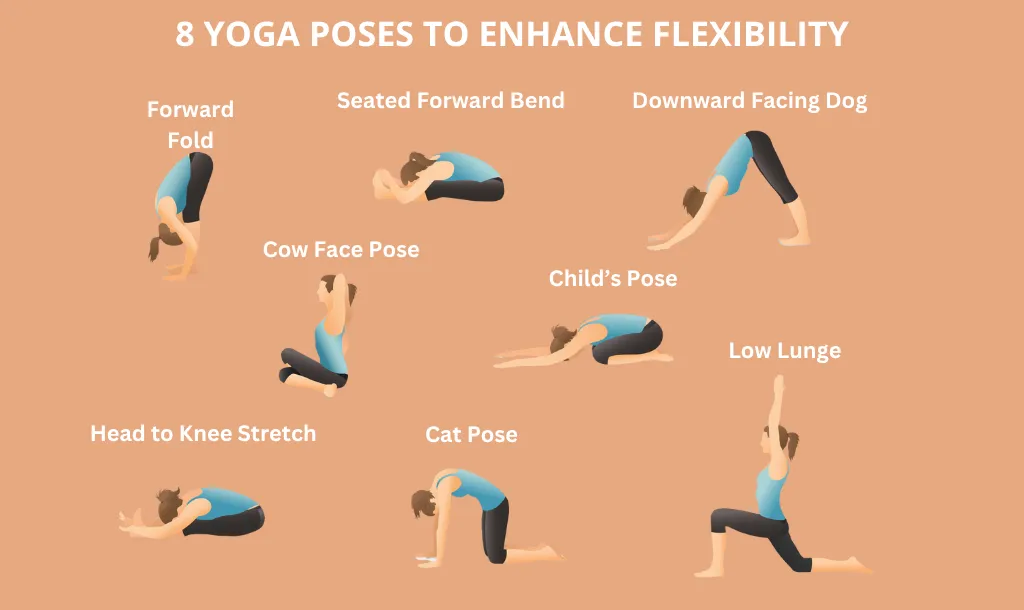
The Forward Bend is a simple yet powerful pose that gently stretches your hamstrings, calves, and spine. To perform this pose, stand with your feet hip-width apart and slowly bend forward at the hips, allowing your arms to hang down or rest on your shins. Feel the stretch in your legs and back as you breathe deeply.
You might find it challenging at first to reach your toes. That’s perfectly fine. Use a yoga strap or simply bend your knees slightly to ease into the pose.
Downward Dog
Downward Dog is a classic yoga pose that works wonders for flexibility. Begin on your hands and knees, then lift your hips upward, forming an inverted V-shape with your body. Keep your hands shoulder-width apart and press your heels towards the ground.
This pose not only stretches your hamstrings and calves but also strengthens your shoulders and arms. Imagine the energy flowing from your fingertips to your heels, creating a dynamic stretch throughout your body.
Cat-cow Stretch
The Cat-Cow Stretch is a gentle sequence that enhances flexibility in your spine. Start on all fours, aligning your wrists under your shoulders and knees under your hips. Inhale as you arch your back (Cow), and exhale as you round it (Cat).
This movement warms up your spine and increases its flexibility. It’s an excellent way to start your yoga practice or to relieve tension after a long day.
Have you ever noticed how your body feels after a few weeks of consistent practice? By regularly engaging in these basic poses, you might find yourself moving with greater ease and comfort in everyday activities. Remember, flexibility is not just about the physical stretch but also about feeling more at ease in your own body.

Credit: www.youtube.com
Building A Consistent Practice
Yoga can boost flexibility through regular practice. Start with simple poses and gradually progress to more challenging ones. Consistency helps muscles stretch and adapt, enhancing overall flexibility and body awareness.
Building a consistent yoga practice is the key to gaining flexibility and reaping the full benefits of yoga. It’s not just about practicing a few poses here and there; it’s about creating a routine that becomes an integral part of your lifestyle. Whether you’re a beginner or an experienced yogi, consistency is what transforms your practice from a task into a rewarding journey.Setting Realistic Goals
Setting realistic goals is crucial in maintaining a consistent yoga practice. Start by asking yourself what you hope to achieve. Is it touching your toes or mastering a particular pose? Begin with small, achievable targets. Perhaps aim to practice yoga three times a week instead of daily marathons. This sets you up for success and keeps your motivation high. Remember, flexibility improves over time. Celebrate small victories along the way, like holding a stretch a bit longer or reaching a little further.Creating A Routine
Creating a routine helps in embedding yoga into your daily life. Choose a time of day when you’re least likely to skip your practice. Morning routines can invigorate you, while evening sessions might help you unwind. Make a schedule. Write it down or set reminders on your phone. Consistency is easier when it becomes part of your daily rhythm. Mix up your routine to keep it interesting. Include a variety of poses and styles, from gentle stretches to more dynamic flows. Have you considered joining an online class? It can provide structure and accountability, especially on days when motivation wavers. Flexibility through yoga is a journey. Are you ready to embrace it?Listening To Your Body
Listening to your body during yoga enhances flexibility. Adjust poses to suit personal comfort levels. Embrace gradual progress for lasting improvement.
Listening to your body is a vital part of your yoga journey, especially when aiming for flexibility. It’s easy to get caught up in the desire for quick results, but your body has its own timeline. Respecting that can make all the difference between progress and setback. Taking a moment to tune into how your body feels during each pose can guide you toward safer practices and better outcomes. You may be surprised at how much your body communicates, offering signals that should not be ignored.Avoiding Overstretching
Overstretching is a common pitfall in the quest for flexibility. It’s tempting to push past your limits, but this can lead to injuries. Instead, focus on gradual progress. Pay attention to the subtle cues your body gives—tightness, discomfort, or pain are signals to ease up. Practicing patience and restraint can lead to sustainable flexibility gains over time.Recognizing Progress
Acknowledging your progress can be a powerful motivator. It’s important to celebrate small victories, whether it’s holding a pose longer or achieving a deeper stretch. Take note of how your body feels post-practice. Are you moving more freely or feeling less tension? These are signs of your growing flexibility. Reflect on your journey regularly. How has your perception of your body changed? This reflection not only boosts morale but also reinforces a positive mindset toward your flexibility goals.Incorporating Mindfulness
Incorporating mindfulness into yoga helps improve flexibility. Focus on your breath and body movements. This practice enhances awareness, allowing deeper stretches and relaxation.
Incorporating mindfulness into your yoga practice can transform not only your flexibility but also your entire experience on the mat. Mindfulness invites you to connect more deeply with each pose, enhancing your ability to stretch and strengthen your body. It’s not just about the physical movement but also about cultivating a mental presence that enriches your practice.Meditation For Focus
Start with a brief meditation session before you begin your yoga practice. This can help center your mind and sharpen your focus. A simple five-minute meditation, sitting comfortably and focusing on your breath, can set a calming tone. Feel your body relax as you release tension and distractions, creating space for flexibility in both mind and body. Imagine how much more effective your practice could be if you were fully present. Meditation cultivates this presence, allowing you to move with intention and awareness.Connecting Breath And Movement
Breath is the bridge between your mind and body. Syncing your breath with your movements can amplify the benefits of yoga. During each pose, pay attention to your breathing pattern. Inhale deeply as you prepare for a movement and exhale as you transition into a stretch. This not only increases flexibility but also improves control and stability. Try to notice the rhythm that your breath creates. Allow it to guide your flow, making each motion fluid and purposeful. This connection can transform a rigid stretch into a graceful dance between breath and body. Are you ready to deepen your flexibility by simply breathing more mindfully? This subtle shift can elevate your practice to new heights.Tracking Your Flexibility Journey
Discover how yoga can enhance your flexibility through consistent practice. Track your progress to stay motivated and see improvement. Simple poses can gradually increase your range of motion, making daily activities easier.
Tracking your flexibility journey in yoga is essential for progress. Understanding your progress helps maintain motivation. It also allows you to identify areas needing improvement. By keeping track, you can see how far you’ve come. This can boost your confidence and encourage you to continue.Keeping A Yoga Journal
A yoga journal is a simple tool. It helps you document your journey. Write down your sessions regularly. Include the poses you practiced. Note any challenges or achievements. Describe how your body felt during each pose. Over time, this journal becomes a valuable resource. It shows patterns and progress. Reflecting on past entries can reveal how much you’ve improved.Celebrating Milestones
Celebrating milestones keeps your journey exciting. Set small goals for your flexibility. Acknowledge each achievement, no matter how small. Reward yourself for reaching these goals. This could be a new yoga mat or a relaxing bath. Celebrating maintains your enthusiasm. It also reminds you to appreciate your hard work. Each milestone brings you closer to your flexibility goals.
Credit: www.youtube.com
Frequently Asked Questions
How Does Yoga Improve Flexibility?
Yoga stretches and strengthens muscles, increasing flexibility over time. Regular practice enhances joint mobility and reduces stiffness. Incorporating various poses helps target different muscle groups, promoting overall flexibility. Consistency is key to seeing results, so aim for regular sessions to gradually improve your range of motion.
Can Beginners Become Flexible With Yoga?
Yes, beginners can improve flexibility with yoga. Start with basic poses and gradually progress. Focus on alignment and breathing to safely enhance flexibility. Consistent practice, even a few times a week, will lead to noticeable improvements in flexibility. Patience and persistence are essential for long-term benefits.
How Often Should I Practice Yoga For Flexibility?
Practice yoga 3-5 times weekly for optimal flexibility improvement. Regular sessions will gradually enhance your range of motion. Consistency is crucial, but listen to your body and avoid overexertion. Short daily sessions can be effective, allowing muscles to adapt and grow more flexible over time.
Which Yoga Poses Increase Flexibility Fastest?
Poses like Downward Dog, Pigeon, and Forward Bend are effective for flexibility. They target key muscle groups and promote stretching. Incorporate these poses regularly into your routine. Consistent practice will lead to faster flexibility gains. Remember to focus on proper form and breathing during each pose.
Conclusion
Yoga boosts flexibility over time. Start slow and listen to your body. Remember, progress takes patience. Regular practice helps muscles stretch and strengthen. Breathing deeply aids relaxation and movement. Try different poses to target varied muscle groups. Consistency is key to improvement.
Enjoy the journey, not just the goal. Yoga is a personal practice, unique to each individual. Celebrate small victories along the way. Flexibility is a gradual process, not a race. Stay committed, and you’ll see results. Embrace each session as a step forward.
Always prioritize safety in your practice.