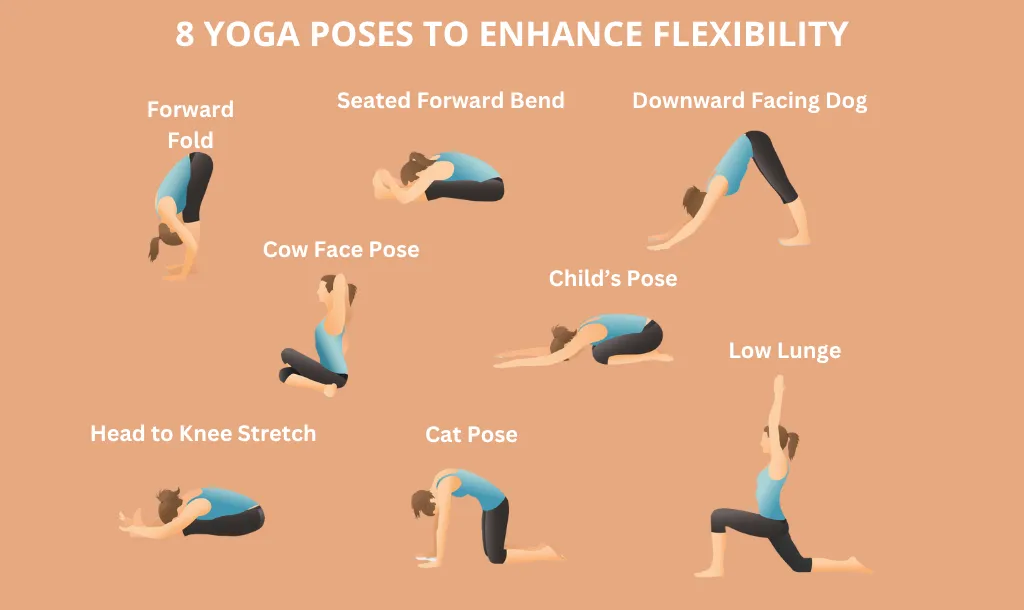
Have you ever found yourself wishing for more flexibility in your body? Maybe you’re tired of feeling stiff after sitting too long or just want to reach new levels in your fitness journey.
You’re not alone, and the good news is, yoga might be your answer. But with so many styles out there, how do you know which one focuses on flexibility? This is where we dive in. Imagine unlocking your body’s potential, moving with ease, and experiencing fewer aches and pains.
As you read on, you’ll discover the type of yoga that can transform your body and improve your flexibility. Get ready to stretch beyond your limits, because what you’ll find might just change the way you move forever.
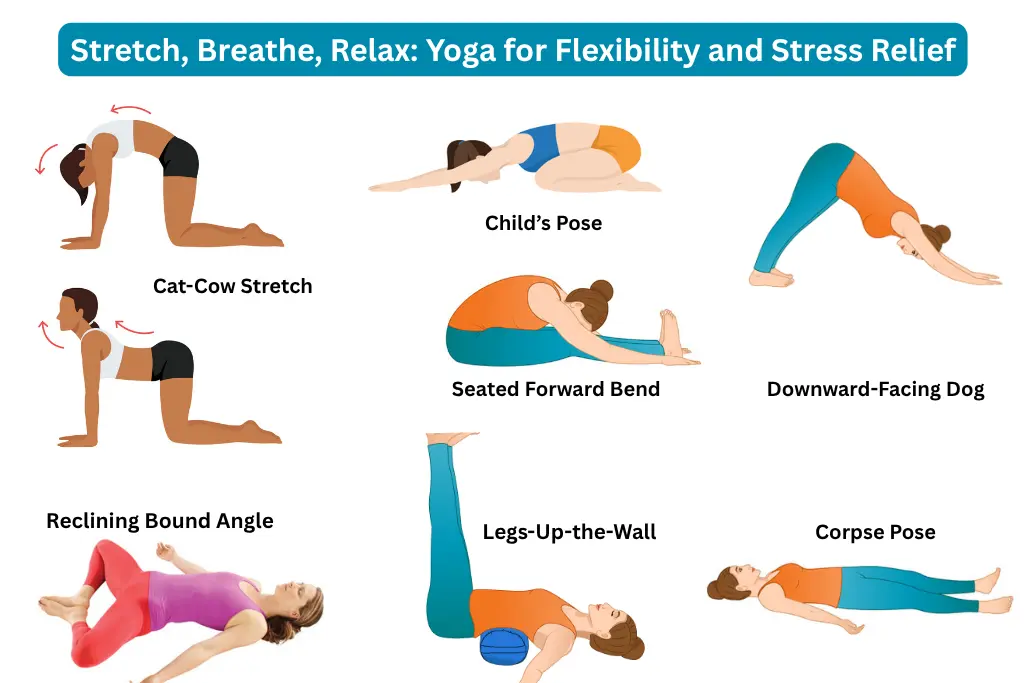
Credit: yogavibeshub.com
Yoga And Flexibility
Yoga is renowned for its ability to enhance flexibility, making it a favorite practice among those looking to improve their range of motion. Whether you’re a beginner or an advanced yogi, you’ll find that different yoga styles offer unique benefits for flexibility. But what type of yoga should you choose if you’re specifically aiming to increase your flexibility?
Understanding The Basics Of Flexibility In Yoga
Flexibility in yoga isn’t just about touching your toes or performing a split. It’s about gradually increasing your range of motion and releasing tension in your muscles. The beauty of yoga is that it encourages you to listen to your body and progress at your own pace.
Why Flexibility Matters
Being flexible enhances your overall physical health. It can reduce the risk of injuries and improve your posture. Imagine being able to reach higher shelves without strain or sitting comfortably without slouching. Improved flexibility is not just for athletes; it’s for everyone.
Types Of Yoga That Boost Flexibility
- Hatha Yoga:This style is perfect for beginners. It focuses on basic postures held for longer periods, allowing muscles to stretch and elongate. You might find yourself amazed at your progress over a few weeks.
- Vinyasa Yoga:Known for its dynamic flow, Vinyasa helps you build both strength and flexibility. As you move through sequences, your muscles warm up, making it easier to stretch deeper.
- Yin Yoga:If patience is your virtue, Yin Yoga is your go-to. It involves holding poses for several minutes, targeting deep connective tissues. You’ll feel a profound release of tension, which can be incredibly satisfying.
Personal Experience With Flexibility Yoga
When I started practicing Vinyasa Yoga, I could barely reach my toes. But the flowing sequences helped me unlock areas of tightness I didn’t even know existed. The transition from rigid to fluid was surprisingly swift, and it’s a journey I cherish every day.
What To Expect In Your Flexibility Journey
Embracing yoga for flexibility is not about achieving perfection. It’s about progress. You might not notice changes overnight, but with consistent practice, you’ll find your body becoming more supple and responsive. What areas of your life could benefit from increased flexibility?
Tips For Enhancing Flexibility Through Yoga
- Practice regularly but avoid overstretching; listen to your body.
- Warm up before diving into deep stretches to prevent injuries.
- Consider joining a class or following online tutorials to stay motivated.
Your flexibility journey is unique, and yoga can be the perfect companion to help you along the way. So, why not roll out your mat and see where it takes you?

Credit: www.yogabasics.com
Vinyasa Flow
Vinyasa Flow is a yoga style emphasizing flexibility through fluid, dynamic movements. Linking breath with motion, it enhances muscle suppleness and joint mobility. Perfect for those seeking to improve flexibility and balance.
Vinyasa Flow is a popular yoga style. It emphasizes fluid movement and breath synchronization. This dynamic practice helps improve flexibility. It connects various poses in a smooth sequence. Practitioners often describe it as a moving meditation. The flowing nature of Vinyasa makes it unique. It keeps the body engaged and the mind focused.Dynamic Movement
Vinyasa Flow involves continuous movement. Each pose transitions seamlessly to the next. This dynamic motion enhances flexibility over time. Muscles stretch and strengthen with every flow. Practicing regularly leads to improved muscle elasticity. It also helps release tension. This dynamic approach suits those who enjoy active sessions.Breath And Motion
Breath plays a crucial role in Vinyasa Flow. Each movement aligns with an inhale or exhale. This synchronization deepens the practice. Breath guides the transitions between poses. It also helps maintain focus and stability. Consistent breath control improves lung capacity. It supports better performance in physical activities. Balancing breath with motion enhances the yoga experience.Hatha Yoga
Hatha Yoga emphasizes slow and controlled movements to enhance flexibility. It combines physical postures with breathing techniques, promoting relaxation and stretching. Ideal for beginners, it helps improve balance and body awareness.
Hatha Yoga is often referred to as the yoga of balance. It blends physical postures with controlled breathing to harmonize the mind and body. This practice is particularly effective for improving flexibility, making it a popular choice for many yoga enthusiasts.Foundational Poses
In Hatha Yoga, foundational poses are the building blocks of flexibility. These poses, such as Downward Dog and Warrior II, help stretch and strengthen your muscles. Practicing these regularly can gradually enhance your range of motion. Each pose requires you to hold positions that challenge your balance and flexibility. By focusing on alignment, you engage different muscle groups. This not only improves flexibility but also builds muscle endurance over time.Gentle Stretching
Hatha Yoga incorporates gentle stretching techniques that are perfect for beginners. The slow-paced movements allow you to ease into deeper stretches without straining. This approach ensures that your body becomes more supple without risking injury. Imagine the feeling of slowly stretching your arms overhead, feeling the muscles lengthen and tension release. Hatha encourages this mindful stretching, promoting both physical and mental relaxation. Have you noticed how a gentle stretch can sometimes feel more rewarding than an intense workout?Yin Yoga
Yin Yoga focuses on enhancing flexibility through slow, deep stretches. Poses are held for longer periods, targeting connective tissues. This practice encourages relaxation and increases range of motion.
Yin Yoga is a calming practice that targets deep muscle relaxation. It emphasizes stretching connective tissues and increasing flexibility. Unlike other yoga styles, it involves holding poses for longer periods. This gives the body time to open up and release tension. Yin Yoga is ideal for those seeking a meditative experience while improving flexibility.Deep Stretches
Yin Yoga focuses on deep stretches that reach the fascia. These stretches enhance flexibility by lengthening connective tissues. The slow pace allows muscles to relax deeply. It helps increase blood flow and circulation in the joints. Practitioners often feel a soothing release as tension melts away. This approach makes Yin Yoga perfect for flexibility improvement.Holding Poses
In Yin Yoga, poses are held for several minutes. Holding poses helps the body adapt and stretch more effectively. It teaches patience and mindfulness during practice. Long holds allow deeper penetration into muscles and joints. This method helps in building resilience and flexibility. Yin Yoga’s extended pose duration is its key characteristic.Ashtanga Yoga
Ashtanga Yoga targets enhancing flexibility through a dynamic sequence of poses. Each movement is synchronized with breath, promoting strength and flexibility. This practice encourages fluid transitions, making muscles more pliable and joints more mobile.
Ashtanga Yoga is a dynamic style of yoga that enhances flexibility. It is rooted in ancient traditions and focuses on synchronizing breath with movement. This practice involves a series of poses performed in a specific order. Ashtanga is known for its structured and disciplined approach. It challenges both body and mind, promoting growth in flexibility and strength.Structured Sequence
Ashtanga Yoga follows a structured sequence of poses. This predefined order brings stability and focus to the practice. Each pose builds on the previous one, ensuring a balanced routine. The sequence includes standing poses, seated poses, and inversions. Practitioners repeat the same sequence, enabling gradual improvement. This consistency helps in tracking progress and mastering each pose. The structured approach aids in developing muscle memory.Progressive Flexibility
Ashtanga encourages progressive flexibility over time. With regular practice, muscles and joints become more pliable. The sequence challenges different body parts, promoting overall flexibility. Gradual stretching enhances range of motion and reduces stiffness. It is suitable for beginners and advanced practitioners alike. Over time, individuals can notice increased flexibility in daily activities. Consistency is key to experiencing lasting benefits.Bikram Yoga
Bikram Yoga focuses on flexibility through a series of 26 poses practiced in a heated room. This style enhances joint mobility and stretches muscles, promoting overall flexibility. Ideal for those seeking to improve their range of motion.
Bikram Yoga is a unique style that enhances flexibility through specific postures. It involves a series of 26 poses practiced in a heated room. This yoga style helps improve flexibility, balance, and strength. The warmth of the room allows muscles to stretch more easily, reducing the risk of injury. Bikram Yoga is suitable for beginners and experienced practitioners alike.Heated Environment
Bikram Yoga classes take place in a room heated to around 105°F. The heat helps relax muscles, making them more pliable. This warmth also encourages sweating, which can help remove toxins. Practicing in a heated environment can enhance focus and concentration. The heat adds intensity, promoting deeper stretching and flexibility.Enhanced Flexibility
Bikram Yoga focuses on improving flexibility through its 26 specific postures. Each pose targets different muscle groups, promoting overall body flexibility. Regular practice can lead to greater range of motion in joints. Flexibility gained in Bikram Yoga can improve performance in other activities. This yoga style also helps in reducing stiffness and muscle tension.Restorative Yoga
Restorative Yoga gently focuses on enhancing flexibility through passive stretching and relaxation. This practice uses props like blankets and bolsters to support poses, allowing the body to gradually release tension and improve mobility. Ideal for beginners seeking a calm, nurturing approach to flexibility.
Restorative Yoga is a calming practice focused on flexibility. It uses gentle poses to release tension. This yoga style nurtures the body, mind, and spirit. It emphasizes relaxation and helps improve flexibility. Restorative Yoga is ideal for all levels. It is especially beneficial for those seeking stress relief.Gentle Relaxation
Restorative Yoga promotes gentle relaxation. It involves slow, deliberate movements. These movements ease the body into a relaxed state. The poses are held for longer periods. This allows the muscles to soften. Breathing deeply enhances the relaxation process. It helps the mind and body unwind. Practitioners experience a sense of peace. This relaxation aids in increasing flexibility.Passive Stretching
Passive stretching is a key element. It involves using props like blocks and bolsters. These props support the body in various poses. The body stretches without exertion. Muscles lengthen naturally over time. Passive stretching reduces muscle tension. It encourages the release of tightness. This process enhances flexibility gently. Yoga practitioners find improved range of motion. They experience greater ease in daily activities.Choosing The Right Style
Selecting a yoga style that enhances flexibility often leads to exploring Hatha yoga. This form emphasizes gentle poses and deep stretching. Perfect for those aiming to improve muscle suppleness and joint mobility.
Choosing the right style of yoga is crucial for enhancing flexibility. Each yoga style offers unique benefits that cater to different needs. Understanding these differences helps in selecting a suitable practice. This selection depends on personal goals and individual body requirements.Personal Goals
Your personal goals play a key role in choosing a yoga style. If increasing flexibility is your aim, consider styles like Vinyasa or Hatha. Vinyasa yoga involves fluid movements and stretches. It helps in improving flexibility and overall fitness. Hatha yoga focuses on posture and breathing. It enhances flexibility by holding poses for longer durations.Body Needs
Your body’s needs are also important in selecting a yoga style. Some bodies respond better to gentle stretching. Yin yoga is ideal for those seeking slow and deep stretches. It targets the connective tissues and improves flexibility. For a more dynamic approach, try Ashtanga yoga. It involves a series of poses that build strength and flexibility. Understanding your body’s needs ensures a more effective yoga practice.Benefits Of Flexibility
Vinyasa yoga focuses on enhancing flexibility through fluid movements and stretching. It synchronizes breath with movement, promoting flexibility and strength. Regular practice leads to improved range of motion and reduced muscle tension.
Flexibility is a key benefit of practicing yoga. This aspect of yoga offers numerous advantages that impact your daily life. Flexible muscles and joints enhance mobility and overall physical wellness. Consistent practice can lead to noticeable improvements in both health and quality of life.Injury Prevention
Flexibility reduces the risk of injuries. Flexible muscles can stretch and move without tearing. This adaptability is crucial in everyday activities. It helps in avoiding strains during sudden movements. Yoga poses stretch and strengthen muscles. This builds resilience against common injuries.Improved Posture
Good flexibility leads to better posture. Stiff muscles can cause poor alignment. Yoga helps loosen tight areas in the body. This encourages a natural, upright stance. With regular practice, your posture improves. You stand taller and with more confidence. Better posture also reduces back and neck pain.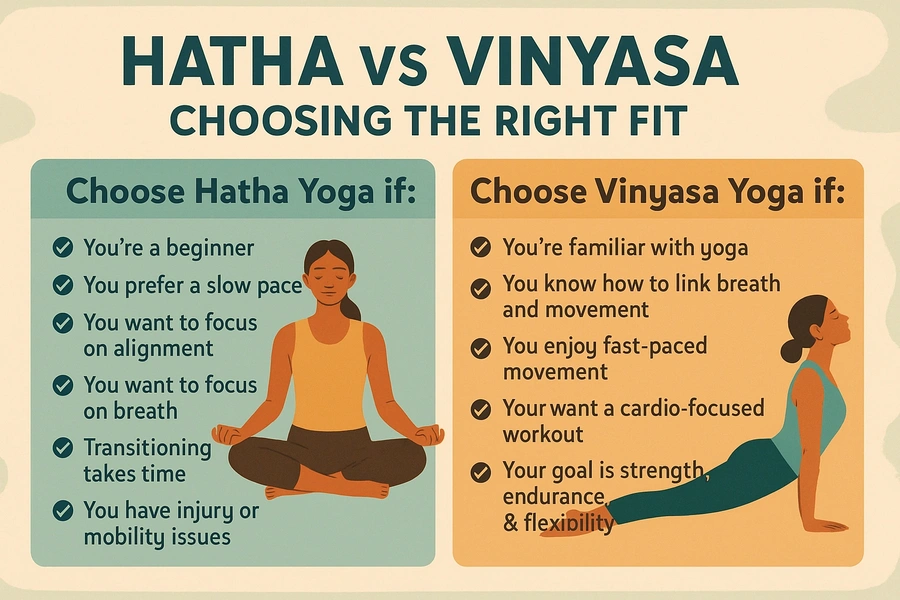
Credit: myyogateacher.com
Frequently Asked Questions
Which Yoga Style Improves Flexibility?
Vinyasa yoga is excellent for enhancing flexibility. It combines fluid movements with breathwork, promoting muscle lengthening and joint mobility. Regular practice helps to increase range of motion and reduce stiffness. It’s suitable for all levels, allowing practitioners to progressively deepen their stretches over time.
Is Yin Yoga Good For Flexibility?
Yes, Yin yoga is beneficial for flexibility. It involves holding poses for extended periods, allowing deep muscle and connective tissue stretching. This practice targets fascia and ligaments, enhancing overall flexibility. Yin yoga also fosters mindfulness and relaxation, making it ideal for improving both physical and mental well-being.
How Does Hatha Yoga Enhance Flexibility?
Hatha yoga focuses on postures and breathing to improve flexibility. It emphasizes alignment and balance, helping practitioners stretch and strengthen muscles. Regular practice increases flexibility by gradually lengthening muscles and improving joint mobility. Hatha yoga is suitable for beginners, offering a gentle introduction to yoga’s physical benefits.
Can Power Yoga Boost Flexibility?
Power yoga can significantly boost flexibility. It combines vigorous movements with dynamic stretches, promoting muscle elasticity and joint flexibility. Practitioners engage in fast-paced sequences that challenge balance and coordination. This helps improve strength and flexibility simultaneously, making it a popular choice for those seeking an energetic workout.
Conclusion
Flexibility-focused yoga offers numerous benefits for the mind and body. Styles like Hatha and Yin improve flexibility through gentle stretches. Each session enhances mobility and reduces stiffness. Practicing regularly keeps the body agile. It’s also a great stress reliever. Muscles relax and tension fades away.
Many find increased energy levels too. Flexibility yoga suits everyone, regardless of age or skill. No need for prior experience. Just a mat and a willing spirit. Start exploring these styles today. Your body will thank you. Remember, consistency brings the best results.
Enjoy the journey toward a more flexible you.