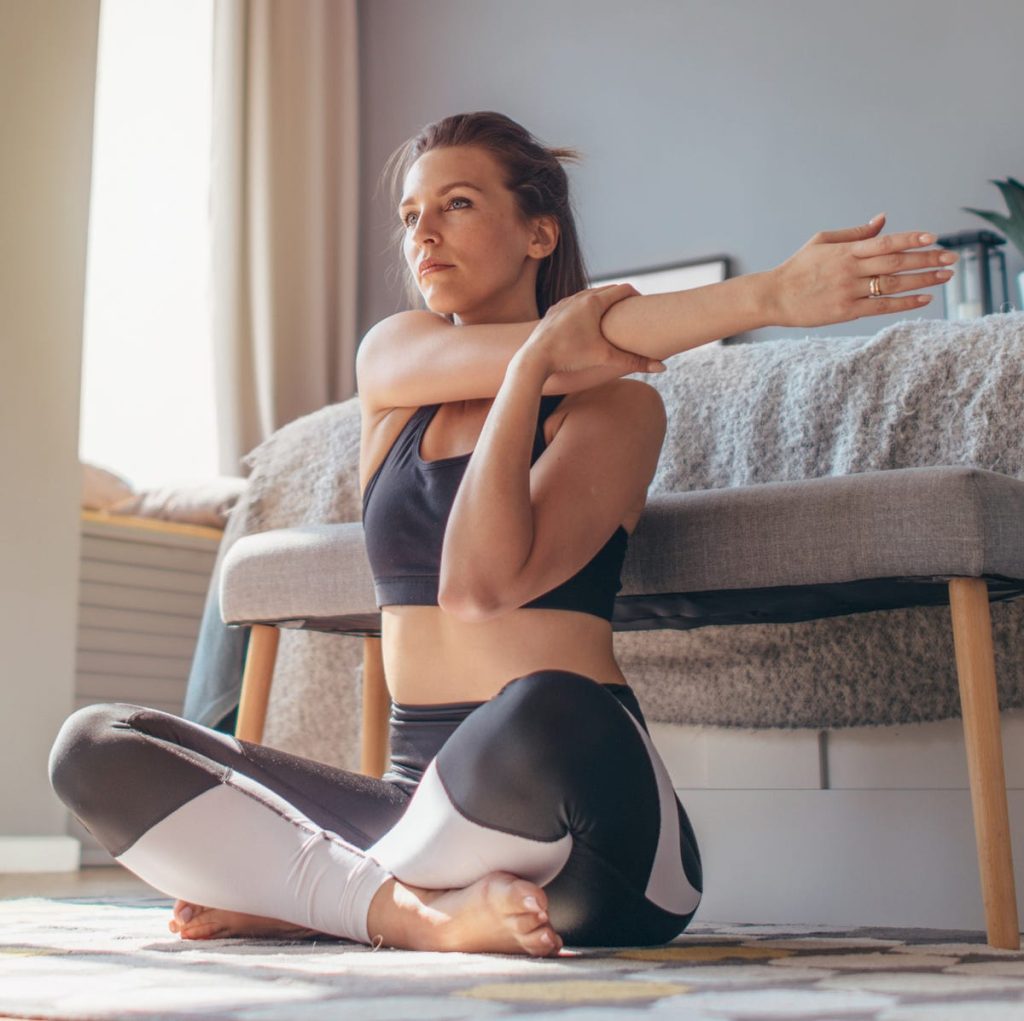
Are you tired of hearing that yoga is the only way to stay flexible? You’re not alone.
While yoga is great, it’s not the only option to keep your body limber and agile. Imagine feeling less stiff and more energetic without having to twist yourself into a pretzel. The world of flexibility activities is vast, offering numerous alternatives that can fit into your lifestyle and preferences.
Curious to discover exercises that might suit you better, or perhaps find a new passion? Keep reading to explore a range of flexibility activities that might surprise you with their effectiveness and fun factor. Your journey to a more flexible you could be just a few clicks away.
Pilates For Flexibility
Pilates offers a great way to improve flexibility alongside other activities. It strengthens muscles and increases range of motion. This makes it an effective choice for those seeking alternatives to yoga for better flexibility.
Pilates is not just a workout; it is a journey to flexibility. This practice focuses on controlled movements to stretch and strengthen. Unlike yoga, Pilates centers on precision and breathing. It offers a unique approach to enhancing flexibility while toning muscles.Core Strength Benefits
Pilates strengthens your core, leading to better flexibility. A strong core supports your spine and posture. This stability allows for a wider range of motion. Engaging core muscles helps in achieving deeper stretches. Your balance improves, making movements more fluid and less strained.Stretching Techniques
Pilates incorporates effective stretching techniques. Each stretch targets specific muscle groups for maximum benefit. Focus is on slow, controlled stretches to prevent injury. Gentle movements enhance muscle elasticity. Regular practice leads to increased flexibility over time.Tai Chi Movements
Tai Chi offers gentle movements that improve flexibility and balance. This ancient practice involves slow, flowing sequences, enhancing body awareness and relaxation. Ideal for those seeking an alternative to yoga, Tai Chi promotes flexibility through its deliberate, mindful motions.
Tai Chi Movements offer an excellent alternative to yoga for enhancing flexibility. Originating from ancient China, Tai Chi combines slow, deliberate movements with deep breathing. It’s often described as meditation in motion, helping to improve both physical and mental well-being. These movements are gentle and can be practiced by people of all ages. Tai Chi can be performed indoors or outdoors, making it accessible and convenient. It emphasizes the flow of energy through the body, which promotes relaxation and flexibility.Slow Motion Exercises
Tai Chi involves slow motion exercises that are highly beneficial for flexibility. Each movement is performed at a gentle pace, allowing muscles to stretch gradually. This slow execution reduces the risk of injury. It also enhances muscle control and awareness. Practicing Tai Chi in slow motion helps in focusing on each muscle group. This leads to better flexibility and improved posture.Balance And Coordination
Balance and coordination are integral parts of Tai Chi movements. Practicing Tai Chi regularly helps in developing a strong sense of balance. It involves shifting weight smoothly from one leg to another. This strengthens core muscles and improves stability. Coordination is enhanced by the flowing nature of Tai Chi movements. Each action is connected, creating a harmonious flow. Over time, this boosts coordination and body awareness, crucial for overall flexibility.Dance As Flexibility Training
Dance offers a fun way to improve flexibility. It involves dynamic movements that stretch muscles, enhancing range of motion. Engaging in dance routines regularly can increase agility and coordination, providing an effective alternative to yoga for flexibility training.
Dance as Flexibility Training Dance is not just an art form; it’s a powerful tool for enhancing flexibility. While yoga often takes the spotlight for flexibility, dance offers an exciting alternative. It combines fun, rhythm, and movement, making flexibility training an enjoyable experience. Imagine moving your body with grace and fluidity, all while improving your flexibility. Dance does just that. It engages muscles you might not use in your daily routine, contributing to a broader range of motion. Here’s a personal story: I took up salsa dancing a year ago, and it dramatically improved my flexibility. Before, touching my toes seemed impossible, but now my body feels more limber than ever. Have you ever considered how dance could transform your flexibility journey?Types Of Dance Styles
Dance offers a variety of styles that cater to different flexibility needs.- Ballet:Known for its graceful movements, ballet focuses on stretching and elongating muscles.
- Contemporary:This style combines elements of modern dance and classical ballet, providing a full-body stretch.
- Jazz:With its lively and energetic moves, jazz dance helps enhance flexibility through dynamic stretches.
- Hip-Hop:Though not traditionally linked to flexibility, hip-hop’s vigorous moves can improve joint mobility.
Improving Range Of Motion
Dance significantly improves your range of motion. By regularly engaging in dance, you challenge your body to move in diverse ways. This not only enhances flexibility but also increases joint health. Consider the circular motions in belly dancing or the sweeping arm movements in contemporary dance. These actions promote a wider range of motion, making everyday tasks easier. Consistency in dance practice can lead to noticeable improvements in your flexibility. Are you ready to explore how dance can expand your movement capabilities?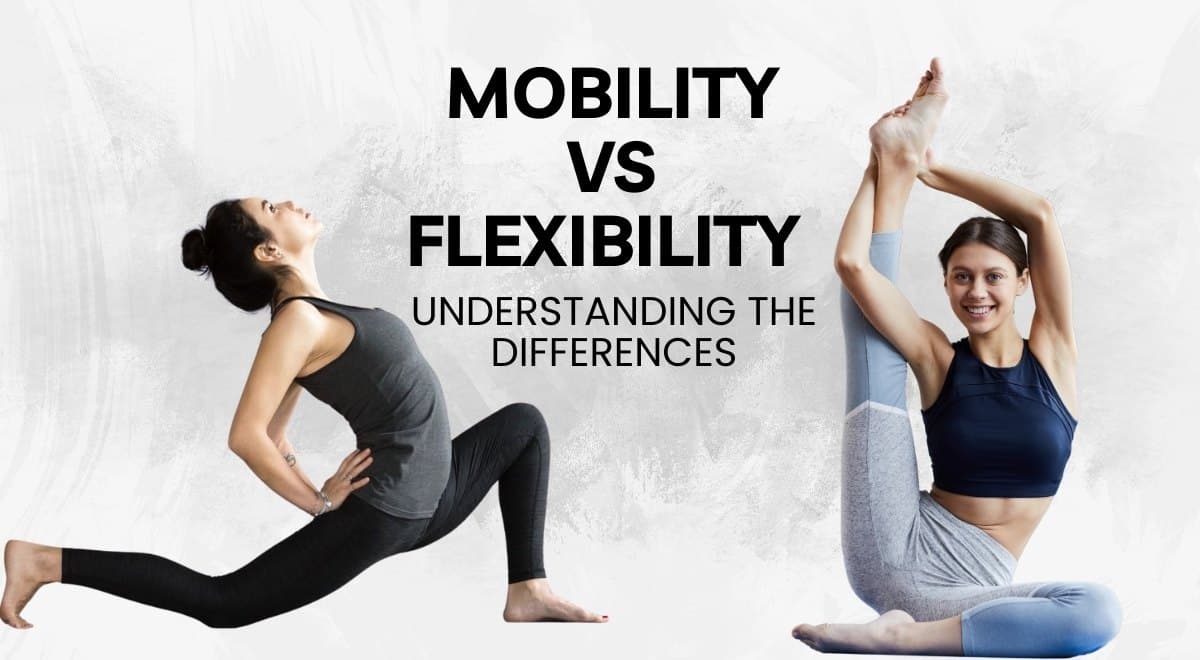
Credit: toneopfit.com
Dynamic Stretching Routines
Dynamic stretching routines enhance flexibility and mobility, offering alternatives to traditional yoga. Engage in lunges, arm circles, and high knees to boost range of motion effectively. These activities cater to diverse fitness levels, promoting overall body balance and agility.
Dynamic stretching routines are vital for enhancing flexibility and athletic performance. These routines involve active movements that help warm up muscles before any physical activity. Unlike static stretching, dynamic stretching focuses on movement. It prepares your body for activity by increasing blood flow and muscle temperature. This type of stretching is versatile, suitable for athletes and fitness enthusiasts alike. It can be integrated into various fitness regimens to boost flexibility and performance.Pre-workout Movements
Dynamic stretching before a workout is essential. It reduces the risk of injury and prepares your muscles for exertion. Incorporate exercises like leg swings, arm circles, and torso twists. These movements help engage multiple muscle groups. They improve range of motion and increase circulation. By preparing your body, you enhance the effectiveness of your workout session. Regular practice leads to improved flexibility and greater overall fitness.Boosting Athletic Performance
Athletes benefit greatly from dynamic stretching. It optimizes their performance by enhancing agility and muscle responsiveness. Exercises such as high knees and butt kicks are effective. They increase speed and strength. Dynamic stretching also improves coordination and balance. Athletes experience enhanced endurance and reduced fatigue. It’s a key component of any athletic training program. By integrating these routines, athletes achieve peak performance levels.Martial Arts Flexibility
Stretching exercises like dynamic stretches and tai chi enhance flexibility in martial arts. Pilates and resistance band workouts also promote improved range of motion.
Martial arts offer a diverse range of flexibility activities. They enhance both physical and mental agility. Flexibility in martial arts aids in executing movements with precision. It’s not just about kicking high but also about maintaining balance. This discipline builds resilience and focus. Let’s explore how martial arts contribute to flexibility.Kicks And Stretches
Martial arts involve dynamic kicks that require flexibility. High kicks demand a good range of motion in the hips. Regular practice of these kicks stretches the leg muscles. Stretching before and after training prevents injuries. It improves flexibility in the joints. Various martial arts styles include specific stretching routines. These routines enhance flexibility over time.Discipline And Control
Martial arts teach discipline through controlled movements. Control is crucial for executing precise techniques. Flexibility aids in maintaining posture and balance during movements. Practitioners learn to control their bodies with ease. This control extends to mental discipline as well. Training builds a connection between mind and body. It enhances the ability to focus and concentrate. This discipline contributes to overall flexibility in life.Gymnastics Flexibility Drills
Explore gymnastics flexibility drills to enhance your body’s range of motion. These exercises include dynamic stretches and split practices, which improve flexibility and strength without the need for yoga. Perfect for athletes seeking diverse flexibility training.
Gymnastics flexibility drills offer a dynamic approach to enhancing flexibility. Unlike yoga, these drills focus on movement and agility. Gymnastics exercises build strength while improving flexibility. They are perfect for those seeking a more active routine.Basic Gymnastics Moves
Basic moves lay the foundation for flexibility. The forward roll is a simple start. It stretches the back and neck muscles. The cartwheel engages the legs and arms. It boosts flexibility and coordination. The splits enhance hip and leg flexibility. Practice them regularly for gradual improvement.Building Flexibility Over Time
Flexibility grows with consistent effort. Start with gentle stretches. Progress to more challenging moves. Listen to your body. Avoid pushing beyond comfort. Incorporate drills into daily routines. This builds flexibility effectively. Over time, notice enhanced range of motion. Stay patient and persistent for best results.Ballet Barre Exercises
Ballet barre exercises enhance flexibility through controlled movements and stretches. These activities improve balance, posture, and strength. Ideal for those seeking alternative flexibility workouts beyond yoga.
Ballet Barre Exercises offer a graceful approach to enhancing flexibility. These exercises are inspired by ballet and focus on controlled movements. The routines use a barre for support, helping you maintain balance. They are suitable for all ages and fitness levels. Ballet Barre Exercises can improve your body’s flexibility and strength. They also refine posture, providing a unique alternative to traditional workouts.Posture And Poise
Ballet Barre Exercises emphasize posture and poise. The barre acts as a guide, encouraging proper alignment. This focus on posture can lead to improved balance. You’ll learn to stand tall and move with elegance. The exercises often involve slow, deliberate movements. This helps you gain better control of your body. Over time, you’ll notice enhanced poise and confidence in your daily activities.Enhancing Flexibility
These exercises are excellent for enhancing flexibility. Ballet Barre routines include stretches that target various muscle groups. Movements like pliés and tendus stretch and lengthen your muscles. Regular practice can lead to greater range of motion. The exercises encourage fluidity and grace in every movement. You’ll find yourself moving more freely and comfortably. Ballet Barre can be a gentle yet effective way to increase flexibility.
Credit: m.youtube.com
Swimming For Flexibility
Swimming offers an excellent way to boost flexibility. It engages multiple muscle groups and improves range of motion. This low-impact activity also enhances joint flexibility, making it a great alternative to yoga.
Swimming is an excellent activity to boost flexibility. It engages multiple muscle groups and supports joint health. This aquatic exercise offers a unique approach to improving flexibility without intense strain.Full Body Workout
Swimming is a full-body workout. Every stroke involves the arms, legs, and core. This continuous movement stretches and lengthens muscles. Different strokes target various muscle groups. For example, breaststroke opens the chest and shoulders. Freestyle works the back and arms. Each stroke provides a unique stretch.Joint-friendly Benefits
Swimming is gentle on joints. The water’s buoyancy reduces pressure on the body. This makes it an ideal activity for those with joint concerns. It allows for a full range of motion without strain. Joints move smoothly in water, enhancing their flexibility. This ease of movement helps maintain joint health over time.Resistance Band Flexibility
Resistance bands offer a great way to improve flexibility. They allow you to stretch deeper, enhancing mobility. Pilates and tai chi also help increase flexibility, offering gentle movements that work on balance and strength.
Resistance bands offer a versatile way to enhance flexibility. These simple tools are ideal for stretching and strengthening muscles. They are affordable and easy to use, making them accessible to everyone. With resistance bands, you can target specific muscles, improving flexibility and mobility. They are portable, allowing you to exercise anywhere.Targeted Muscle Stretches
Resistance bands allow precise muscle targeting. You can stretch muscles that are often hard to reach. They provide a consistent tension, helping you stretch effectively. Use bands to focus on hamstrings, quads, or shoulders. Adjust the band’s resistance to match your strength level. This targeted approach improves flexibility faster.- Hamstrings: Hook the band around your foot, and pull gently.
- Quads: Secure the band around your ankle, and extend your leg.
- Shoulders: Hold the band with both hands, and stretch overhead.
Portable Exercise Option
Resistance bands are compact and lightweight. They fit easily in a bag or pocket. This portability makes them perfect for travel or outdoor workouts. You can stretch in a park, hotel room, or at home. No gym equipment needed, just your bands.| Location | Benefits |
|---|---|
| Home | Convenient and private |
| Park | Fresh air and space |
| Travel | Stay flexible on the go |

Credit: prokinetixrehab.com
Frequently Asked Questions
What Are Alternatives To Yoga For Flexibility?
Flexibility can be improved through activities like Pilates, tai chi, and dance. These exercises promote stretching and balance, enhancing muscle elasticity. Engaging regularly in these activities can help you achieve similar benefits to yoga, including improved range of motion and reduced muscle stiffness.
Can Stretching Improve Flexibility Like Yoga?
Yes, regular stretching can significantly enhance your flexibility. Focusing on dynamic and static stretches can help increase muscle length. Stretching improves blood circulation and muscle elasticity, contributing to greater flexibility over time.
How Does Pilates Enhance Flexibility?
Pilates focuses on controlled movements and core strength, which improves flexibility. It incorporates stretching exercises to lengthen muscles and improve posture. Regular practice of Pilates can increase your range of motion and overall body flexibility.
Is Dancing A Good Flexibility Exercise?
Absolutely, dancing is excellent for flexibility. It involves dynamic movements that stretch and lengthen muscles. Dance routines often include varied stretches, helping to improve flexibility and coordination, while also being a fun and energetic workout.
Conclusion
Exploring different flexibility activities enriches your fitness routine. Options like Pilates and tai chi provide gentle stretches. These exercises improve balance and posture too. Dance classes offer a fun way to stay flexible. Even simple daily stretches make a difference.
Remember to stay consistent for better results. Listen to your body and avoid pushing too hard. Flexibility is crucial for overall health. Find activities you enjoy to stay motivated. It’s important to keep moving and stretching regularly. Choose what fits your lifestyle and goals.
Keep your body flexible for a healthier you.