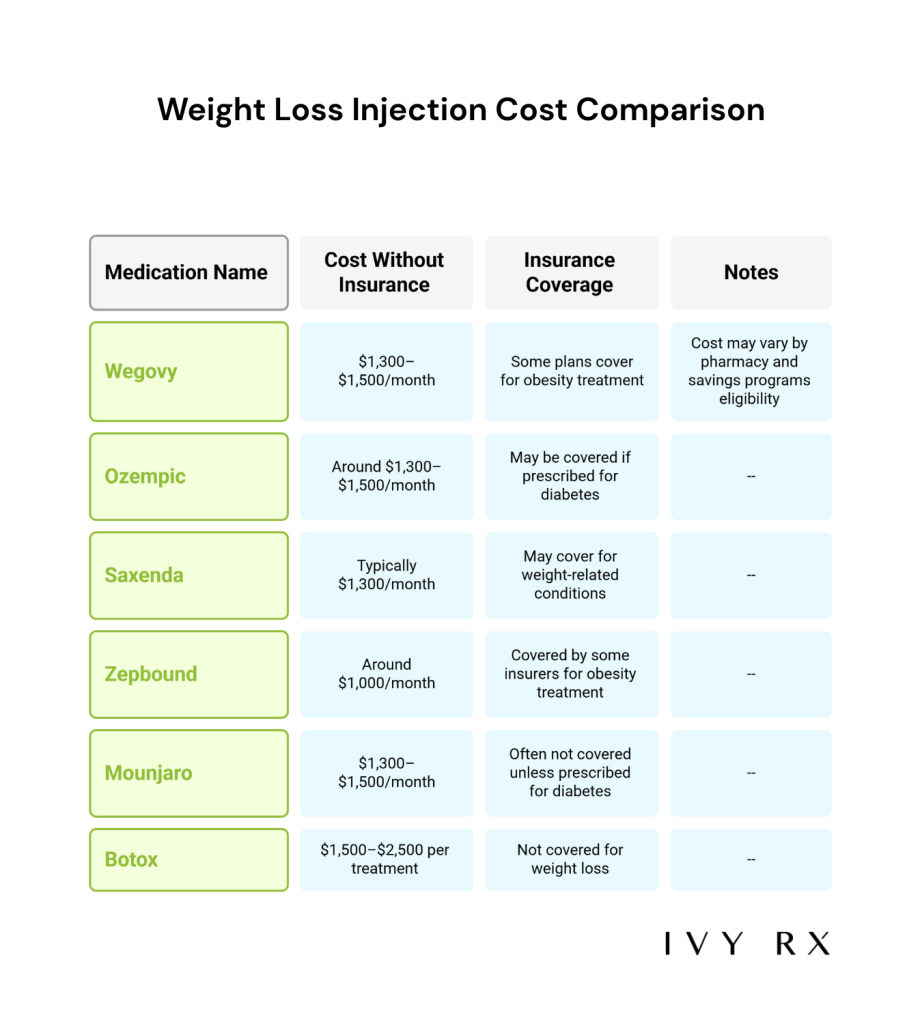
Are you curious about weight loss injections and wondering how much they might cost you? You’re not alone.
With the rising popularity of these treatments, it’s only natural to want to know if they fit into your budget. Imagine the relief of shedding those stubborn pounds without endless dieting or exhausting workouts. But before you take the plunge, it’s crucial to understand the financial commitment involved.
We’ll break down the costs, unraveling any hidden fees, and helping you make an informed decision. Keep reading to discover the real price tag behind weight loss injections and whether they’re worth every penny for your health journey.
Credit: www.alanlisurgery.com
Factors Influencing Cost
Weight loss injections are becoming popular due to their effectiveness. The cost of these injections varies widely. Several factors influence the pricing. Understanding these factors can help budget effectively.
Brand And Type
The brand of the injection plays a significant role in its cost. Well-known brands often price their products higher. Different types of injections cater to various needs. Some are more specialized, impacting their price.
Dosage And Frequency
Dosage levels affect the overall cost. Higher doses usually mean higher prices. The frequency of injections is another key factor. More frequent doses can increase the total cost significantly.
Geographical Location
The location where you purchase or administer the injection influences cost. Prices in urban areas are typically higher than in rural settings. Economic factors in different regions also play a role in pricing.
Credit: www.rnz.co.nz
Popular Weight Loss Injections
As weight loss continues to be a priority for many individuals, the popularity of weight loss injections has surged. These injections offer a promising alternative to traditional methods like dieting and exercise. But what are the options available, and how do they differ in terms of cost and effectiveness?
Saxenda
Saxenda is a well-known weight loss injection that has captured the interest of many. It’s designed for adults with obesity or excess weight-related conditions, such as high blood pressure or type 2 diabetes. Saxenda works by mimicking a hormone in your body that helps regulate appetite, making you feel fuller for longer.
The cost of Saxenda can vary significantly depending on your location and insurance coverage. On average, without insurance, a month’s supply might range from $1,200 to $1,500. Some users have reported success in getting partial coverage through their insurance, which can considerably reduce out-of-pocket expenses.
Wegovy
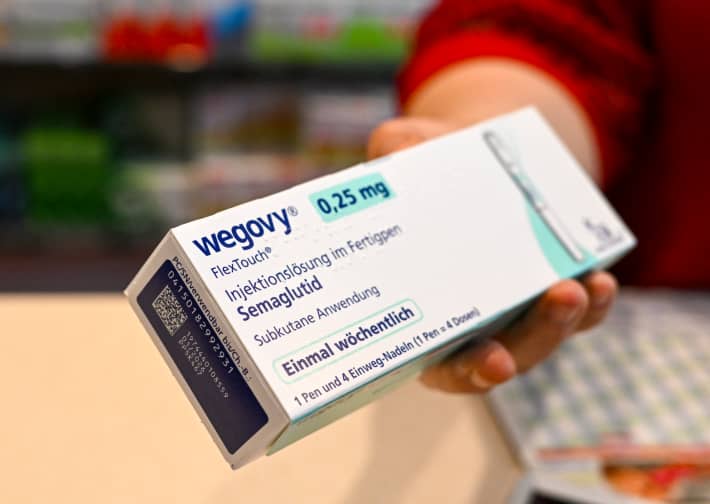
Wegovy is another popular option that has gained momentum in the weight loss community. This injection is specifically intended for long-term weight management in adults with obesity. It functions similarly to Saxenda, by controlling appetite hormones, but has been noted for its higher efficacy in clinical trials.
The cost of Wegovy is typically around $1,300 to $1,400 per month without insurance. However, many insurance plans are beginning to recognize its benefits, offering coverage that can alleviate some of the financial burden. Check with your insurance provider to see if Wegovy might be a covered medication.
Ozempic
Originally developed for managing type 2 diabetes, Ozempic has shown promise in weight management as well. It helps control blood sugar levels and can lead to weight loss as a secondary benefit. Many users have reported significant weight loss while using Ozempic.
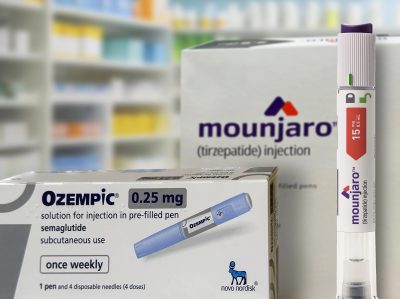
Ozempic’s pricing is generally lower than Saxenda and Wegovy, with costs ranging from $800 to $1,100 per month without insurance. If you’re managing diabetes alongside weight loss, you might find that insurance coverage is more readily available, further reducing the cost.
Choosing the right injection involves weighing the pros and cons, including costs. Have you considered how these expenses fit into your budget? How might insurance play a role in your decision-making process? Understanding these factors can help you make an informed choice about your weight loss journey.
Comparing Prices
Exploring the cost of weight loss injections reveals a range of prices. Factors like brand, dosage, and location influence the expense. Comparing options ensures you find the best fit for your budget and needs.
Comparing prices for weight loss injections can be a tricky affair. With various factors influencing the cost, understanding these differences is crucial before making a decision. Whether you’re seeking a quick fix or a long-term solution, knowing where your money goes can make all the difference in your weight loss journey.Retail Vs. Wholesale Costs
Retail prices for weight loss injections often reflect the convenience and accessibility. You might be paying more for immediate availability at your local pharmacy or health store. Retail costs can include markups, packaging, and branding fees. Wholesale costs, on the other hand, tend to be lower as they bypass these additional expenses. Buying in bulk could save you a significant amount. However, not everyone has access to wholesale options, which might require membership or a medical license. Have you ever wondered why retail is more expensive? It’s not just about convenience; it’s about the added costs retailers face.Insurance Coverage Impact
Insurance can be a game-changer when it comes to affording weight loss injections. Some insurance plans might cover part or all of the costs, depending on your policy and the medical necessity of the treatment. It’s worth checking with your insurance provider to see if weight loss injections are included in your plan. Coverage can drastically reduce your out-of-pocket expenses, making your weight loss journey more affordable. Without insurance, the costs can add up quickly, impacting your budget. Are you prepared to cover these expenses, or could insurance be the solution you need?Additional Expenses
Weight loss injections can be a significant investment. Beyond the initial costs, there are additional expenses that can impact your budget. Understanding these extra costs ensures a more accurate financial plan. Let’s explore some key factors that might increase your spending.
Doctor’s Consultation Fees
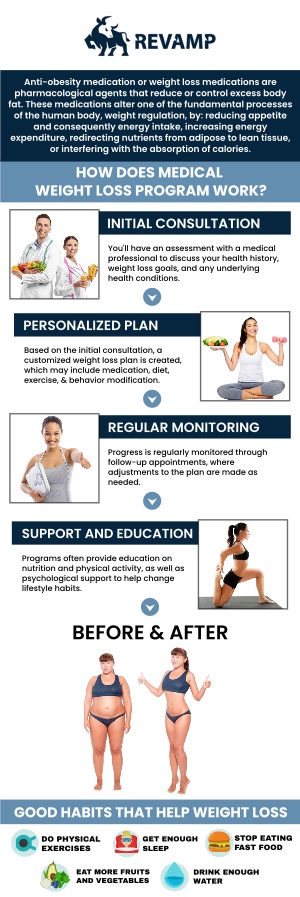
Consultations with a doctor are essential. They assess your health and suitability for weight loss injections. These appointments can vary in cost. Factors include the doctor’s experience and the clinic’s location. Some practitioners offer package deals, which might reduce costs.
Follow-up Appointments
Regular follow-ups are crucial for monitoring progress. They help adjust doses and ensure effectiveness. These appointments contribute to your overall expense. Frequency depends on your response to the treatment. Some clinics offer discounted rates for follow-up sessions.
Potential Side Effects Management
Managing side effects can incur additional expenses. Common side effects might need medication or therapy. Discuss potential costs with your doctor. Understanding side effects helps plan for possible extra costs. Not everyone experiences side effects, but preparation is key.
Cost-saving Tips
Weight loss injections can be a significant investment, but with strategic planning, you can manage costs effectively. Understanding how to save money while pursuing your health goals is crucial. Let’s explore some practical tips that can help you keep expenses in check.
Discount Programs
Many pharmaceutical companies offer discount programs to make medications more affordable. Check if the manufacturer of your weight loss injection provides any discounts or rebates. These programs often require a simple registration process, and they can significantly reduce your out-of-pocket expenses.
Additionally, some health insurance plans may cover part of the cost if your doctor prescribes the injections for medical reasons. Speak to your insurance provider to see if you qualify for any cost-saving options.
Generic Alternatives
Opting for generic alternatives can be a smart choice. Generic versions of weight loss injections are typically more budget-friendly while offering the same active ingredients as brand-name drugs. Ask your healthcare provider if a generic option is available and suitable for your needs.
Using generics allows you to maintain your treatment plan without compromising on effectiveness, often at a fraction of the price.
Bulk Purchase Benefits
Buying in bulk can lead to substantial savings. If the injections are a long-term part of your weight loss journey, consider purchasing larger quantities at once. Some pharmacies offer discounts for bulk purchases, which can lower the overall cost.
However, make sure to check the expiration dates and storage requirements to ensure the product remains effective until you’re ready to use it.
Remember, saving on healthcare costs doesn’t mean compromising your health. What strategies have you found useful in managing your medication expenses? Your insights could be invaluable to others navigating similar journeys.
Credit: www.revampmen.com
Evaluating Cost Vs. Benefits
Weight loss injections offer a promising option for those seeking effective results. Understanding the cost versus benefits is crucial. This helps in making informed decisions about your health and finances. Let’s explore how these factors interplay in the realm of weight loss injections.
Long-term Financial Implications
Investing in weight loss injections can impact your budget. Assessing long-term costs is vital. These injections might require regular doses. Consistent spending could add up over time. Consider potential savings on healthcare costs. Being healthier might reduce future medical expenses.
Health Outcome Expectations
Expectations about health outcomes are key. Weight loss injections aim to support healthier lifestyles. Results can vary among individuals. Some may experience significant weight loss. Others might see gradual changes. It’s important to set realistic expectations. Discuss possible outcomes with healthcare professionals.
Frequently Asked Questions
What Are Weight Loss Injections?
Weight loss injections are medications that help reduce body weight. They work by regulating appetite or metabolism. These injections are often prescribed for individuals struggling with obesity. They should be used under medical supervision.
How Much Do Weight Loss Injections Cost?
The cost of weight loss injections varies widely. Prices can range from $200 to $1500 per month. Factors influencing cost include the type of injection and dosage. Insurance coverage may also affect the overall cost.
Are Weight Loss Injections Effective?
Weight loss injections can be effective for some individuals. They help in reducing appetite and managing weight. Results vary based on individual health and lifestyle. Combining them with diet and exercise often yields the best results.
Do Weight Loss Injections Have Side Effects?
Yes, weight loss injections can have side effects. Common side effects include nausea, headache, and dizziness. More serious side effects are rare but possible. Always consult a healthcare professional before starting any injection.
Conclusion
Weight loss injections can be a costly option. Prices vary widely. Consider your budget and health needs. Always consult with a healthcare professional. They can guide you best. Explore other weight loss methods as well. Exercise and diet changes are effective.
Make informed decisions for your health. Research thoroughly before choosing any treatment. Stay informed about potential side effects. Your well-being should be the top priority. Remember, sustainable weight loss takes time. Quick fixes might not last. Be patient with your journey.
Your health is worth the investment. Stay motivated and committed to your goals.