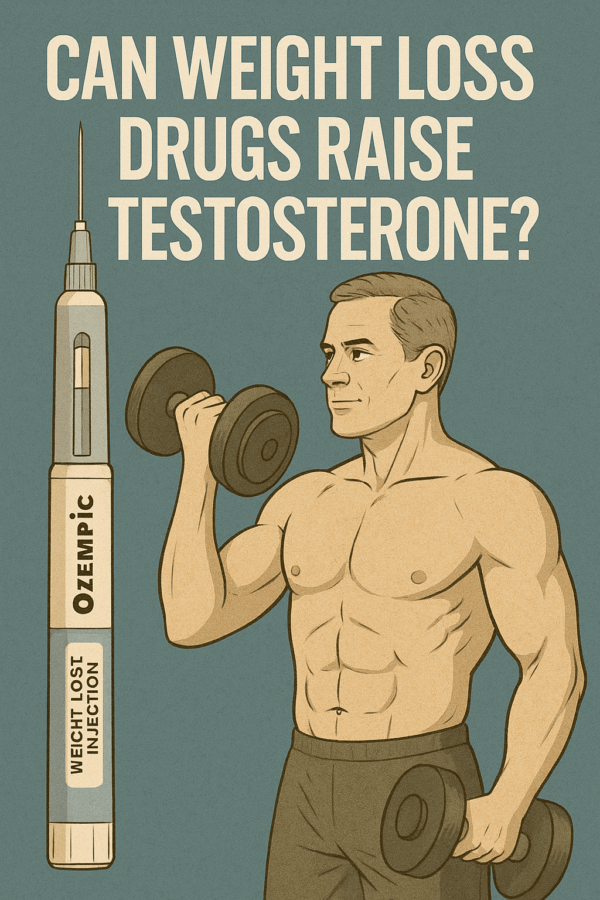
Picture this: you’ve been working hard to shed those extra pounds, hitting the gym regularly, and watching what you eat. But did you know that your weight loss journey might offer more than just a slimmer waistline?
It could potentially boost your testosterone levels too! Testosterone plays a crucial role in your energy, mood, and even muscle strength, and the idea that weight loss could enhance it sounds intriguing, doesn’t it? You might be wondering if this could be the missing piece in your health puzzle.
We’re diving into the fascinating connection between weight loss and testosterone levels, unraveling what science says, and how it might impact your life. Stick around to discover how shedding those pounds could be a game-changer for your overall well-being.
Connection Between Weight And Testosterone
Understanding the link between weight and testosterone can offer insights into health. Many studies show a correlation between body fat levels and testosterone. Excess weight, especially belly fat, may lower testosterone. This can affect mood, energy, and overall well-being.
Impact Of Body Fat On Hormone Levels
Body fat, particularly visceral fat, can influence hormone production. Increased body fat may lead to higher levels of estrogen. This imbalance often results in reduced testosterone levels. Maintaining a healthy weight can help optimize hormone balance.
Role Of Insulin Resistance
Insulin resistance is common in overweight individuals. It can lead to hormonal changes, including lower testosterone. Weight loss can improve insulin sensitivity, potentially boosting testosterone levels. A balanced diet and regular exercise are key to managing insulin resistance.
Effects Of Exercise On Testosterone
Exercise plays a crucial role in managing weight and hormone levels. Regular physical activity can increase testosterone production. Strength training is particularly effective for boosting testosterone. Combining cardio and strength exercises may offer the best results.
Benefits Of A Healthy Lifestyle
A healthy lifestyle can support testosterone levels. Eating a balanced diet, staying active, and managing stress are important. These habits can contribute to weight loss and improved hormone levels. Consistency in healthy practices often leads to positive changes.
Credit: 4everyoungantiaging.com
Impact Of Obesity On Hormone Levels
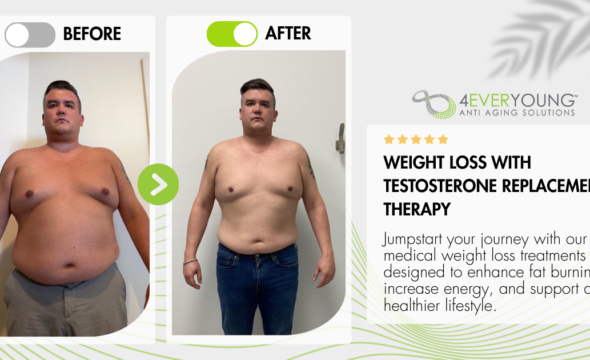
Weight loss can boost testosterone levels by reducing body fat, which often disrupts hormone balance. Lower body fat decreases estrogen, helping testosterone levels rise naturally.
Obesity has a significant impact on hormone levels, influencing various aspects of your health and well-being. One of the critical hormones affected by excess body fat is testosterone. Understanding how obesity alters hormone balance can be the first step in making informed decisions about your health.Impact Of Excess Fat On Testosterone Levels
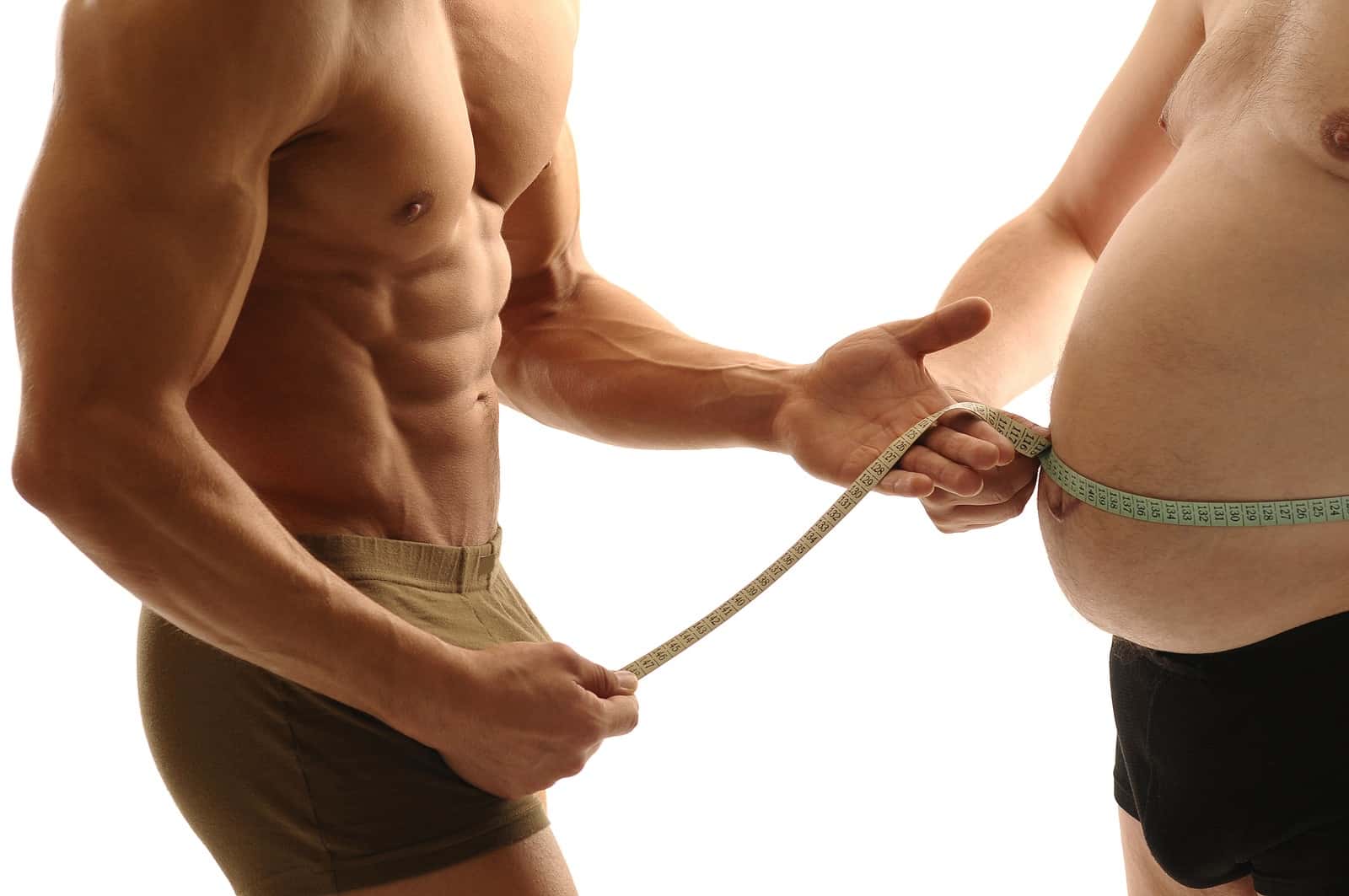
Carrying excess weight, particularly around your abdomen, can lead to lower testosterone levels. Fat tissues convert testosterone into estrogen, which reduces the amount of testosterone available in your body. This hormonal imbalance can contribute to a vicious cycle where low testosterone makes it harder to lose weight.Insulin Resistance And Hormonal Imbalance
Obesity often leads to insulin resistance, a condition where your body struggles to regulate blood sugar levels. Insulin resistance can further exacerbate hormonal imbalances by increasing the production of estrogen. This can suppress testosterone levels even more, affecting energy, mood, and sexual health.Effects On Metabolism And Energy Levels
Low testosterone levels can slow down your metabolism, making it harder for you to burn calories efficiently. A sluggish metabolism can contribute to weight gain, creating a cycle that can be challenging to break. Have you noticed how fatigue seems to creep in more often as your weight increases? This could be your hormones at play.Personal Experience: Breaking The Cycle
Several years ago, I struggled with weight gain and low energy. It wasn’t until I focused on losing weight that I noticed an improvement in my energy levels and mood. Losing those extra pounds helped balance my hormones, including testosterone, reinforcing the importance of maintaining a healthy weight.Practical Steps To Rebalance Hormones
If you’re dealing with obesity and suspect your hormones are out of balance, small changes can make a big difference. Consider incorporating more physical activity into your daily routine and making healthier food choices. Not only can these steps help you lose weight, but they can also naturally boost your testosterone levels. Engage with your health; it’s worth the effort. Have you considered how a few lifestyle changes might affect your hormone balance? Taking action today could lead to a healthier, more energetic tomorrow.Mechanism Of Weight Loss On Testosterone
Understanding the connection between weight loss and testosterone can be crucial for anyone looking to improve their health and fitness. The relationship is not just about shedding pounds; it’s about how your body changes internally. As you lose weight, your metabolism adjusts, and hormonal balances shift, potentially leading to increased testosterone levels. Let’s delve into the specific mechanisms that bring about these changes.
Metabolic Changes
Weight loss triggers significant shifts in your body’s metabolism. As you begin to burn calories and reduce fat, your body starts to function more efficiently. This enhanced metabolic state can lead to an increase in testosterone production. Imagine your body as a machine that works better with less excess weight. A faster metabolism means your organs, including those responsible for hormone production, can perform at their best.
Consider how energy levels rise when you lose weight. This boost can improve physical activity, further enhancing metabolic rate. With more energy, you may find it easier to engage in exercises that specifically increase testosterone, like strength training. How could integrating these exercises into your routine accelerate your progress?
Fat Reduction And Hormonal Balance
Reducing body fat is directly linked to balancing hormones. Excess fat, particularly around the abdomen, can lead to an increase in estrogen, which competes with testosterone. By losing fat, you help your body maintain a healthier testosterone-to-estrogen ratio.
Think about how fat cells produce aromatase, an enzyme that converts testosterone into estrogen. As you lose weight, the number of these cells decreases, potentially boosting testosterone levels. How might targeting specific areas for fat loss, like belly fat, influence your hormone balance?
Consider personal stories where individuals noticed mood and energy improvements after shedding pounds. These changes can often be traced back to hormonal shifts. Have you experienced or heard of similar transformations in yourself or others?
Credit: www.peoplespharmacy.com
Exercise And Testosterone Boost
Exercise is a powerful tool when it comes to boosting testosterone levels. Many wonder if shedding a few pounds can naturally elevate this crucial hormone. The answer often lies in the type of exercise you choose. Let’s dive into how different workouts can help elevate your testosterone.
Strength Training Benefits
Strength training is one of the most effective ways to boost testosterone. Lifting weights not only builds muscle but also triggers the release of testosterone. Even short, intense weightlifting sessions can have a significant impact.
Consider adding exercises like squats, deadlifts, and bench presses to your routine. These compound exercises engage multiple muscle groups, enhancing testosterone production. Aim for at least two to three strength training sessions per week for optimal results.
Role Of Cardiovascular Workouts
Cardio workouts, often overlooked, play a crucial role in hormone balance. While not as potent as strength training, activities like running, cycling, or swimming can still boost your testosterone levels. They help reduce body fat, a factor that can suppress testosterone production.
Balance is key. Too much cardio, especially endurance training, can sometimes lead to a decrease in testosterone. Shorter, high-intensity interval training (HIIT) sessions may offer the best of both worlds, enhancing both cardiovascular health and hormone levels.
Have you ever noticed a mood boost after a good run or a weightlifting session? That’s your body’s way of thanking you for the testosterone surge. Finding the right balance of exercises can help you harness these benefits and support your overall well-being.
Dietary Influence On Hormone Levels
Weight loss can boost testosterone levels by reducing body fat. Lower fat levels decrease estrogen production, leading to higher testosterone. Balanced diets and regular exercise support hormone balance and overall health.
Understanding the dietary influence on hormone levels can be pivotal in your journey to boost testosterone through weight loss. Your food choices play a significant role in regulating your hormone levels, including testosterone. The right diet can be a natural and effective way to optimize these levels. So, what should you focus on eating, and what should you avoid?Nutrient-rich Foods
Incorporating nutrient-rich foods into your diet is a crucial step. Foods high in healthy fats, such as avocados and nuts, can support testosterone production. Lean meats, like chicken and fish, provide essential proteins and omega-3 fatty acids, which are vital for hormone balance. Leafy greens and colorful vegetables are packed with vitamins and minerals. These not only aid in weight loss but also help maintain testosterone levels. Zinc-rich foods, like oysters and beef, are particularly beneficial as zinc is directly linked to testosterone production.Avoiding Testosterone Suppressors
Just as some foods can boost testosterone, others can suppress it. Processed foods, high in sugars and unhealthy fats, can negatively impact your hormone levels. Reducing or eliminating these from your diet can lead to noticeable improvements. Soy products have been known to mimic estrogen in the body, potentially reducing testosterone levels. While not everyone is affected, it might be worth monitoring your soy intake. Alcohol, particularly in excess, can also be a testosterone suppressant. Limiting alcohol consumption can help maintain a healthy balance. Are you paying attention to what goes on your plate? Small dietary changes can have a significant impact on your hormone levels and overall well-being.Lifestyle Modifications For Hormonal Health
Living a healthy lifestyle can significantly boost your hormonal health, particularly testosterone levels. Often, weight loss is linked to increased testosterone, but achieving this isn’t just about shedding pounds. It’s about making holistic lifestyle changes that support your body’s natural hormone balance. Here, we’ll explore how stress management and sleep can play a vital role in optimizing your testosterone levels.
Stress Management
Stress is an inevitable part of life, but how you handle it can make all the difference in your hormonal health. High stress levels can lead to an increase in cortisol, a hormone that can negatively impact testosterone production.
Consider incorporating relaxation techniques like meditation or deep breathing exercises into your daily routine. Even a short, daily practice can reduce stress and support hormonal balance.
Have you ever noticed how a walk in nature can clear your mind? Engaging in activities that promote relaxation and mindfulness can be incredibly beneficial. Find what works for you and make it a regular habit.
Sleep And Recovery
Quality sleep is essential for testosterone production. During sleep, your body repairs and regenerates, making it a crucial time for hormonal balance.
Ensure your sleep environment is conducive to rest. Keep your bedroom dark, cool, and free from distractions like screens. A consistent sleep schedule can also help regulate your body’s internal clock.
If you’re waking up tired, consider the quality of your sleep. Are you getting enough deep sleep? Tools like sleep tracking apps can provide insights into your sleep patterns, helping you make necessary adjustments.
Remember, your lifestyle choices are powerful. How will you use them to improve your hormonal health?
Scientific Studies And Findings
Understanding the connection between weight loss and testosterone levels is essential. Many believe shedding pounds boosts testosterone. Scientific studies explore this relationship in detail. These findings offer valuable insights into how weight loss affects hormone levels.
Research On Weight Loss And Testosterone Levels
Research indicates weight loss can lead to increased testosterone levels. A study in the “Journal of Clinical Endocrinology & Metabolism” supports this. It showed men who lost weight had higher testosterone levels. This was particularly evident in those with obesity.
Impact Of Diet On Testosterone
Diet plays a crucial role in testosterone production. A balanced diet aids weight loss and boosts testosterone. Protein-rich foods and healthy fats are vital. Studies highlight the importance of nutrient intake for hormone balance.
Exercise And Hormonal Changes
Physical activity is key for weight loss and hormone health. Regular exercise increases testosterone levels. Strength training and aerobic exercises are beneficial. A study found that active individuals have higher testosterone levels.
Influence Of Fat Loss On Testosterone
Excess body fat affects testosterone production. Losing fat can improve hormone levels. Studies show fat loss leads to better testosterone balance. This is due to reduced estrogen production in fat tissue.
Long-term Effects Of Weight Loss
Long-term weight loss has sustained benefits on testosterone. Studies show consistent weight management maintains healthy testosterone levels. This highlights the importance of lifestyle changes for hormonal health.
Credit: www.fellahealth.com
Potential Limitations And Considerations
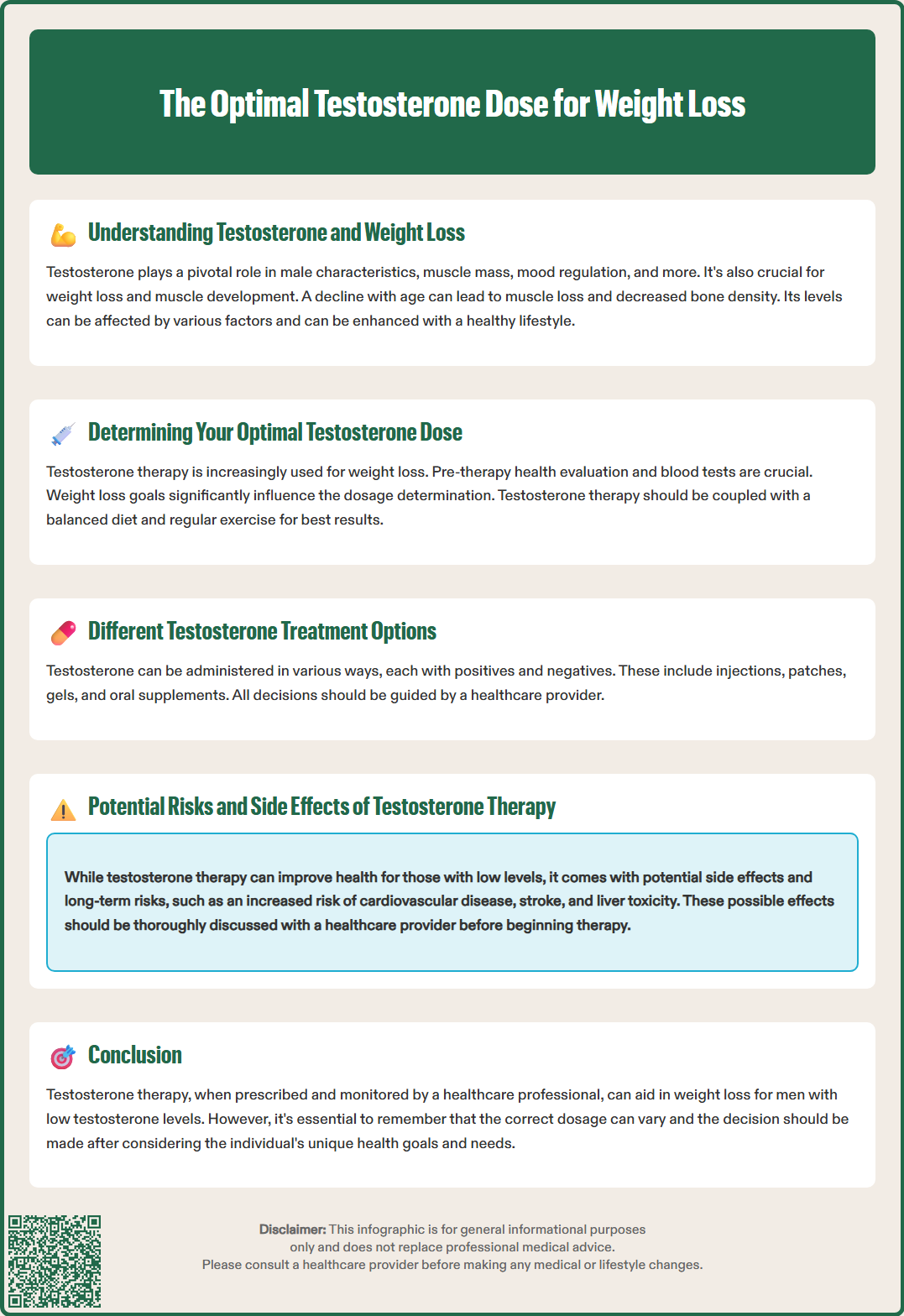
Weight loss may boost testosterone, but results can vary. Individual factors like age and health influence outcomes. Medical advice is crucial before making changes.
When it comes to weight loss and its impact on testosterone levels, it’s essential to recognize that while shedding excess pounds can lead to increased testosterone production, there are potential limitations and considerations to keep in mind. It’s not a guaranteed solution for everyone, and the journey can be unique for each individual. Understanding these nuances can help you set realistic expectations and make informed decisions.Individual Variability
Your body is unique, and how it responds to weight loss can vary significantly from others. Factors like age, genetics, and underlying health conditions play a crucial role in determining whether weight loss will positively affect your testosterone levels. For instance, while some might experience a noticeable boost in testosterone, others may see minimal changes.Diet And Nutrition
It’s not just about losing weight; what you eat matters too. A diet lacking essential nutrients can hinder testosterone production despite weight loss. Focus on balanced meals rich in proteins, healthy fats, and vitamins like D and B6. These nutrients are vital for hormone regulation. Have you considered adjusting your diet to support hormone health?Exercise Types
Cardio exercises can help you lose weight, but they might not be enough to boost testosterone significantly. Incorporating strength training into your routine is essential. Resistance exercises, like weight lifting, are known to enhance testosterone levels more effectively. Why not try mixing up your workout to see better results?Stress Management
Stress can be a silent saboteur in your quest to increase testosterone. High cortisol levels from chronic stress can counteract the benefits of weight loss, keeping testosterone low. Consider incorporating stress-reducing activities like meditation or yoga into your daily routine. How do you plan to manage stress effectively while pursuing weight loss?Sleep Quality
Sleep is often overlooked but is crucial for hormone balance. Poor sleep can negate the testosterone-boosting effects of weight loss. Aim for 7-9 hours of quality sleep each night, ensuring your body has the time it needs to recover and produce hormones efficiently. Are you prioritizing sleep in your weight loss strategy? Understanding these factors can help you tailor your approach to weight loss and testosterone enhancement. By considering these aspects, you can create a holistic plan that addresses potential limitations while maximizing your chances of success.Frequently Asked Questions
Does Weight Loss Boost Testosterone Levels?
Yes, losing weight can increase testosterone levels. Excess body fat leads to lower testosterone production. Weight loss, particularly reducing abdominal fat, helps restore hormonal balance. Regular exercise and a balanced diet are key factors. A healthier lifestyle not only boosts testosterone but also improves overall well-being.
How Does Body Fat Affect Testosterone?
Excess body fat negatively impacts testosterone levels. Fat cells convert testosterone into estrogen, lowering testosterone levels. This hormonal imbalance can lead to symptoms like fatigue and decreased libido. By reducing body fat through healthy lifestyle changes, you can improve testosterone production and overall health.
Can Exercise Increase Testosterone Levels?
Yes, exercise can boost testosterone levels. Resistance training and high-intensity interval training (HIIT) are particularly effective. These exercises stimulate testosterone production and promote muscle growth. Regular physical activity also helps with weight management, further supporting hormonal balance and overall health.
What Role Does Diet Play In Testosterone Levels?
Diet plays a crucial role in testosterone levels. Consuming a balanced diet rich in proteins, healthy fats, and essential nutrients supports hormone production. Avoiding processed foods and excessive sugar is important. A nutritious diet not only aids in weight loss but also enhances testosterone levels and overall health.
Conclusion
Losing weight can positively impact testosterone levels. A healthier lifestyle boosts hormone balance. Regular exercise and a balanced diet play key roles. These changes may lead to higher testosterone naturally. It’s important to stay consistent with these habits. Not only for testosterone but overall well-being.
Each small step counts towards better health. Consult a healthcare professional before starting any weight loss plan. They can provide guidance tailored to individual needs. Remember, patience is crucial. Results may take time, but persistence pays off. Keep focused on the journey to a healthier life.