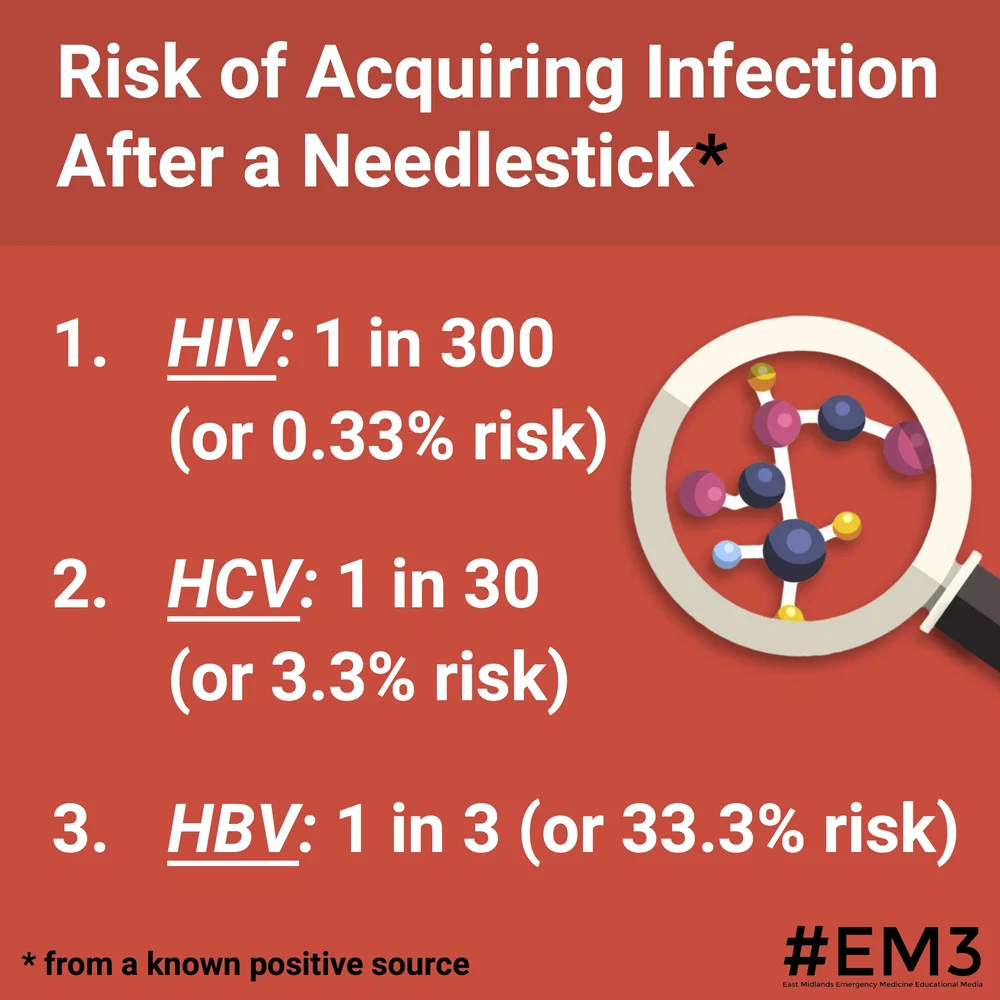
Have you ever wondered just how many needle stick injuries could be avoided? If you’re in the healthcare field, or simply curious about workplace safety, this question might be more relevant to you than you think.
Needle stick injuries are not just painful; they pose significant health risks. The good news? Many of these injuries are preventable. Understanding what percentage can be avoided could empower you to take proactive steps towards safety. You’ll discover the surprising statistics and learn actionable tips to protect yourself and others.
Keep reading to uncover how you can contribute to a safer environment and potentially save lives.

Credit: www.researchgate.net
Needle Stick Injuries Overview
Needle stick injuries can often be avoided. Studies indicate that around 80% are preventable with proper precautions. Implementing safety measures and training significantly reduces risks, safeguarding healthcare workers effectively.
Needle stick injuries are a serious concern in healthcare settings. These injuries occur when a sharp object, such as a needle, punctures the skin. Such incidents can expose individuals to bloodborne pathogens. This risk makes prevention crucial. Awareness and proper safety measures can significantly reduce these injuries. Understanding the causes helps in developing effective strategies. Let’s delve into the details.What Are Needle Stick Injuries?
Needle stick injuries often happen during medical procedures. They involve accidental skin puncture by needles. These injuries can transmit infections. Healthcare workers are at high risk. Patients’ blood or bodily fluids are the main carriers. Immediate response is vital to minimize risks.Common Causes Of Needle Stick Injuries
Several factors lead to needle stick injuries. Improper disposal of needles is a major cause. Handling needles without safety devices increases risk. Fatigue and haste during procedures contribute significantly. Training gaps can also lead to mishaps. Each scenario demands targeted preventive measures.Impact On Healthcare Workers
Needle stick injuries impact healthcare workers greatly. They cause physical harm and emotional stress. Fear of infection is a constant worry. Workers may require medical testing and follow-ups. Productivity can decline due to stress. Addressing these concerns is essential for healthcare facilities.Strategies For Prevention
Effective strategies can prevent needle stick injuries. Implementing safety protocols is crucial. Using needleless systems reduces risks. Regular training enhances staff awareness. Proper disposal systems prevent accidental injuries. These strategies promote a safer workplace environment.Role Of Safety Devices
Safety devices play a key role in prevention. Needle guards and retractable needles are effective. They minimize exposure during handling. These devices are designed to protect users. Investing in safety equipment is wise. It reduces the incidence of injuries significantly.
Credit: journals.sagepub.com
Common Causes
Needle stick injuries pose significant risks in healthcare settings. Studies suggest that around 62% to 88% of these injuries are preventable through proper training and safety measures. Implementing effective protocols can drastically reduce incidents and enhance workplace safety.
The prevention of needle stick injuries is crucial in healthcare. Many injuries are avoidable with proper practices and awareness. Understanding the common causes helps in reducing risks. Here’s a closer look at some of these causes.Improper Disposal
Needles should be disposed of in designated sharps containers. Improper disposal leads to injuries. Needles left in open trash bins pose a threat. Safe disposal practices minimize risk. Staff must be trained in proper disposal methods.Recapping Needles
Recapping needles is a common practice. It increases the risk of injury. Many injuries occur during recapping. Avoiding this step can prevent accidents. Use a one-hand technique if necessary. Best practice is to discard needles without recapping.Lack Of Training
Proper training is essential in healthcare. Lack of training leads to unsafe practices. Staff must understand needle handling procedures. Regular training sessions are beneficial. Updated guidelines should be provided. Training helps in reducing needle stick injuries.Preventability Factors
Needle stick injuries, often preventable, account for a significant percentage of workplace accidents. Implementing proper safety protocols can reduce these incidents by up to 90%. Regular training and awareness are key factors in minimizing risk and ensuring safer healthcare environments.
Needle stick injuries are a significant concern in healthcare settings, yet a large percentage of these incidents are preventable. Understanding the factors that contribute to their preventability can empower healthcare professionals to take proactive measures. By focusing on safety devices, proper training, and effective protocols, we can significantly reduce the occurrence of these injuries.Safety Devices
Safety devices are at the forefront of preventing needle stick injuries. Devices with engineered safety features, such as retractable needles and needleless systems, can greatly minimize risk. Have you considered how implementing these tools might change your daily routine and enhance safety?Proper Training
Training is crucial for preventing injuries. Regular workshops and hands-on sessions help reinforce the correct use of safety devices. Are you confident that your current training equips you with the best practices to avoid needle stick injuries?Effective Protocols
Protocols are the backbone of any preventative strategy. Clear guidelines on handling and disposing of sharps can prevent accidents. How often do you review and update the protocols in your workplace to ensure they align with the latest safety standards? By examining these factors, healthcare facilities can create safer environments for their staff. Engaging with these aspects not only protects health workers but also enhances overall patient care.Current Statistics
Understanding the current statistics of needle stick injuries is crucial. It helps assess how many of these injuries are preventable. With proper measures, many incidents can be avoided. Let’s explore the data to see the trends and insights.
Global Incidence Rates
Needle stick injuries occur worldwide, affecting millions of healthcare workers. Studies show that most injuries happen in hospitals and clinics. The World Health Organization (WHO) estimates over two million cases annually. Many countries report high incidence rates due to underreporting. Developing countries often face more risks due to lack of resources.
Healthcare Settings Data
In hospitals, nurses and doctors face the highest risk of needle stick injuries. Data reveals that nearly half of these injuries occur during procedures. Surgical settings and emergency rooms see frequent cases. Proper training and equipment can reduce these numbers significantly. Reports highlight that using safety devices can lower injury rates. Educating staff on safe practices is also vital for prevention. By focusing on these areas, healthcare settings can minimize risks effectively.
Case Studies On Prevention
Needle stick injuries are a common concern in healthcare settings, but what if I told you that many of these incidents are preventable? By examining real-life case studies, we can uncover practical prevention strategies that have proven successful in reducing these injuries. Let’s dive into some inspiring hospital success stories and innovative approaches that could change the game for healthcare workers.
Hospital Success Stories
Some hospitals have turned the tide on needle stick injuries through dedicated efforts and strategic planning. At St. Mary’s Hospital, a focused training program for staff reduced needle stick incidents by 45%. They implemented regular hands-on workshops, emphasizing safe needle handling and disposal techniques.
Another inspiring example is City Health Hospital, which invested in safer needle technologies. By switching to retractable needles, they cut down on injuries by nearly 60%. This proactive step not only protected the staff but also boosted morale and confidence in handling medical equipment.
Innovative Approaches
Innovation can be a game-changer in preventing needle stick injuries. Consider the use of virtual reality simulations to train healthcare workers. These immersive experiences allow staff to practice needle handling in a risk-free environment, honing their skills before stepping into real-life scenarios.
Moreover, the introduction of smart needle disposal systems has been impactful. These systems automatically secure used needles, reducing the risk of accidental pricks. Such technology not only enhances safety but also streamlines workflow, making the entire process more efficient and less prone to errors.
Have you ever thought about how a simple change in equipment or training could drastically reduce workplace injuries? By learning from these case studies, you have the power to advocate for safer practices in your own healthcare setting. What innovative solutions could you champion to protect your team?
Challenges In Prevention
Preventing needle stick injuries is crucial for healthcare safety. Despite efforts, challenges persist in making workplaces safer. Various factors hinder prevention strategies, impacting the effectiveness of safety measures.
Cost Implications
Implementing safety measures often incurs additional costs. Many healthcare facilities operate under tight budgets. Allocating funds for new safety devices can be challenging. This financial strain may delay adopting safer alternatives. Some organizations prioritize immediate financial concerns over long-term safety benefits.
Resistance To Change
Change can be difficult in established workplaces. Staff may resist new protocols or devices. Familiarity with existing practices provides comfort. Switching to new methods requires training and adaptation. Resistance often stems from fear of the unknown. Overcoming this requires time and patience from management.
Future Directions
Exploring needle stick injuries reveals a significant portion are preventable. Implementing safety measures can dramatically reduce these incidents. Enhanced training and awareness play crucial roles in prevention strategies.
Future Directions for reducing needle stick injuries offer promising possibilities. With advancements in technology and policy changes, the goal is to drastically reduce these incidents. Both sectors are paving the way for safer medical environments.Technological Innovations
Technology plays a crucial role in preventing needle stick injuries. New designs in syringes and needles minimize risks. Retractable needles and safety-engineered devices are becoming more common. These devices reduce the chance of accidental pricks. Automated systems for needle disposal are another innovation. They ensure needles are disposed of safely, lowering injury rates.Policy Developments
Policy changes can have a significant impact. Regulations that mandate safer practices are vital. Many countries are adopting new guidelines. These require health facilities to use safety-engineered devices. Training programs are also being implemented. They teach healthcare workers about safe needle handling. Enhanced safety protocols are a key focus. Facilities are encouraged to adopt these standards for better protection.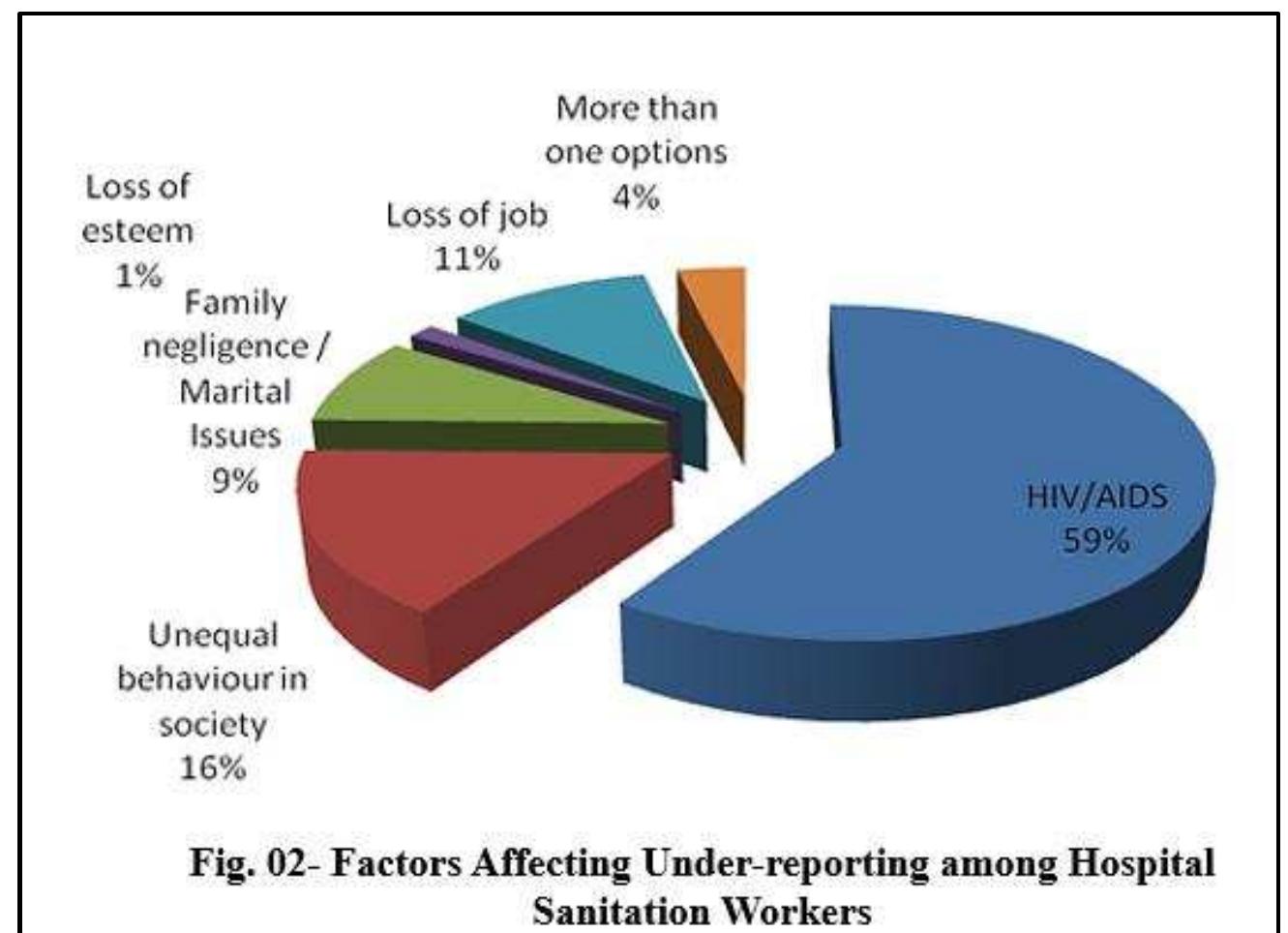
Credit: www.academia.edu
Frequently Asked Questions
What Are Needle Stick Injuries?
Needle stick injuries occur when a needle accidentally punctures the skin. They often happen in healthcare settings. These injuries can lead to exposure to bloodborne pathogens. Preventing needle stick injuries is crucial for healthcare worker safety. Proper training and safety measures can reduce these risks significantly.
How Many Needle Stick Injuries Are Preventable?
Approximately 62% to 88% of needle stick injuries are preventable. Implementing safety devices and training can greatly reduce incidents. Using needleless systems and safer needle devices helps. Regular staff education and awareness are key. Prevention strategies are essential in healthcare environments.
What Are Common Causes Of Needle Stick Injuries?
Common causes include improper disposal of needles, recapping needles, and handling sharps without care. Lack of awareness and training can also contribute. Overcrowded or rushed work environments increase risks. Ensuring proper procedures and safety protocols can minimize these causes significantly.
How Can Needle Stick Injuries Be Prevented?
Preventing needle stick injuries involves using safety-engineered devices and proper disposal methods. Avoid recapping needles and ensure proper training. Regular safety audits and education programs are essential. Encourage a culture of safety and awareness among healthcare workers. Properly manage and dispose of sharps to prevent injuries.
Conclusion
Understanding needle stick injuries is crucial for healthcare safety. Many of these injuries are preventable. Simple steps like using safety devices can help. Education and training are also key. They empower workers with knowledge. Awareness reduces risks significantly. Employers play an important role too.
Providing proper tools and protocols is essential. Together, these efforts can make a big difference. Preventing injuries protects workers and saves costs. Stay informed and proactive. Every step counts towards a safer workplace. Let’s prioritize safety to reduce needle stick incidents.
Remember, prevention is always better than cure.