Are you tired of feeling stiff and achy? Does bending over to pick something up sometimes feel like an impossible task?
If so, you’re not alone. Many people struggle with flexibility issues, but there’s a simple solution that could change everything: yoga. Imagine moving through your day with ease, no longer hindered by tight muscles or joints. Yoga is a powerful tool that can unlock a new level of flexibility you never knew you had.
This isn’t just about touching your toes; it’s about enhancing your overall well-being and feeling great in your own body. So, if you’re ready to discover how yoga can transform your flexibility and improve your life, keep reading. You won’t want to miss what’s next.

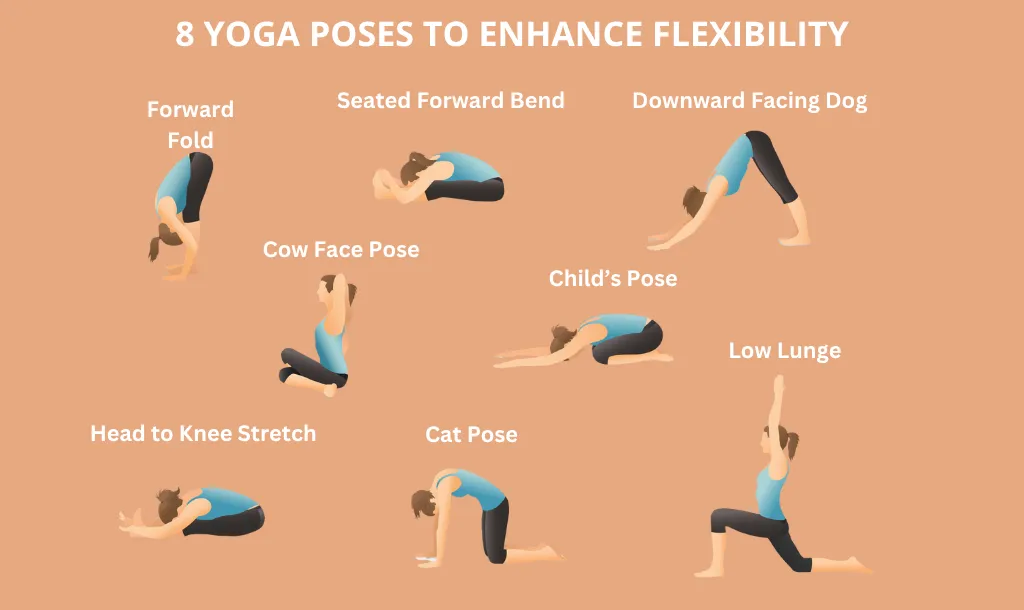
Credit: www.yogabasics.com
Benefits Of Yoga For Flexibility
Yoga stretches muscles and joints, increasing flexibility over time. Regular practice helps ease tension and improve range of motion. Gentle poses lengthen tight areas, making daily movements smoother.
Yoga is not just a practice; it’s a transformative journey towards better flexibility and overall well-being. Engaging in regular yoga sessions can significantly enhance your body’s ability to stretch, bend, and move with ease. The beauty of yoga lies in its gentle yet effective approach to improving flexibility, making it accessible to people of all ages and fitness levels. As you immerse yourself in the world of yoga, you’ll find that the benefits extend beyond just physical flexibility—bringing a sense of freedom and fluidity to both body and mind.Improved Range Of Motion
Yoga helps you gradually extend your range of motion by encouraging muscle lengthening and joint mobility. As you practice various poses, your body learns to move more freely. You might notice tasks like reaching for a high shelf or bending to tie your shoes become easier over time.Enhanced Muscle Strength
Flexibility doesn’t mean sacrificing strength. Many yoga poses require holding positions that build muscle endurance. This dual benefit strengthens and lengthens muscles simultaneously. You’ll find yourself not only more flexible but also more balanced and stable in everyday activities.Reduced Risk Of Injury
Regular yoga practice can protect against injuries by teaching your muscles to stretch safely. As your body becomes more flexible, it can better absorb impacts and avoid strains. This is particularly beneficial for those involved in sports or physical labor, where flexibility is crucial.Better Posture
Yoga promotes alignment and balance, which directly impacts your posture. With improved flexibility, your body can naturally hold itself in healthier positions. You may notice less tension in your back and shoulders and a newfound confidence in your stance.Mental Relaxation And Focus
Yoga is a holistic practice that benefits both body and mind. As you stretch and breathe deeply, your mind relaxes, reducing stress and increasing concentration. This mental clarity enhances your ability to focus, making flexibility not just physical but mental too.Personal Experience And Insights
When I first started yoga, touching my toes seemed impossible. With consistent practice, not only did my physical flexibility improve, but so did my mental resilience. Each session was a reminder that progress is personal and patience is key. How has yoga transformed your flexibility journey?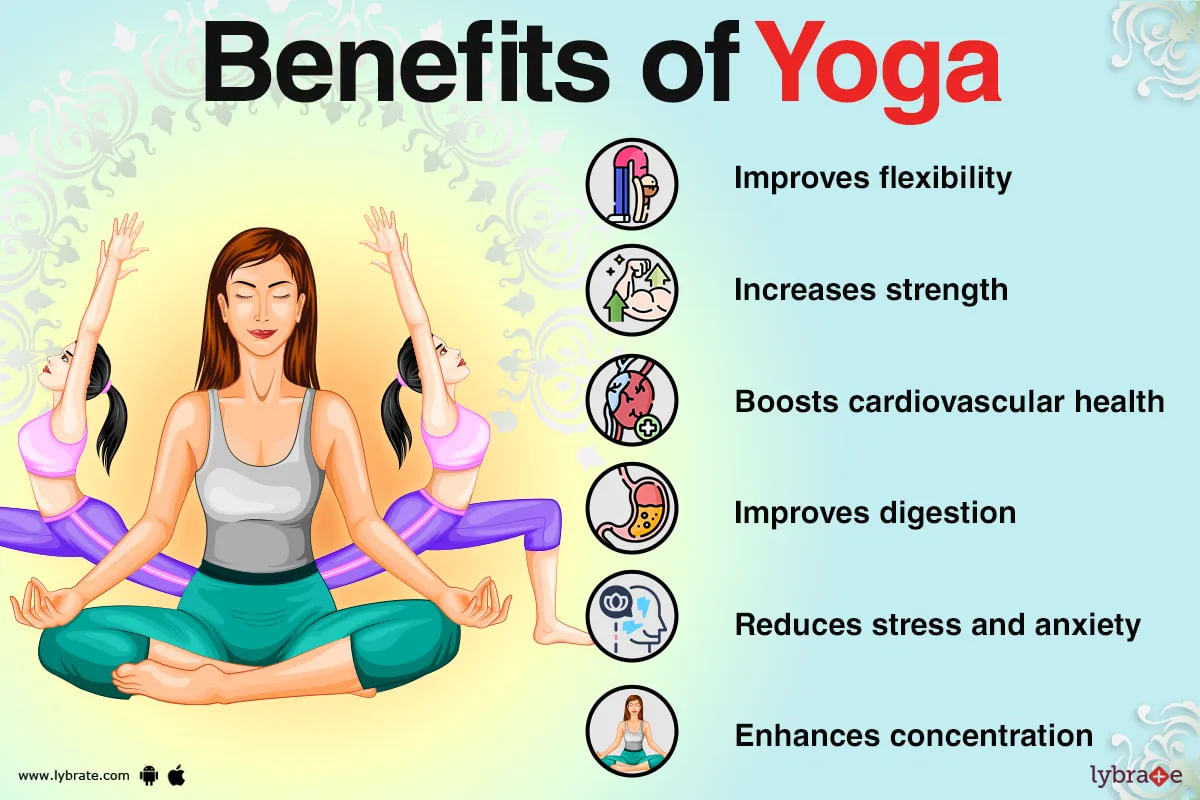
Credit: www.lybrate.com
Key Yoga Poses For Flexibility
Yoga poses like Downward Dog and Cobra can enhance flexibility by stretching muscles. These movements improve range of motion and prevent stiffness, making daily activities easier. Regular practice helps maintain joint health and muscle elasticity.
Yoga is a wonderful practice for improving flexibility. It involves a series of poses that stretch and strengthen the body. These poses can help increase your range of motion. They also promote better posture and reduce muscle tension. Here are some key yoga poses that can enhance flexibility.Downward-facing Dog
The Downward-Facing Dog is a classic pose. It stretches the hamstrings and calves. Begin on your hands and knees. Lift your hips towards the ceiling. Keep your hands shoulder-width apart. Press your heels towards the floor. This pose creates a gentle stretch in the back. It also opens up the shoulders.Cat-cow Stretch
The Cat-Cow Stretch is a gentle flow. It warms up the spine and relieves tension. Start on all fours, with hands under shoulders. Inhale and arch your back for the Cow pose. Exhale and round your spine for the Cat pose. This movement improves flexibility in the spine. It also helps in relaxing the lower back.Standing Forward Bend
Standing Forward Bend targets the hamstrings. It also stretches the lower back. Stand with feet hip-width apart. Slowly bend forward from the hips. Let your hands touch the floor or your legs. This pose lengthens the spine. It also calms the mind.Triangle Pose
The Triangle Pose is excellent for flexibility. It stretches the legs and torso. Start with feet wide apart. Turn one foot out and extend your arms. Reach one hand towards the shin or floor. The other hand points to the sky. This pose opens the hips. It also strengthens the legs and improves balance.Integrating Breathwork
Yoga helps flexibility by combining breathwork with stretching. Deep breathing relaxes muscles, allowing for greater stretch and range. Regular practice increases flexibility and reduces tension.
Integrating breathwork into your yoga routine can be a game-changer for enhancing flexibility. Breathwork is more than just a tool for relaxation; it can help you connect deeper with your body. When you focus on your breath, you create space for your muscles to stretch further, allowing your body to adapt and grow more flexible over time.Importance Of Breath In Yoga
Breath is the bridge between your mind and body in yoga. It acts as a guide, helping you ease into each pose without resistance. By maintaining a steady breath, you can calm your nervous system, reduce muscle tension, and improve blood circulation. This is crucial for achieving deeper stretches and enhancing your overall flexibility. Does your mind wander when you hold a pose? Focusing on your breath can help bring your attention back to your body, improving your practice and flexibility.Techniques To Enhance Flexibility
Consider these simple techniques to integrate breathwork into your yoga practice:- Deep Belly Breathing: Inhale slowly, allowing your belly to expand fully. This encourages your muscles to relax and lengthen during stretches.
- Counted Breaths: Try inhaling for a count of four and exhaling for a count of six. This technique helps you maintain focus and increases your tolerance for holding poses longer.
- Ujjayi Breath: Also known as “ocean breath,” it involves inhaling and exhaling through the nose with a slight constriction at the back of the throat. It creates a rhythmic flow that can improve concentration and enhance flexibility.
Creating A Consistent Practice
Yoga enhances flexibility through regular practice, stretching muscles gently over time. It increases joint mobility and reduces stiffness, promoting fluid movement in daily activities.
Creating a Consistent Practice Yoga is a journey. It requires dedication and consistency. Building a routine helps improve flexibility over time. Regular practice strengthens muscles and boosts endurance. It also enhances concentration and mental well-being. Consistency is key to unlocking yoga’s full benefits.Setting A Routine
Establish a regular schedule. Morning practice energizes the body. Evening sessions help relax after a busy day. Choose a time that fits your lifestyle. Commit to practicing at least three times a week. Make it a priority. Use a calendar to track your sessions. Set reminders to keep yourself accountable.Progress Tracking
Monitor your progress. Keep a journal of your practice. Note changes in flexibility and strength. Write down how you feel after each session. This helps you see improvement over time. Celebrate small victories. Acknowledge every milestone. Even minor advancements matter. Progress tracking keeps you motivated and focused.Modifications For Beginners
Yoga enhances flexibility through gentle stretching and holding poses, allowing muscles and joints to lengthen gradually. Regular practice improves posture, reducing stiffness and promoting a wider range of motion.
Yoga is a great way to improve flexibility. Beginners may feel stiff or unable to perform certain poses. Modifications can help ease into the practice. They provide support and make poses accessible. Here are some helpful modifications for beginners.Using Props
Props offer stability and support in various yoga poses. Blocks, straps, and bolsters are common props. Blocks can bring the floor closer to you. They are useful in poses like forward folds or lunges. Straps help in reaching your feet in seated stretches. Bolsters provide comfort in restorative poses. Props make yoga more approachable for beginners.Adjusting Poses
Adjusting poses is vital for beginners. Many yoga poses have variations. For example, bending knees in forward folds reduces strain on the hamstrings. In downward dog, keeping knees bent can ease tension in the back. Adjustments ensure that poses suit your flexibility level. They allow you to focus on alignment and breath. Flexibility improves over time with consistent practice.Mental Benefits Of Flexibility
Yoga enhances flexibility through gentle stretching and mindful breathing. It reduces muscle tension and increases joint mobility, promoting mental clarity. Regular practice improves focus and calms the mind, providing a sense of well-being.
Yoga’s ability to enhance flexibility goes beyond just the physical. The mental benefits of flexibility are profound and often overlooked. Engaging in yoga can foster mental resilience and openness, which are crucial for navigating life’s challenges. When you think about flexibility in terms of mental health, it’s about developing a mindset that can adapt and thrive in various situations.Stress Reduction
Yoga’s focus on flexibility helps in managing stress effectively. As you stretch and breathe through various poses, your mind learns to release tension. This physical release translates into mental relaxation, allowing you to handle stress more calmly. Imagine your mind as a tight knot. Each yoga session helps to untangle it, leaving you with a clearer and more focused mindset. You might find that stressful situations become less overwhelming, with an increased ability to respond thoughtfully rather than react impulsively.Mind-body Connection
Yoga encourages a profound connection between your mind and body. Flexibility in yoga involves listening to your body and understanding its limits. This practice of mindfulness enhances your awareness, helping you tune into your thoughts and emotions. Are you aware of how your body feels when it’s stressed? Yoga helps you notice these signals early, fostering a deeper understanding of your emotional state. When you develop this mind-body awareness, you can approach challenges with a balanced perspective, making decisions that are aligned with your true self. Consider the possibility that your body might be trying to communicate with you. Yoga opens the door to this conversation, helping you build a harmonious relationship with yourself.Combining Yoga With Other Activities
Yoga enhances flexibility by stretching muscles and improving joint mobility. It complements activities like dance or martial arts, helping to prevent injuries. Integrating yoga into your routine can lead to better balance and ease of movement.
Combining yoga with other activities can boost flexibility significantly. Yoga’s gentle stretches and poses are an excellent foundation. They prepare the body to handle more intensive exercises. Many people pair yoga with other fitness routines. This combination enhances their overall flexibility and strength. It also adds variety to their workout routine, keeping things interesting.Complementary Exercises
Pair yoga with strength training. This builds muscle and improves flexibility. Strong muscles support flexible joints better. Consider adding Pilates to your routine. It focuses on core strength and complements yoga’s flexibility benefits. Swimming is another great choice. It provides a full-body workout and increases flexibility. The water’s resistance adds a gentle stretch to muscles. Hiking or walking also pair well with yoga. They build endurance and enhance leg flexibility.Holistic Approach
Yoga teaches mindfulness and breath control. These skills benefit other exercises. Breathing techniques from yoga improve performance in cardio workouts. A holistic approach combines physical and mental wellness. Incorporate meditation into your yoga practice. It calms the mind and enhances focus. This mental clarity supports physical flexibility. Nutrition plays a vital role too. A balanced diet fuels your body for better performance. Stay hydrated for optimal muscle function. Combining yoga with these elements creates a well-rounded fitness routine. It maximizes flexibility and promotes overall health.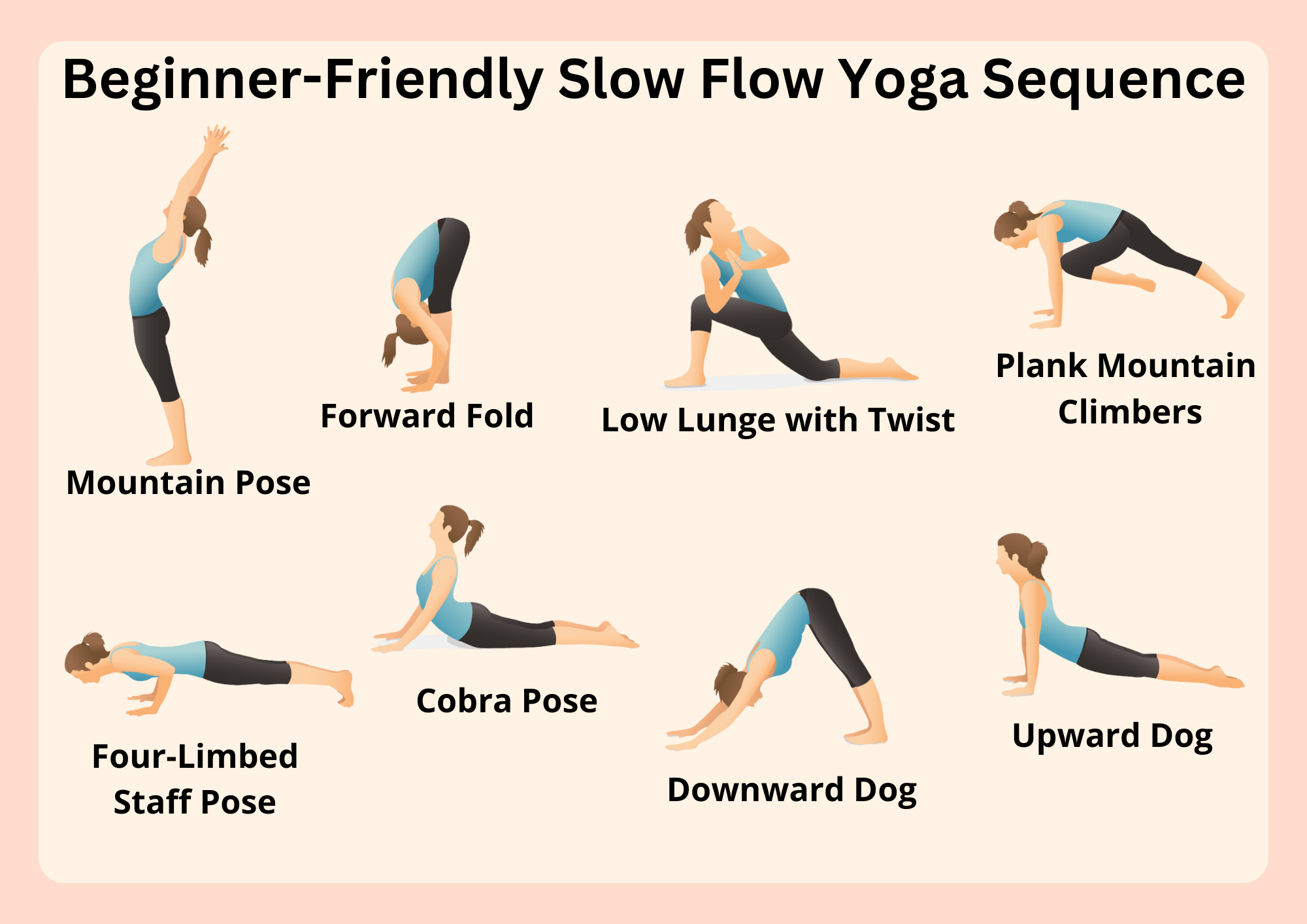
Credit: myyogateacher.com
Frequently Asked Questions
How Does Yoga Improve Flexibility?
Yoga improves flexibility by stretching muscles and joints. Regular practice increases range of motion and reduces stiffness. It enhances muscle length and elasticity. Yoga poses target specific areas for better mobility. Consistent practice helps in maintaining flexibility over time.
Can Beginners Increase Flexibility With Yoga?
Yes, beginners can increase flexibility with yoga. It offers gentle stretches suitable for all levels. Start with basic poses to build flexibility. Gradually, as you progress, your flexibility improves. Consistency is key for noticeable results.
What Yoga Poses Enhance Flexibility?
Yoga poses like Downward Dog, Cat-Cow, and Cobra enhance flexibility. These poses stretch various muscle groups. They help in improving spine flexibility and hip mobility. Regular practice of these poses leads to better overall flexibility.
Is Yoga Effective For Tight Muscles?
Yoga is effective for tight muscles. It provides targeted stretches that release muscle tension. It increases blood circulation to tight areas. Regular yoga practice helps in loosening and relaxing muscles. It’s beneficial for those with sedentary lifestyles.
Conclusion
Yoga enhances flexibility in simple and effective ways. Consistent practice stretches muscles gently. It also improves joint mobility. Deep breathing helps relax tight areas. Balance and strength exercises support flexibility gains. Yoga suits all ages and skill levels. Beginners and experts both benefit from yoga’s flexibility boosts.
Try different poses to find what works best. Listen to your body and progress gradually. Flexibility through yoga leads to a healthier lifestyle. Feel more agile and move with ease. This ancient practice offers lasting benefits. Embrace yoga for a flexible and vibrant life.