Imagine stepping onto your yoga mat and feeling a sense of ease and comfort in every pose. Wouldn’t it be incredible to move seamlessly through your practice, feeling strong and graceful?
If you’ve ever felt stiff or struggled with flexibility, you’re not alone. Many people face this challenge, but the good news is that you can overcome it. In this guide, you’ll discover practical steps to enhance your flexibility, making yoga more enjoyable and effective.
Whether you’re a beginner or looking to deepen your practice, these tips will help you unlock your body’s potential. Ready to transform your yoga experience? Let’s dive in and make flexibility your new strength.
Understanding Flexibility
Flexibility is not just about bending and stretching. It is an essential part of yoga that enhances your practice and overall well-being. Understanding flexibility means recognizing it as a dynamic balance between strength and mobility. This is crucial because it helps you achieve the full benefits of yoga without straining or injuring yourself.
Importance Of Flexibility In Yoga
Flexibility plays a key role in yoga as it allows you to move through poses with ease and fluidity. It supports better posture and reduces the risk of injury. Imagine attempting a challenging pose without the necessary flexibility; you might end up feeling discomfort or even pain. On the other hand, if you focus on becoming more flexible, you can engage deeper in your practice and feel more relaxed and focused.
Common Misconceptions About Flexibility
Many people believe flexibility is something you’re either born with or not. This is a myth. Flexibility is a skill that can be developed over time. Another misconception is that being flexible means being able to contort your body into extreme positions. In reality, flexibility in yoga is about finding the balance between stretch and strength. Have you ever felt discouraged seeing others easily doing splits? Remember, their flexibility might have taken years of practice and patience.
Think about the last time you tried a new yoga pose. Did you feel a bit stiff or awkward? This is completely normal. Instead of striving for perfection, focus on gradual improvement. Little changes in your routine, like incorporating simple stretches, can make a big difference. You may be surprised at how quickly your body responds to consistent practice.

Credit: www.yogabasics.com
Warm-up Routines
Getting flexible for yoga involves more than just bending and stretching. It’s about preparing your body to move fluidly and safely. Warm-up routines are essential to ease your muscles and joints into the yoga practice. Imagine your muscles as a rubber band—pull it too hard, too fast, and it might snap. But with a gentle, consistent warm-up, it becomes pliable and flexible.
Effective Pre-yoga Warm-ups
A good warm-up routine starts with simple movements to get your blood flowing. Begin with a few minutes of brisk walking or light jogging. This increases your heart rate and warms your muscles, preparing them for deeper stretches.
Consider incorporating some gentle arm circles and shoulder rolls. These movements loosen up your upper body, which is often neglected in warm-ups. You’ll find that a few minutes spent on these exercises can make your downward dog feel more comfortable.
Another key element is focusing on your breathing. Deep, controlled breaths help calm your mind and increase oxygen flow. This not only prepares your body but also sets a peaceful tone for your yoga session.
Dynamic Stretching Techniques
Dynamic stretching is a powerful way to enhance flexibility. Unlike static stretches, these involve active movements that mimic yoga poses but in a less intense form.
- Start with leg swings to open up your hips. Stand on one leg and gently swing the other forward and backward. This movement engages your hip flexors and hamstrings, crucial muscles for many yoga poses.
- Incorporate torso twists to increase your range of motion. Stand with your feet shoulder-width apart and twist your upper body side to side. This helps in prepping your spine and obliques for twisting poses.
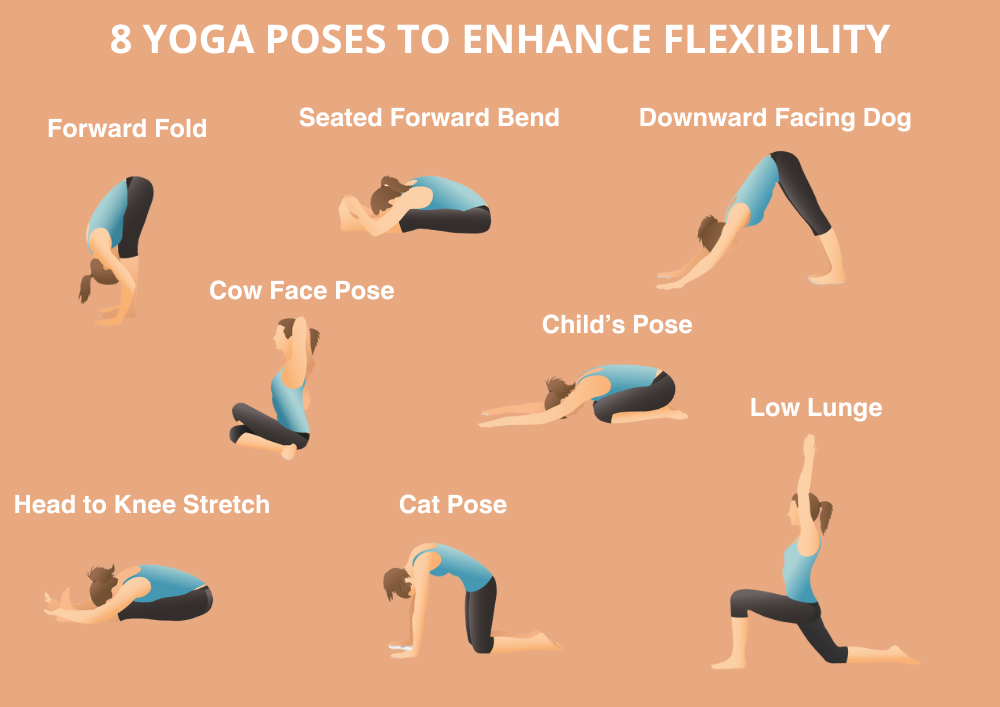
- Practice cat-cow stretches. Begin on all fours, arch your back and then drop it down while lifting your head. This movement warms up your spine and improves flexibility, essential for poses like cobra and upward dog.
These dynamic stretches not only prepare your muscles but also improve your balance and coordination. Have you ever noticed how a few minutes of dynamic stretching can make your poses feel more fluid?
Remember, the goal is not to push yourself to the point of discomfort but to gently coax your muscles into readiness. How you warm up can significantly impact your yoga experience—why not give these techniques a try and feel the difference for yourself?
Stretching Techniques
Are you ready to enhance your flexibility for yoga? Stretching techniques are your gateway to achieving those bendy poses with ease. Whether you’re a yoga enthusiast or a beginner, understanding how to stretch effectively is crucial. Let’s dive into some techniques that can help you become more flexible.
Static Vs Dynamic Stretching
Static stretching involves holding a stretch for a period of time, usually around 15 to 60 seconds. It’s great for improving overall flexibility and is best done after your muscles are warmed up. Think about the classic forward bend where you reach for your toes and hold.
Dynamic stretching, on the other hand, involves moving through a range of motion repeatedly. This type of stretching is ideal for warming up your muscles before a yoga session. Picture yourself swinging your arms or legs in controlled movements to get the blood flowing.
Which type do you prefer? Experiment with both to see what feels best for your body.
Targeting Key Muscle Groups
To make the most of your stretching routine, focus on key muscle groups that support your yoga practice. Here are a few essentials:
- Hamstrings:Tight hamstrings can limit your ability to perform forward bends. Try seated stretches where you extend your legs and reach for your toes.
- Hips:Open hips are crucial for poses like the pigeon pose. Use stretches like lunges to increase flexibility in this area.
- Shoulders:Flexible shoulders can make poses like downward dog more comfortable. Incorporate arm circles or wall stretches to ease tension.
Focusing on these muscle groups can transform your yoga experience. Are there any other areas you feel need attention?
Incorporating Yoga Props
Incorporating yoga props can enhance your flexibility journey. These tools support your body during poses. They provide stability and comfort, helping you stretch deeper. Using props reduces the risk of injury. They make yoga accessible for all skill levels. Let’s explore some essential yoga props.
Using Blocks And Straps
Yoga blocks are versatile. They offer support in various poses. Place them under your hands, feet, or even your seat. They help maintain balance. Blocks bring the ground closer. This aids in achieving proper alignment. Straps are equally beneficial. They extend your reach, especially for tight muscles. Wrap them around your feet or hands. They help you hold poses longer and with ease.
Benefits Of Bolsters And Blankets
Bolsters provide excellent support. They are ideal for restorative poses. Use them to prop your back or legs. They enhance relaxation and comfort. Blankets are multi-functional. Fold them for extra height or cushioning. They support sensitive joints. Blankets keep you warm in relaxation poses. Both props are great for meditation and restful yoga sessions.
Daily Flexibility Exercises
Daily flexibility exercises are key to preparing your body for yoga. Integrating simple routines into your day can enhance your flexibility gradually without overwhelming your muscles. Whether you’re a yoga newbie or looking to deepen your practice, these exercises can be a game-changer.
Morning Stretching Routine
Start your day with a refreshing morning stretch. Imagine waking up with the sun and feeling your muscles slowly wake up too. A simple morning routine can set a positive tone for the rest of the day. Begin with:
- Sun Salutations:A sequence of poses that warms up the whole body. It energizes and stretches multiple muscle groups.
- Cat-Cow Pose:This gentle flow between two poses warms up the spine and relieves stress.
- Forward Bend:Perfect for stretching your hamstrings and back. Hold this pose for a few deep breaths.
Doing these exercises each morning might feel like a mini-yoga session. You’ll notice improved flexibility and a boost in mood. Have you tried stretching before breakfast?
Evening Flexibility Practices
As the day winds down, it’s time to relax and stretch your body once more. Evening flexibility practices help release the day’s tension and prepare you for a restful sleep. Consider these exercises:
- Seated Forward Bend:Calming for the mind and great for stretching the spine and hamstrings.
- Legs-Up-the-Wall:A restorative pose that improves circulation and stretches the back of the legs.
- Supine Spinal Twist:A gentle twist that stretches the back and aids digestion.
These evening stretches can become a soothing ritual. They help in unwinding both physically and mentally. How do you feel after a relaxing stretch before bed?

Credit: m.facebook.com
Breathing Techniques
Deep breathing techniques enhance flexibility for yoga. They help relax muscles and increase oxygen flow. Practicing regularly boosts body movement and promotes overall well-being.
Breathing is a key element in yoga practice. It enhances both physical and mental flexibility. Deep, controlled breaths help relax the body. This relaxation allows muscles to stretch more easily. Breathing techniques connect mind and body, preparing you for deeper stretches. Let’s explore how breath plays a role in increasing flexibility.Role Of Breath In Flexibility
Breath acts as a bridge between mind and body. It helps calm the nervous system. A calm mind allows muscles to release tension. This tension release is crucial for achieving flexibility. The right breathing technique can ease muscle tightness. Slow, deep breaths signal the body to relax. This relaxation makes stretching more effective and safe.Pranayama Practices For Stretching
Pranayama involves specific breathing exercises. These exercises enhance your yoga practice. Here are some simple pranayama techniques:- Ujjayi Breath:This involves breathing through the nose with a slight constriction in the throat. It helps maintain focus and regulate breath during poses.
- Nadi Shodhana:Known as alternate nostril breathing, it balances the body’s energy. It calms the mind and reduces stress.
- Bhramari:This is the bee breath. It involves making a humming sound while exhaling. It soothes the mind and helps release muscular tension.
Nutrition And Hydration
Improving flexibility for yoga goes beyond stretching and exercise; nutrition and hydration play crucial roles in enhancing your body’s ability to bend and stretch. What you eat and drink can significantly impact your progress and overall well-being. So, let’s dive into how you can fuel your body to become more flexible and achieve those challenging yoga poses.
Foods That Enhance Flexibility
Your diet can be a secret weapon in your quest for flexibility. Certain foods are known to support joint health and muscle elasticity. Consider adding more of these to your meals:
- Leafy greens:Spinach, kale, and chard are rich in vitamins and minerals like magnesium that support muscle function.
- Fatty fish:Salmon and mackerel are high in omega-3 fatty acids, which can reduce inflammation in joints.
- Nuts and seeds:Almonds and chia seeds offer essential fats and nutrients that help keep your joints lubricated.
- Colorful fruits:Berries and oranges are packed with antioxidants that help repair tissues and reduce stiffness.
Have you ever noticed how your body feels after eating a nutrient-rich meal versus something processed? The difference can be remarkable, and over time, a balanced diet can make stretching easier and more effective.
Importance Of Staying Hydrated
Hydration is often overlooked, yet it’s vital for maintaining flexibility. Water helps keep your joints lubricated and your muscles supple.
Consider this: when you’re dehydrated, your muscles become less pliable, making stretching painful and less productive. Aim to drink at least eight glasses of water a day, and increase this amount if you’re active or it’s hot outside.
How much water do you drink daily? If you’re struggling with flexibility, it might be time to reassess your hydration habits. Infuse your water with lemon or cucumber for a refreshing twist and added nutrients.
Maintaining good nutrition and hydration isn’t just about achieving that perfect pose; it’s about supporting your overall health and wellness. So, what changes will you make to your diet and hydration routine today?
Listening To Your Body
Listening to your body is crucial in your journey to becoming flexible enough for yoga. Your body has its own unique pace and rhythm. Tuning into these signals can transform your yoga practice and prevent setbacks.
Recognizing Personal Limits
Understanding your own boundaries is the first step. Your body might not be as flexible as others, and that’s perfectly fine. Pay attention to the sensations during your stretches. Are they comfortable or do they verge on painful? The key is to differentiate between a healthy stretch and pushing too far. This awareness helps you respect your limits and grow at your own speed.
Preventing Injury While Stretching
Injury prevention is essential for a sustainable yoga practice. Stretching should be gentle, not forceful. Warm up properly before diving into deeper stretches. This prepares your muscles for the movement. Use props like yoga blocks or straps to aid your form. They offer support and prevent overextension. Consistency in your practice builds flexibility gradually, reducing the risk of injury.
Have you ever felt the urge to push further because everyone else seems to be more flexible? It’s a common feeling but resisting this temptation is vital. Your body knows what it can handle, and listening to it will guide you towards a safer and more fulfilling yoga journey.
Consistency And Patience
Building flexibility for yoga requires consistency and patience. These two traits are essential. Consistency keeps you on track. Patience helps you stay calm and motivated. Both are key to achieving your yoga goals. Let’s explore how to harness these virtues effectively.
Setting Realistic Flexibility Goals
Start by setting achievable goals. Don’t aim too high initially. Small, realistic targets are better. These can include touching your toes or holding a pose longer. Adjust goals as you progress. Celebrate small victories. They boost confidence and keep you motivated.
Tracking Progress Over Time
Track your progress regularly. Keep a journal or take photos. Document your flexibility improvements. This helps you see changes over time. It also highlights areas needing more focus. Celebrate progress, no matter how small. It encourages you to keep going.

Credit: www.instagram.com
Frequently Asked Questions
How Can I Improve Flexibility For Yoga?
Improving flexibility requires consistent practice and patience. Start with gentle stretches and gradually increase intensity. Incorporate dynamic movements like lunges and rotations. Regularly practice yoga poses focusing on flexibility, such as forward bends and hip openers. Maintain a balanced diet and stay hydrated to support muscle health.
What Are The Best Stretches For Yoga Flexibility?
Effective stretches include hamstring stretches, calf stretches, and hip flexor stretches. Incorporate spinal twists and seated forward bends. These stretches target major muscle groups, enhancing flexibility. Hold each stretch for 20-30 seconds, breathing deeply to relax your muscles. Consistent practice will yield better results over time.
How Long Does It Take To Become Flexible?
Becoming flexible varies by individual. Consistent stretching can show improvements in weeks. Dedicate daily time to stretching and yoga poses. Focus on gradual progress rather than instant results. Listen to your body and avoid overstretching, which can lead to injuries.
Patience and persistence are key to achieving flexibility.
Do I Need To Be Flexible To Start Yoga?
No, you don’t need to be flexible to start yoga. Yoga accommodates all flexibility levels. Begin with beginner-friendly poses and gradually progress. Yoga enhances flexibility over time through consistent practice. Focus on body awareness and breathing techniques. Yoga is a journey, not a destination, regardless of flexibility.
Conclusion
Yoga flexibility comes with patience and practice. Stretch daily. Listen to your body. Start slow and increase effort gradually. Warm up before each session. Use props for support. Breathing deeply aids muscle relaxation. Hydrate to keep muscles supple. Consistent practice builds flexibility over time.
Enjoy the process. Notice small improvements. Celebrate progress. Flexibility is a journey, not a race. Keep a journal to track your growth. Stay motivated. Try different yoga poses to challenge yourself. Remember, every small step counts. Yoga enhances both mind and body.
Embrace the changes you see and feel.