Have you ever wondered if yoga could be the key to unlocking greater flexibility in your body? You’re not alone.
Many people are curious about how those graceful yoga poses and stretches might impact their own flexibility. Picture yourself moving with ease and grace, feeling more limber and free in your daily activities. Imagine how empowering it would be to touch your toes without strain or to effortlessly flow into poses that once seemed impossible.
Yoga promises not just flexibility but a holistic transformation of the body and mind. Could yoga be the secret you’ve been looking for? Let’s dive into the world of yoga and explore how it can enhance your flexibility and overall well-being. Stay with us to discover insights that could change the way you move and feel every day.

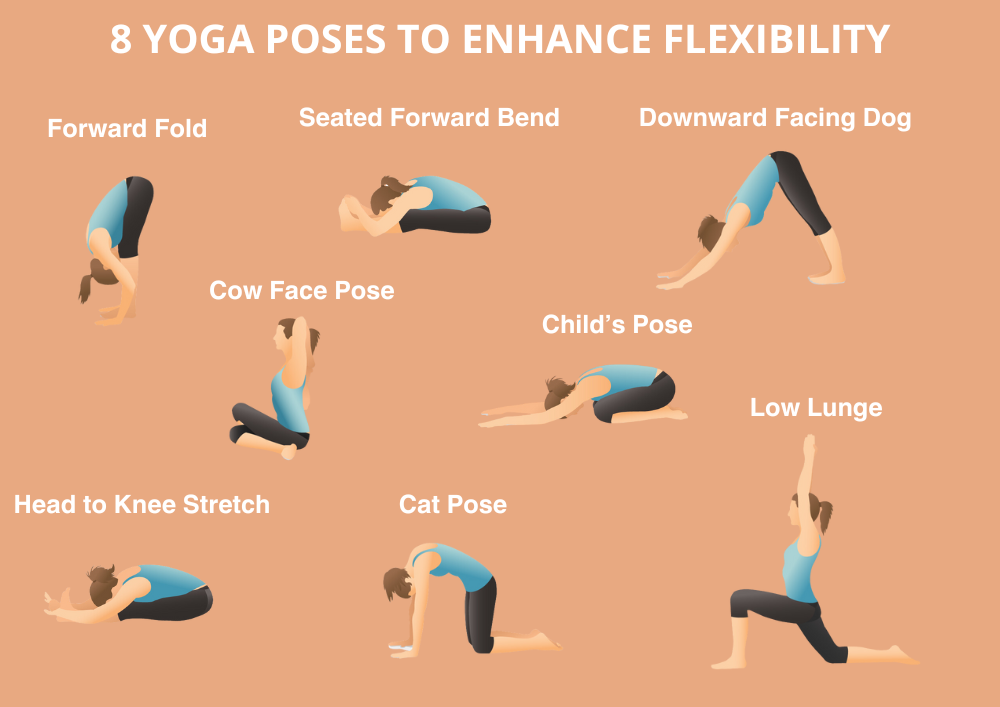
Credit: www.yogabasics.com
Yoga And Flexibility
Yoga enhances flexibility through gentle stretching and poses. Regular practice improves muscle elasticity and joint mobility. This leads to better flexibility over time.
Yoga and Flexibility Yoga is a popular practice for enhancing flexibility. It helps the body stretch and bend. Many poses target different muscle groups, improving their range of motion. Consistent yoga practice leads to better flexibility. This makes daily activities easier and reduces the risk of injury. Yoga is not just about physical change; it also benefits the mind and emotions.Physical Benefits
Yoga improves muscle elasticity. Regular stretching increases blood flow to muscles. This helps muscles recover faster after exercise. Yoga builds strength alongside flexibility. Poses like downward dog and warrior engage various muscle groups. This combination of strength and flexibility enhances overall physical health.Mental Aspects
Yoga promotes mindfulness and concentration. Focusing on breath and movement calms the mind. This mental clarity helps manage stress better. Yoga practice involves meditation. Meditation enhances focus and mental discipline. These mental benefits complement the physical aspects of yoga.Emotional Impact
Yoga boosts mood and emotional resilience. Deep breathing exercises reduce anxiety. Stretching releases tension stored in muscles. This emotional release leads to a sense of peace. Practicing yoga regularly fosters a positive mindset. It encourages self-awareness and acceptance.Key Yoga Poses
Yoga enhances flexibility through poses like Downward Dog and Warrior II. These poses stretch muscles, improving range of motion over time. Regular practice helps joints become more supple, easing daily movements.
Yoga is often celebrated for its ability to enhance flexibility, and key yoga poses play a significant role in this transformation. Each pose targets different muscle groups, helping you gradually increase your range of motion. Whether you’re just starting or looking to deepen your practice, understanding these poses can be a game changer for your flexibility journey.Forward Bends
Forward bends are essential for stretching the hamstrings, spine, and lower back. Think of poses like Uttanasana (Standing Forward Bend) and Paschimottanasana (Seated Forward Bend). These poses not only lengthen the muscles but also calm the mind. Try incorporating forward bends into your routine. Notice how your body feels before and after the pose. Are your muscles feeling looser? It might surprise you how quickly your flexibility can improve with consistent practice.Twists
Twists are fantastic for improving the flexibility of your spine and detoxifying the organs. Poses such as Ardha Matsyendrasana (Half Lord of the Fishes) can offer deep stretches to the back and shoulders. Imagine the sensation of wringing out a wet towel—that’s how twists work with your organs. They rejuvenate and refresh, helping you feel more limber. Engaging in twists regularly can also enhance your balance and coordination.Backbends
Backbends are more than just a challenge; they are a gateway to greater flexibility. Poses like Urdhva Mukha Svanasana (Upward-Facing Dog) and Setu Bandhasana (Bridge Pose) open up the chest, shoulders, and hip flexors. If you’ve ever felt tightness in your chest or hips, backbends can be the remedy. They require effort, but the reward is substantial. How does your body respond to the arch and stretch? Observing your progress can be quite empowering. Incorporating these key yoga poses into your routine can significantly enhance your flexibility. Each pose offers unique benefits, inviting you to explore how far your body can go. Are you ready to embrace the journey of becoming more flexible with yoga?Incorporating Yoga Into Daily Routine
Yoga enhances flexibility by stretching muscles gently. Regular practice helps muscles and joints move better. It improves balance and posture, making daily activities easier.
Incorporating Yoga into Daily Routine can enhance flexibility and overall well-being. Establishing a consistent practice transforms your body and mind. Yoga fits into any part of your day, offering various benefits. Whether you prefer morning stretches, evening relaxation, or quick office routines, yoga caters to all lifestyles.Morning Practices
Start the day with gentle stretches to awaken the body. Morning yoga boosts energy and prepares you for the day ahead. Simple poses like Cat-Cow and Downward Dog can invigorate the senses. Practicing in the morning sets a positive tone and helps improve flexibility over time.Evening Sessions
Wind down with calming yoga poses after a long day. Evening sessions relax the mind and body, promoting better sleep. Poses like Child’s Pose and Supine Twist reduce stress and tension. Integrate slow, deep breathing for a soothing experience. Evening yoga aids in recovery and enhances flexibility.Office Yoga
Incorporate yoga into your workday for quick stress relief. Office yoga involves simple stretches you can do at your desk. Seated Forward Bend and Neck Rolls ease tension in the neck and shoulders. These practices improve posture and increase focus. Regular office yoga sessions can enhance flexibility and productivity.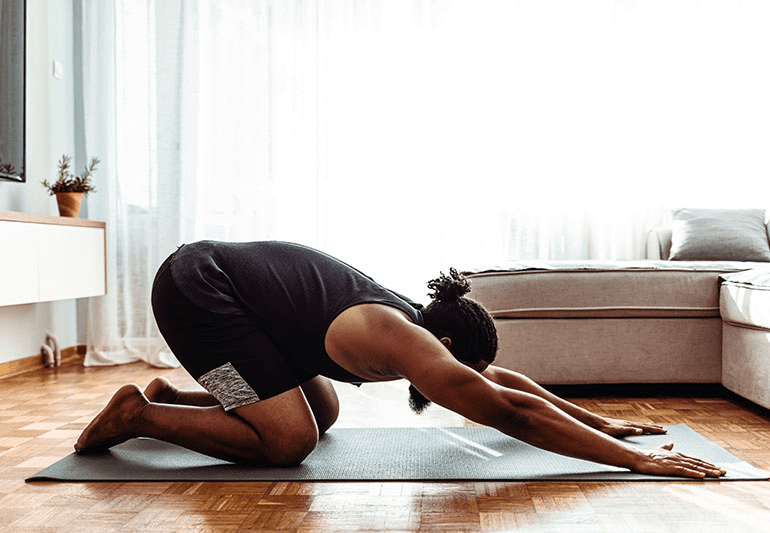
Credit: health.clevelandclinic.org
Breathing Techniques
Yoga enhances flexibility through various breathing techniques. Deep breaths relax muscles, allowing greater stretch and movement. Controlled breathing helps maintain focus and posture during stretching exercises.
Breathing techniques are a cornerstone of yoga that significantly enhance your flexibility. By focusing on your breath, you can deepen stretches and open up tight areas of your body. Understanding and practicing these techniques can be transformative, not only for your body but also for your mind.Pranayama Basics
Pranayama, the yogic practice of breath control, serves as a powerful tool for increasing flexibility. It involves various breathing exercises designed to calm the mind and prepare the body for physical activity. Start with simple techniques like deep belly breathing to relax your muscles. Consistent practice helps in releasing tension, making your body more pliable. You don’t need to spend hours on pranayama. Even a few minutes a day can show noticeable changes in how your body feels and moves.Breath And Flexibility
Breathing deeply during yoga can enhance your stretch capacity. When you inhale, your body naturally expands, creating more space in your joints and muscles. Exhaling deeply helps in releasing any tension, allowing for a deeper stretch. This rhythmic pattern of breathing can make your yoga practice more effective. Consider this: during a challenging pose, focus on your breath instead of the discomfort. You might find that holding the pose becomes easier and more enjoyable. Have you noticed how a deep breath can calm your nerves in a stressful situation? The same principle applies to your muscles during yoga. By mastering your breath, you can unlock a new level of flexibility. So, next time you’re on the mat, pay attention to your breath. It might just be the key to unlocking greater flexibility than you ever thought possible.Mind-body Connection
Yoga connects the mind and body. It promotes harmony and balance. Flexibility is a key benefit. This practice enhances both physical and mental well-being. The mind-body connection is crucial in achieving flexibility. It involves awareness, meditation, and focus.
Awareness And Flexibility
Awareness plays a vital role in flexibility. It requires listening to your body. Notice how each part feels during a stretch. This awareness helps avoid injuries. It also guides you to deeper stretches. Small adjustments can make a big difference. With practice, awareness improves. The mind becomes more attuned to the body’s needs.
Meditation’s Role
Meditation supports the mind-body connection. It calms the mind and relaxes the body. A relaxed body stretches more easily. Meditation reduces tension, promoting flexibility. It encourages patience and persistence. These are essential for progress in yoga.
Even a few minutes of meditation can help. It enhances focus and concentration. This mental clarity aids in achieving better flexibility. Incorporating meditation into yoga practice enriches the experience.
Common Misconceptions
Yoga is often seen as the ultimate path to flexibility. Many people believe that yoga is simply stretching. This leads to common misconceptions about its benefits. Understanding these misconceptions can help you better appreciate yoga.
Yoga Vs. Stretching
Stretching is a part of yoga. But yoga offers more than just physical stretches. It combines breath, focus, and movement. This holistic approach promotes overall well-being. Unlike regular stretching, yoga engages both mind and body. The poses are designed to enhance flexibility through mindful practice. Stretching focuses mainly on muscles. Yoga, however, targets both muscles and mental health. Both are beneficial, but yoga’s approach is broader.
Flexibility Myths
Many believe that flexibility is the primary goal of yoga. This is not entirely true. Yoga helps improve flexibility, but it’s not the sole focus. It also strengthens muscles and increases balance. Another myth is that you must be flexible to start yoga. This is false. Yoga is for everyone, regardless of flexibility level. Beginners often see improvement with regular practice. Yoga encourages progress, not perfection. You don’t need to be flexible to benefit from yoga’s holistic approach.
Getting Started With Yoga
Yoga enhances flexibility through a series of poses that stretch and strengthen muscles. Regular practice improves range of motion and reduces stiffness. It’s ideal for anyone aiming to become more flexible.
Getting started with yoga can be a rewarding journey. It helps improve flexibility, reduce stress, and boost overall well-being. Starting yoga may seem daunting, but with guidance, it becomes easier. The right approach ensures a positive experience and lasting benefits. Let’s explore how you can begin your yoga practice effectively.Choosing The Right Style
Yoga has many styles, each with unique benefits. Hatha yoga is gentle and great for beginners. It focuses on basic poses and breathing. Vinyasa yoga is more dynamic with flowing movements. If you prefer a slow pace, try Yin yoga. It involves holding poses longer to deepen stretches. Research different styles and find one that suits your needs.Finding A Class
Joining a class can provide structure and motivation. Look for classes that fit your schedule and skill level. Many community centers offer affordable yoga sessions. Online classes are also a good option for flexibility. Consider the instructor’s experience and teaching style. A good teacher can make your yoga journey enjoyable and safe.Long-term Benefits
Yoga offers many long-term benefits. One of the key benefits is flexibility. Over time, regular practice helps muscles stretch and relax. This not only improves movement but also reduces stiffness. Flexibility gained through yoga contributes to overall health and vitality.
Sustained Flexibility
Practicing yoga regularly leads to sustained flexibility. It enhances the range of motion in joints and muscles. This means less risk of injury in daily activities. Yoga poses work on different muscle groups. This ensures balanced flexibility throughout the body. As flexibility improves, so does posture and alignment.
Overall Well-being
Yoga impacts more than just physical flexibility. It boosts mental and emotional well-being too. Stretching releases tension stored in the muscles. This release helps reduce stress and anxiety. A flexible body often leads to a more relaxed mind. Yoga encourages mindfulness, promoting a sense of peace and calm.
Regular practice also improves balance and coordination. This enhances confidence in movement. Yoga supports a holistic approach to health, benefiting body and mind.
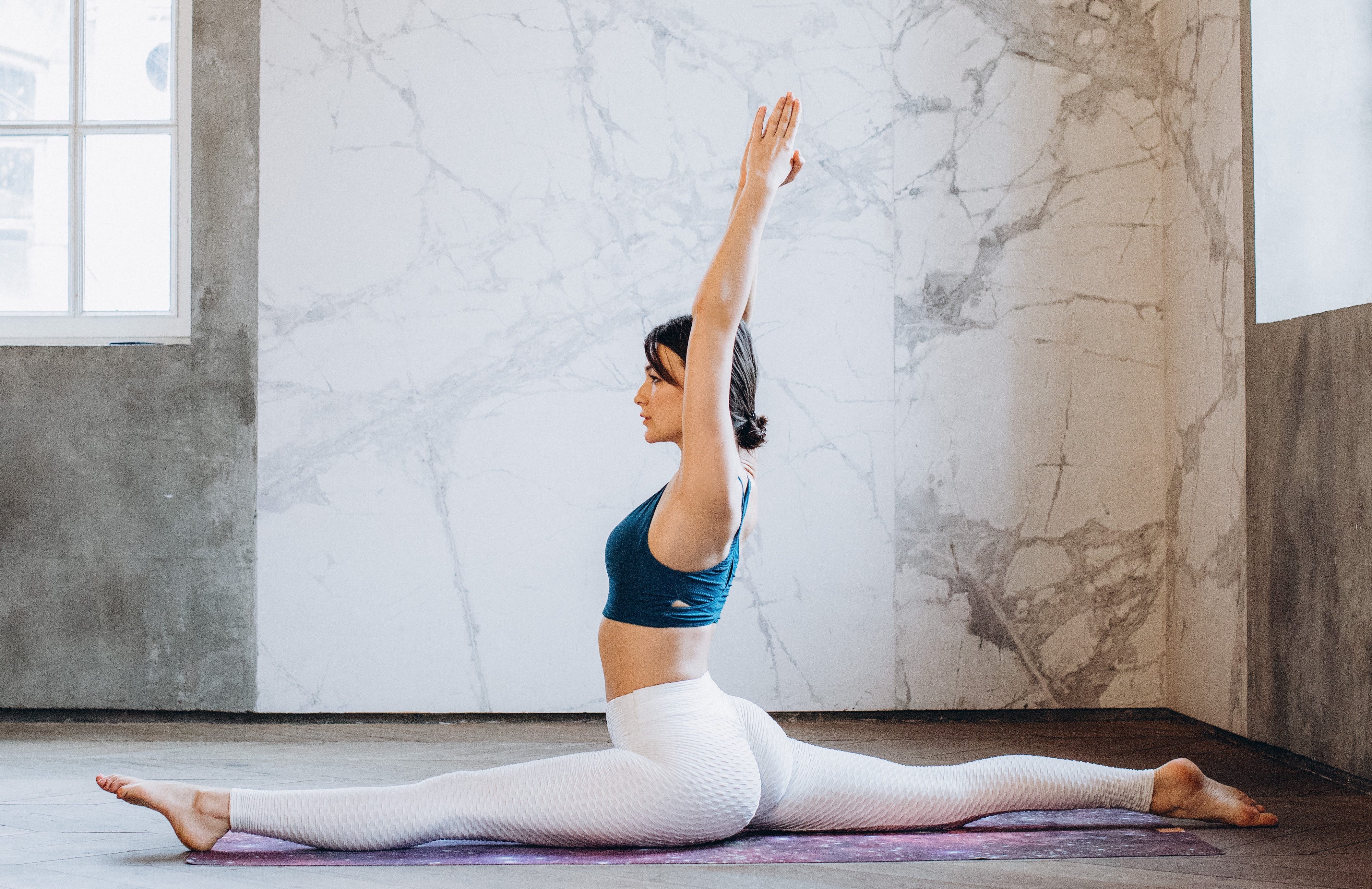
Credit: medium.com
Frequently Asked Questions
How Does Yoga Improve Flexibility?
Yoga enhances flexibility by stretching muscles and increasing range of motion. Regular practice helps lengthen and strengthen tissues. It also improves joint mobility. Yoga poses target specific areas, promoting flexibility in those regions. Over time, consistent yoga practice results in noticeable improvements in overall flexibility.
Can Beginners Become Flexible With Yoga?
Yes, beginners can become flexible with yoga. Yoga offers a gradual approach to flexibility. Beginners start with simple poses, progressively advancing. Regular practice helps improve flexibility over time. Patience and consistency are key. Yoga is adaptable for all skill levels, making it suitable for beginners seeking flexibility.
Which Yoga Poses Boost Flexibility?
Several yoga poses are excellent for boosting flexibility. Poses like Downward Dog, Cat-Cow, and Cobra stretch various muscle groups. Forward bends enhance hamstring flexibility. Warrior poses improve hip flexibility. Regular practice of these poses can significantly increase overall flexibility. Each pose targets different areas, contributing to improved flexibility.
Is Yoga Better Than Stretching For Flexibility?
Yoga offers more benefits than traditional stretching for flexibility. It combines stretching with strength and balance training. Yoga also promotes mindfulness and relaxation. Unlike static stretching, yoga engages multiple muscle groups simultaneously. This holistic approach enhances flexibility effectively. It provides a more comprehensive workout compared to simple stretching routines.
Conclusion
Yoga helps improve flexibility through regular practice. Stretching routines loosen tight muscles. Consistent poses increase range of motion. Body becomes agile and responsive. Breath control enhances relaxation. Yoga aids joint health, reducing stiffness. Progress takes time and patience. Regular practice shows results gradually.
Anyone can start, regardless of skill. Simple poses offer great benefits. Yoga promotes balance between body and mind. Encourages mindful movement and awareness. Flexibility boosts overall physical health. Try yoga and feel the difference. Experience the journey towards a more flexible you.