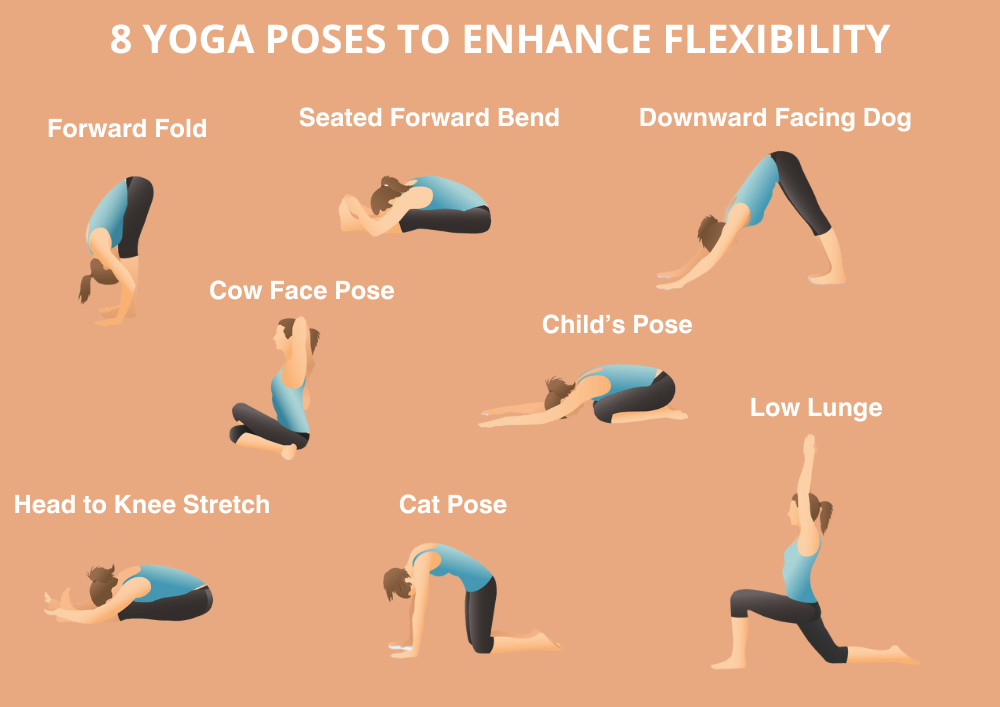
Are you looking to improve your flexibility and wondering which type of yoga is your best bet? With a variety of yoga styles available, choosing the right one can feel overwhelming.
But don’t worry—this guide is here to help you find the perfect match for your flexibility goals. Imagine feeling more limber, moving with ease, and enjoying a new level of physical freedom. The secret? Selecting the yoga practice that aligns with your body’s needs.
As you continue reading, you’ll discover the top yoga styles that enhance flexibility, backed by insights that resonate with your unique journey. So, why settle for stiffness when you can embrace a more agile you? Dive in to unlock the key to your flexible future!
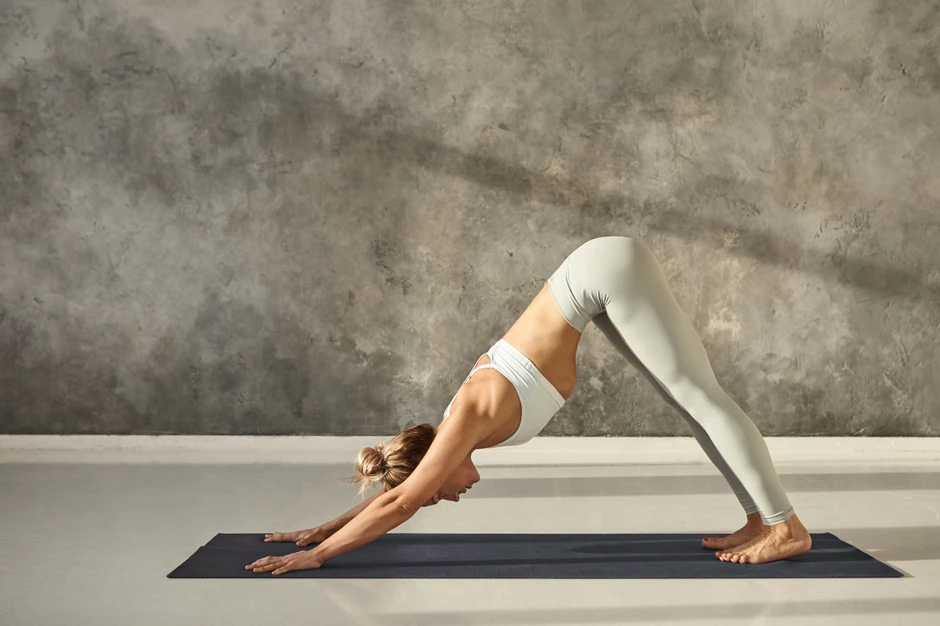
Credit: myyogateacher.com
Benefits Of Yoga For Flexibility
Hatha yoga stands out as an ideal choice for enhancing flexibility. This type of yoga focuses on gentle poses and deep breathing. It gradually stretches muscles and improves range of motion, making it perfect for beginners.
Flexibility is a cornerstone of physical well-being, yet many struggle to achieve it. Yoga offers a holistic approach to improving flexibility, enhancing both body and mind. Whether you’re an athlete looking to improve your range of motion or someone seeking relief from stiffness, yoga can be a transformative practice. Let’s dive into the benefits and uncover how yoga can be a game-changer for your flexibility journey.Improved Range Of Motion
Regular yoga practice can significantly enhance your range of motion. By stretching and holding poses, you gradually increase the length of your muscles and connective tissues. This can lead to smoother movement and a reduced risk of injury during physical activities. Imagine reaching for something on a high shelf with ease—yoga can make that possible!Enhanced Muscle Strength
While yoga is often associated with stretching, it also builds muscle strength, which is crucial for flexibility. Strong muscles support joints and help prevent overextension. As your strength improves, so does your ability to move through a full range of motion without discomfort. Can you recall a time when you felt strong yet supple? That’s the power of yoga in action.Stress Relief And Relaxation
Yoga not only benefits your physical body but also your mind. Stress often leads to muscle tension, hindering flexibility. By engaging in yoga, you promote relaxation and mental clarity, which helps release tight muscles. Consider how a calm mind can lead to a more flexible body—it’s a symbiotic relationship that yoga nurtures.Consistency And Patience
Achieving flexibility through yoga requires consistency and patience. Unlike quick fixes, yoga demands regular practice to see lasting improvements. Setting small, achievable goals can keep you motivated. Have you ever stuck with a routine long enough to see real change? Yoga offers that rewarding experience.Personal Experience And Adaptation
Yoga is not a one-size-fits-all approach. Everyone’s body is unique, and yoga encourages personal adaptation. You might find some poses challenging while others feel natural. By listening to your body, you can tailor your practice to suit your needs. Have you ever found a solution by adapting rather than forcing? Yoga teaches this valuable lesson. Engaging in yoga for flexibility can be a fulfilling and transformative experience. It’s not just about touching your toes—it’s about embracing a journey towards better physical health and mental peace. Are you ready to stretch beyond your limits?Hatha Yoga
Hatha Yoga is ideal for beginners and those seeking flexibility. It combines physical postures, breathing techniques, and meditation. The practice emphasizes balance and alignment. Slow movements and long holds make it effective. It’s a gentle way to increase range of motion.
Slow And Steady Approach
Hatha Yoga focuses on holding poses longer. This helps in deepening the stretch. Practitioners can better understand their body’s limits. This slow approach reduces the risk of injury. It provides time to adjust and align the body correctly. Patience is key in Hatha Yoga. It allows flexibility to improve gradually.
Best Poses For Flexibility
Several poses in Hatha Yoga enhance flexibility. Consider starting with these:
- Forward Bend:This pose stretches the hamstrings and spine.
- Cobra Pose:It opens the chest and strengthens the back.
- Triangle Pose:Enhances flexibility in legs and hips.
These poses, when practiced regularly, improve flexibility. Each pose targets different muscle groups. Consistent practice is essential for progress.
Vinyasa Yoga
Vinyasa Yoga is ideal for improving flexibility through its dynamic flow of movements. It connects breath with each pose, encouraging a deep stretch. This practice enhances muscle pliability, making it a top choice for those seeking greater flexibility.
Vinyasa Yoga is a popular style known for its smooth transitions. It offers a dynamic approach to flexibility. This yoga type connects breath with movement. It creates a flowing sequence that enhances the practice’s benefits. Vinyasa is often described as a moving meditation. It helps in increasing flexibility and strength.Flow And Movement
Vinyasa Yoga is all about fluid motion. Each pose flows into the next seamlessly. This continuous flow keeps the body active. It enhances muscle engagement and promotes joint flexibility. The transitions are gentle, reducing the risk of injury. Flowing movements also improve circulation, aiding in muscle recovery.Dynamic Stretching Benefits
Dynamic stretching in Vinyasa Yoga warms up the muscles. It prepares the body for deeper poses. These stretches are not static. They involve movement, which boosts flexibility over time. Dynamic stretches also improve muscle coordination. They increase range of motion, making daily activities easier. By practicing regularly, you’ll notice improved balance and flexibility.
Credit: www.yogabasics.com
Yin Yoga
Yin Yoga is ideal for enhancing flexibility. It involves holding poses for longer durations, allowing deep stretching of muscles and connective tissues. This practice fosters relaxation and improves range of motion, making it perfect for those seeking to become more flexible.
Yin Yoga is a gentle practice focused on deep relaxation and flexibility. It targets the body’s connective tissues, like ligaments and tendons. This style of yoga is perfect for enhancing joint mobility and releasing tension. Yin Yoga involves holding poses for longer periods, allowing muscles to relax and stretch deeply. This practice is ideal for individuals seeking to improve their overall flexibility.Deep Stretching Techniques
Yin Yoga offers deep stretching techniques that help increase flexibility. Holding poses for extended times allows deeper access to muscles and fascia. These techniques focus on relaxing the body, fostering flexibility. Stretching deeply also aids in relieving stress and calming the mind.Poses For Joint Flexibility
Certain poses in Yin Yoga target joint flexibility. These poses gently open the hips, shoulders, and spine. Popular poses include Butterfly, Dragon, and Swan. Each pose supports joint health and enhances range of motion. Regular practice can lead to improved joint mobility and reduced stiffness.Bikram Yoga
Bikram Yoga, with its 26 poses practiced in a heated room, enhances flexibility effectively. The warmth helps muscles stretch and reduces injury risk, making it ideal for those seeking to improve flexibility.
Bikram Yoga is a popular style focused on improving flexibility. It is practiced in a heated room, which can enhance the benefits. This style consists of a specific sequence of 26 poses. Each class lasts 90 minutes, providing a comprehensive workout.Heat And Flexibility
The heat in Bikram Yoga helps muscles stretch more easily. A warm environment increases blood flow and flexibility. This can help prevent injuries. The heat allows for deeper stretches, promoting muscle relaxation. It also aids in detoxifying the body through sweating.Core Poses In Bikram
Bikram Yoga includes 26 poses, each with unique benefits. Key poses improve flexibility and balance.- Standing Bow Pose: This pose stretches the spine and improves balance.
- Triangle Pose: It opens the hips and strengthens the core.
- Camel Pose: This pose stretches the back and increases spinal flexibility.
Ashtanga Yoga
Ashtanga Yoga enhances flexibility through a structured sequence of postures. It combines dynamic movements with synchronized breathing. Each session focuses on flowing poses that stretch and strengthen muscles effectively.
Ashtanga Yoga is a dynamic and structured practice. It blends breath with movement, offering a complete workout for the body and mind. Known for its rigorous sequences, it demands focus and dedication. This practice is ideal for those seeking discipline and commitment. Ashtanga Yoga enhances flexibility, strength, and mental clarity.Structured Series
The Ashtanga Yoga practice follows a set sequence of postures. Each class begins with Sun Salutations to warm up the body. Following this, practitioners move through a series of standing and seated poses. The sequence is consistent, creating a meditative rhythm. This structure aids in tracking progress over time.Improving Flexibility Over Time
Regular practice of Ashtanga Yoga gradually improves flexibility. Each session helps in stretching tight muscles and increasing range of motion. The repetition of poses allows the body to open up slowly. Over time, joints and muscles become more pliable. Consistency is key to seeing noticeable changes in flexibility.Comparing Yoga Styles
Yoga is a great way to improve flexibility. But with so many styles, how do you know which is best? Comparing different yoga styles can help you decide. Each style offers unique benefits, especially for improving flexibility.
Intensity Levels
Yoga styles vary in intensity. Some are gentle, while others are more demanding. Hatha Yoga is a gentle style. It focuses on basic postures and breathing. This makes it ideal for those new to yoga or seeking relaxation. Vinyasa Yoga is more intense. It involves flowing movements and can be physically challenging. It improves flexibility while also building strength.
Ashtanga Yoga is another intense style. It follows a set series of poses. It is physically demanding and great for those who like structure. Bikram Yoga is practiced in a heated room. The heat helps muscles stretch and improves flexibility. Yin Yoga is a slow-paced style. It targets deep connective tissues. Holding poses for longer periods enhances flexibility.
Suitability For Beginners
Beginners may feel overwhelmed by yoga choices. Hatha Yoga is perfect for beginners. Its gentle pace and simple poses make it accessible. Yin Yoga is also beginner-friendly. It allows you to ease into poses without pressure. Vinyasa Yoga can be suitable for beginners if modified. Classes often offer variations for different skill levels.
Ashtanga and Bikram Yoga might be challenging for newcomers. They require more stamina and commitment. It is better to gain some experience before trying these styles. Remember, each person is different. What works for one may not work for another. Start with a style that feels comfortable. Gradually explore other styles to expand your practice.
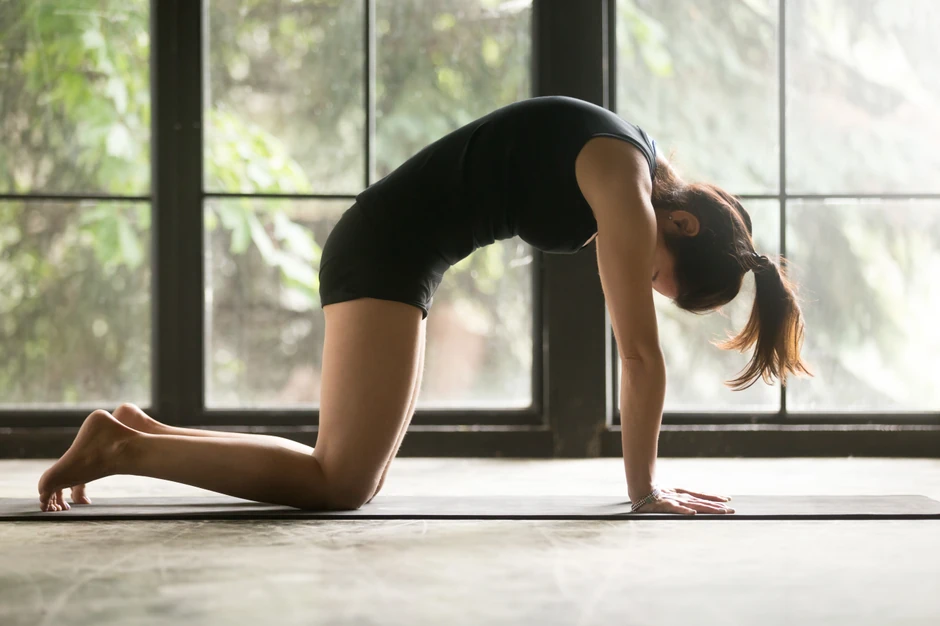
Credit: myyogateacher.com
Tips For Enhancing Flexibility
Flexibility is a key benefit of practicing yoga. With consistent practice, you can improve your range of motion and reduce muscle stiffness. Specific techniques can help you enhance flexibility effectively. Let’s explore some useful tips to make your yoga practice more productive.
Incorporating Yoga Into Routine
Integrate yoga into your daily life. Start with simple poses that target flexibility. Dedicate a specific time each day for practice. Morning stretches can invigorate you for the day. Evening sessions help relax your body before sleep. This routine will gradually enhance your flexibility.
Consistency And Patience
Consistency is vital in yoga practice. Regular practice leads to gradual improvement. Don’t rush the process; flexibility develops over time. Be patient with your progress. Celebrate small milestones in your journey. This approach will keep you motivated and focused.
Frequently Asked Questions
Which Yoga Style Improves Flexibility Best?
Vinyasa and Ashtanga yoga are excellent for flexibility. They involve dynamic movements and sequences that stretch muscles. Regular practice enhances flexibility by gradually loosening tight areas. Over time, these styles improve range of motion and reduce stiffness. Consistency is key for noticeable results in flexibility.
Is Hatha Yoga Good For Flexibility?
Yes, Hatha yoga is beneficial for flexibility. It focuses on gentle postures and steady poses that stretch muscles. This style promotes slow progression, allowing the body to open up gradually. Regular practice helps in improving flexibility and overall body alignment.
It’s perfect for beginners seeking increased flexibility.
How Does Yin Yoga Enhance Flexibility?
Yin yoga enhances flexibility through long-held poses. These poses target deep connective tissues, allowing for greater stretch. By holding poses for several minutes, Yin yoga increases joint mobility. It also improves circulation in joints and fascia. This style is ideal for those looking to deeply improve flexibility.
Can Beginners Increase Flexibility With Yoga?
Absolutely, beginners can increase flexibility with yoga. Starting with gentle styles like Hatha or Yin is recommended. These styles offer gradual stretching, suitable for all levels. Consistent practice allows beginners to see improvement in flexibility over time. Patience and regular sessions are essential for progress.
Conclusion
Choosing the best yoga for flexibility depends on your goals. Vinyasa and Ashtanga are great for dynamic stretches. Yin yoga focuses on deep, passive stretches. Hatha yoga offers balanced poses for gradual flexibility improvement. Your personal preference matters in selecting the right style.
Explore different types to find what suits you. Consistent practice is key to enhancing flexibility. Listen to your body and enjoy the journey. Yoga is not just about flexibility; it’s about connecting with yourself. Start with small steps. Progress will follow.
Keep practicing and stay committed. Flexibility will improve over time.