Imagine moving with ease and grace, feeling at home in your body, and releasing tension with every stretch. Flexibility isn’t just for gymnasts or dancers; it’s for everyone, and yoga is your secret weapon to unlock it.
If you’ve ever envied the fluid movements of seasoned yogis or wished you could bend without breaking, this guide is your golden ticket. You might wonder if you can really become that flexible, especially if touching your toes feels like a distant dream.
The truth is, with the right approach, anyone can enhance their flexibility through yoga. Whether you’re a complete beginner or someone looking to deepen your practice, this article will show you how to make real progress. Stick with us, and you’ll discover simple yet effective yoga poses, learn the science behind stretching, and gain insights that will motivate you to stick with your practice. Ready to transform your body and mind? Let’s dive into how you can get really flexible with yoga.
Benefits Of Flexibility
Yoga enhances flexibility, boosting range of motion and reducing injury risks. Regular practice improves posture and alleviates muscle tension.
Flexibility gained through yoga can transform your body and mind. It improves your physical health and boosts mental and emotional well-being. Embracing flexibility can lead to a more balanced life. Here’s how yoga helps you achieve these benefits.Physical Health Advantages
Flexible muscles reduce the risk of injury. Stretching during yoga lengthens muscles and tendons. This increases your range of motion. It can lead to better posture and less muscle stiffness. Enhanced flexibility also aids in reducing joint pain. It supports overall muscle function and coordination. Improved circulation is another benefit, promoting faster recovery.Mental And Emotional Well-being
Yoga’s focus on flexibility extends beyond the physical. It encourages a calm and peaceful mind. Stretching releases tension and stress. This can lead to improved mood and mental clarity. It fosters a sense of relaxation and balance. When your body feels free, your mind does too. Embracing flexibility through yoga nurtures a positive mindset. It supports emotional resilience and self-awareness.Yoga Basics For Flexibility
Yoga is a wonderful way to improve flexibility. It helps stretch muscles and joints, making movements easier and more fluid. Many people practice yoga to become more flexible. Understanding the basics is key to achieving this goal.
Understanding Yoga Styles
Different yoga styles can enhance flexibility. Hatha yoga focuses on gentle postures, perfect for beginners. Vinyasa yoga involves fluid movements, linking breath with motion. Yin yoga targets deep connective tissues, holding poses for longer periods. Each style offers unique benefits. Choose one that suits your needs and level.
Equipment And Attire
Wearing the right clothes is essential. Choose stretchy, comfortable attire for easy movement. A yoga mat provides grip and cushioning. Blocks and straps can assist in reaching and holding poses. Having a water bottle nearby keeps you hydrated. These tools enhance your practice and support your flexibility journey.
Essential Yoga Poses
Yoga is a transformative practice that can significantly enhance your flexibility. By incorporating essential yoga poses into your routine, you can gradually open up your body and improve your range of motion. These poses cater to different levels of experience, helping you progress from a beginner to an advanced practitioner.
Beginner-friendly Poses
Starting with yoga can be both exciting and challenging. It’s essential to ease into it with poses that are gentle yet effective. Consider these beginner-friendly poses:
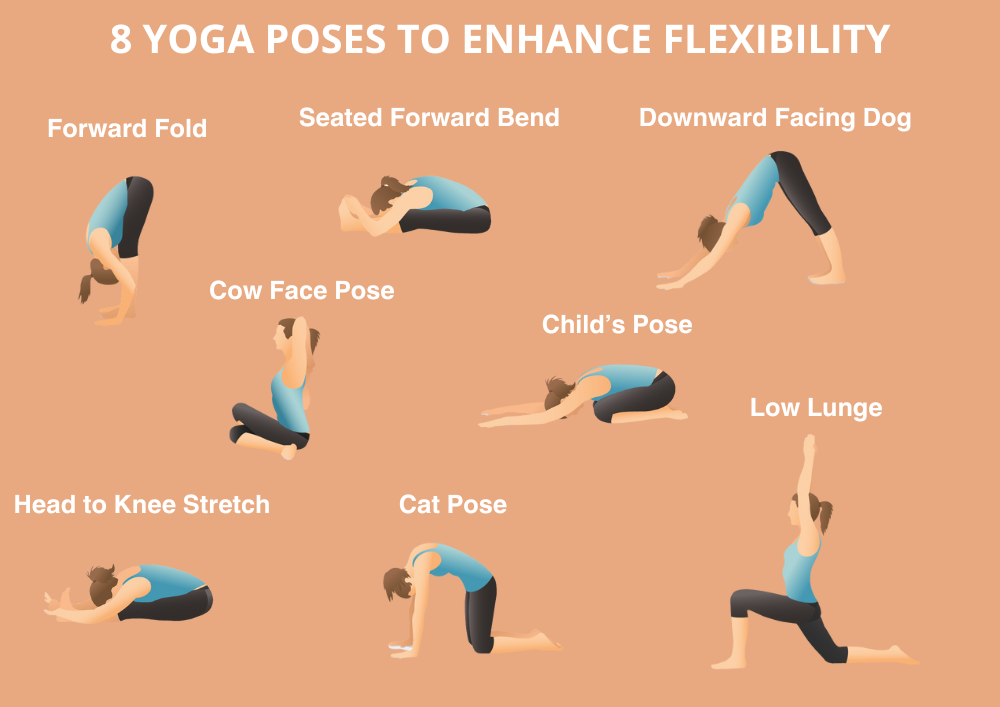
- Cat-Cow Stretch:This dynamic movement warms up your spine, making it more flexible. It’s perfect for those morning stretches to shake off stiffness.
- Forward Fold:This pose is excellent for lengthening your hamstrings and releasing tension in your back. You can bend your knees slightly to make it more comfortable.
- Child’s Pose:A restorative pose that gently stretches your hips, thighs, and ankles. It provides a moment of rest and allows you to connect with your breath.
These poses lay the foundation for more complex movements. They also teach you about your body’s limitations and strengths. Are you ready to explore deeper?
Intermediate Poses For Growth
Once you feel comfortable with the basics, it’s time to challenge your body further. Intermediate poses require more focus and balance:
- Warrior II:This pose strengthens your legs and opens your hips. It also builds stamina and concentration.
- Triangle Pose:A fantastic stretch for your sides and legs, enhancing your overall flexibility. It also helps improve balance and stability.
- Pigeon Pose:This deep hip opener can release tension stored in the hips. It encourages patience and mindful breathing.
These poses help you grow both physically and mentally. They push you to maintain focus and embrace your limits. How far can your practice take you?
Advanced Poses For Mastery
For those who’ve mastered the intermediate poses, advanced poses offer a thrilling challenge. They demand strength, flexibility, and unwavering concentration:
- Wheel Pose:An intense backbend that opens the chest and strengthens the arms and legs. It requires a strong foundation and a flexible spine.
- King Pigeon Pose:A deeper variation of the pigeon pose that requires exceptional flexibility in the hips and back. It’s a true test of balance and grace.
- Handstand:This inversion challenges your balance and strength. It also enhances your focus and confidence.
Advanced poses are not just about physical prowess. They teach you resilience and the power of consistent practice. What new heights will you reach on your yoga journey?

Credit: www.youtube.com
Creating A Flexible Routine
Creating a flexible routine is the key to unlocking your body’s potential through yoga. It’s about consistency and understanding your body’s limits while gently pushing them further. Whether you’re a beginner or have been practicing for years, establishing a routine that suits your lifestyle and goals is essential. Let’s dive into the components of a flexible yoga routine that can help you transform your practice and achieve the flexibility you desire.
Setting Realistic Goals
Start by identifying what flexibility means to you. Do you want to master specific poses or simply touch your toes? Set clear, achievable goals that inspire you. Remember, flexibility is a journey—celebrate small milestones along the way. Avoid comparing yourself to others; your path is unique.
Incorporating Daily Practice
Consistency is crucial. Aim to practice yoga daily, even if it’s just for a few minutes. You can start with simple stretches or a short flow to gradually increase your flexibility. Find a time that suits you best, whether it’s morning or evening, and stick to it to build a habit.
Tracking Progress
Keep a journal to note your progress. Document the poses that felt challenging and those where you noticed improvement. Reflect on how your body feels after each session. Ask yourself: What did I achieve today? How can I improve tomorrow?
Overcoming Common Challenges
Increasing flexibility with yoga involves practice and patience. Beginners can face challenges like stiff muscles or lack of balance. Consistent practice helps ease these issues, promoting gradual improvement in flexibility.
Overcoming Common Challenges Starting yoga can be exciting, but challenges arise. Flexibility takes time. Many people face obstacles on their journey. Let’s explore ways to tackle them.Dealing With Stiffness
Stiffness is common for beginners. Your muscles need time to adapt. Start with gentle stretches. Focus on breathing deeply. This helps muscles relax. Practice regularly, even if just for a few minutes daily. Consistency is key. Warm up before each session. This prepares your body and reduces stiffness.Preventing Injuries
Safety is crucial in yoga. Listen to your body. Never push too hard. Use props like blocks or straps. They provide support and prevent strain. Keep your movements controlled. Rushing increases the risk of injury. Attend classes with experienced instructors. They guide you on proper form. Proper alignment protects your body.Staying Motivated
Motivation can wane over time. Set small, achievable goals. Celebrate each milestone. Variety keeps practice interesting. Try different yoga styles. Join a community or class. Sharing experiences boosts motivation. Track your progress. Reflect on improvements. Remember, yoga is a journey, not a race. Enjoy every step.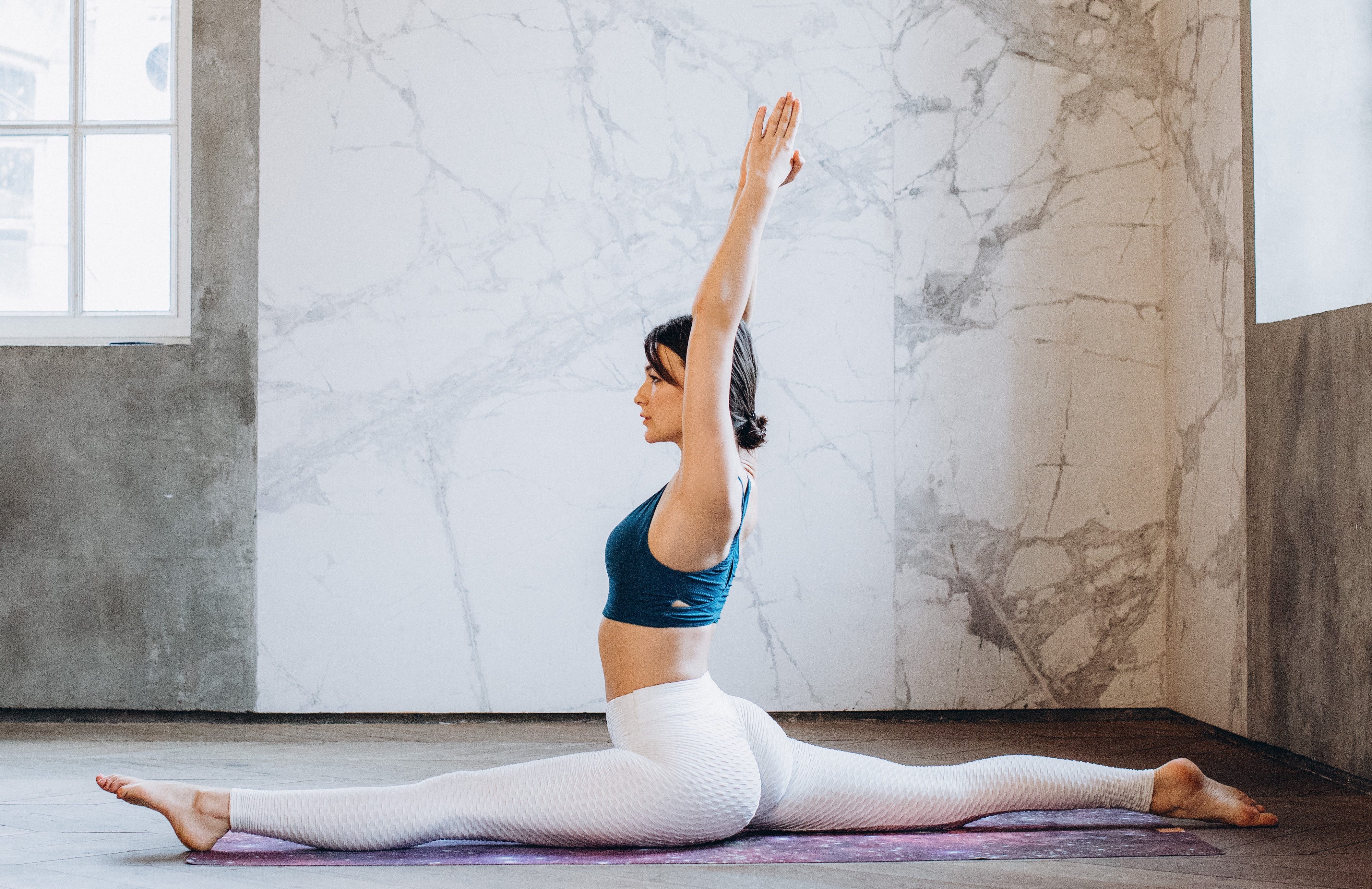
Credit: medium.com
Incorporating Mindfulness
Incorporating mindfulness into your yoga practice can significantly enhance your flexibility. By being present and aware during your sessions, you deepen your connection to your body. This awareness not only improves your physical range of motion but also enriches your mental well-being.
Breath Control Techniques
Breathing is the bridge between your mind and body. Focusing on your breath helps you stay grounded and calm. Try the “4-7-8” technique: inhale for 4 seconds, hold for 7, and exhale for 8. This simple practice can relax your muscles and increase flexibility.
Another technique is Ujjayi breathing, often called “ocean breath”. It’s about inhaling and exhaling through the nose with a slight constriction at the back of your throat. This rhythmic breathing can help you maintain focus and energy during challenging poses.
Meditation Practices
Meditation can be a powerful tool to enhance your yoga practice. By setting aside just a few minutes before or after your yoga session to meditate, you can center your mind and prepare your body for deeper stretching. Consider starting with guided meditations focused on body awareness or relaxation.
Using visualization during meditation can also be beneficial. Picture your muscles gently lengthening and relaxing with each breath. This mental imagery can translate into physical flexibility over time.
Have you ever noticed how much more flexible you feel when your mind is calm? Meditation can be your key to achieving that serene state, allowing your body to stretch more effortlessly.
Nutrition For Flexibility
Achieving peak flexibility in yoga isn’t just about the stretches and poses you practice. It’s also about what you feed your body. Nutrition plays a vital role in preparing your muscles and joints for the demands of yoga. How can the right diet transform your flexibility journey? Let’s dive into some essential dietary tips and hydration insights that can make a difference.
Dietary Tips
What you eat directly impacts how your body feels and performs. Here are some dietary tips to enhance your flexibility:
- Load Up on Omega-3s:Foods rich in omega-3 fatty acids, like salmon and chia seeds, help reduce inflammation, allowing your muscles to stretch more comfortably.
- Go Green:Leafy greens such as spinach and kale are packed with nutrients that support muscle health. They can be your best allies in achieving that extra stretch.
- Choose Anti-inflammatory Foods:Ginger, turmeric, and berries can help soothe sore muscles, making your post-yoga recovery quicker and more effective.
Have you ever noticed how your body feels different after a meal rich in these nutrients?
Hydration Importance
Hydration is often underestimated when it comes to flexibility. But it’s crucial for keeping your joints lubricated and muscles supple.
- Stay Consistently Hydrated:Drinking water throughout the day ensures your body is ready for the demands of yoga.
- Include Electrolytes:Consider adding electrolyte-rich beverages to your routine to replenish minerals lost through sweat during intense sessions.
- Monitor Your Urine:A simple check is to look at the color of your urine. Clear or light yellow means you’re well-hydrated.
Have you ever tried yoga after a day of poor hydration? The difference is palpable.
Finding The Right Instructor
Finding the right yoga instructor is key to gaining flexibility. Choose someone who understands your needs and guides you safely. An experienced teacher helps you progress at your own pace.
Finding the right yoga instructor can make all the difference in your journey to becoming more flexible. Just like a favorite teacher from school, a great yoga instructor can inspire, motivate, and guide you in ways you never thought possible. Whether you’re attending in-person classes or exploring online options, the key is to find someone who resonates with you and your goals.Qualities Of A Good Teacher
When you’re on the hunt for the perfect yoga instructor, consider what qualities matter most to you. A good teacher is not just someone who can perform advanced poses effortlessly; they should also have the ability to explain complex movements in simple terms. They should be patient, encouraging, and attentive to individual needs. Experience is another essential quality. It’s important to find someone who has been teaching for a while and understands the challenges beginners face. A teacher who shares personal stories of their own flexibility journey can offer valuable insights and make learning more relatable. Look for someone whose teaching style aligns with your learning preferences. Do they use hands-on adjustments, or do they prefer verbal cues? Are their classes focused on mindfulness, or do they emphasize physical endurance? These factors can significantly impact your progress.Exploring Online Resources
The digital age has opened up a world of possibilities for finding yoga instructors. Online platforms offer a plethora of classes, workshops, and tutorials that can be accessed from the comfort of your home. Websites like YouTube, YogaGlo, and Alo Moves provide diverse options for all skill levels. Online resources are particularly beneficial if you’re juggling a busy schedule. You can practice at your own pace and revisit sessions that you find particularly helpful. Many instructors offer interactive sessions where you can ask questions and receive personalized feedback. Check reviews and ratings before committing to an online instructor. A strong community following or positive testimonials can signal an instructor’s credibility and effectiveness. Just like choosing a book with great reviews, selecting an instructor with positive feedback can lead to a fulfilling experience. Finding the right instructor is a personal journey, but it’s worth the effort. Think about what you need in a teacher and explore different options. What qualities do you value most? Your flexibility journey depends on it.
Credit: www.instagram.com
Frequently Asked Questions
How Long To Become Flexible With Yoga?
Becoming flexible with yoga varies for each person. Regular practice can lead to noticeable improvements in a few weeks. Consistency is key; practicing yoga 3-5 times a week can enhance flexibility. Remember, everyone’s body is different, so patience and persistence are essential for achieving your flexibility goals.
What Yoga Poses Improve Flexibility Fastest?
Certain yoga poses are renowned for boosting flexibility. Poses like Downward Dog, Forward Bend, and Pigeon Pose target key muscle groups. These poses stretch and lengthen muscles effectively. Regular practice can lead to faster improvements in flexibility. Always warm up before attempting these poses to prevent injury.
Is Yoga Safe For Beginners Aiming Flexibility?
Yes, yoga is generally safe for beginners seeking flexibility. Start with basic poses and gradually advance. Listen to your body and avoid pushing yourself too hard. Using props like blocks or straps can aid in maintaining safe postures. Consult a yoga instructor if you’re unsure about correct technique.
Can I Combine Yoga With Other Exercises?
Combining yoga with other exercises can enhance overall fitness. Yoga complements activities like running, swimming, and strength training. It improves flexibility, balance, and mental focus. Just ensure to balance your routine to prevent overtraining. This combination can lead to better physical and mental health outcomes.
Conclusion
Yoga boosts flexibility with regular practice. Stretching daily helps you improve. Your body becomes more agile over time. Stay patient and consistent. Listen to your body and don’t rush. Yoga demands mindfulness and dedication. Enjoy each pose and progress gradually.
Make yoga a part of your routine. Remember, flexibility isn’t just physical. It also nurtures mental calmness. Embrace the journey to a flexible body and mind. Feel the benefits in everyday life. Breathe deeply and stay present. Yoga transforms your health and well-being.
Keep practicing, and flexibility will come naturally.