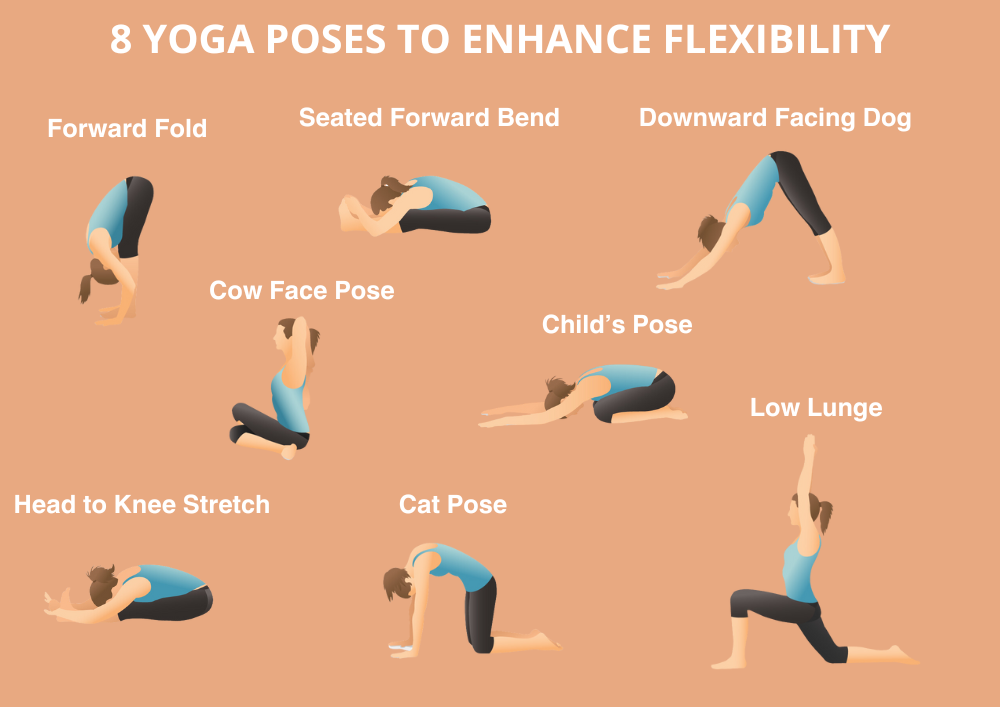
Do you often feel stiff or tense in your body? Are you looking for a way to become more flexible without spending hours at the gym?
Yoga might just be the solution you’ve been searching for. Imagine moving with ease, reaching that top shelf without a struggle, and feeling a sense of freedom in your body. Sounds appealing, right? Flexibility is not just about touching your toes; it’s about improving your overall quality of life.
We will explore some yoga poses specifically designed to enhance your flexibility. Whether you are a beginner or have some experience, these poses can help you unlock a new level of comfort and mobility. Keep reading to discover how these simple yet effective yoga poses can transform your daily life.
Benefits Of Yoga For Flexibility
Yoga enhances flexibility through various poses, such as Downward Dog, which stretches the spine and legs. Cobra Pose opens the chest and strengthens the spine, while the Forward Bend stretches the hamstrings. Regular practice of these poses can gradually improve flexibility and overall body movement.
Yoga is not just a physical exercise; it’s a holistic approach to enhancing flexibility and overall well-being. Engaging in yoga can transform your body’s flexibility, allowing you to move more freely and with greater ease. Imagine bending forward without stiffness or stretching your arms without limitation. The benefits of yoga for flexibility extend beyond mere physical improvements, encompassing mental clarity and emotional balance.Improved Range Of Motion
Practicing yoga consistently can significantly enhance your range of motion. Each pose encourages your muscles and joints to stretch beyond their comfort zones. This gradual stretching helps you achieve movements that once seemed impossible. As a result, everyday tasks become easier, and your body feels more agile.Reduced Risk Of Injury
With increased flexibility, your body becomes more resilient. Flexible muscles and joints are less prone to injuries during sudden movements or physical activities. This is particularly beneficial for athletes and active individuals. By incorporating yoga into your routine, you can enjoy your favorite activities without the constant fear of injury.Enhanced Athletic Performance
Yoga can be a game-changer for athletes seeking to improve their performance. Flexible muscles respond better to training, allowing you to push your limits safely. Whether you’re a runner, swimmer, or cyclist, yoga can complement your sport, enhancing your ability to excel.Improved Posture
Flexibility gained through yoga contributes to better posture. As your muscles elongate and strengthen, your body naturally aligns itself. You might notice you’re standing taller and sitting straighter. This not only boosts your confidence but also reduces discomfort associated with poor posture.Stress Relief And Relaxation
Yoga for flexibility isn’t just about physical benefits. The practice itself is deeply relaxing, providing a mental escape from daily stress. As you stretch and breathe deeply, your mind calms, and your body releases tension. This dual benefit of physical and mental relaxation is why many turn to yoga as a stress-relief tool.Personal Experience With Flexibility
Years ago, I struggled to touch my toes without bending my knees. Incorporating yoga into my daily routine changed that. Today, I can effortlessly reach down and feel the stretch in my hamstrings. It’s not just about the physical accomplishment; it’s the mental satisfaction of overcoming a limitation. Have you considered how yoga could transform your flexibility? Imagine the possibilities when your body moves with ease and grace.Forward Bend Poses
Forward bend poses in yoga enhance flexibility by stretching the spine and hamstrings. Poses like Standing Forward Bend and Seated Forward Bend are effective for improving flexibility. They also help in releasing tension from the back and neck, promoting relaxation.
Forward Bend Poses offer a serene yet powerful way to enhance your flexibility. These poses gently stretch your hamstrings, spine, and calves, promoting relaxation and release of tension. They are accessible and can be modified to suit various skill levels. Forward bends are perfect for winding down or starting your day with a peaceful stretch. As you dive into these poses, consider how they can refresh your mind and body, inviting a deeper connection with your practice.Standing Forward Bend
The Standing Forward Bend, or Uttanasana, is a staple in yoga routines. It involves folding the body forward from a standing position. This pose can relieve stress and stretch the back of your body. To perform Uttanasana, stand with feet hip-width apart and slowly fold forward from the hips. Allow your arms to hang freely or hold opposite elbows for a deeper stretch. Feel free to bend your knees if your hamstrings are tight. This pose not only enhances flexibility but also calms your mind. Can you feel the gentle pull in your spine and legs?Seated Forward Bend
The Seated Forward Bend, or Paschimottanasana, is a soothing pose for stretching the back and hamstrings. Sit with your legs extended and gently reach forward, aiming to touch your toes. If your flexibility is limited, use a strap around your feet or simply reach as far as you comfortably can. Keep your spine long and avoid rounding your back. This pose encourages deep breathing and relaxation. As you reach forward, notice how your body responds. Are you feeling more open and relaxed?Backbend Poses
Enhancing flexibility through yoga involves practicing backbend poses like Cobra, Bridge, and Bow. These poses stretch the spine and open the chest, improving flexibility and posture. Regular practice aids in reducing tension and boosting overall body mobility.
Backbend poses in yoga are a gateway to enhancing your flexibility and opening up the front of your body. These poses not only stretch and strengthen your back but also boost your energy and improve your posture. By incorporating backbends into your routine, you can experience a greater range of motion and a deeper sense of balance in your practice. Let’s dive into two foundational backbend poses that can elevate your flexibility journey.Bridge Pose
The Bridge Pose is an excellent starting point for those looking to gently introduce backbends into their practice. Begin by lying on your back with your knees bent and feet flat on the floor, hip-width apart. Your arms should rest alongside your body, palms facing down. As you inhale, press your feet into the ground and lift your hips towards the ceiling. Engage your glutes and thighs to support the lift. Hold the pose for a few breaths, feeling the stretch in your chest and spine. This pose not only increases spinal flexibility but also strengthens your back and improves circulation. Have you noticed how a few minutes in Bridge Pose can refresh your mood and enhance your focus?Camel Pose
Camel Pose is a more advanced backbend that opens up the front of your body deeply. Kneel on the floor with your knees hip-width apart and your thighs perpendicular to the ground. Place your hands on your lower back for support. Slowly lean back, reaching your hands towards your heels. Keep your chest lifted and your head neutral or gently dropped back. Feel the intense stretch along your front body and hold for several breaths. This pose challenges your balance and flexibility, offering a rewarding stretch. It’s a reminder of how each breath can guide you deeper into the pose, unveiling new levels of flexibility and strength. Are you ready to embrace the challenge and enjoy the benefits of the Camel Pose?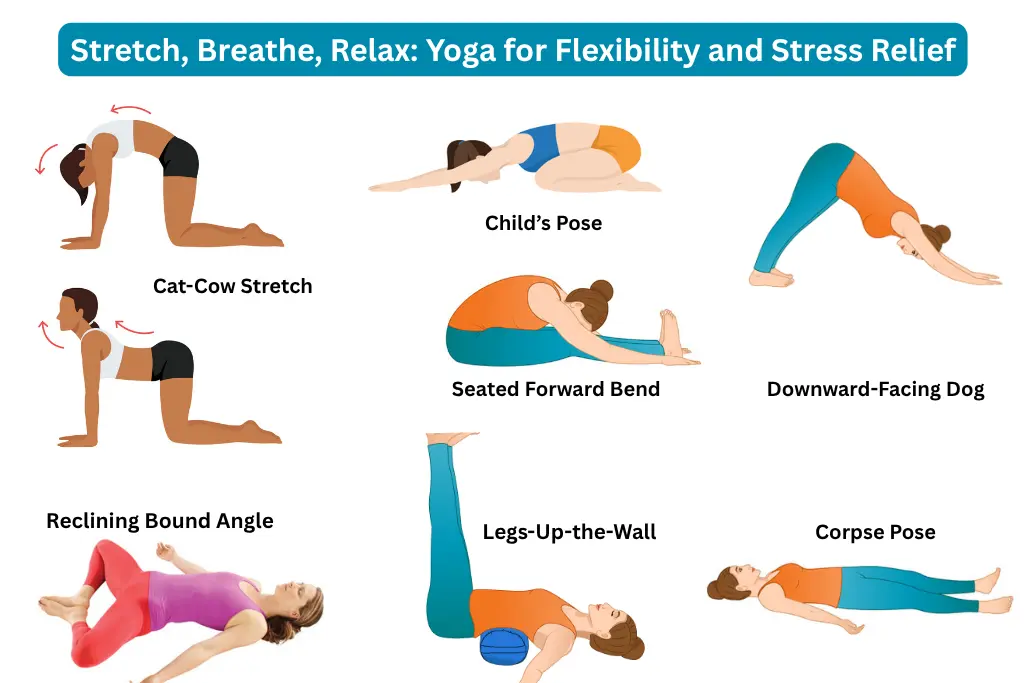
Credit: yogavibeshub.com
Twist Poses
Twist poses in yoga enhance flexibility and detoxify the body. These poses engage the spine and internal organs, promoting circulation. They also help in releasing tension and improving posture.
Revolved Triangle Pose
This pose stretches the spine and strengthens the legs. Begin standing with feet apart, arms at shoulder level. Rotate your torso, reaching one hand to the opposite foot. Keep your gaze upward. Hold for five breaths, then switch sides. It opens the chest and improves balance.
Seated Spinal Twist
Sit with legs extended. Bend one knee and place the foot flat. Twist the torso towards the bent knee, using the opposite arm for support. Stay for five breaths, then repeat on the other side. This pose enhances digestion and spinal flexibility.
Hip Opener Poses
Hip opener poses like Butterfly and Pigeon are great for improving flexibility. These yoga poses stretch tight hip muscles, promoting greater range of motion. Practicing regularly can enhance your overall mobility and comfort.
Hip Opener Poses are essential for enhancing flexibility in yoga practice. They target the hips, which often hold tension and stress. Opening the hips can lead to improved posture and a greater range of motion. These poses can also help in reducing lower back pain and improving circulation. Practicing hip openers regularly can lead to a sense of freedom in movement and a more balanced body.Pigeon Pose
Pigeon Pose is a powerful hip opener. It stretches the hip flexors and glutes deeply. Start in a tabletop position, then slide one knee forward. Extend the opposite leg straight back. Keep the hips square and lean forward for a deeper stretch. This pose releases tension and helps improve flexibility over time.Butterfly Pose
Butterfly Pose is gentle yet effective for opening the hips. Sit with your back straight and bring the soles of your feet together. Hold your feet with your hands and allow your knees to drop to the sides. Gently flap your knees like butterfly wings. This pose stretches the inner thighs and groin, promoting relaxation and flexibility.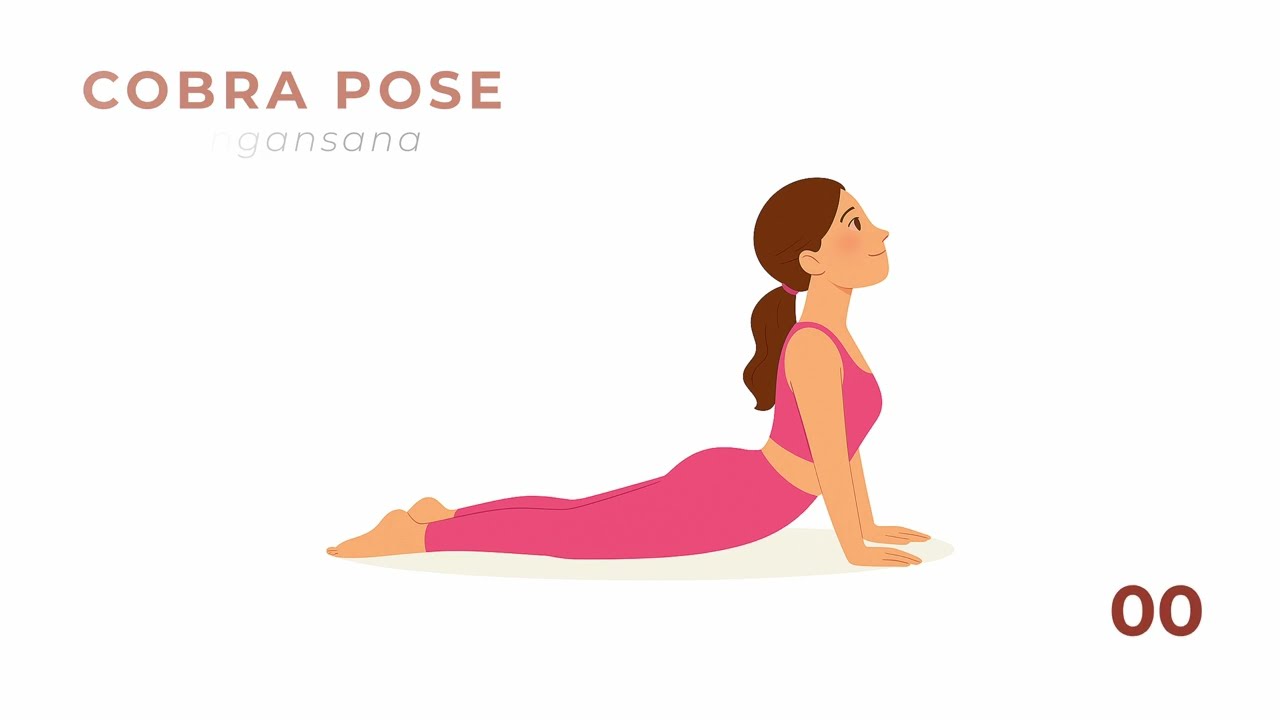
Credit: m.youtube.com
Side Stretch Poses
Side stretch poses in yoga enhance flexibility and improve posture. They open up the side body, offering a deep stretch and relieving tension. Practicing these poses regularly can increase your range of motion. This can lead to better performance in other activities. Let’s explore two effective side stretch poses.
Extended Side Angle
The Extended Side Angle pose strengthens the legs while stretching the groin, spine, and waist. Start by stepping your feet wide apart. Turn your right foot out, bending the knee over the ankle. Place your right hand on the floor outside your right foot. Extend your left arm over your head, creating a straight line. Look up at your left hand. Hold this position for a few breaths. Switch sides to balance the stretch.
Gate Pose
The Gate Pose opens the chest and stretches the sides of the body. Begin on your knees, extending your right leg to the side. Keep the foot flat on the ground. Raise your arms to shoulder height, reaching out to the sides. Lean to the right, placing your right hand on your leg. Extend your left arm over your head. Feel the stretch along your left side. Hold for a few breaths before switching sides.
Inversion Poses
Inversion poses like the Shoulder Stand and Headstand enhance flexibility by stretching various muscle groups. Practicing these poses safely can improve balance and strengthen the core, promoting overall physical health.
Inversion poses in yoga offer unique benefits for flexibility. These poses involve flipping your body upside-down. They help improve circulation and enhance balance. Practicing inversion poses can stretch and strengthen different muscle groups. They also help calm the mind and relieve stress. Below are some popular inversion poses to try.Downward Facing Dog
Downward Facing Dog is a classic inversion pose. Start on your hands and knees. Lift your hips up and back. Your body forms an inverted V-shape. Keep your hands shoulder-width apart. Feet should be hip-width apart. Press your heels toward the ground. This pose stretches the hamstrings and calves. It also strengthens the arms and shoulders. Hold for a few breaths, focusing on deep breathing.Shoulder Stand
Shoulder Stand is another effective inversion pose. Lie flat on your back. Lift your legs overhead. Support your lower back with your hands. Keep your elbows close to your body. Your body should form a straight line from shoulders to toes. This pose stretches the neck and shoulders. It also improves blood flow to the brain. Hold the pose gently, breathing steadily.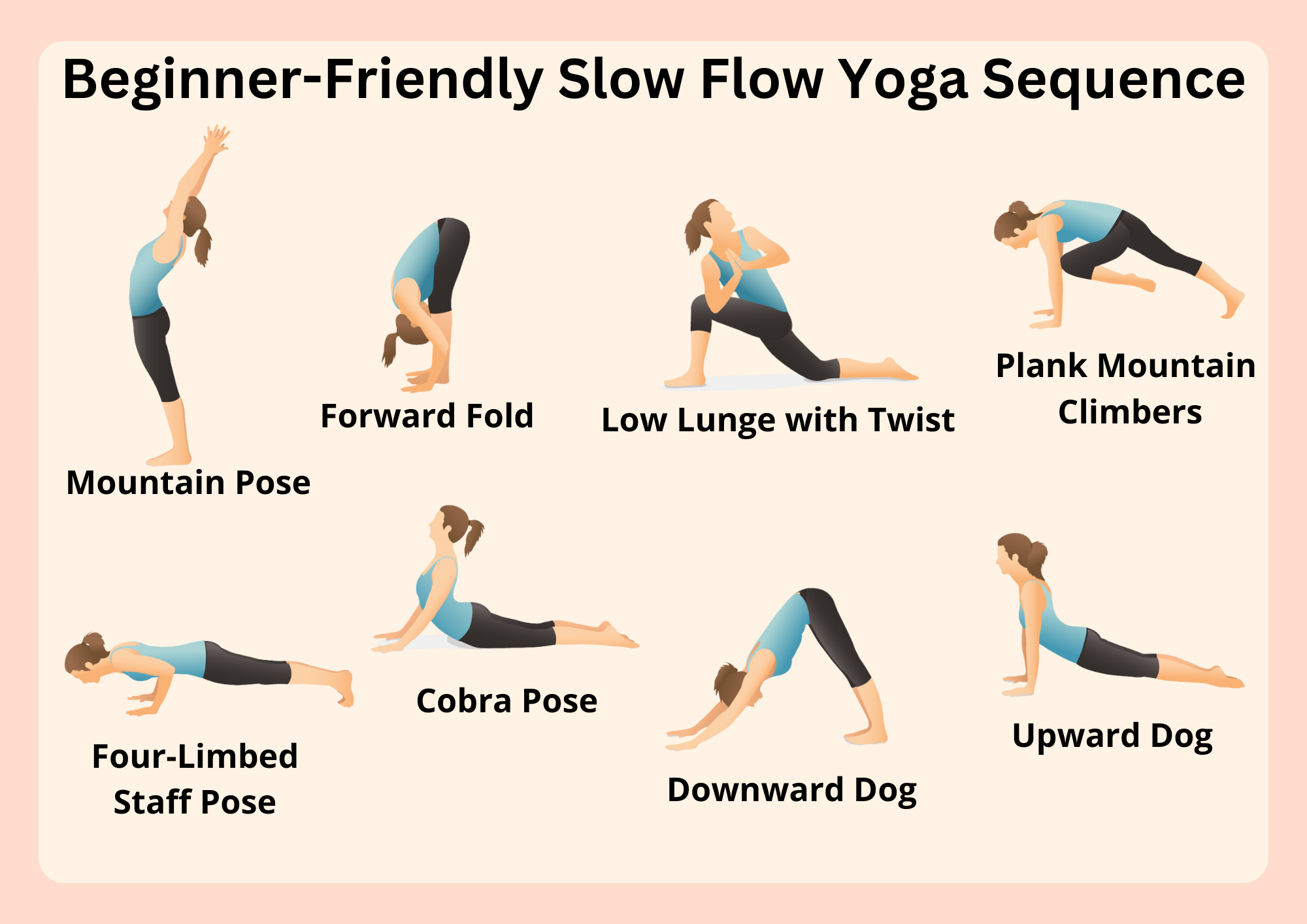
Credit: myyogateacher.com
Consistency And Practice Tips
Yoga poses like Downward Dog and Cobra are great for improving flexibility. Regular practice helps in gradually increasing range of motion and reducing muscle stiffness. Consistency in your routine ensures better results and enhances overall well-being.
Consistency in your yoga practice is the key to unlocking greater flexibility. Just like any skill, flexibility improves over time with regular effort. Whether you’re a beginner or have been practicing for years, these tips will help you maintain a steady routine and enhance your practice.Set A Regular Schedule
Establish a specific time each day for your yoga practice to create a habit. Morning or evening, find what works best for you. Consistency in timing helps your body anticipate and prepare for the routine.Start With Short Sessions
Incorporate short, manageable sessions into your daily routine. Even 10-15 minutes a day can make a significant difference. Gradually increase the duration as your body adapts and your flexibility improves.Listen To Your Body
Pay attention to what your body is telling you. If a pose feels too intense, ease off or modify it. Pushing too hard can lead to injuries, which can set back your progress.Use Props
Props like blocks and straps can aid in achieving proper alignment and reaching poses that are otherwise challenging. They are not just for beginners; even advanced practitioners benefit from their use.Track Your Progress
Keep a journal or take photos to document your flexibility journey. Tracking progress can be motivating and can help you identify areas that need more focus.Stay Mindful
Flexibility isn’t just physical—it’s mental too. Practice mindfulness and stay present during your sessions. This can improve your focus and enhance the overall benefits of your practice. Consistency doesn’t mean perfection. It’s about showing up and giving your best effort each time. What changes will you make to ensure consistency in your yoga practice?Frequently Asked Questions
How Can Yoga Improve Flexibility?
Yoga enhances flexibility by gently stretching and lengthening muscles. Regular practice increases the range of motion and reduces stiffness. Poses like the Downward Dog and Cobra target specific areas, promoting overall flexibility. Incorporating yoga into your routine can lead to noticeable improvements in body suppleness over time.
Which Yoga Poses Are Best For Flexibility?
The best poses for flexibility include Forward Bend, Downward Dog, and Pigeon Pose. Forward Bend stretches the hamstrings, Downward Dog targets multiple muscle groups, and Pigeon Pose opens the hips. Practicing these regularly can significantly enhance flexibility and improve movement freedom in everyday activities.
Can Beginners Do Yoga For Flexibility?
Yes, beginners can safely practice yoga for flexibility. Start with basic poses like Cat-Cow and Child’s Pose. These poses gently stretch muscles and improve flexibility. Gradually, you can progress to more challenging poses as your body becomes more adaptable and flexible over time.
How Often Should I Practice Yoga For Flexibility?
For optimal results, practice yoga for flexibility at least three times a week. Consistent practice helps in gradually improving muscle elasticity and joint flexibility. Regular sessions ensure lasting benefits, making your body more agile and reducing the risk of injuries related to muscle stiffness.
Conclusion
Yoga boosts flexibility and calms the mind. Practicing often helps muscles stretch. It can improve posture and prevent injury. Poses like the butterfly or pigeon are great for beginners. Regular practice increases flexibility over time. Your body feels more relaxed and agile.
These poses are gentle yet effective. Perfect for those seeking a healthier lifestyle. Yoga suits all ages and fitness levels. Start slowly and listen to your body. Flexibility develops with patience and consistency. Enjoy the benefits yoga brings to your daily life.
Embrace the journey to greater flexibility.