Imagine moving through your day with ease, feeling light and free in your body. Flexibility Training Yoga might be the key to unlocking this sensation.
Have you ever felt stiff or restricted in your movements? You’re not alone. Many people face this issue, and it often leads to discomfort or even pain. Flexibility Training Yoga is designed to help you overcome these limitations. It’s not just about bending and stretching; it’s about enhancing your overall well-being.
This type of yoga can improve your posture, reduce stress, and boost your energy levels. Curious to know how it works and why it could be the perfect addition to your routine? Read on to discover the secrets behind Flexibility Training Yoga and how it can transform your life.
Flexibility Training Yoga Basics
Flexibility Training Yoga enhances body movement and reduces tension. This practice focuses on stretching and holding poses. It helps improve muscle elasticity and joint mobility.
Flexibility Training Yoga is an essential practice for enhancing mobility and relaxation. It focuses on stretching and strengthening muscles, improving posture, and reducing stress. This type of yoga is accessible to beginners and can be tailored to individual needs. Practicing regularly helps in achieving a balanced body and mind connection. Understanding the basics is crucial for effective practice.Core Principles
Yoga for flexibility emphasizes gentle stretching and breathing. It involves holding poses that target different muscle groups. Proper alignment and mindful movement are key elements. Each pose aims to increase the range of motion gradually. Consistency is more important than pushing limits. Listening to your body and respecting its boundaries is crucial.Benefits For The Body And Mind
Flexibility training yoga improves physical health. It enhances muscle and joint mobility. Regular practice reduces risk of injury. It can alleviate back pain and improve posture. For the mind, it reduces stress and anxiety. The focus on breathing promotes relaxation. It helps in achieving mental clarity and peace.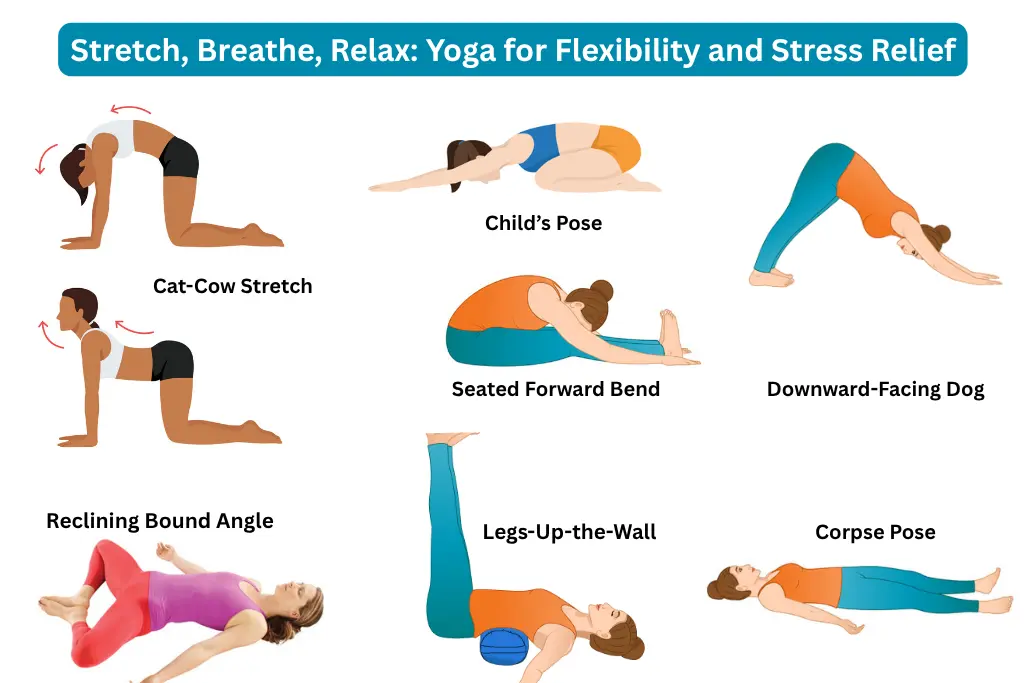
Credit: yogavibeshub.com
Types Of Flexibility Yoga Practices
Flexibility training yoga includes different practices like Yin yoga, Hatha yoga, and Vinyasa yoga. Each style targets stretching and improving body flexibility. Combining poses and breath work helps enhance overall flexibility and mobility.
Flexibility training yoga offers various practices to enhance flexibility. Each practice focuses on different aspects of stretching and movement. Understanding these practices can help you select the best one for your needs.Hatha Yoga
Hatha Yoga is a gentle form of yoga that emphasizes slow movements. It involves holding poses for longer periods. This helps in deep stretching and relaxation. Hatha Yoga is ideal for beginners. It builds a strong foundation in flexibility. The poses are simple yet effective. They enhance muscle elasticity and joint mobility. Practicing Hatha regularly improves posture and balance.Vinyasa Flow
Vinyasa Flow is a dynamic practice linking breath to movement. It involves flowing sequences of poses. This yoga style increases flexibility and strength. Vinyasa is more intense than Hatha. It suits those seeking a faster-paced workout. The continuous movement improves cardiovascular health. It also boosts energy levels. Practicing Vinyasa helps in achieving fluidity and grace in movements.Yin Yoga
Yin Yoga focuses on deep stretching and meditation. It involves holding poses for several minutes. This practice targets connective tissues. It enhances flexibility in hips, pelvis, and spine. Yin Yoga is slow and calming. It balances the mind and body. This practice is suitable for stress relief. It complements more active yoga styles. Yin Yoga nurtures patience and mindfulness.Key Poses For Flexibility
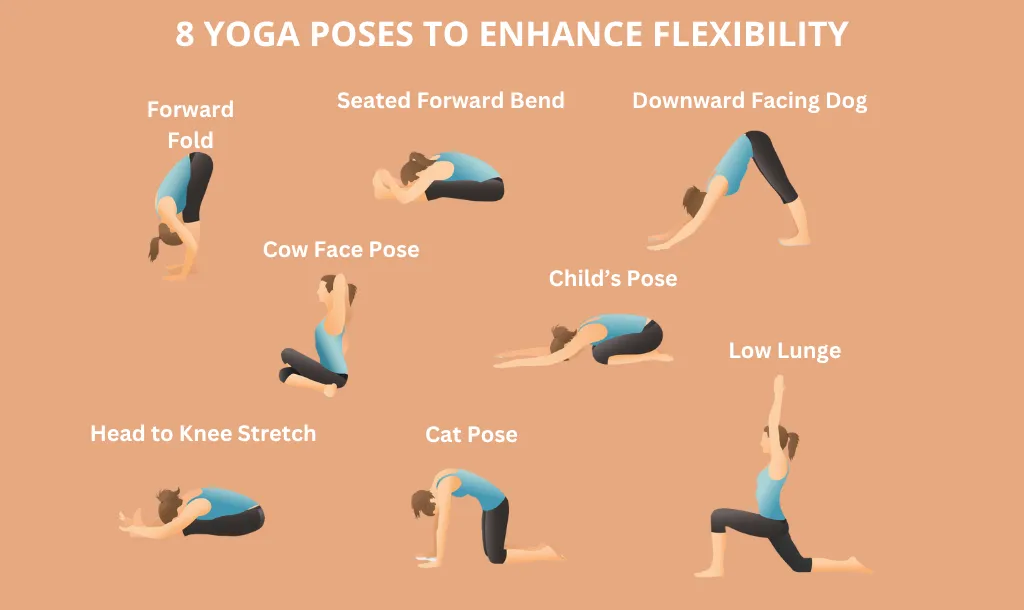
Flexibility training yoga includes key poses like Downward Dog and Cobra. These poses stretch muscles and improve movement. Regular practice can lead to greater ease in daily activities.
Flexibility training yoga focuses on enhancing the body’s range of motion. Key poses target different muscle groups, improving movement and reducing injury risks. Practicing these poses regularly can help you feel more agile and less tense. Each category of poses offers unique benefits for your flexibility journey.Forward Folds
Forward folds stretch the back and hamstrings. They calm the mind and relieve tension. Poses like Standing Forward Bend and Seated Forward Fold are effective. These poses help elongate the spine, promoting better posture. They also encourage relaxation and stress relief.Backbends
Backbends open the chest and strengthen the spine. They energize the body and improve circulation. Cobra Pose and Bridge Pose are popular choices. These poses counteract the effects of sitting. They also enhance breathing capacity and uplift mood. Regular practice can improve spinal flexibility.Twists
Twists detoxify and massage the internal organs. They improve digestion and spinal mobility. Simple poses like Seated Spinal Twist are beneficial. Twists also help in releasing tension from the back. They aid in maintaining a healthy spine alignment. Practicing twists can lead to a more flexible and resilient body.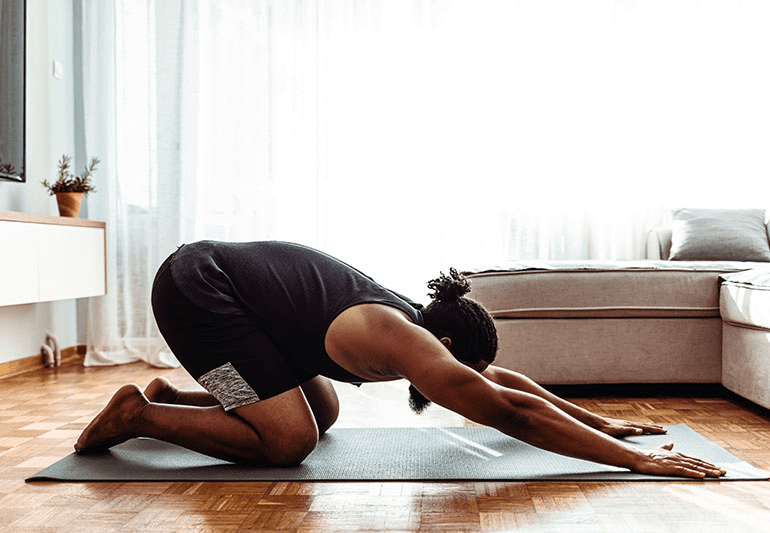
Credit: health.clevelandclinic.org
Building A Flexibility Routine
Flexibility training yoga improves body movement through specific poses and stretches. It enhances muscle elasticity and joint mobility. Regular practice can lead to better posture and reduced injury risk.
Building a flexibility routine through yoga is a journey tailored to your unique needs and goals. It’s not just about stretching and bending; it’s about understanding your body’s limits and gradually expanding them. A well-structured flexibility routine can enhance your overall physical health, improve posture, and even boost mental well-being.Setting Goals
Start by identifying what you want to achieve with your flexibility training. Are you aiming to touch your toes, or perhaps you want to perfect a specific yoga pose? Clear goals will keep you motivated and focused. Write your goals down to make them tangible. This simple act can transform a vague idea into a commitment. Remember, flexibility is personal. Your body is unique, and your goals should reflect that individuality.Balancing Intensity And Rest
Finding the right balance between pushing your limits and allowing your body to recover is crucial. Too much intensity without adequate rest can lead to injuries. Listen to your body. If a stretch feels painful rather than challenging, it’s a sign to ease up. Incorporate rest days into your routine. They are as vital as the days you practice, giving your muscles time to repair and strengthen. How do you know when to push harder and when to rest? It’s all about tuning into your body’s signals. You might find this balance shifts over time as your flexibility improves.Incorporating Mindfulness
Flexibility training yoga enhances physical adaptability by integrating mindfulness techniques. It focuses on conscious breathing and poses, promoting mental clarity and body awareness.
Incorporating mindfulness into flexibility training yoga can elevate your practice to new heights. Mindfulness isn’t just about being present; it’s about truly connecting with your body and breath. This connection can lead to more profound flexibility gains as you become more attuned to your body’s signals and limitations.Breathing Techniques
Breathing is a cornerstone of mindfulness in yoga. Focusing on your breath can help you relax and deepen your stretches. Try taking slow, deep breaths through your nose and exhaling fully. Notice how your body feels with each inhale and exhale. This awareness can make your practice more effective and enjoyable. Have you ever noticed how your body responds differently when you’re truly present with your breath?Meditation Practices
Meditation can enhance your flexibility training by calming your mind and reducing stress. Even a few minutes of meditation before or after your yoga session can make a difference. Sit comfortably, close your eyes, and focus on your breath or a mantra. This simple practice can help you enter a state of flow, making your yoga practice feel more seamless. Have you ever tried meditating before yoga and felt the difference in your body’s openness?Common Mistakes To Avoid
Flexibility training yoga often requires patience and consistency. Many beginners make the mistake of pushing too hard, leading to injuries. Prioritize steady progress and listen to your body’s limits for a safer, more effective practice.
Flexibility training in yoga offers numerous benefits. It enhances mobility, reduces stress, and promotes overall wellness. Many enthusiasts make certain mistakes that can hinder progress. Understanding these pitfalls is crucial for safe and effective practice.Overstretching Risks
Pushing too hard can lead to injuries. Muscles need time to adapt. Overstretching strains ligaments and tendons. It can cause discomfort and damage. Gradual progression is key to safe flexibility training. Listen to your body. Avoid extreme positions that feel forced.Ignoring Pain Signals
Pain is a warning sign. It indicates that something is wrong. Ignoring it can worsen the issue. Pain means the body is under stress. It’s important to differentiate between discomfort and pain. Discomfort is okay, but pain is not. Stop immediately if you feel sharp or intense pain. Consult a professional if needed.Benefits Beyond Physical Flexibility
Flexibility training yoga enhances mental focus and reduces stress. It also boosts energy levels and improves overall well-being. Practicing yoga regularly can lead to better posture and increased body awareness.
Flexibility training yoga offers more than just improved physical flexibility. Its benefits extend deeply into mental and emotional realms. Many people find that yoga enhances their lives beyond the physical, tapping into aspects of well-being that often go unnoticed. Have you ever wondered how stretching on a mat could impact your mind and emotions? Let’s explore these transformative benefits.Mental Clarity
Practicing yoga regularly can sharpen your mental focus. The concentration required in maintaining poses helps you stay present. This presence can lead to a clearer mind, free from clutter and distraction. In my experience, dedicating just 20 minutes a day to yoga has significantly improved my ability to concentrate at work. Have you noticed how a focused mind can make tasks seem less daunting? This clarity often extends beyond the mat, enhancing your overall productivity and decision-making skills.Emotional Resilience
Yoga also nurtures emotional strength. It encourages you to connect with your emotions and understand them better. During challenging poses, you might find yourself facing frustration or self-doubt. Recognizing and working through these feelings can build emotional resilience. Think about the last time you felt overwhelmed. How did you cope? Yoga trains you to face such moments with calmness and strength. This emotional fortitude can be invaluable in navigating life’s ups and downs, enabling you to handle stress with greater ease.
Credit: www.womenshealthmag.com
Frequently Asked Questions
What Is Flexibility Training Yoga?
Flexibility training yoga combines poses and stretches to improve flexibility. It focuses on deep breathing and mindfulness. Regular practice enhances muscle elasticity and joint mobility. It helps reduce injury risk and improves overall body function. It’s suitable for all fitness levels.
How Does Yoga Improve Flexibility?
Yoga improves flexibility by lengthening muscles and ligaments. It uses poses that stretch and strengthen. Consistent practice increases range of motion. It also enhances circulation to joints and tissues. This leads to improved flexibility and reduced stiffness.
Is Flexibility Yoga Suitable For Beginners?
Yes, flexibility yoga is suitable for beginners. It offers modifications for all levels. Beginners start with basic poses. They gradually increase intensity as flexibility improves. It’s essential to listen to your body and progress at your own pace.
What Are The Benefits Of Flexibility Yoga?
Flexibility yoga offers numerous benefits. It improves muscle elasticity and joint mobility. It reduces injury risk and enhances posture. It promotes relaxation and stress relief. Regular practice boosts energy levels and overall well-being.
Conclusion
Flexibility training yoga offers many benefits. It helps improve body movement. You feel less tension in muscles. Your posture gets better over time. Stress levels can drop significantly. Daily practice makes you more calm. It also boosts physical health. Flexibility yoga suits all ages.
Beginners can start with simple poses. Consistent practice brings positive changes. You become more aware of your body. Breathing deeply improves mind focus. It’s a gentle way to stay fit. Remember, patience is key. Progress may be slow but steady.
Yoga encourages self-care and well-being.