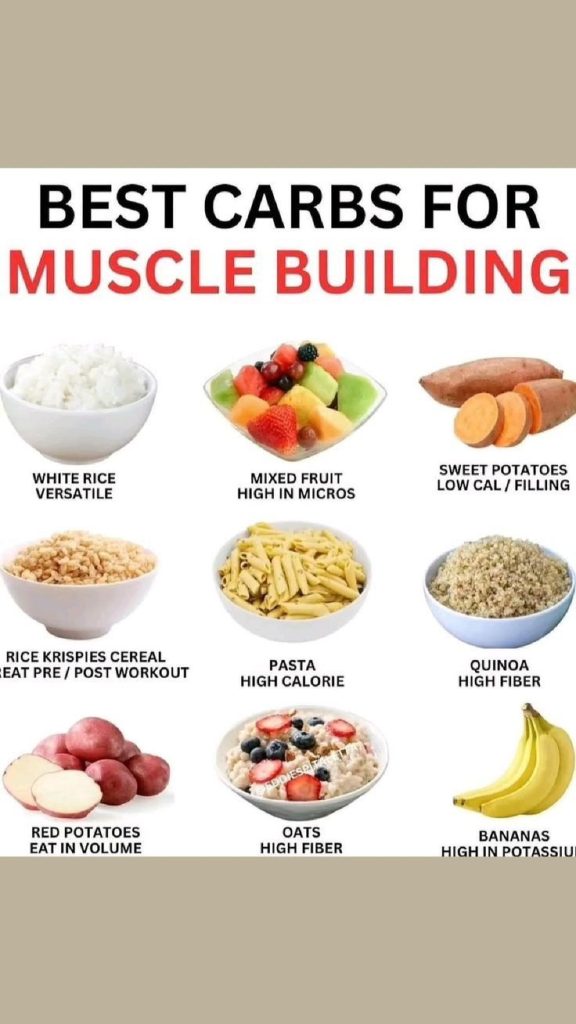
Have you ever wondered if the humble potato could be your secret weapon for muscle building? You’re not alone.
Many fitness enthusiasts are exploring the power of potatoes in their diet to enhance muscle growth and recovery. As you strive to maximize your gains, understanding the role of different foods is crucial. Potatoes might just be the nutrient-packed powerhouse you’ve been overlooking.
Dive into this article to uncover how these versatile tubers can fuel your workouts and support your muscle-building goals. You’ll discover surprising insights that could transform your approach to nutrition and elevate your fitness routine. Keep reading to find out how potatoes can play a pivotal role in your journey to a stronger, more muscular you.

Credit: www.facebook.com
Nutritional Profile Of Potatoes
When considering foods for muscle building, potatoes often don’t get the spotlight they deserve. Yet, their nutritional profile is surprisingly robust, offering essential components that can support your fitness goals. Understanding what potatoes bring to the table can help you make informed choices about your diet and muscle-building strategy.
Macronutrients In Potatoes
Potatoes are primarily known for their carbohydrate content. A medium-sized potato provides around 37 grams of carbohydrates, which are crucial for replenishing glycogen stores after intense workouts.
They also contain about 4 grams of protein, a modest amount, but every bit counts when you’re trying to build muscle. Additionally, potatoes are low in fat, making them a great option for those monitoring their fat intake.
Vitamins And Minerals
Potatoes are rich in vitamins and minerals that play a significant role in muscle health. They’re an excellent source of vitamin C, which helps in the repair and growth of tissues. A single potato can provide about 70% of your daily vitamin C needs.
They also contain potassium, an essential mineral that aids in muscle function and recovery. With roughly 620 milligrams per serving, potatoes offer more potassium than a banana.
Beyond these, potatoes provide B vitamins, magnesium, and iron, all of which support energy production and overall health. Have you ever considered how these nutrients might be affecting your workout performance?

Credit: www.instagram.com
Carbohydrates And Energy
When you’re aiming to build muscle, understanding the role of carbohydrates in providing energy is crucial. Carbohydrates are your body’s primary fuel source, powering your workouts and aiding in recovery. But with so many options available, how do you choose the right carb source? Let’s delve into why potatoes might just be your perfect partner in muscle growth.
Role Of Carbs In Muscle Growth
Carbohydrates are like the fuel for your car—they keep everything running smoothly. During intense workouts, your muscles rely heavily on glycogen, which is derived from carbs. This energy source supports stamina and strength, enabling you to push through those last few reps.
Post-workout, carbs help replenish glycogen stores, speeding up recovery. Consuming the right amount of carbs can enhance protein synthesis, which is vital for muscle repair and growth. Ever noticed how your performance dips when you’re low on carbs? That’s a sign your muscles are craving more fuel.
Potatoes As A Carb Source
Potatoes are often underrated when it comes to muscle-building foods. Yet, they are packed with complex carbs that provide a steady release of energy. This makes them ideal for sustaining your energy levels throughout your workout.
Besides being rich in carbs, potatoes are also an excellent source of essential nutrients like potassium, which supports muscle function. Whether baked, boiled, or mashed, they can be a versatile addition to your meal plan. Imagine having a delicious potato dish post-workout; it’s not just satisfying but also beneficial for recovery.
So, why not give them a spot on your plate? Next time you prep for a workout, consider adding potatoes to fuel your performance and support muscle growth. What other carb sources do you find effective for your fitness goals?
Protein Content In Potatoes
Potatoes are often overlooked in muscle-building diets due to their low protein content. Yet, they contain essential amino acids needed for muscle growth. While not a major protein source, they complement other foods to support your protein intake goals.
Comparing Plant And Animal Proteins
Animal proteins are considered complete, containing all essential amino acids. Examples include meat, dairy, and eggs. These proteins are crucial for muscle repair and growth.
Plant proteins, like those in potatoes, are often incomplete. They lack one or more essential amino acids. But combining different plant sources can provide a complete protein profile.
Potatoes are rich in amino acids like lysine and methionine. These help balance the amino acid profile when paired with other proteins.
Potatoes’ Contribution To Protein Intake
A medium potato contains around 2 grams of protein. While this is less than animal sources, it still contributes to daily protein needs. Including potatoes in meals can boost your overall protein intake.
Pairing potatoes with beans or lentils enhances their protein value. This combination offers a full range of amino acids, supporting muscle growth.
Potatoes also provide energy for workouts with their carbohydrate content. This energy helps fuel exercises that build muscle.
Potatoes And Glycemic Index
Potatoes are rich in carbohydrates, vital for muscle growth. Their moderate glycemic index helps provide sustained energy. Eating them can aid muscle recovery and building.
Potatoes are often seen as the humble staple of many meals, but they might just be your secret weapon in muscle building. Their role in the glycemic index can have a significant impact on your blood sugar levels and overall energy. Understanding how different types of potatoes affect your body can help you make informed choices to fuel your workouts effectively. Let’s dive into the specifics.Impact On Blood Sugar Levels
Potatoes have a range on the glycemic index, which measures how quickly foods raise blood sugar levels. High glycemic index foods can lead to rapid spikes in blood sugar, followed by drops that might leave you feeling tired or hungry. You might have experienced this after a meal where potatoes were the star. Your energy soared initially, only to crash later. Balancing your intake with other low-glycemic foods can help maintain stable energy throughout the day, supporting your muscle-building efforts. Consider pairing potatoes with protein-rich foods like chicken or beans to slow the absorption rate.Choosing The Right Type Of Potato
Not all potatoes are created equal. Varieties like sweet potatoes have a lower glycemic index compared to their white counterparts. This makes them a better option for sustained energy release. Imagine savoring a baked sweet potato post-workout, knowing it not only tastes great but also supports your muscle recovery. While russet potatoes are popular, they tend to have a higher glycemic index. Opting for red or new potatoes can be a smarter choice if you’re looking to minimize blood sugar spikes. Which type of potato will you choose for your next meal to maximize your muscle-building potential?Antioxidants And Recovery
Antioxidants play a vital role in muscle recovery. After a tough workout, muscles need time to heal. Antioxidants help speed up this process. Potatoes are a rich source of these powerful compounds. They support muscle repair and growth. Let’s explore how antioxidants benefit muscle recovery.
Benefits Of Antioxidants
Antioxidants protect cells from damage. This is crucial for muscle recovery. They neutralize harmful molecules in the body. This reduces stress on muscles. As a result, muscles heal faster. Eating antioxidant-rich foods boosts recovery times. It also supports overall health.
Potatoes’ Role In Reducing Inflammation
Potatoes are packed with antioxidants. These help reduce inflammation. Inflammation can slow down muscle recovery. Potatoes combat this problem. They soothe muscles and reduce soreness. Including potatoes in your diet aids recovery. It helps maintain muscle health effectively.
Incorporating Potatoes Into A Muscle-building Diet
Potatoes are a nutritious choice for muscle building. They provide essential carbs for energy and muscle recovery. Rich in potassium, they support muscle function and prevent cramps.
Incorporating potatoes into a muscle-building diet can be a smart move. They provide essential nutrients and energy. Potatoes are rich in carbohydrates, which fuel workouts. They also contain vitamins and minerals that support muscle function. Let’s explore how to include them effectively in your diet.Meal Preparation Tips
Preparing potatoes can be simple and quick. Bake or boil them to retain nutrients. Slicing and roasting with olive oil adds flavor. For variety, mash them with herbs. Avoid frying to keep calories in check. Use them as a side dish or a main ingredient.Complementary Foods For Balanced Nutrition
Pair potatoes with protein-rich foods for muscle growth. Chicken or fish are excellent choices. Add vegetables like broccoli or spinach for fiber. Use legumes for additional protein and nutrients. A balanced meal boosts recovery and muscle building.Debunking Myths About Potatoes
Potatoes offer essential nutrients like potassium and vitamin C, supporting muscle growth and recovery. Their carbohydrates provide energy for workouts, making them a valuable addition to a muscle-building diet. Potatoes are a versatile and nutritious choice for those looking to strengthen their muscles effectively.
Potatoes have long been misunderstood in the world of fitness and nutrition. Many people believe they are unhealthy or not beneficial for muscle building. However, these starchy vegetables have a lot more to offer than meets the eye. Let’s unravel some common myths and see what science says about potatoes and their role in muscle growth.Common Misconceptions
A frequent myth is that potatoes are fattening and should be avoided. You might have heard that they are high in carbs, which is often seen as a negative. But carbs are essential for energy, especially when you’re working out. Another misconception is that only sweet potatoes are healthy. While sweet potatoes are nutritious, regular potatoes also pack a punch of essential nutrients. Some believe potatoes lack protein, which is crucial for muscle building. However, they do contain small amounts of protein and are excellent carriers of essential amino acids when combined with other foods.Scientific Evidence And Studies
Scientific studies show that potatoes are rich in potassium, which helps muscle function and recovery. Consider the fact that potatoes have more potassium than a banana! Research also indicates that the carbohydrates in potatoes can help replenish glycogen stores after a workout. This means quicker recovery and more energy for your next session. A study published in the Journal of Nutritional Biochemistry found that when paired with protein, the carbs in potatoes can enhance muscle protein synthesis. So, pairing potatoes with protein-rich foods can be a game-changer. Are you ready to embrace potatoes as part of your muscle-building diet? Next time you prep your meal, think about adding potatoes to your plate and fuel your workouts effectively.Expert Opinions On Potatoes
Potatoes are a staple in many diets. But are they good for muscle building? Experts have shared their thoughts. Their insights can help us understand the role of potatoes in fitness.
Nutritionists’ Insights
Nutritionists highlight potatoes’ benefits for muscle growth. They are rich in carbohydrates. This makes them a great energy source. Potatoes also have important vitamins and minerals. These include potassium and vitamin C. Potassium helps muscles function properly. Vitamin C supports recovery after workouts. Nutritionists advise eating potatoes with protein-rich foods. This combination enhances muscle repair and growth.
Athletes’ Experiences
Many athletes include potatoes in their diets. They value the energy boost from carbohydrates. Potatoes help them sustain long training sessions. Athletes appreciate the versatility of potatoes. They can be cooked in various ways. This makes them an easy addition to meals. Some athletes notice better performance with potatoes. Others report faster recovery times. Potatoes are a common choice for athletes seeking balanced nutrition.

Credit: www.instagram.com
Frequently Asked Questions
Are Potatoes Good For Muscle Growth?
Yes, potatoes are beneficial for muscle growth. They are rich in carbohydrates, providing energy for workouts. Additionally, they contain potassium, which aids in muscle function and recovery. Potatoes also offer vitamin C and B6, supporting protein metabolism, essential for muscle repair and building.
Do Potatoes Provide Protein For Muscle Building?
Potatoes contain a small amount of protein. While they aren’t a primary protein source, they complement protein-rich foods. Pairing potatoes with lean meats or legumes enhances protein intake, supporting muscle growth. Their carbohydrates fuel workouts, making them a valuable part of a balanced diet.
How Do Potatoes Aid Muscle Recovery?
Potatoes are rich in potassium, crucial for muscle recovery. Potassium helps maintain fluid balance and supports muscle contractions. Their carbohydrates replenish glycogen stores post-exercise. Additionally, the vitamin C in potatoes contributes to collagen synthesis, aiding in tissue repair and recovery.
Can Potatoes Enhance Workout Performance?
Potatoes provide carbohydrates that boost energy levels, enhancing workout performance. Their nutrients, including potassium, support muscle contractions and endurance. Consuming potatoes before workouts can optimize energy availability, helping sustain intensity during physical activities and improve overall performance.
Conclusion
Potatoes can aid muscle building effectively. They provide essential nutrients and energy. Rich in carbohydrates, they fuel workouts efficiently. The potassium in potatoes helps with muscle contraction. Protein content supports muscle repair and growth. Easy to prepare and versatile in dishes.
Affordable and accessible for most people. Integrate them smartly into your diet plan. Balance them with other protein-rich foods. Enjoy their benefits for muscle growth. Remember to maintain a varied diet. Prioritize whole foods and exercise regularly. Potatoes support your fitness journey well.
Keep them as part of your healthy lifestyle.