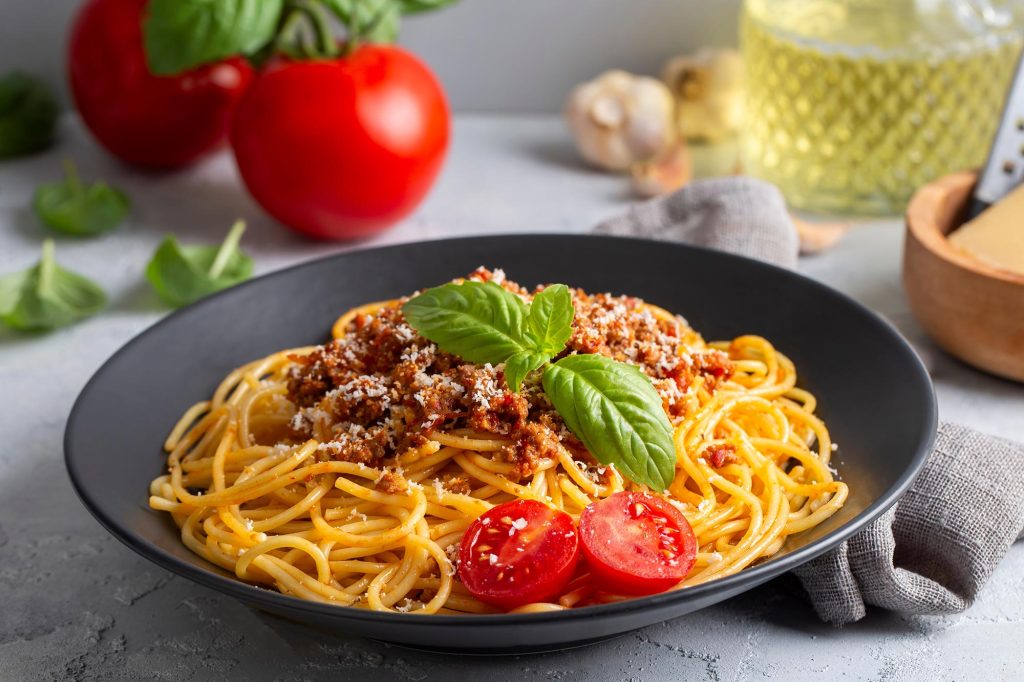
Imagine enjoying a bowl of delicious spaghetti without feeling guilty about your weight loss goals. Sounds tempting, right?
As you navigate the often confusing world of diet plans and healthy eating, you might wonder if your favorite pasta dish can actually fit into your weight loss journey. You may have heard conflicting opinions about carbs and their impact on your diet, leaving you unsure about whether you should indulge or abstain.
We’ll explore the connection between spaghetti and weight loss, revealing surprising insights that could change the way you view this classic comfort food. So, if you’re curious about whether your love for spaghetti can coexist with your desire to shed pounds, read on to uncover the truth. Your weight loss journey might just get a little tastier!

Credit: www.yahoo.com
Nutritional Profile Of Spaghetti
Spaghetti often gets a bad rap when it comes to weight loss. But is it really the villain in your quest for shedding those extra pounds? Understanding the nutritional profile of spaghetti can offer surprising insights into how this beloved pasta can fit into a balanced diet.
Nutritional Components Of Spaghetti
Spaghetti is primarily composed of carbohydrates. A typical serving of cooked spaghetti contains around 220 calories, 43 grams of carbohydrates, and 2.5 grams of fat. It’s low in fat, which can be beneficial for those monitoring their fat intake.
Spaghetti also offers a modest amount of protein, approximately 8 grams per serving. This can contribute to your daily protein needs, especially if paired with protein-rich sauces or toppings.
Fiber Content
Whole grain spaghetti is a great choice if you’re aiming for higher fiber intake. It contains around 6 grams of fiber per serving, compared to just 2 grams in regular spaghetti. Fiber is crucial for digestive health and can help you feel fuller for longer.
Switching to whole grain varieties might be an easy change with big benefits. Have you tried incorporating whole grain spaghetti into your meals yet?
Vitamins And Minerals
Spaghetti contains essential nutrients like B vitamins, which play a role in energy metabolism. It also provides iron, a mineral important for transporting oxygen in the blood.
Adding vegetables or lean proteins to your spaghetti can enhance its nutritional value without adding excessive calories. What are your favorite spaghetti toppings that add nutritional value?
Caloric Considerations
The key to enjoying spaghetti without sabotaging your weight loss efforts lies in portion control. A serving size of 1 cup is a reasonable portion that allows you to enjoy your meal without overloading on calories.
Pairing spaghetti with a side salad or steamed vegetables can help balance the meal. Do you find portion control challenging when enjoying pasta?
Glycemic Index
Whole grain spaghetti has a lower glycemic index compared to regular spaghetti. This means it has a slower impact on blood sugar levels, making it a better option for weight management and overall health.
Consider experimenting with different types of spaghetti. Do you notice a difference in energy levels when you opt for whole grain varieties?
Understanding these components can empower you to make informed choices about including spaghetti in your diet. Embrace spaghetti as part of a balanced meal and enjoy its versatility and taste without guilt.

Credit: medicalxpress.com
Calorie Content And Portion Control
Spaghetti can fit into a weight loss diet with proper portion control. Opt for whole-grain options for added fiber. Balancing spaghetti with vegetables and lean protein helps manage calorie intake.
Calorie Content and Portion Control When you think about spaghetti, it’s easy to imagine a heaping plate of deliciousness. But if you’re watching your weight, the calorie content and portion control are crucial aspects to consider. Spaghetti can be part of a weight loss plan if you’re mindful of how much you’re eating and what’s accompanying it on your plate.Calorie Content Of Spaghetti
Spaghetti itself isn’t a calorie bomb. A standard serving of cooked spaghetti, which is about one cup, contains roughly 200 calories. However, it’s the additions that can tip the calorie scale—like creamy sauces or extra cheese. Are you adding a rich Alfredo sauce or sticking with a lighter marinara? Each choice affects your calorie intake significantly. Opting for tomato-based sauces can help keep the calorie count lower, allowing spaghetti to fit more comfortably into a weight loss diet.Importance Of Portion Control
Portion control is your best friend when it comes to enjoying spaghetti without sabotaging your weight loss goals. It’s easy to overestimate what a proper serving size looks like, especially with pasta dishes. Consider using a kitchen scale to measure your portions accurately. This small step ensures you’re consuming the right amount without mindlessly overeating. Visual cues can also be helpful. A serving of spaghetti should roughly be the size of your fist. This simple comparison can aid you in serving the right amount every time.Strategies For Managing Portions
Curious about how to manage portion sizes effectively? Here are a few strategies that can help:- Use smaller plates to naturally limit the amount you serve.
- Fill half your plate with vegetables, allowing less room for pasta.
- Prepare individual servings in advance to avoid second helpings.
Balancing Spaghetti With Other Ingredients
Spaghetti can be a balanced meal if you include a variety of nutritious ingredients. Pairing it with lean proteins like chicken or tofu, and plenty of vegetables, can make your meal more filling without adding excessive calories. Adding a side salad or a serving of steamed broccoli can enhance the meal’s nutritional value while keeping your portions in check. This approach helps you enjoy the flavors of spaghetti without overindulging. What adjustments will you make next time spaghetti is on the menu?Whole Grain Vs. Refined Spaghetti
Choosing the right type of spaghetti can impact weight loss efforts. Whole grain and refined spaghetti differ in nutritional value and health benefits. Understanding these differences helps make better dietary choices.
Whole Grain Spaghetti: Nutrient-rich And Filling
Whole grain spaghetti contains all parts of the grain. It has more fiber, vitamins, and minerals. Fiber helps you feel full longer. This can reduce overall calorie intake. Whole grains also offer a steady release of energy. This can help maintain stable blood sugar levels.
Refined Spaghetti: Quick Energy But Less Nutrients
Refined spaghetti is made from processed grains. It lacks the bran and germ. This processing removes many nutrients. Refined spaghetti has a higher glycemic index. It can cause quick spikes in blood sugar. This may lead to increased hunger and cravings.
Comparing Caloric Content
Whole grain and refined spaghetti have similar calorie counts. The difference lies in nutrient density. Whole grain offers more nutrients per calorie. This makes it a better choice for weight management.
Impact On Digestive Health
Whole grain spaghetti supports better digestion. Its high fiber content promotes regular bowel movements. Refined spaghetti lacks this benefit. It can lead to slower digestion.
Choosing The Right Spaghetti For Weight Loss
Opt for whole grain spaghetti for weight loss goals. It provides more nutrients and keeps you fuller longer. Balance your diet with vegetables and lean proteins. This creates a healthy, satisfying meal plan.
Impact On Blood Sugar Levels
Spaghetti can impact blood sugar levels due to its carbohydrate content. Choosing whole-grain options may help stabilize these levels. Pairing spaghetti with protein and fiber-rich vegetables can further support balanced blood sugar.
Spaghetti, a staple in many diets, often raises questions about its impact on blood sugar levels. Understanding how it affects blood sugar can help you make informed choices about including it in your weight loss plan.Understanding Glycemic Index
The glycemic index measures how foods affect blood sugar. Spaghetti has a moderate glycemic index. This means it causes a gradual rise in blood sugar. Foods with low glycemic index are better for managing blood sugar levels.Whole Wheat Vs. White Spaghetti
Whole wheat spaghetti offers more fiber than white spaghetti. Fiber slows digestion and sugar absorption. This helps in controlling blood sugar spikes. Choosing whole wheat pasta can be beneficial for weight loss.Portion Control
Large portions of spaghetti can lead to high calorie intake. Eating smaller portions can prevent excessive calorie consumption. Balancing spaghetti with vegetables and protein aids in maintaining blood sugar levels.Timing Of Consumption
Eating spaghetti earlier in the day may be better. The body has more time to burn calories. It can manage blood sugar levels more efficiently. Consider incorporating spaghetti into lunch rather than dinner.Cooking Method
The cooking method affects the glycemic index. Al dente pasta has a lower glycemic index. It raises blood sugar more slowly. Overcooked pasta can lead to quicker spikes. Cooking spaghetti al dente can help maintain stable blood sugar levels.Spaghetti In A Balanced Diet
Spaghetti can be part of a weight loss diet when portion sizes are controlled. Whole-grain options offer more fiber, aiding digestion and promoting fullness. Pairing spaghetti with vegetables and lean proteins enhances its nutritional benefits.
Spaghetti is a beloved staple in many households, and it can certainly have a place in a balanced diet. While some might shy away from pasta when watching their weight, it’s all about moderation and pairing it with the right ingredients. Spaghetti can provide you with energy and essential nutrients, making it a smart choice if consumed wisely.Portion Control Is Key
Managing your portion size can help you enjoy spaghetti without overindulging. A standard serving is about one cup of cooked pasta. This portion can easily fit into a weight loss plan when combined with a healthy sauce and plenty of vegetables.Choose Whole Grain Options
Whole grain spaghetti is a fantastic alternative to its refined counterpart. It contains more fiber, which can help you feel full longer and support digestive health. This small switch can make a difference in maintaining a balanced diet.Complement With Vegetables
Adding vegetables to your spaghetti dish not only boosts its nutritional value but also helps control calorie intake. Consider incorporating spinach, bell peppers, or tomatoes for added flavor and nutrients. It’s an easy way to enjoy a hearty meal without the extra calories.Mind The Sauces
While spaghetti can be healthy, it’s crucial to be mindful of the sauces. Cream-based sauces can add unnecessary calories and fats. Opt for tomato-based sauces or use olive oil with herbs for a lighter option. This simple change can keep your meal aligned with weight loss goals.Incorporate Lean Proteins
Adding lean proteins like chicken breast or shrimp can enhance your spaghetti dish. These proteins can help keep you satisfied and support muscle maintenance. It’s a strategic move that can make your meal more balanced and fulfilling.Plan Your Meals
Planning your meals can help you stay on track with your weight loss goals. Consider preparing your spaghetti with a side salad or a broth-based soup. This approach can prevent overeating and ensure a well-rounded meal.Pairing Spaghetti With Nutrient-rich Foods
Pairing spaghetti with nutrient-rich foods can support weight loss efforts. Combine whole-grain spaghetti with lean proteins and colorful vegetables. This boosts fiber intake, keeping you full longer.
Pairing spaghetti with nutrient-rich foods can enhance your weight loss journey. Spaghetti itself is low in fat, but pairing it wisely boosts nutrition. Incorporating vegetables, proteins, and healthy fats makes a balanced meal. This combination ensures satisfaction without excess calories.Incorporate Fresh Vegetables
Add vegetables like spinach, tomatoes, or bell peppers. They are low in calories and high in fiber. Fiber helps you feel full longer, reducing the urge to overeat.Include Lean Proteins
Pair spaghetti with lean proteins like grilled chicken or tofu. Proteins aid in muscle maintenance and help curb hunger. Choose options low in fat for the best results.Add Healthy Fats
Include healthy fats such as olive oil or avocado. These fats are essential for absorbing vitamins. They also add flavor and texture to your dish.Opt For Whole Grain Spaghetti
Choose whole grain spaghetti over refined pasta. Whole grains contain more fiber and nutrients. They promote better digestion and sustained energy.Limit High-calorie Sauces
Avoid heavy cream-based sauces. Choose tomato-based or pesto sauces instead. These options are lower in calories but still flavorful.Portion Control Is Key
Watch your portion sizes to keep calorie intake balanced. Use a smaller plate to help control portions naturally.Stay Hydrated
Drink water before and during meals. Staying hydrated can prevent overeating by promoting fullness. Implement these strategies to enjoy spaghetti while supporting weight loss goals.Common Myths About Pasta And Weight Loss
Spaghetti is often seen as the enemy when it comes to weight loss. Many believe that indulging in a plate of pasta is a surefire way to pack on the pounds. But is that really the case? Let’s unravel some common myths about pasta and weight loss and find out if spaghetti can actually fit into a healthy eating plan.
Myth 1: All Carbs Are Bad
Not all carbohydrates are created equal. While refined carbs found in pastries and white bread can lead to weight gain, whole grain pasta can be part of a balanced diet. Whole grain spaghetti offers fiber and essential nutrients that keep you full longer, making it easier to manage your weight.
Myth 2: Eating Pasta At Night Leads To Weight Gain
Many people shy away from pasta dinners, fearing late-night calorie intake. The truth is, it’s not the timing but the portion size that matters. A reasonable serving of spaghetti with a vegetable-rich sauce can be a satisfying evening meal without tipping the scales.
Myth 3: Pasta Makes You Fat
Pasta itself isn’t the culprit; often, it’s the heavy sauces and large portions that add extra calories. Opt for lighter toppings like olive oil, fresh tomatoes, and herbs to keep your spaghetti dish healthy and weight-friendly.
Myth 4: Gluten-free Pasta Is Always Healthier
Gluten-free pasta options are popular, but they aren’t necessarily lower in calories or better for weight loss. If you don’t have a gluten intolerance, whole wheat pasta might be a more nutritious choice due to its higher fiber content.
Myth 5: You Can’t Eat Pasta On A Diet
Contrary to popular belief, pasta can be part of a weight loss diet. The key is moderation and balance. Pair spaghetti with lean proteins like chicken or fish, and plenty of vegetables to create a nutrient-rich meal that supports your health goals.
Next time you’re eyeing that plate of spaghetti, ask yourself: is it the pasta or the way we prepare it that’s causing concern? Challenge these myths and enjoy pasta without guilt, knowing you can maintain your weight while savoring delicious meals.
Credit: www.ndtv.com
Scientific Studies And Findings
Recent studies suggest spaghetti can aid weight loss when consumed in moderation. Whole grain varieties offer fiber and nutrients. Pair with vegetables for a balanced meal.
Scientific Studies and Findings Spaghetti and weight loss might seem like an unlikely pair. But, you might be surprised by what science has to say. Various studies highlight how this beloved pasta can fit into a healthy diet without derailing your weight loss efforts.Does The Glycemic Index Matter?
The glycemic index (GI) of foods plays a crucial role in weight management. Foods with a lower GI are digested slowly, keeping you full longer. Studies show that spaghetti has a relatively low GI compared to other refined carbs, making it a smart choice when you’re watching your weight.Impact Of Portion Control On Weight Loss
Portion control is often underestimated in weight loss journeys. Research indicates that consuming smaller, controlled portions of spaghetti can help manage calorie intake effectively. A plate of spaghetti doesn’t need to be towering to be satisfying. Try measuring out one cup of cooked spaghetti and notice how it still feels like a hearty meal. This simple practice could be a game-changer for your weight loss success.Whole Grain Vs. Refined Pasta: What Do Studies Say?
Whole grain pasta can be a boon for those trying to shed pounds. Scientific findings suggest that whole grain options can aid in weight loss better than their refined counterparts. They are richer in fiber, which not only improves digestion but also keeps you satiated longer. Consider swapping your usual spaghetti for a whole grain version and see how it impacts your hunger levels.The Role Of Protein In Pasta Dishes
Adding protein to your spaghetti can further enhance its weight loss potential. Protein-rich foods like chicken, tofu, or beans can make your meal more filling. Studies back this up, showing that meals higher in protein can lead to greater satiety and reduced calorie intake. Next time you cook spaghetti, think about adding a source of lean protein. Does this change how much you eat throughout the day?Mindful Eating: A Key To Success
Mindful eating is another science-backed approach to managing your weight. Paying attention to your hunger cues and savoring each bite can prevent overeating. Research supports that those who eat mindfully tend to consume fewer calories, making spaghetti a meal to enjoy rather than rush through. Have you ever noticed how much more satisfying your meal is when you take the time to really taste it? Give it a try with your next spaghetti dish. These scientific insights highlight that spaghetti can indeed be part of a weight-loss-friendly diet, if approached with the right mindset and strategies. How will you embrace these findings in your own meals?Tips For Including Spaghetti In Weight Loss Plans
Spaghetti can be part of a weight loss plan with mindful portions and healthy toppings. Opt for whole-grain spaghetti to boost fiber intake, aiding in digestion and prolonged fullness. Pair with veggies and lean protein for a balanced, low-calorie meal.
If you’re trying to lose weight, you might think spaghetti is off the table. But with the right approach, you can enjoy this beloved dish without derailing your goals. The key is to be mindful of portions and choose the right accompaniments. Here are some practical tips to help you include spaghetti in your weight loss plan.Opt For Whole-grain Or Whole-wheat Spaghetti
Whole-grain or whole-wheat spaghetti is packed with fiber, which can keep you full longer. This can prevent you from reaching for snacks later. Plus, it’s a healthier option than traditional white pasta, offering more nutrients.Watch Your Portion Size
It’s easy to overeat spaghetti because of its deliciousness. A serving size is typically about one cup of cooked pasta. Use measuring cups or a food scale to keep track and prevent overeating.Choose Low-calorie Sauces
Sauces can make or break your calorie count. Opt for tomato-based sauces instead of creamy ones. These are generally lower in calories and can be just as flavorful.Add Plenty Of Vegetables
Enhance your spaghetti with vegetables like spinach, bell peppers, or zucchini. Not only do they add flavor and texture, but they also provide essential nutrients. They can bulk up your meal, making you feel fuller without adding many calories.Include Lean Proteins
Consider adding lean proteins like grilled chicken or shrimp. They can add a satisfying element to your meal. Protein is essential for muscle maintenance and can also keep you satiated longer.Mind Your Toppings
Cheese and other toppings can add a lot of extra calories. If you must add cheese, choose a small amount of a strong-flavored one like Parmesan. This way, a little goes a long way in terms of taste.Be Careful With Sides
Pairing your spaghetti with garlic bread or similar sides can quickly increase calorie intake. Opt for a side salad instead. This choice adds more nutrients to your meal without the extra calories. How do you usually enjoy spaghetti? Could these tips help you keep it in your meal rotation while pursuing your weight loss goals?Personalizing Diet Choices
Personalizing diet choices is key for effective weight management. Each person’s body responds differently to foods. Tailoring your diet to suit your needs can make a big difference.
Understanding Your Body’s Needs
Start by knowing what your body needs. Some people may need more carbs. Others may need more protein. Spaghetti can fit into both plans. It all depends on portion control and balance.
Incorporating Spaghetti Sensibly
Spaghetti can be part of a balanced diet. Choose whole grain options for more fiber. This keeps you full longer. Pair it with vegetables and lean proteins. This adds nutrients and variety.
Listening To Your Hunger Cues
Pay attention to your hunger signals. Eat when you are hungry. Stop when you feel satisfied. This can prevent overeating. Mindful eating helps in weight management.
Adjusting Portions For Your Goals
Portion size plays a crucial role. Smaller portions may suit weight loss goals. You can still enjoy your favorite meals. Use a smaller plate to help with portion control.
Experimenting With Flavors
Try different herbs and spices with your spaghetti. This adds flavor without extra calories. Basil, oregano, and garlic are great choices. Healthy eating can be tasty and satisfying.
Frequently Asked Questions
Is Spaghetti A Low-calorie Food?
Spaghetti is not typically considered low-calorie. It contains around 200 calories per cup when cooked. However, portion control and choosing whole grain varieties can help manage calorie intake. Pair it with vegetables and lean protein for a balanced meal.
Can Spaghetti Be Part Of A Healthy Diet?
Yes, spaghetti can be part of a healthy diet. Whole grain spaghetti is high in fiber, which aids digestion. Pair it with nutrient-rich toppings like vegetables and lean proteins. This combination can support weight management and overall health.
Does Whole Grain Spaghetti Aid Weight Loss?
Whole grain spaghetti can aid weight loss due to its fiber content. Fiber promotes fullness, reducing overall calorie consumption. It also has a lower glycemic index compared to regular pasta, helping to maintain stable blood sugar levels. This can prevent overeating.
How Should I Prepare Spaghetti For Weight Loss?
For weight loss, prepare spaghetti with lots of vegetables and lean protein. Limit high-calorie sauces like creamy or cheese-based ones. Use tomato-based sauces or olive oil sparingly. This combination ensures a nutritious, low-calorie meal that supports weight management.
Conclusion
Spaghetti can fit into a weight loss plan. Portion size matters a lot. Opt for whole-grain spaghetti for more fiber. Pair with vegetables and lean protein. This creates a balanced meal. Avoid heavy cream sauces. Choose tomato-based or olive oil dressings instead.
Stay mindful of calorie intake. Exercise regularly for better results. Enjoy spaghetti in moderation. Healthy habits lead to success in weight loss. Remember, balance is key. Your journey to a healthier you is important. Keep making smart food choices. Stay motivated and focused.
You can do it!