Are you struggling with tight leg muscles? Do you dream of sitting comfortably in poses that seem just out of reach?
Improving leg flexibility through yoga might be the answer you’ve been looking for. Imagine moving with ease, feeling more relaxed, and even enhancing your overall physical performance. In this guide, we’ll unlock the secrets to achieving greater leg flexibility. You’ll learn simple yet effective yoga poses that can transform your practice and everyday life.
Stick around, because what you’re about to discover could be the key to unlocking a new level of comfort and mobility in your body. Let’s dive in and stretch those limits!
Credit: myyogateacher.com
Benefits Of Leg Flexibility
Enhancing leg flexibility through yoga boosts mobility, reducing injury risk and improving posture. Stretching exercises increase range of motion, promoting overall wellness.
Improving leg flexibility through yoga offers numerous advantages. Flexible legs enhance your daily movement, making tasks like walking or running easier. They also prevent injuries, as your muscles are more adaptable to sudden movements. With increased leg flexibility, your posture improves, reducing back pain and discomfort. Yoga stretches not only boost physical well-being but also promote mental relaxation. As flexibility increases, stress levels decrease, enhancing your overall mood and health.Enhanced Athletic Performance
Flexible legs contribute to better athletic performance. Sports activities become smoother and more efficient. Strong and flexible muscles improve balance and coordination. This makes movements more precise, boosting your confidence during activities.Improved Circulation
Flexible muscles enhance blood flow, delivering oxygen more effectively. This improves circulation, nourishing tissues and aiding recovery. Better circulation reduces muscle soreness, helping you feel energized.Reduced Risk Of Injury
Flexible legs lower injury risks during physical activities. Muscles can stretch and contract without strain. This adaptability protects against sprains and strains, keeping you active and healthy.Better Posture
Flexible legs contribute to a balanced posture. This alignment reduces stress on joints and the spine. Good posture prevents chronic pain, promoting a healthier lifestyle.Stress Relief
Yoga improves mental well-being by reducing stress. Stretching relaxes muscles, releasing tension. This relaxation calms the mind, enhancing mood and focus.Greater Range Of Motion
Flexible legs increase your range of motion. This allows for more dynamic movement, enhancing physical capabilities. Tasks like squatting or bending become easier and more comfortable.Boosted Energy Levels
Improved flexibility leads to higher energy levels. Efficient blood flow supplies muscles with nutrients. This boosts endurance and vitality, making daily activities less tiring.Preparing For Yoga Practice
Preparing for your yoga practice is as crucial as the yoga poses themselves. It’s not just about laying out a mat and diving into stretches; it’s about creating a space that enhances your focus and comfort. Whether you’re a seasoned yogi or a beginner, laying the right foundation can profoundly impact your flexibility journey.
Choosing The Right Environment
Your surroundings play a significant role in your yoga experience. Aim for a quiet space where you can focus without distractions. Is your room clutter-free and calming? Consider how lighting affects your mood. Natural light can boost energy, while dim lights may help you relax. Make sure the temperature is comfortable, allowing muscles to warm up efficiently.
Gathering Essential Equipment
Having the right equipment can make or break your practice. A durable yoga mat is essential for both comfort and safety. Do you have blocks or straps handy? These tools can aid in achieving deeper stretches. A water bottle within reach ensures you stay hydrated, especially during longer sessions.
Warming Up The Body
Jumping straight into complex poses can lead to injury. Warming up is crucial for preparing your muscles. Start with gentle movements like neck rolls and shoulder shrugs. Are your wrists and ankles ready? Simple rotations can enhance flexibility and prevent strains. Focus on breathing deeply to increase circulation and relax your mind.
Effective Yoga Poses
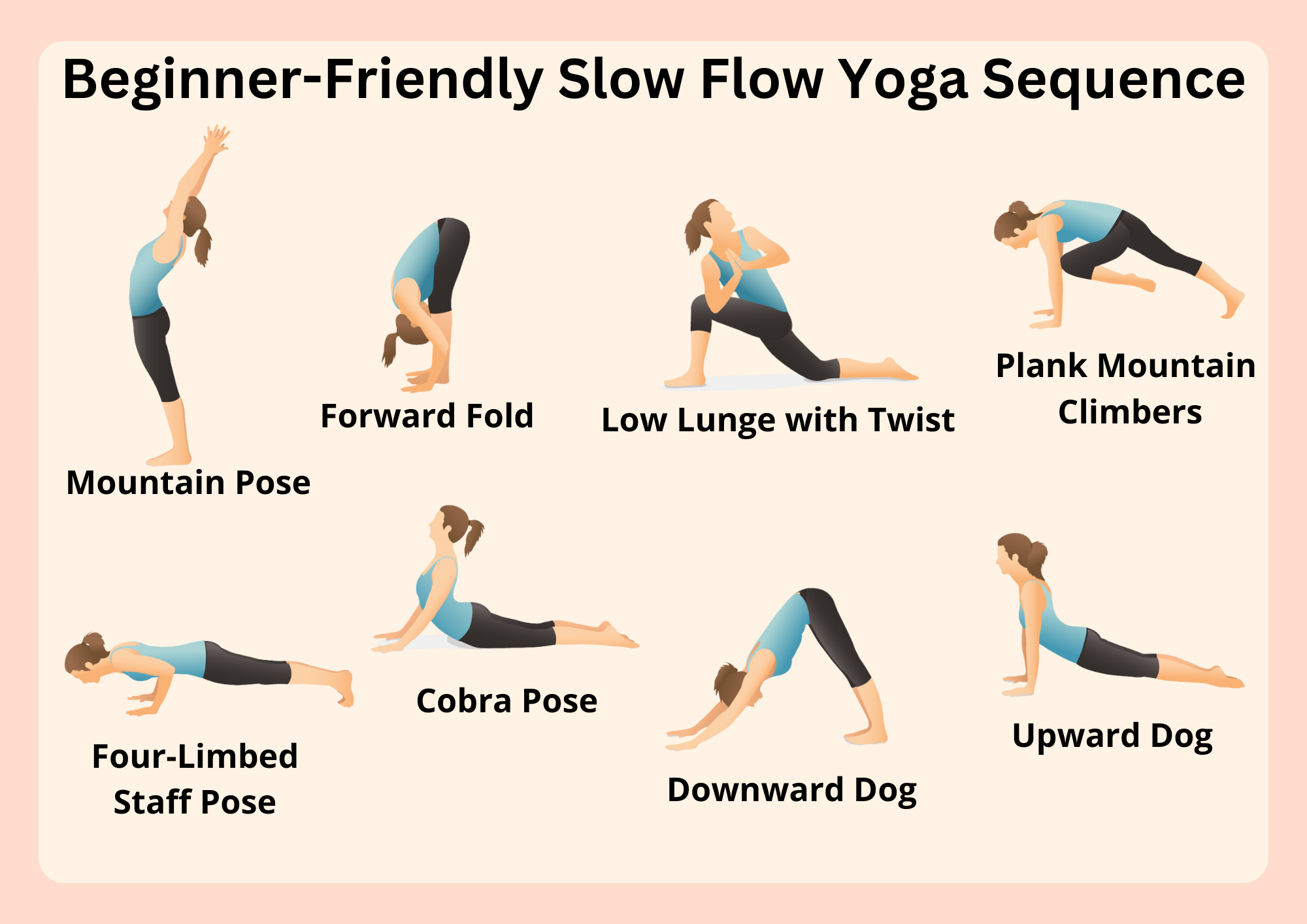
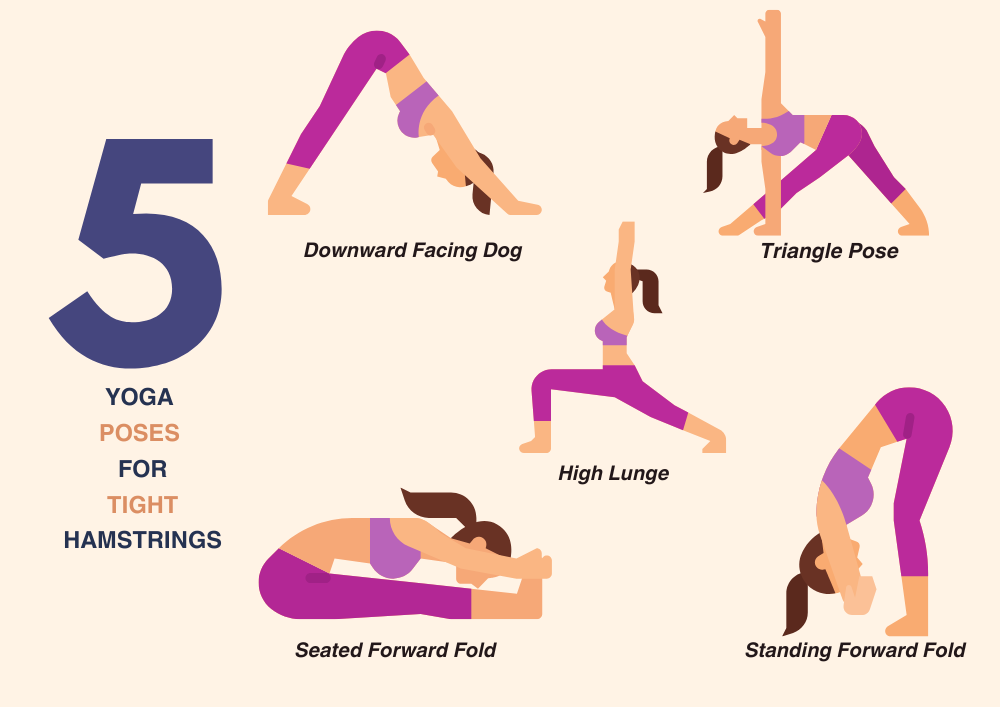
Improving leg flexibility through yoga involves practicing poses like the Downward Dog and Triangle Pose. These poses gently stretch leg muscles, enhancing flexibility over time. Consistent practice helps achieve smoother movements and reduces stiffness.
Improving leg flexibility through yoga can be a transformative experience, not just for your physical health but for your overall well-being. Yoga poses designed to enhance leg flexibility are accessible, effective, and can be integrated into your daily routine. It’s amazing how regular practice can lead to noticeable improvements. Let’s explore some effective yoga poses that can help you achieve greater leg flexibility.Downward-facing Dog
The Downward-Facing Dog pose is a staple in yoga that stretches your hamstrings, calves, and ankles. Begin on your hands and knees, then lift your hips towards the ceiling, forming an inverted “V” shape. Keep your feet hip-width apart and let your heels move towards the ground. This pose not only stretches your legs but also strengthens your arms and shoulders. A tip: bend your knees slightly if your hamstrings feel tight, allowing your spine to lengthen. Do you feel the stretch intensifying with every deep breath?Warrior Ii Pose
Warrior II is a powerful pose that opens your hips and strengthens your thighs. Start by standing with your feet wide apart, turning your right foot out 90 degrees. Bend your right knee while keeping your left leg straight. Raise your arms parallel to the ground and gaze over your right hand. This pose engages your leg muscles, improving flexibility over time. Hold for a few breaths, then switch sides. How does shifting your focus affect your balance?Pigeon Pose
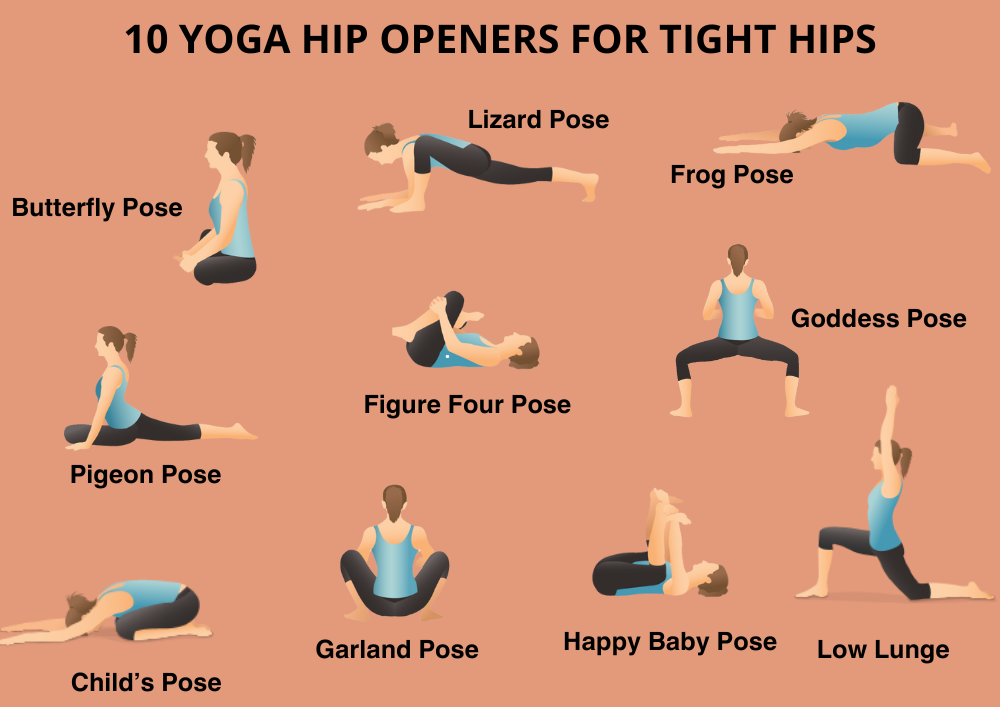
Pigeon Pose is excellent for opening the hips and stretching the glutes. From a downward dog position, bring your right knee forward and place it behind your right wrist. Extend your left leg straight back, keeping your hips square. Lower your torso over your right leg, feeling a deep stretch in your hip and thigh. This pose can be intense, so use props like a block under your hip for support. Notice the release of tension with each exhale—what does that feel like to you?Seated Forward Bend
The Seated Forward Bend is a calming pose that stretches the entire back of your body. Sit with your legs straight in front of you, feet flexed. Inhale as you lengthen your spine, then exhale as you fold forward, reaching for your feet or shins. Keep your back straight to protect your lower spine. You might feel the stretch in your hamstrings and calves. Use a strap if you can’t reach your feet—what’s more important is maintaining a gentle stretch rather than forcing it. Incorporating these yoga poses into your routine can significantly improve your leg flexibility. Consistency is key, and progress comes with patience. Have you found your favorite pose yet?Incorporating Breathing Techniques
Incorporating breathing techniques into yoga helps improve leg flexibility. Focused breathing relaxes muscles and enhances stretch effectiveness. Deep breaths aid in holding poses longer, promoting better flexibility.
Improving leg flexibility in yoga involves more than just stretching—it’s also about how you breathe. Breathing techniques can significantly impact your flexibility journey. When you breathe effectively, you not only relax your muscles but also increase your concentration and endurance during your practice. Imagine the difference when you harness the power of your breath to deepen your stretches. Now, let’s explore how you can use breathing techniques to enhance your leg flexibility.Deep Breathing Exercises
Start by finding a comfortable seated position. Close your eyes and take a deep breath in through your nose, filling your lungs completely. As you exhale slowly, feel the tension releasing from your legs. Repeat this process several times, each time trying to deepen your breath further. This simple exercise not only calms your mind but also prepares your body for more intensive stretches. The oxygen flow helps your muscles become more pliable, making it easier to reach those challenging poses.Mindful Breathing During Poses
During your yoga practice, focus on your breath as you move into each pose. As you inhale, visualize the breath traveling to the areas of tightness in your legs. With each exhale, imagine those tight spots softening and expanding. This technique helps you maintain a steady rhythm, which is key for holding poses longer and increasing flexibility. Next time you’re in a deep stretch, pay attention to your breath. Are you holding it? Let it flow naturally and notice how your muscles respond. Breathing can be your ally in overcoming stiffness and achieving greater leg flexibility. Have you ever considered that your breath could be this powerful?Creating A Consistent Routine
Creating a consistent routine with yoga can enhance leg flexibility. Focus on regular stretching exercises and maintain steady progress. Consistency helps muscles adapt and grow more flexible over time.
Creating a consistent routine is key to improving leg flexibility through yoga. Regular practice builds muscle memory and enhances flexibility over time. A structured approach makes your practice more effective. It also helps maintain motivation and track progress. Consistency ensures that your body adapts and responds positively to stretches. It’s not about stretching once and expecting results. It’s about creating a sustainable habit that fits into your daily life.Setting Realistic Goals
Start by setting achievable goals for your flexibility journey. Understand your current flexibility level. Set small, incremental targets to measure improvement. This approach prevents frustration and keeps you motivated. Setting realistic goals means honoring your body’s limits. Pushing too hard can lead to injury. Celebrate small victories to boost morale and dedication.Scheduling Regular Sessions
Consistency is about making yoga a regular part of your routine. Schedule sessions that fit your lifestyle. Choose times when you are least likely to skip. Morning sessions can energize your day. Evening sessions help relax your muscles. Aim for at least three sessions a week. This frequency helps build a habit and ensures progress.Tracking Progress
Tracking progress is essential for motivation and improvement. Keep a journal or use an app to record your sessions. Note changes in flexibility and comfort levels. Take photos or videos to visualize progress. This can be encouraging and revealing. Reflect on what routines work best for you. Adjust your practice based on these insights.Avoiding Common Mistakes
Improving leg flexibility in yoga requires avoiding common pitfalls like pushing too hard. Focus on gradual stretching to prevent injuries. Consistent practice and proper technique will enhance flexibility safely over time.
Improving leg flexibility through yoga is a rewarding journey, but it’s not without its potential pitfalls. Avoiding common mistakes can make your practice more effective and enjoyable. By understanding what to look out for, you can better align your practice with your flexibility goals and protect yourself from unnecessary injuries.Pushing Beyond Limits
It’s easy to get caught up in the excitement of progress and push your body too hard. However, flexibility is about gradual improvement, not force. I remember trying to force my legs into a deeper stretch, only to feel sore for days. Instead, focus on incremental progress. Celebrate small wins and listen to what your body can do today. Your future self will thank you for the patience.Ignoring Pain Signals
Pain is your body’s way of telling you something isn’t right. Ignoring these signals can lead to injury and setbacks. I once thought enduring the pain would lead to faster results, but it only led to a pulled muscle. Distinguish between discomfort and pain. Discomfort can be part of stretching, but sharp or intense pain is a red flag. When you feel pain, ease out of the pose and reassess your form.Inadequate Warm-up
Diving straight into deep stretches without warming up can be harmful. Muscles need to be prepared for the flexibility you’re aiming for. I learned this the hard way when I skipped warm-ups and felt tight throughout the session. Consider starting with gentle movements or sun salutations to increase blood flow. A warm body is more pliable and receptive to stretching, setting a solid foundation for your practice. Are you giving your body the preparation it needs before each session? Warm-ups are not just a routine—they’re an essential part of your yoga practice.Expert Advice And Tips
Enhancing leg flexibility through yoga involves gentle stretching and consistent practice. Incorporate poses like the forward bend and butterfly pose to gradually increase flexibility. Regular breathing exercises can also aid in muscle relaxation and flexibility improvement.
Improving leg flexibility through yoga can be a transformative journey, enhancing not just your physical capabilities but also your mental well-being. Expert advice can be invaluable, guiding you to achieve greater flexibility while avoiding potential pitfalls. Below, we explore some expert tips that can help you on this path.Listening To Your Body
Your body is your best guide. Pay close attention to what it tells you during your yoga practice. If a pose feels uncomfortable or painful, it’s crucial to ease back. Stretching should never cause sharp pain. Instead, it should feel like a gentle pull. If you feel a little discomfort, that’s normal, but pushing through pain can lead to injury. Do you feel tension in certain areas? This might be a sign that these areas need more attention. Consistently listening to your body can prevent injuries and ensure a safer practice. It’s a skill that develops over time, enhancing your overall yoga experience.Adapting Poses For Beginners
If you’re new to yoga, adapting poses can help you build confidence and flexibility. Use props like blocks and straps to modify poses to suit your current flexibility level. This approach allows you to gain the benefits of a pose without straining. For example, in a forward bend, placing a block under your hands can help maintain balance. Similarly, using a strap in seated stretches can help you reach your feet without compromising form. Remember, flexibility is a journey, not a destination. Small adjustments can make a big difference in your progress.Seeking Professional Guidance
Consider taking classes with a certified yoga instructor, especially if you’re just starting. A professional can provide personalized advice, ensuring you’re performing poses correctly. They can also suggest variations tailored to your body type and flexibility level. If in-person classes aren’t an option, many online platforms offer guided sessions with experienced instructors. Whether in-person or virtual, professional guidance can accelerate your flexibility journey and help avoid common mistakes. Have you thought about how a small tweak in your technique could lead to significant improvements? By integrating these expert tips into your practice, you’ll be on your way to improved leg flexibility and a more fulfilling yoga experience.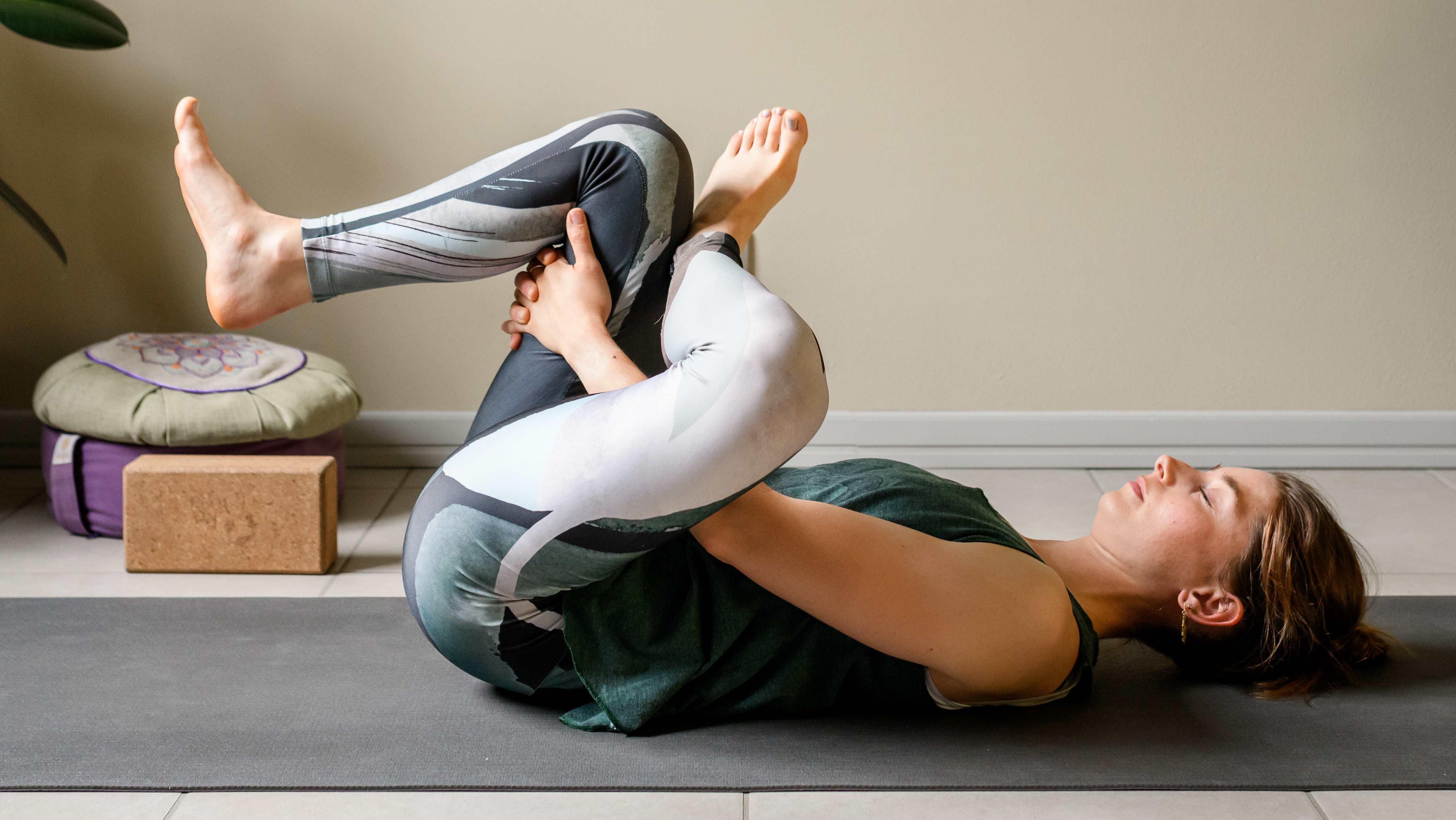
Credit: www.fitandwell.com
Credit: myyogateacher.com
Frequently Asked Questions
What Yoga Poses Improve Leg Flexibility?
Yoga poses like Downward Dog, Warrior II, and Triangle Pose help enhance leg flexibility. They stretch and strengthen muscles effectively. Practicing these poses consistently can gradually increase your leg flexibility. Remember to breathe deeply and maintain proper alignment to maximize benefits and prevent injury.
How Often Should I Practice Yoga For Flexibility?
Practicing yoga three to five times weekly improves flexibility. Consistency is key to seeing progress. Start with shorter sessions and gradually increase duration as your flexibility improves. Always listen to your body and rest when needed to prevent overexertion or injury.
Can Beginners Improve Leg Flexibility With Yoga?
Yes, beginners can enhance leg flexibility with yoga. Start with basic poses and gradually progress. Focus on proper form and breathing to optimize results. Yoga’s gentle approach makes it suitable for all fitness levels, helping beginners improve flexibility over time with consistent practice.
What Are The Benefits Of Flexible Legs?
Flexible legs improve overall mobility, balance, and posture. They reduce the risk of injury and enhance physical performance in various activities. Increased leg flexibility can also alleviate tension and discomfort, promoting relaxation and overall well-being. Yoga is an effective way to achieve these benefits.
Conclusion
Improving leg flexibility through yoga takes patience and practice. Start slowly. Focus on each pose. Breathe deeply and stay relaxed. Consistency is key. Practice regularly to see progress. Listen to your body’s limits. Avoid pushing too hard. Enjoy the journey of becoming more flexible.
Yoga not only enhances flexibility but also boosts overall well-being. Engage with your practice, and feel the benefits unfold. Remember, every small step counts. Embrace each session as a step forward. Stay committed and patient. Flexibility will improve with time and dedication.
Keep practicing and enjoy the flow.