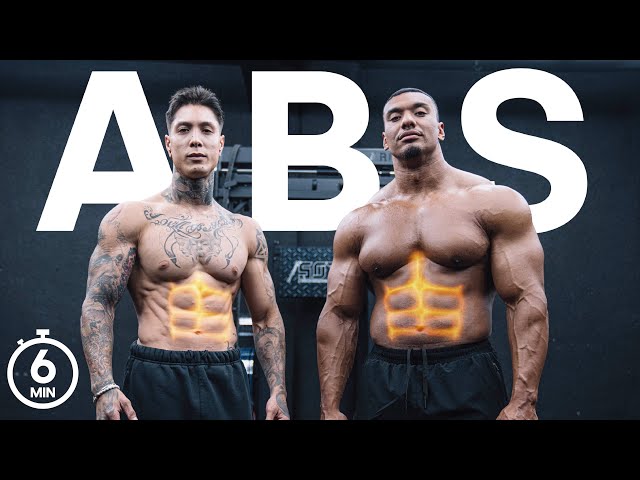
Are you on a quest to carve out those enviable six-pack abs? You might be wondering whether flexing your abs can actually build muscle.
It’s a question that pops up in many fitness circles and one that you might have pondered as you stand in front of the mirror. Before you dismiss it as just another fitness myth, let’s dive into the science and strategies behind this concept.
By the end of this article, you’ll discover whether simply flexing those abdominal muscles can truly make a difference in your workout routine. Get ready to uncover the surprising truth and learn how you can optimize your efforts for maximum results. Stick around, because this could change the way you think about your core workouts forever.
The Basics Of Muscle Building
Understanding the basics of muscle building is key to achieving your fitness goals. Building muscle is not just about lifting weights; it involves a variety of factors that work together to increase muscle size and strength. Whether you’re trying to flex your abs or bulk up, knowing how muscles grow and the role of exercise can help you maximize your workouts.
How Muscles Grow
Muscle growth, known scientifically as hypertrophy, occurs when muscle fibers repair themselves after being stressed. This stress usually happens during exercises like weightlifting or resistance training.
When you lift weights, tiny tears form in your muscle fibers. Your body repairs these tears, making the muscles thicker and stronger. This process requires consistent training and adequate nutrition.
What you eat plays a crucial role. Protein is particularly important as it provides the building blocks for muscle repair. Are you fueling your body with the right nutrients?
Role Of Exercise In Muscle Development
Exercise is the catalyst for muscle growth. But it’s not just about doing any exercise; it’s about choosing the right types. Resistance training is particularly effective for muscle development.
Exercises like squats, deadlifts, and bench presses target multiple muscle groups and encourage growth. Flexing your abs alone won’t build significant muscle but incorporating core exercises can strengthen and define your abs.
Variety is also important. Changing your routine prevents your muscles from getting used to the same movements, which can lead to plateaus. Are you challenging your muscles enough to stimulate growth?

Credit: www.tiktok.com
What Is Flexing?
Understanding flexing is key to improving muscle definition. Flexing involves tightening your muscles, making them more visible. It is a simple act that can enhance your workout routine and help build muscle over time.
Definition And Techniques
Flexing means holding your muscles in a tense position. This action highlights their shape. Techniques vary, but the core idea is to hold the muscle tight. You can flex abs by standing tall and contracting your core. Picture your navel moving towards your spine. This technique engages the muscles effectively.
Flexing is not just about showing off. It helps boost muscle awareness. With regular practice, muscle control improves. This can aid in achieving better results during workouts. Try different angles and positions to find what works best for you.
Flexing Vs. Contracting
Flexing and contracting seem similar but differ slightly. Flexing is more about holding a pose. It is a static action aimed at visibility. Contracting involves shortening the muscle. It is a dynamic motion that occurs during exercise movements.
Understanding the difference aids in effective training. Flexing is used for muscle awareness and definition. Contracting is crucial for strengthening during exercises. Both have their place in a balanced workout routine.
Incorporate flexing and contracting for comprehensive muscle development. Combining them leads to improved overall fitness. Practice regularly to see noticeable changes in your muscle tone.
Impact Of Flexing On Abs
Flexing abs is more than just showing off a toned stomach. It involves muscle contraction, which can impact muscle growth. Understanding how flexing affects your abs can improve your fitness routine. Let’s dive into the potential impact of flexing on abs, including muscle activation and its benefits.
Muscle Activation
Flexing abs activates your core muscles. This action stimulates muscle fibers, encouraging growth. When you contract your abs, you engage the entire core. This includes the rectus abdominis, obliques, and transverse abdominis. Regular activation can improve strength and muscle definition.
Muscle activation through flexing can complement your workout. It enhances the effectiveness of exercises like crunches and planks. When flexed, muscles work harder, leading to better results. Consistent activation may help in achieving a firmer core.
Potential Benefits
Flexing your abs has several benefits. It can improve muscle tone over time. Regular flexing can enhance muscle endurance. This means your core can sustain workouts for longer periods. Stronger muscles can lead to better posture. Flexing can also aid in better stability.
Additionally, flexing helps in developing mind-muscle connection. This connection makes workouts more effective. It allows you to focus on specific muscles during exercises. Improved focus can lead to faster muscle growth. Flexing abs can be a useful tool in your fitness journey.
Scientific Perspective
Understanding whether flexing your abs builds muscle requires a scientific approach. Many exercise enthusiasts are curious about this topic. Let’s dive into the research and expert opinions.
Research Studies
Several studies have explored the impact of muscle flexing. Research indicates that isometric exercises, like flexing, can increase muscle endurance. These exercises involve contracting muscles without movement. Studies show that isometric exercises improve muscle strength over time. Regular practice can lead to visible muscle definition.
One study observed participants flexing their abs regularly. The results showed increased muscle thickness. The study concluded that consistent flexing can enhance muscle size. This supports the idea that muscle contractions have a tangible effect.
Expert Opinions
Fitness experts agree on the benefits of flexing muscles. Many trainers recommend incorporating isometric exercises into routines. They suggest that flexing helps engage the core muscles. This can lead to improved stability and strength.
Experts also emphasize the importance of proper technique. Flexing should be done with focus and control. This ensures that the right muscles are engaged. Experts agree that flexing complements other exercise routines. It is not a complete substitute for traditional strength training.
Common Myths
Many people wonder if flexing abs can build muscle. This question often leads to a variety of myths and misconceptions. Understanding these myths is crucial for anyone seeking effective workout strategies.
Misconceptions About Flexing
Flexing abs does not automatically lead to muscle growth. Some believe that flexing alone can create defined abs. This myth stems from the idea that muscle tension equals muscle gain. In reality, muscle growth requires resistance training and proper nutrition.
Another common misconception is that flexing for long periods will burn fat. Flexing might increase muscle awareness but does not significantly burn calories or fat. Effective fat loss involves a combination of diet and cardio exercise.
Separating Fact From Fiction
Flexing abs can improve muscle control and mind-muscle connection. It helps in activating the muscle during workouts. However, it is not a substitute for exercises like crunches or planks.
Strengthening your core involves more than just flexing. True muscle development requires a variety of exercises targeting different muscle groups. Flexing can be part of a warm-up routine, but it should not be the main focus.
Including flexing in a comprehensive workout plan can be beneficial. But it is essential to combine it with dynamic and static exercises. This ensures balanced muscle growth and effective workouts.

Credit: www.instagram.com
Effective Ab Exercises
Building strong abs isn’t just about flexing. Effective exercises make a difference. They help in strengthening the core and improving posture. With a strong core, daily activities become easier. Plus, it can enhance athletic performance. But, which exercises work best? Let’s explore some top choices.
Recommended Workouts
Here are some exercises to target your abs:
- Plank:Hold your body straight like a board. Keep your core tight.
- Crunches:Lie on your back. Lift your shoulders off the ground.
- Leg Raises:Lie flat. Raise your legs without bending knees.
- Bicycle Crunches:Move your legs like pedaling a bike. Touch elbows to opposite knees.
- Mountain Climbers:Start in a plank. Alternate driving knees toward your chest.
Incorporating Flexing Safely
Flexing abs during workouts helps engage muscles. It ensures they’re working hard. But, do it safely:
- Warm up before starting. This prepares your muscles.
- Don’t hold your breath. Breathe steadily through exercises.
- Keep your back straight to avoid strain.
- Stop if you feel pain. Listen to your body.
- Gradually increase intensity. Don’t rush progress.
Flexing with care enhances results. It prevents injuries and boosts strength.
Flexing As A Supplementary Practice
Flexing abs can enhance your fitness routine. It’s not a standalone workout but a valuable addition. Flexing involves contracting muscles without external resistance. This practice can improve mind-muscle connection and muscle endurance. Regular flexing keeps muscles engaged, even when not exercising. Let’s explore how flexing complements traditional exercises and fits into your routine.
Complementary To Traditional Exercise
Traditional workouts like crunches or planks target abs with resistance. Flexing adds another dimension. It focuses on muscle tension and control. This practice helps activate muscles that might be missed during regular workouts. Flexing can improve posture and core stability. It aids in enhancing the effectiveness of your exercise regimen.
Integrating Into Routine
Adding flexing to your routine is simple. Start with short sessions. Flex your abs for 10-15 seconds. Repeat this multiple times a day. You can do it anywhere, even while sitting. Over time, increase the duration and intensity. Consistency is key. Make flexing a daily habit for best results.
Realistic Expectations
When it comes to building muscle by flexing your abs, it’s essential to have realistic expectations. Flexing alone might not give you the sculpted abs you dream of, but it’s a step in the right direction. Understanding what to expect can keep your motivation high and your fitness journey sustainable.
Expected Results
Flexing your abs engages the muscles, providing a contraction that can enhance muscle definition over time. It’s not about instant transformation. Think of it as a complementary activity to regular workouts. Adding dedicated ab exercises to your routine can amplify the benefits of flexing. You won’t see a six-pack overnight, but consistency can lead to noticeable improvements.
Patience And Consistency
Building muscle is a gradual process requiring patience. It’s easy to get frustrated if progress seems slow, but remember that every flex contributes. Consistency is key; make flexing a daily habit alongside your workout regimen. Celebrate small victories and improvements. Can you flex longer today than yesterday? If yes, you’re on the right track.

Credit: www.instagram.com
Frequently Asked Questions
Can Flexing Abs Help Build Muscle?
Flexing abs can stimulate muscle growth by engaging the core. It activates muscle fibers, improving tone and strength. While flexing alone won’t replace a full workout, it can complement exercises like planks or crunches. Combining flexing with resistance training and proper nutrition yields optimal muscle-building results.
How Often Should You Flex Abs?
For best results, flex your abs daily. Consistency is key to strengthening and toning muscles. Aim to incorporate flexing during workouts or throughout the day. Regular flexing can enhance muscle endurance and definition, but complementing it with a varied exercise routine is essential for overall fitness.
Do You Need Weights To Build Abs?
Weights aren’t essential to build abs, but they can enhance results. Bodyweight exercises like planks or sit-ups effectively target abs. Adding weights increases resistance, boosting muscle strength and growth. Whether using weights or not, maintaining form and consistency is crucial for developing well-defined abs.
Is Flexing Abs Beneficial During Workouts?
Yes, flexing abs during workouts enhances core activation. It improves posture, balance, and overall exercise effectiveness. Engaging your abs while performing exercises helps stabilize your body. This can lead to better performance and reduced injury risk. Incorporate flexing into various routines for optimal benefits.
Conclusion
Flexing abs can enhance muscle awareness and control. It boosts mind-muscle connection. This helps in effective workouts. But flexing alone won’t build significant muscle. Combine it with strength training for best results. Balanced nutrition and regular exercise are crucial too.
Keep consistency in your routine. Listen to your body. Progress takes time and patience. Enjoy the journey to stronger abs. Stay motivated and focused on your goals. Remember, every effort counts towards improvement.