Are you tired of battling those stubborn dimples and wondering if shedding a few pounds could finally smooth out your skin? You’re not alone.
Cellulite is a common concern that affects many, and it’s often frustrating to deal with. Before you jump into the latest diet or exercise trend, it’s essential to understand if weight loss is the magic bullet for eliminating cellulite. Imagine waking up, looking in the mirror, and seeing a smoother, more confident you.
Sounds enticing, right? Let’s dive deep into the connection between weight loss and cellulite, and discover what really works, so you can make informed decisions and achieve the skin you desire. Keep reading to uncover the truth and find out how you can take control of your body’s appearance.
What Is Cellulite?
Cellulite is a term you might have heard often, especially when discussing beauty and wellness. It’s a condition that affects the appearance of your skin, creating a dimpled or lumpy texture. But what exactly is cellulite, and why does it seem to appear out of nowhere? Understanding its nature can help you tackle it more effectively.
Cellulite occurs when fat deposits push through the connective tissue beneath your skin, creating a bumpy surface. It’s most common in areas like the thighs, buttocks, and abdomen. Almost everyone can experience cellulite, regardless of body size or weight.
Interestingly, cellulite is much more prevalent in women than men. This is due to differences in how fat, muscle, and connective tissue are distributed in female bodies. Women’s skin structure is more prone to cellulite because their connective tissue is arranged in a pattern that allows fat to push through more easily.
Is Cellulite Related To Weight?
While weight can play a role in the visibility of cellulite, being overweight doesn’t necessarily cause it. Even those with a healthy weight can have cellulite. It’s more about genetics, hormonal changes, and skin structure rather than just body weight.
Have you ever wondered why some people can lose weight and still have cellulite? This is because losing weight might reduce the appearance of cellulite but won’t eliminate it entirely. It could become less noticeable, but the underlying structural issues remain.
Can Lifestyle Changes Affect Cellulite?
Your lifestyle choices can impact the appearance of cellulite. Regular exercise can strengthen your muscles, providing a smoother surface for your skin. Eating a balanced diet full of fruits, vegetables, and lean proteins can improve skin health and elasticity.
Hydration also plays a key role. Drinking plenty of water can help flush out toxins and keep your skin supple. However, it’s important to remember that these changes won’t make cellulite disappear but can help improve its appearance.
Is Cellulite Permanent?
Cellulite is a natural part of the body, and while it may never completely go away, it doesn’t have to be a permanent concern. With the right approach, you can reduce its visibility and feel more confident in your skin.
Consider consulting with a dermatologist or skincare expert for targeted treatments. Many options are available, from topical creams to non-invasive procedures that can help reduce cellulite.
So, what steps will you take to tackle cellulite? Understanding it is the first step toward managing its appearance and embracing your body just the way it is.

Credit: beautysculptingroom.co.uk
Causes Of Cellulite
Cellulite is caused by fat pushing against connective tissue beneath the skin. Weight loss can reduce fat but may not eliminate cellulite completely. Factors like genetics, skin thickness, and age also play a role in its appearance.
Cellulite is a common concern for many people. It appears as dimpled skin, mostly on thighs and buttocks. Understanding its causes can help manage it effectively. Let’s explore the factors contributing to cellulite.Genetic Factors
Genetics play a significant role in cellulite development. If your family has cellulite, you might get it too. The genes can affect skin structure and metabolism. This influences how fat is distributed under the skin.Lifestyle Influences
Your lifestyle impacts cellulite formation. A diet high in fat, carbs, and salt can worsen it. Lack of physical activity reduces muscle tone. This can make cellulite more visible. Smoking and stress also contribute to its appearance.Hormonal Changes
Hormones are crucial in cellulite development. Changes in estrogen levels can affect fat distribution. This is common during puberty, pregnancy, and menopause. Estrogen affects blood flow, which impacts collagen production. This can lead to more noticeable cellulite.Weight Loss And Cellulite
Weight loss and cellulite often go hand in hand in discussions about body image. As you shed pounds, you might wonder if those pesky dimples will disappear along with the extra weight. While losing weight can impact cellulite, it’s not a guaranteed solution. Understanding how fat reduction and muscle toning play a role is key in tackling cellulite effectively.
Impact Of Fat Reduction
Reducing body fat can contribute to minimizing cellulite’s appearance. As fat cells decrease, the pressure against your skin’s connective tissues lessens, potentially smoothing out the surface. However, cellulite isn’t solely about fat; it’s about how fat interacts with tissues.
Imagine losing weight but still noticing cellulite. It’s frustrating but common. Fat reduction helps, but it’s not the sole answer. Think of it as a piece of the puzzle rather than the whole picture. Have you experienced changes in cellulite as you lost weight?
Role Of Muscle Toning
Muscle toning can be a game-changer in your battle against cellulite. Strong muscles provide better support for your skin, reducing the visibility of dimples. Exercises that focus on toning your legs and buttocks, such as squats and lunges, can be particularly effective.
Consider adding resistance training to your routine. It can enhance muscle tone and improve circulation, aiding in cellulite reduction. Have you tried incorporating strength exercises into your workouts? Often, a combination of fat loss and muscle gain offers the best results.
Diet And Nutrition
Diet and nutrition play a crucial role in managing cellulite, especially if you’re on a weight loss journey. While losing weight might reduce the appearance of cellulite, what you eat can significantly impact your skin’s health and elasticity. Choosing the right foods and avoiding the wrong ones can make a noticeable difference in your skin’s texture.
Foods To Avoid
Certain foods can worsen the appearance of cellulite, so it’s wise to limit them in your diet. Processed foods high in sugar and salt are culprits that can lead to water retention and inflammation, making cellulite more visible. Trans fats found in fried foods and baked goods can harm skin elasticity, so it’s best to steer clear of them.
Alcohol and caffeine, when consumed excessively, can dehydrate your skin, affecting its appearance and potentially worsening cellulite. Consider reducing your intake or choosing healthier alternatives. Keep in mind, moderation is key, and occasional indulgence is okay as long as it’s balanced with healthier choices.
Nutrients For Skin Health
Nourishing your skin from within requires a diet rich in certain nutrients. Foods high in antioxidants, like berries and green leafy vegetables, help fight free radicals and support skin repair. Omega-3 fatty acids found in fish like salmon and flaxseeds can improve skin elasticity and hydration.
Vitamin C is essential for collagen production, which maintains skin firmness and reduces the appearance of cellulite. Citrus fruits, strawberries, and bell peppers are excellent sources. Additionally, staying hydrated by drinking plenty of water helps maintain skin elasticity and may lessen the appearance of cellulite.
Consider how small changes in your diet can lead to improvements in your skin. Are there foods you can swap or add for healthier skin? Every meal is an opportunity to nourish your body and support your skin health.
Exercise And Cellulite
Exercise and cellulite are often discussed together, but can working out truly diminish those stubborn dimples? While exercise doesn’t guarantee the complete disappearance of cellulite, it can significantly improve skin appearance. The right mix of cardio and strength training can make a visible difference, boosting your confidence and overall well-being.
Cardio Exercises
Cardio workouts are a fantastic way to burn calories and reduce body fat, which may help minimize the appearance of cellulite. Activities like running, cycling, and swimming increase blood circulation, promoting skin health and potentially reducing cellulite.
Imagine jogging through your favorite park, feeling the fresh air energize you while enhancing your skin’s firmness. Could daily walks or a weekly dance class be your secret weapon against cellulite?
Strength Training
Strength training builds muscle, which can help improve skin tone and reduce cellulite. By engaging in exercises like squats, lunges, and leg presses, you target areas prone to cellulite, such as thighs and buttocks.
Picture yourself lifting weights at the gym, each rep tightening your skin and sculpting a more toned physique. Are you ready to embrace weights and witness the transformative power on your cellulite?
Alternative Treatments
Cellulite often persists despite weight loss efforts. Many seek alternative treatments. These methods aim to reduce the appearance of cellulite. They complement lifestyle changes like diet and exercise. Let’s explore some popular options.
Topical Treatments
Topical treatments are creams or gels applied to the skin. They contain ingredients like caffeine or retinol. These substances may improve skin texture. Caffeine can tighten skin by dehydrating fat cells. Retinol boosts collagen production, enhancing skin elasticity. Regular application is key for visible results. Patience is essential as effects may take weeks.
Medical Procedures
Medical procedures offer more immediate results. They target cellulite at a deeper level. Laser treatments break down fat cells under the skin. This can smooth out dimpled areas. Cryolipolysis, or fat freezing, is another option. It eliminates fat cells by exposing them to cold temperatures. Radiofrequency treatments heat the skin, improving firmness and reducing cellulite. Consult a doctor to choose the best procedure for your needs.
Realistic Expectations
Weight loss can often lead to a reduction in cellulite appearance. Yet, it’s important to have realistic expectations. Cellulite affects many people, regardless of body size. It’s not solely linked to weight. Understanding what weight loss can realistically achieve is crucial. Weight loss might improve cellulite, but it may not eliminate it entirely.
Visible Improvements
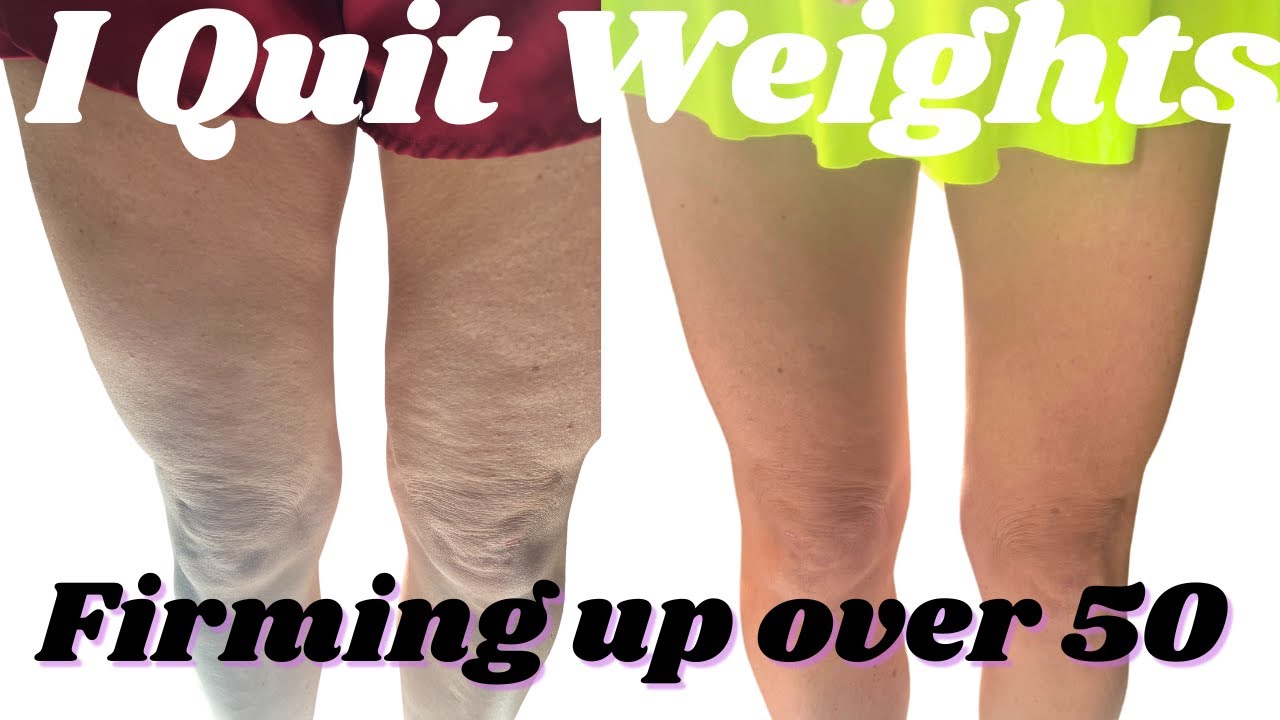
With weight loss, the skin may become firmer. This can make cellulite less noticeable. As fat cells reduce, skin may appear smoother. Regular exercise helps tone muscles, contributing to a more even skin surface. This can lead to visible improvements in cellulite. Yet, the degree of change varies for each person. Genetics and skin elasticity play significant roles. Some may see marked improvement, others might see minimal change.
Long-term Maintenance
Maintaining weight loss is key to sustaining cellulite improvement. Consistency in a healthy lifestyle is essential. A balanced diet and regular physical activity support long-term results. Hydration keeps skin healthy and aids in appearance. Maintaining muscle tone helps keep skin firm. Weight fluctuations can affect cellulite visibility. Steady weight helps maintain progress over time.
Credit: www.youtube.com

Credit: www.kosmoderma.com
Frequently Asked Questions
Does Losing Weight Reduce Cellulite Appearance?
Losing weight can help reduce cellulite appearance but won’t eliminate it entirely. Cellulite is caused by fat beneath the skin, and genetics play a role. Weight loss may decrease fat cells, making cellulite less noticeable. However, maintaining a healthy lifestyle with regular exercise and a balanced diet is essential for long-term results.
Can Exercise Help Get Rid Of Cellulite?
Exercise can improve the appearance of cellulite by building muscle and improving skin elasticity. Strength training and aerobic exercises can reduce body fat, making cellulite less visible. However, exercise alone cannot completely remove cellulite. A combination of a healthy diet, hydration, and regular physical activity is the most effective approach.
Is Cellulite Affected By Diet Changes?
Diet changes can positively impact cellulite by reducing body fat and improving skin health. Consuming a diet rich in fruits, vegetables, and lean proteins can help maintain a healthy weight. Staying hydrated and limiting processed foods can also promote better skin elasticity, potentially reducing the visibility of cellulite.
Are There Treatments To Reduce Cellulite?
Several treatments can reduce cellulite appearance, including massages, creams, and laser therapies. These treatments aim to smooth the skin and improve circulation. However, results may vary, and no treatment completely eliminates cellulite. Combining treatments with a healthy lifestyle, including diet and exercise, is the most effective strategy.
Conclusion
Cellulite might improve with weight loss, but it may not disappear. Each body is unique, and results vary. Focus on healthy eating and regular exercise. These habits boost your overall health. They also help reduce cellulite appearance. Remember, cellulite is normal and common.
Many people have it, regardless of weight. Embrace your body and its uniqueness. Confidence shines brighter than any skin condition. Keep striving for health, not perfection. This mindset promotes long-term wellness. Stay positive and patient. It’s a journey, not a race.
Your body deserves kindness and care.