
Imagine feeling a sudden gust of wind or encountering a bright light. Instinctively, your body reacts, making adjustments to protect you.
This automatic response is often thanks to the papillary response—a fascinating mechanism that plays a crucial role in preventing injury. But how exactly does this tiny yet powerful reaction work to shield you from harm? Understanding this can empower you with knowledge about your body’s natural defense systems.
Dive into this intriguing exploration of the papillary response and discover how it acts as your body’s unsung hero, keeping you safe in ways you might never have imagined. Stay with us as we unravel the mysteries behind this vital protective reflex.

Credit: www.facebook.com
Papillary Response Mechanism
The papillary response mechanism is an incredible part of our body’s defense system, working quietly yet effectively to protect us from harm. It’s a reflex action that occurs in the skin, particularly on areas like the fingertips, when exposed to potential injury. Understanding how this mechanism operates can help you appreciate the sophisticated ways your body shields itself from everyday dangers.
Understanding The Papillary Response
The papillary response is essentially a reflex. Imagine accidentally touching a hot stove. Before you even register the heat, your hand will pull away. This is the papillary response in action. It’s designed to minimize damage by reacting quickly to potentially harmful stimuli.
The Role Of Nerve Endings
Your skin is equipped with a dense network of nerve endings. These are sensitive to various stimuli like temperature, pressure, and pain. When these nerve endings detect something harmful, they send rapid signals to your brain, triggering an immediate response.
Swift Muscle Reaction
Once your brain receives the distress signals, it sends commands to your muscles to contract and retract. This swift muscle reaction is what saves your skin from burns or cuts. The coordination between nerve signals and muscle contraction is seamless, happening in milliseconds.
Adaptive Sensitivity
The papillary response is not static; it’s adaptive. Have you ever noticed how your reaction time improves with repeated exposure to similar stimuli? Your body learns from experiences, refining the speed and efficiency of this response over time.
Everyday Implications
Consider the implications of the papillary response in daily life. Think about how often you might brush against something sharp or hot. It’s fascinating to realize that your body is constantly on guard, ready to act without conscious thought. How does this awareness change your perspective on self-care and safety?
Enhancing Your Body’s Natural Defenses
While the papillary response is automatic, enhancing your body’s natural defenses can be a proactive step. Maintaining good health through proper nutrition and exercise can support your nervous and muscular systems, ensuring they function optimally. What steps are you taking to nurture your body’s incredible capabilities?
- Engage in regular physical activity to keep muscles responsive.
- Consume foods rich in omega-3 fatty acids to support nerve health.
- Practice mindfulness to become more aware of your body’s signals.
By understanding and appreciating the papillary response mechanism, you gain insight into one of the many ways your body protects itself, often without you even noticing. It’s a reminder of the intricate systems at play within you, urging you to consider how you can further support and enhance these natural defenses.
Credit: translational-medicine.biomedcentral.com
Role In Sensory Protection
The papillary response is a fascinating mechanism that plays a crucial role in sensory protection. Imagine walking barefoot across a sandy beach; your feet instantly detect the warmth of the sun-kissed sand, and you instinctively adjust your pace. This response isn’t just about avoiding discomfort; it’s about preventing injury. By swiftly recognizing potentially harmful stimuli, your body can protect itself from damage. Understanding how this process works can help you appreciate the intricate ways your body guards against harm.
Detection Of Harmful Stimuli
Your skin is equipped with receptors that act like tiny detectives, constantly surveying for signs of danger. These receptors are adept at identifying changes in temperature, pressure, and texture. Ever notice how quickly you pull your hand away from something too hot or too sharp? That’s your papillary response at work. It’s a real-time defense system that alerts you before injury occurs.
Think about times when you’ve felt a sudden sting from a prickly plant or the sharp edge of a rock. The immediate sensation forces you to react, often without thinking. This rapid detection is essential in preventing small injuries from escalating into major ones. Have you ever wondered how much harm your body avoids each day just by sensing and responding to these stimuli?
Signal Transmission To The Brain
Once harmful stimuli are detected, the next step is swift communication with your brain. Nerve endings send signals through a network that resembles a super-fast highway. This information travels at impressive speeds, ensuring your brain receives it almost instantly.
Your brain then processes the signals and decides the best course of action. This might mean retracting a limb, adjusting your grip, or changing direction. It’s a decision-making process that happens in milliseconds, safeguarding you from potential harm.
Consider a time when you touched something unexpectedly hot. The signal transmission enabled your brain to act before you consciously realized what had happened. Isn’t it remarkable how your body orchestrates these protective measures without your conscious effort?
Preventing Physical Damage
The papillary response helps prevent injury by regulating blood flow to the skin, maintaining optimal temperature. This response also aids in protecting sensitive areas from potential harm.
Preventing Physical Damage The papillary response plays a crucial role in protecting our bodies. This natural reflex helps shield us from potential harm. It acts as an automatic safety mechanism. Our bodies react quickly without needing conscious thought.Reflex Actions
Reflex actions are immediate responses to stimuli. They occur without conscious effort. These actions are vital for preventing injuries. For example, if you touch a hot surface, your hand pulls back instantly. This quick reaction prevents burns or blisters. Reflexes are controlled by the spinal cord. This allows for faster responses than waiting for brain processing. Reflex actions serve as our body’s first defense line.Skin And Tissue Protection
The skin acts as a barrier against external threats. It protects tissues beneath from damage. The papillary response enhances this protection. It helps the skin adapt to potential injuries. For instance, goosebumps form when cold air hits the skin. This response helps retain heat and protect against cold damage. The skin’s elasticity also plays a role. It absorbs impacts, reducing the risk of bruises or cuts. Thus, the papillary response and skin together safeguard our body.Adaptation To Environmental Changes
Papillary response helps protect the eyes from injury by adjusting to light changes. Pupils shrink in bright light, reducing exposure and preventing damage. In dim conditions, they expand to allow more light, enhancing vision and safeguarding delicate structures. This natural adaptation ensures eyes are ready for varying environments.
Adapting to environmental changes is crucial for survival. The papillary response plays a key role here. It helps the body adjust to different surroundings. This response involves the skin’s papillae, tiny projections under the skin. They sense changes and trigger protective actions.Temperature Regulation
The papillary response aids in temperature control. In cold conditions, it reduces heat loss. Blood vessels constrict, keeping warmth in the body. In hot weather, it helps cool the body. Blood vessels expand, allowing heat to escape. This balance maintains a stable body temperature. It prevents damage from extreme temperatures.Response To Pressure
The papillary response also detects pressure changes. When pressure is applied, nerves in the papillae activate. They send signals to the brain. The body adjusts to avoid injury. This reaction prevents damage from sustained pressure. It helps maintain tissue health. This is crucial for overall well-being.Impact On Immune Response
The papillary response is crucial for preventing injuries, impacting the immune response significantly. This mechanism acts as a protective shield, keeping harmful elements at bay. It also plays a vital role in supporting the body’s healing processes.
Barrier Against Pathogens
The papillary response forms a physical barrier. It blocks entry of pathogens into the body. This barrier is the first line of defense. It stops germs from entering through the skin. It prevents bacteria and viruses from causing infections. This helps maintain overall health and wellness.
Support For Healing Processes
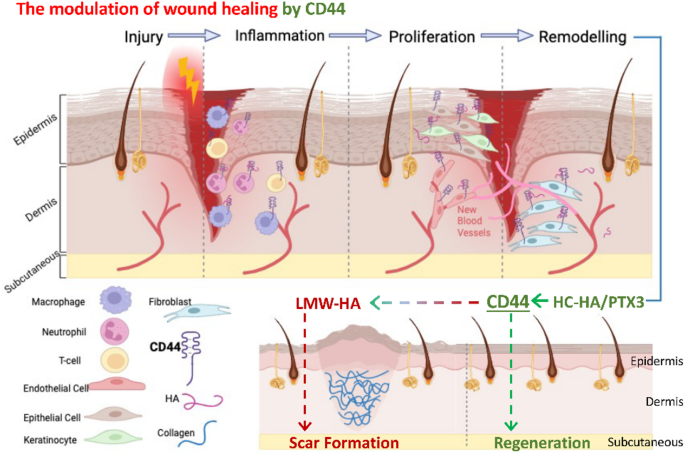
It aids the healing process by promoting cell repair. The papillary response enhances blood flow to injured areas. Increased circulation brings essential nutrients to damaged tissues. It speeds up recovery and reduces inflammation. It ensures quick healing and minimizes infection risks.

Credit: www.facebook.com
Evolutionary Significance
The papillary response is a vital mechanism in the human body. It helps protect us from potential harm. This response has deep evolutionary roots, offering significant advantages. Our ancestors developed these responses to survive in a challenging world. Understanding this can reveal how it helps keep us safe today.
Survival Advantages
The papillary response acts as an early warning system. It helps detect harmful stimuli quickly. This quick reaction was crucial for ancient humans. It allowed them to avoid dangers like sharp objects or extreme temperatures. By reacting swiftly, they could prevent injuries that might lead to infections or worse.
In a world without modern medicine, avoiding injury was essential. The papillary response helped ensure survival by providing this protective reflex. It is a testament to the body’s ability to adapt for safety.
Species Adaptation
Different species have developed papillary responses suited to their environments. For instance, some animals have heightened touch sensitivity. This helps them navigate safely through their habitats. These adaptations are crucial for their survival and evolution.
Humans have also benefited from these adaptations. Our papillary response supports daily activities, enhancing our interaction with the world. It allows us to perform tasks safely and efficiently, reflecting our evolutionary journey.
Frequently Asked Questions
What Is The Papillary Response?
The papillary response is an involuntary reflex that controls pupil size. It adjusts the amount of light entering the eye and protects the retina. This response is crucial for visual clarity and helps prevent damage from excessive light exposure.
How Does Papillary Response Prevent Eye Injury?
The papillary response prevents eye injury by regulating pupil size in response to light. It constricts in bright light, reducing retinal exposure and potential damage. This reflex action is essential for maintaining healthy vision and preventing photodamage.
Why Is The Papillary Response Important For Vision?
The papillary response is important for vision because it regulates light entry into the eye. By adjusting pupil size, it optimizes visual clarity and protects retinal cells. This response is vital for adapting to different lighting conditions and maintaining optimal vision health.
What Triggers The Papillary Response?
The papillary response is triggered by changes in light intensity. Bright light causes pupil constriction, while low light leads to dilation. This automatic adjustment ensures optimal vision and protects the retina from potential damage caused by excessive light exposure.
Conclusion
The papillary response plays a key role in injury prevention. It acts swiftly to protect the skin from harm. This natural mechanism is crucial for maintaining health and safety. By responding to stimuli, it helps avoid damage. Understanding this response can enhance our appreciation of the body’s defenses.
Simple actions, like reflexive withdrawal, make a big difference. It highlights the body’s incredible ability to protect itself. Learning about it encourages us to take better care of our skin. Stay aware. Keep your skin safe. Appreciate this natural protective response every day.