
Ever wondered why athletes sometimes struggle or shine unexpectedly in certain weather conditions? The weather plays a significant role in shaping sports performance, impacting everything from your energy levels to your equipment’s efficiency.
Whether you’re an avid sports fan or an athlete yourself, understanding how weather influences performance can give you the edge in predicting outcomes or enhancing your own abilities. Imagine being able to anticipate the challenges and advantages that different weather scenarios might bring.
Intrigued? Stick around to uncover how temperature, humidity, wind, and even altitude could be silently impacting your favorite sports activities and performances.
Impact Of Temperature
Temperature plays a crucial role in sports performance. Athletes often face challenges due to varying temperatures. Whether it’s extreme heat or cold, each condition has its unique impact. Understanding how temperature affects performance can help athletes prepare better for competitions.
Effects Of Heat On Athletes
High temperatures can lead to dehydration. This can decrease endurance and focus. Muscle cramps are common in hot conditions. Heat also increases the risk of heatstroke. Athletes may struggle with maintaining energy levels. Proper hydration and cooling strategies are essential.
Cold Weather Challenges
Cold weather can stiffen muscles and joints. Athletes may experience decreased flexibility. Cold air affects breathing and can reduce lung function. Wearing appropriate clothing is important. It helps maintain body warmth and improve performance.
Optimal Temperature For Performance
Moderate temperatures are ideal for sports. They support better endurance and energy levels. Athletes perform best in comfortable climates. The body can regulate temperature more efficiently. This leads to improved focus and reduced risk of injury.
Role Of Humidity
When you think about sports performance, humidity might not be the first thing that comes to mind. Yet, its impact can be surprising, especially for athletes who push their limits. Humidity affects your body’s ability to cool itself, which can either enhance or hinder performance. As an athlete, understanding how humidity interacts with your body can be a game-changer.
Humidity And Endurance
High humidity levels make it harder for sweat to evaporate from your skin. This means your body struggles to cool down during intense activities, affecting endurance. You might find yourself tiring faster or feeling unusually drained during a long run. Think of that time you tried to beat your personal best in the summer; did you notice how much tougher it was? That’s humidity playing its role.
Dehydration Risks
With increased humidity, your body sweats more, leading to a higher risk of dehydration. Dehydration can severely impact your athletic performance, causing fatigue, dizziness, or muscle cramps. It’s not just about losing water; essential electrolytes also leave your body. Have you ever felt that sudden drop in energy during a humid day? It’s likely because your body is crying out for hydration.
Managing Humidity In Sports
So, how do you tackle humidity effectively? Start by staying hydrated; drink water before, during, and after your activities. Use lightweight, breathable clothing to help sweat evaporate more easily. Consider training in different weather conditions to better prepare yourself. Next time you’re gearing up for a big game, check the weather forecast and adjust your hydration and clothing strategies accordingly.
Wind Influence
The wind is a powerful force in sports. It can change the game in unexpected ways. Athletes must adapt to its effects. Wind influences ball trajectory, player movement, and even endurance. Understanding this element can be a game-changer for athletes.
Wind Speed And Direction
Wind speed affects how far or fast a ball can travel. A strong wind might carry a ball further, or slow it down. Direction is equally crucial. It determines the path a ball will take. Athletes need quick reflexes to adjust their play.
Sports Affected By Wind
Wind impacts many sports. In soccer, wind alters ball control and passing. Tennis players face challenges with ball toss and serve. Golfers struggle with shot accuracy. Even runners feel the resistance or push from the wind. Each sport requires unique adaptations.
Strategies To Combat Wind
- Positioning: Athletes adjust their stance to counter wind direction.
- Technique: Players change their grip or swing to maintain control.
- Equipment: Specialized gear can reduce wind impact.
- Mental Focus: Staying calm helps in unpredictable conditions.

Credit: www.youtube.com
Rain And Precipitation
Rain and precipitation can greatly impact sports performance. Wet conditions make fields slippery, affecting athletes’ speed and control. Visibility challenges may also arise, influencing decision-making and precision.
Rain and precipitation can transform a sporting event into a completely different experience. This natural element not only impacts the atmosphere but also the dynamics of the game. Athletes and coaches often find themselves adapting strategies and techniques to navigate the challenges posed by wet conditions.Effects On Playing Surfaces
Rain significantly alters the nature of playing surfaces. A dry soccer field turns into a slippery challenge, affecting ball control and player stability. In tennis, clay courts become muddy, slowing down the game and demanding more physical exertion. Even in sports like golf, wet conditions can make greens unpredictable, adding layers of complexity to each stroke. Have you ever noticed how the sound of a basketball changes on a damp court? The bounce is less lively, demanding players to adjust their dribbling techniques quickly.Injury Risks In Wet Conditions
Wet surfaces heighten the risk of injuries for athletes. Slippery grounds lead to falls and awkward landings, increasing the chances of sprains and strains. In football, rain complicates grip on the ball, making fumbles more common and collisions more likely. Even seasoned athletes can find themselves vulnerable to unexpected slips that lead to serious injuries. It’s crucial to have the right gear, like cleats designed for wet conditions, to minimize these risks.Adapting To Rain In Sports
Successfully adapting to rainy conditions requires preparation and quick thinking. Teams often practice in the rain to simulate real-game situations, enhancing their adaptability. Athletes need to focus on their footing and adjust their pace to maintain control. Coaches might alter game plans, emphasizing short passes in soccer or more conservative plays in football. Are you someone who thrives in rainy conditions, or does it throw you off your game? Embracing the challenge can be a mental game-changer, turning a potential disadvantage into a strategic edge.Altitude Considerations
Altitude changes impact oxygen levels, affecting athletes’ endurance and strength. High altitudes can challenge breathing, while lower altitudes might enhance performance. Understanding altitude differences is crucial for optimizing sports outcomes.
Altitude plays a significant role in sports performance, affecting athletes in various ways. When you consider altitude, it’s essential to understand how it impacts your body’s ability to perform and how athletes can adapt to it. Higher altitudes can challenge your body differently than sea level, requiring specific strategies to optimize performance.High Altitude Effects
At high altitudes, the air contains less oxygen than at sea level. This can lead to decreased aerobic capacity, making endurance sports particularly challenging. You might feel your heart pounding faster as it tries to deliver more oxygen to your muscles. Have you ever noticed how athletes breathe more heavily when competing in mountain regions? This is your body’s way of compensating for the lower oxygen levels. Reduced oxygen can cause fatigue and impact your performance if not managed properly.Acclimatization Process
Adapting to high altitudes isn’t instantaneous. It involves a process known as acclimatization, where your body gradually adjusts to the reduced oxygen levels. This can take several days or even weeks. During acclimatization, your body increases red blood cell production to carry more oxygen. You might wonder how athletes prepare for competitions at high altitudes. The key is to arrive at the location well in advance and allow your body to adjust naturally.Altitude Training Benefits
Training at high altitudes can offer unique benefits once your body acclimatizes. It can enhance your endurance by improving oxygen delivery to muscles, making you stronger when you return to lower altitudes. Consider the advantage athletes gain from altitude training. It can boost your performance by increasing your aerobic capacity and stamina. Have you thought about incorporating altitude training into your routine? This strategy might be the edge you need to outpace your competition. Remember, while altitude presents challenges, it also offers opportunities for growth and improved performance.
Credit: www.instagram.com
Weather And Equipment
Weather plays a significant role in sports performance, often affecting not just the athletes but also the equipment they rely on. From the type of clothing you wear to the gear you use, weather conditions can demand specific adaptations. Understanding how weather influences equipment can help you make better choices and enhance your performance on the field.
Impact On Gear And Clothing
Have you ever noticed how your clothing choices change with the weather? The same principle applies to sports gear. Cold weather may require thermal clothing and specialized gloves, while hot conditions could make lightweight, breathable fabrics essential. Rain can influence your footwear, demanding water-resistant shoes to maintain traction.
Your equipment must adapt to these conditions to maintain performance levels. A wet soccer ball behaves differently than a dry one, and a snowboard reacts uniquely on fresh powder versus icy slopes. Are you prepared to modify your gear based on the weather forecast?
Technological Innovations
Advancements in technology have made weather-adapted gear more accessible. From moisture-wicking fabrics to temperature-regulating materials, tech innovations are revolutionizing how athletes approach gear selection. Consider how wearable tech like smart fabrics can monitor your body’s response to weather changes in real-time, enabling you to adjust your performance strategies.
Brands are continually developing sports equipment that can withstand extreme weather conditions. Think about the last time you saw an athlete with a high-tech jacket that adjusts its insulation based on external temperatures. Are you taking advantage of these innovations to improve your game?
Weather-adapted Equipment
Equipment designed specifically for certain weather conditions can make a substantial difference. Skiers and snowboarders often use waxes suited for different snow types. Cyclists may choose tires based on wet or dry conditions to optimize grip and safety.
Have you considered how your equipment choices could be fine-tuned to better suit your local climate? Whether it’s rain, snow, or sunshine, selecting the right gear can provide a competitive edge.
Next time you gear up, take a moment to consider how the weather might affect your equipment and performance. It could be the key difference between a good day and a great one on the field.
Psychological Effects
Weather can greatly impact athletes’ mental states. Different weather conditions can lead to various psychological effects on sports performance. Understanding these effects helps athletes better prepare for competitions.
Weather-induced Stress
Athletes may experience stress due to unpredictable weather. Sudden rain or heat waves can disrupt their focus. This stress can lead to decreased performance and errors. Athletes must learn to manage this stress. Proper techniques can help them stay calm and focused during competitions.
Mental Preparation Techniques
Preparing mentally for weather changes is crucial. Visualization exercises can help athletes adapt. They imagine performing well in various weather conditions. Breathing exercises can also reduce anxiety and stress. Staying positive and flexible improves resilience against weather-induced challenges.
Mood And Performance Correlation
Weather can affect an athlete’s mood significantly. Sunny days may boost morale and energy levels. Gloomy weather can lead to low motivation. Maintaining a consistent mood helps athletes perform their best. Coaches can play a role in helping athletes stay motivated. Encouragement and support can uplift spirits, regardless of weather conditions.
Seasonal Considerations
Weather influences sports performance significantly. Cold conditions can stiffen muscles, while heat may lead to fatigue and dehydration. Wind and rain impact ball trajectory and visibility, challenging athletes to adapt their strategies.
Understanding how seasonal changes impact sports performance can give you a competitive edge. Weather conditions, sunlight hours, and temperature variations can all play a significant role in how athletes train and compete. From off-season training to the intricacies of scheduling, there’s a lot to consider.Off-season Training
During the off-season, athletes have the opportunity to focus on building strength, endurance, and skill without the pressure of competition. Consider the unique weather patterns of your location. Cold winters might push you indoors, but that doesn’t mean training halts. Indoor facilities, home gyms, or even online workouts can keep your fitness goals on track. If you’re in a warmer climate, outdoor training can continue year-round, but be mindful of heat exhaustion. Hydration becomes even more crucial. What adjustments do you make when the weather shifts in your area?Seasonal Sport Variations
Different sports peak during different seasons, impacting how athletes prepare and perform. For example, winter sports like skiing rely heavily on cold weather and snow, while summer sports thrive in warmer temperatures. This means athletes need to tailor their training based on seasonal demands. How do you adapt your routine for a sport that thrives in one particular season? Embracing these variations can enhance your adaptability and resilience as an athlete.Weather Patterns And Scheduling
Weather patterns can disrupt sports schedules, causing delays or cancellations. Rainy seasons might lead to more indoor games or rescheduling of outdoor events. As an athlete or coach, having a flexible mindset is key. Do you have contingency plans for unexpected weather disruptions? Knowing how to adjust your schedule can help maintain focus and performance levels. Keeping an eye on forecasts and being ready to pivot your plans can be a game-changer. By acknowledging the impact of seasonal considerations, you can better prepare for how weather might affect your sports performance. What strategies will you implement to stay ahead of the game?Weather Forecasting
Weather impacts sports performance by affecting athlete endurance, focus, and strategies. Rain, wind, and temperature shifts challenge players, requiring adaptation for optimal results. Proper forecasting helps teams plan accordingly, enhancing their competitive edge.
Weather Forecasting plays a crucial role in the world of sports. Understanding the weather conditions can dramatically influence the outcome of a game or match. Sports teams and athletes rely on accurate weather predictions to strategize effectively, ensuring they are prepared for any environmental challenges.Importance For Team Strategy
Teams use weather forecasts to tailor their strategies. A football team, for instance, might adjust its play style based on heavy rain or strong winds. These conditions can affect the ball’s trajectory and player movements. By anticipating these changes, coaches can make informed decisions about which players to field and what tactics to employ.Tools And Technologies
Modern technology has revolutionized weather forecasting in sports. Tools like weather apps and sophisticated radar systems provide real-time data. These technologies allow teams to monitor changing conditions minute-by-minute. Access to such precise information can be the difference between victory and defeat.Predictive Models In Sports
Predictive models use historical data to forecast weather impacts on sports performance. Machine learning algorithms analyze past games played under similar conditions to predict outcomes. These models offer valuable insights, helping teams prepare for potential disruptions. Could leveraging these predictions give your favorite team the edge they need? Understanding how weather impacts sports through accurate forecasting can elevate a team’s game. What other factors do you think could be influenced by weather conditions in sports?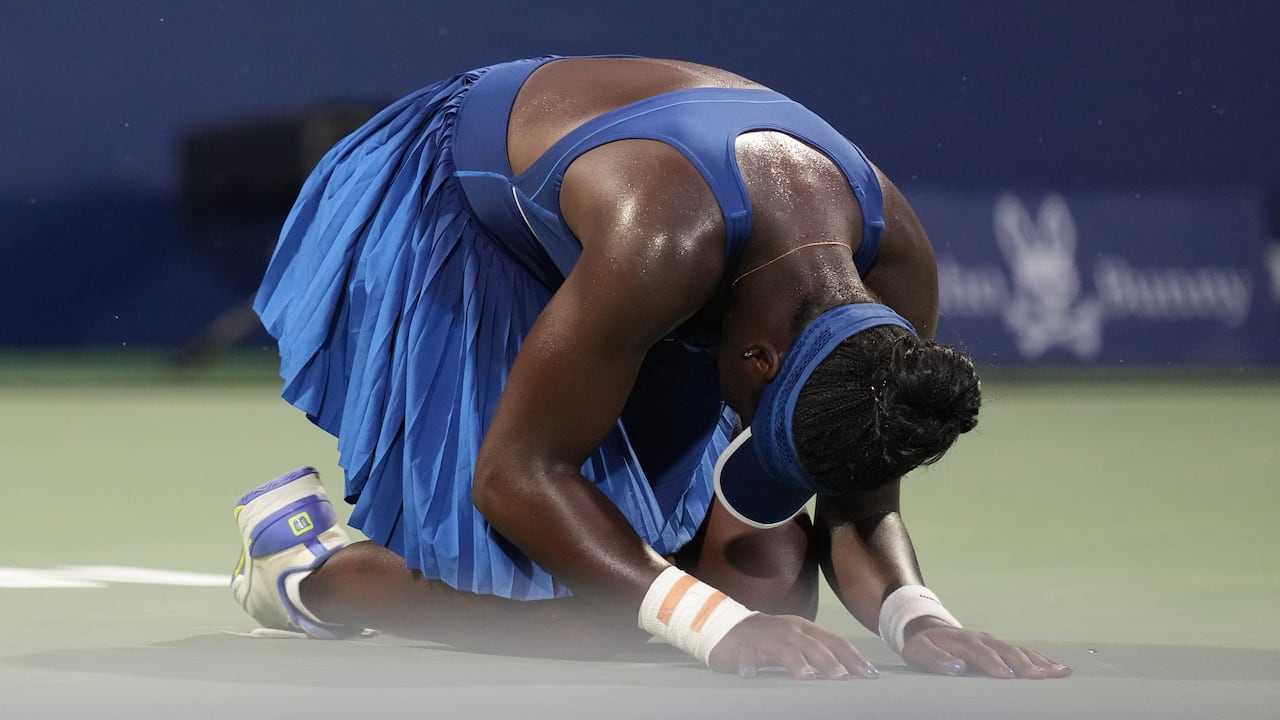
Credit: www.cbc.ca
Frequently Asked Questions
How Does Weather Impact Athletic Performance?
Weather significantly affects athletic performance. High temperatures can lead to dehydration and fatigue, reducing stamina. Cold conditions may stiffen muscles, impacting flexibility and speed. Wind can alter the trajectory of balls, while rain can make surfaces slippery, affecting grip and movement.
Athletes must adapt strategies to cope with weather variations.
Can Humidity Affect Sports Performance?
Humidity can greatly impact sports performance by increasing sweating and dehydration risks. It can also make breathing challenging, especially in endurance sports. High humidity levels can reduce an athlete’s ability to maintain optimal body temperature, leading to quicker fatigue. Proper hydration and acclimatization are crucial in high humidity conditions.
Why Does Altitude Change Athletic Outcomes?
Altitude affects athletic outcomes due to lower oxygen levels at higher elevations. This can lead to quicker exhaustion and reduced endurance. Athletes may experience difficulty in breathing and reduced energy levels. However, altitude training can improve cardiovascular fitness and enhance overall performance once acclimated to lower oxygen environments.
Do Weather Conditions Affect Ball Sports?
Weather conditions significantly impact ball sports. Wind can alter the ball’s trajectory and speed, making accuracy difficult. Rain can make the ball slippery, affecting grip and control. Temperature changes can influence the ball’s bounce and flight. Athletes often adjust strategies and equipment to adapt to varying weather conditions.
Conclusion
Weather plays a crucial role in sports performance. Athletes must adapt to conditions. Heat can cause fatigue and dehydration. Cold weather affects muscles and reaction time. Wind impacts ball trajectory in many sports. Rain makes surfaces slippery, increasing injury risk.
Training in diverse weather helps athletes prepare better. Coaches should plan strategies for various conditions. Understanding weather effects leads to improved performance. Athletes gain an edge by knowing how to handle weather challenges. Stay informed and ready for any forecast.
Weather awareness can make a difference in sports success. Always consider weather as a key factor in performance.