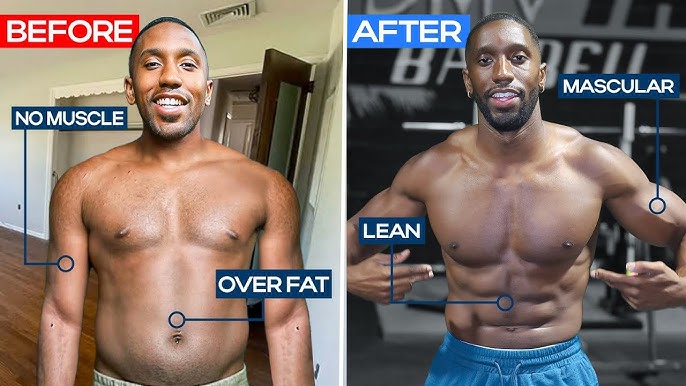
Have you ever wondered if fat could actually help you build muscle? It might seem counterintuitive at first, but understanding the role of fat in your fitness journey could be the missing piece to achieving your goals.
Imagine transforming the way you view dietary fats and unlocking new potential in your workouts and nutrition plan. We’re diving into the surprising connection between fat and muscle growth. You’ll discover how including the right types of fats in your diet can be a powerful ally in your muscle-building endeavors.
Get ready to challenge common misconceptions and learn how to harness the power of fat for a stronger, healthier you. Keep reading to uncover the secrets that could revolutionize your fitness strategy.

Credit: www.facebook.com
Role Of Fat In Muscle Building
Fat plays a crucial role in muscle building. It provides energy and supports hormone production. Understanding its role helps optimize muscle growth effectively. Consuming the right amount of fat can enhance your fitness journey.
Understanding The Energy Source
Fats serve as an energy reserve. During workouts, your body taps into these reserves. This energy supports longer and more intense workouts. It aids in muscle endurance and recovery.
Supporting Hormone Production
Fats are essential for hormone production. Hormones like testosterone are vital for muscle growth. A balanced diet with healthy fats supports optimal hormone levels. This leads to better muscle development.
Types Of Fats To Include
Not all fats are equal. Focus on unsaturated fats like those in avocados and nuts. These fats support heart health and muscle growth. Avoid trans fats and limit saturated fats.
Balance is key in fat consumption. Too much fat can lead to weight gain. Too little can hinder muscle growth and energy levels. Aim for 20-35% of your daily calories from fats.
The Role Of Omega-3 Fatty Acids
Omega-3 fatty acids offer anti-inflammatory benefits. They help reduce muscle soreness and aid recovery. Sources include fish, flaxseeds, and walnuts. Incorporate these into your diet for optimal results.
Types Of Dietary Fats
Understanding the types of dietary fats is essential for anyone looking to build muscle effectively. Not all fats are created equal, and knowing which fats to consume can make a significant difference in your muscle-building journey. Dietary fats play various roles in your body, including providing energy, supporting cell growth, and aiding in nutrient absorption. Let’s dive into the different types of fats and how they can impact muscle growth.
Saturated Fats
Saturated fats are often found in animal products like meat and dairy. While they’ve got a bad rap, they are essential in moderate amounts. They help in hormone production, including testosterone, which is crucial for muscle growth. Including foods like eggs and lean meats can ensure you get enough saturated fats without overdoing it.
Unsaturated Fats
Unsaturated fats are the heroes of healthy eating. Found in foods like avocados, nuts, and olive oil, these fats help reduce inflammation and support heart health. They can aid muscle recovery, making them perfect for post-workout meals. Imagine finishing a workout with a refreshing salad topped with olive oil and nuts; it’s both delicious and beneficial.
Trans Fats
Trans fats are the ones you want to avoid. Found in processed foods, they can negatively affect heart health and slow down muscle recovery. If you often find yourself reaching for packaged snacks, consider healthier alternatives. Choosing whole foods can be a simple switch that benefits your muscle-building goals.
Now, here’s a question for you: Have you ever considered how the type of fat you consume affects your workout results? Reflecting on your dietary choices might just be the key to achieving better muscle growth.
Fat’s Impact On Hormone Production
Fat supports hormone production, which is crucial for muscle growth. Healthy fats aid in testosterone and estrogen creation, boosting muscle-building efforts.
Fat plays a vital role in hormone production. Hormones are crucial for muscle growth and overall health. Consuming healthy fats can support your body’s hormone levels. Healthy fats include olive oil, nuts, and avocados. These fats can influence the production of key hormones.Testosterone And Muscle Growth
Testosterone is a hormone that promotes muscle growth. Higher levels can help increase muscle size and strength. Healthy fats contribute to testosterone production. Monounsaturated fats are particularly beneficial. These fats improve testosterone levels naturally. Consuming adequate fats may support muscle-building efforts. Balanced fat intake helps maintain optimal testosterone levels.Estrogen Balance
Estrogen balance is important for both men and women. High estrogen levels can hinder muscle growth. Healthy fats can help regulate estrogen levels. Omega-3 fatty acids are effective in balancing estrogen. These fats are found in fish and flaxseeds. Keeping estrogen levels in check aids muscle development. Proper fat intake supports hormone balance.
Credit: rodandac.sg
Energy Source For Workouts
Fat plays an important role in workout energy. It provides a lasting fuel source, essential for prolonged activity. While carbohydrates are a quick energy source, fat offers steady support. This balance is crucial during different exercise phases.
Fat As A Fuel Source
Fat serves as a key energy reserve for the body. During low to moderate intensity workouts, it becomes the main energy source. The body breaks down fat into fatty acids. These acids are then used by muscles for energy. This process helps conserve glycogen, another energy source. By preserving glycogen, fat ensures sustained energy for longer sessions.
Benefits For Endurance
Fat’s energy contribution is vital for endurance athletes. Long-distance runners and cyclists benefit from fat’s slow-burning properties. It allows them to maintain energy over extended periods. Relying on fat reduces the risk of early fatigue. It also supports recovery by sparing muscle glycogen stores.
Fat’s Role In Recovery
Fat often gets a bad rap, but when it comes to muscle recovery, it plays a crucial role. You may have heard the phrase “good fats,” and these are essential for helping your body bounce back after intense workouts. Let’s delve into how fat aids your recovery process, focusing on inflammation reduction and muscle repair.
Inflammation Reduction
After a strenuous workout, your muscles may experience inflammation, which can lead to soreness. Consuming healthy fats, like omega-3 fatty acids found in fish and flaxseeds, can help mitigate this inflammation. They act as natural anti-inflammatories, allowing your body to recover more quickly.
Imagine finishing a tough workout and waking up the next day with minimal soreness. That’s the magic of including healthy fats in your diet. Not only do they reduce inflammation, but they also enhance your overall recovery experience.
Muscle Repair
Fat plays a significant role in muscle repair. It provides essential nutrients that support the repair and growth of muscle tissue. Without adequate fat intake, you might find your recovery slower and less effective.
Think about the foods you consume post-workout. Are they rich in healthy fats? Foods like avocados and nuts can be your secret weapon in muscle repair. They offer the right nutrients your muscles need to rebuild and strengthen.
Ask yourself: Are you giving your body the tools it needs to repair efficiently? Adding healthy fats could be the missing piece in your recovery puzzle.
Balancing Fat Intake
Fat plays a crucial role in muscle building by providing energy and supporting hormone production. Consuming healthy fats can enhance muscle growth and repair, while aiding nutrient absorption. Balancing fat intake is essential for optimizing workout performance and maintaining overall health.
Balancing fat intake is crucial for those looking to build muscle effectively. While proteins and carbs often steal the spotlight in muscle-building discussions, fats play a significant role too. They provide energy, support hormone production, and aid in the absorption of vitamins. However, the key is to consume the right type and amount of fat to support your fitness goals without unwanted weight gain.Recommended Daily Intake
To optimize muscle growth, aim for fats to make up about 20-35% of your daily caloric intake. This range ensures you have enough energy while supporting metabolic functions. If you’re consuming 2,500 calories a day, this translates to roughly 500 to 875 calories from fat. Calculating your ideal intake might seem tricky, but it’s simpler than it looks. Use online calculators or mobile apps that consider your age, weight, and activity level. Adjust as necessary if you’re not seeing the muscle gains you desire.Healthy Fat Sources
Choosing the right sources of fat is essential. Prioritize unsaturated fats found in foods like avocados, nuts, and olive oil. These not only support muscle building but also promote heart health. Incorporate omega-3 fatty acids, which you can find in fatty fish such as salmon and tuna. These fats have anti-inflammatory properties, which can help reduce muscle soreness after workouts. Avoid trans fats and limit saturated fats, often found in processed foods and red meats. While indulging occasionally is okay, regular consumption can hinder your muscle-building progress. Have you ever noticed how a diet rich in healthy fats affects your workout energy levels? Sometimes, a small change in diet can lead to surprising improvements in performance.Common Myths About Fat And Muscle
Some people believe fat directly turns into muscle, but that’s not true. Fat and muscle are different tissues. Fat provides energy, which can support muscle growth when combined with exercise and protein intake.
Understanding the relationship between fat and muscle can feel like navigating a labyrinth of myths and misconceptions. Many believe that fat and muscle are direct enemies in the body, but the truth is more nuanced. Let’s break down some common myths to clear the confusion and help you make informed decisions for your fitness journey.Myth 1: Fat And Muscle Are The Same Thing
One of the most persistent myths is that fat can turn into muscle and vice versa. This is physiologically impossible. Fat and muscle are two different types of tissue with distinct roles. Fat is stored energy, while muscle is active tissue that helps with movement. You can burn fat and build muscle simultaneously, but one does not transform into the other.Myth 2: Eating Fat Makes You Fat
Many people avoid fat, fearing it will lead to weight gain. However, dietary fat is essential for hormone production, including those that aid muscle growth. Healthy fats like avocados, nuts, and olive oil can support muscle building by providing necessary nutrients and energy. Balance is key—consume fats in moderation as part of a balanced diet.Myth 3: Only Protein Builds Muscle
Protein is crucial for muscle growth, but fat also plays a role. Fats provide the energy needed for intense workouts and recovery. Without sufficient fat, your body may struggle to perform optimally, affecting muscle growth. Incorporate a variety of fats to ensure you have the energy to fuel your workouts.Myth 4: Low-fat Diets Are Best For Muscle Building
Low-fat diets have been popularized as a way to stay lean, but they can be detrimental to muscle building. Fat is vital for absorbing fat-soluble vitamins and maintaining hormonal balance. A diet too low in fat might hinder muscle growth and overall health. Focus on healthy fats to support your body’s needs.Myth 5: More Fat Equals More Muscle
Some believe that consuming more fat will automatically lead to more muscle. This is not true. While fats are crucial, they must be part of a balanced diet alongside proteins and carbohydrates. Too much fat can lead to weight gain without the desired muscle growth. Monitor your fat intake to ensure it complements your fitness goals. Understanding these myths helps in making smarter choices about your diet and exercise. What myths have you believed before, and how have they affected your fitness journey?
Credit: macrosinc.net
Practical Tips For Incorporating Fats
Consuming healthy fats can support muscle growth by providing energy and aiding in hormone production. Incorporate sources like avocados, nuts, and olive oil for balanced nutrition. These fats contribute to satiety and nutrient absorption, enhancing overall fitness.
Incorporating fats into your diet can support muscle building. Fats provide energy and help absorb essential vitamins. Balancing fat intake is crucial for optimal muscle growth. Here are some practical tips to incorporate fats effectively.Meal Planning
Plan meals with a variety of healthy fats. Include foods like avocados, nuts, and seeds. Use olive oil or coconut oil for cooking. Add fatty fish like salmon or tuna to your weekly menu. These foods offer essential fatty acids that aid muscle development.Supplement Considerations
Consider supplements if dietary fats are insufficient. Omega-3 capsules can be a convenient option. Consult a healthcare professional before starting any supplement. Ensure it complements your overall diet and fitness goals.Frequently Asked Questions
Can Fat Intake Aid In Muscle Growth?
Yes, fat plays a role in muscle growth. Healthy fats provide energy and support hormone production, essential for muscle development. Including sources like avocados and nuts in your diet helps maintain overall health, aiding muscle building. Balance with proteins and carbs for optimal results.
Is Dietary Fat Essential For Muscle Building?
Dietary fat is crucial for muscle building. It supports energy levels and hormone balance, which are vital for muscle growth. Consuming healthy fats like olive oil and fish ensures your body functions optimally, helping muscle development alongside proteins and carbohydrates.
How Does Fat Influence Muscle Recovery?
Fat influences muscle recovery by providing energy and supporting hormone production. Adequate fat intake helps reduce inflammation, promoting quicker muscle repair. Including sources like omega-3 fatty acids in your diet can enhance recovery and improve overall muscle health.
What Types Of Fat Benefit Muscle Growth?
Unsaturated fats, like those in avocados, nuts, and fish, benefit muscle growth. They provide energy and support hormone balance, essential for muscle development. Incorporating these healthy fats into your diet improves overall health, aiding muscle building and recovery.
Conclusion
Fat plays a role in building muscle. It provides energy for workouts. Healthy fats support hormone production. Hormones like testosterone help muscle growth. Not all fats are equal. Choose healthy options like nuts and avocados. Balance is key. Combine fats with proteins and carbs.
This supports overall health and muscle development. Monitor your intake. Too much fat can lead to unwanted weight. Proper diet and exercise are crucial. They work together for muscle gain. Consult a nutritionist for personalized advice. Understanding this helps achieve fitness goals.
Stay informed and make smart choices.