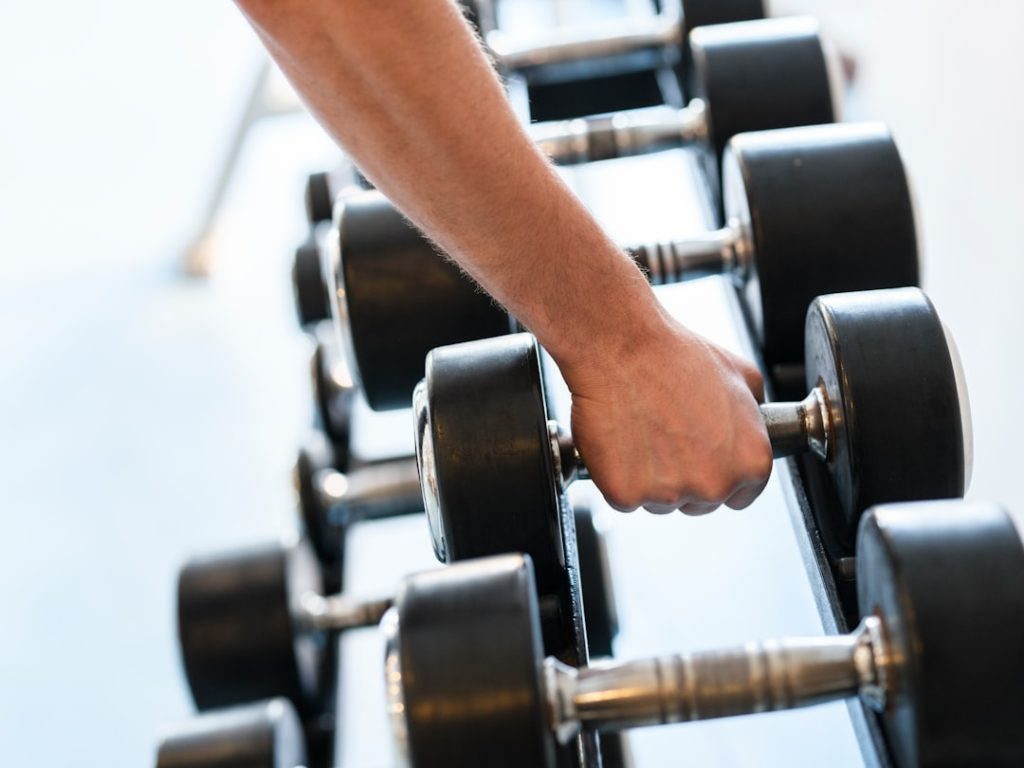
You’ve just crushed a workout at the gym, and while you might be feeling accomplished, there’s a good chance your muscles are sending you a different message. Muscle pain after a workout is a common experience, but it doesn’t have to be a painful one.
You’re not alone in wanting to enjoy the fruits of your hard work without the discomfort that sometimes follows. Imagine waking up without that dreaded soreness, ready to take on your day with energy and enthusiasm. You’ll discover simple, effective strategies to reduce muscle pain and enhance your recovery, so you can keep moving towards your fitness goals with ease.
Ready to transform your post-gym routine into a more comfortable and rewarding experience? Let’s dive in.
Understanding Muscle Pain
Reducing muscle pain after a gym workout involves effective cooling down and proper hydration. Stretching muscles gently and taking rest can also help alleviate discomfort.
Understanding Muscle Pain After pushing your limits at the gym, muscle pain can feel like a badge of honor. It signifies the effort and progress in your fitness journey. But understanding why your muscles ache can help you manage and reduce the discomfort effectively.Causes Of Muscle Soreness
Muscle soreness, often referred to as delayed onset muscle soreness (DOMS), is a common experience after a workout. It usually occurs when you engage in new or intense physical activities. The microscopic damage to muscle fibers during exercise is the primary culprit. This damage prompts inflammation and muscle repair, which can lead to the familiar pain or stiffness you feel. Have you ever wondered why climbing stairs feels tougher after leg day? It’s because the repair process is actively working to strengthen your muscles.Types Of Muscle Pain
Muscle pain can vary in intensity and duration. There are two main types you might encounter:- Acute Muscle Pain:This occurs during or immediately after a workout. It’s typically sharp and subsides quickly, often linked to overexertion or sudden movements.
- Delayed Onset Muscle Soreness (DOMS):This type appears 24 to 72 hours post-exercise. It’s more of a dull, persistent ache, common after trying new exercises or increasing workout intensity.

Credit: getmymettle.com
Immediate Post-workout Strategies
Soothe sore muscles with a cool-down routine and gentle stretching after workouts. Hydrate well to aid recovery and reduce pain. Consuming a protein-rich snack helps repair muscle tissue efficiently.
After an intense gym session, muscle pain can be a challenge. Immediate post-workout strategies help reduce this discomfort. These strategies can support faster recovery. Let’s explore some effective methods.Importance Of Cool Down
Cooling down helps your body transition from exercise to rest. It gradually lowers your heart rate. This process aids in preventing dizziness and stiffness. Spend at least five minutes on a gentle walk. This helps your muscles relax.Stretching Techniques
Stretching improves flexibility and reduces muscle tension. Focus on major muscle groups you worked. Hold each stretch for 15-30 seconds. Do not bounce; stretch gently. This prevents injury and enhances relaxation.Hydration And Nutrition
Hydration is key for muscle recovery. Water helps flush out toxins. Drink plenty of water post-exercise. Eating the right foods supports muscle repair. Include protein and carbohydrates in your meal. Protein helps rebuild muscles. Carbs replenish energy stores.Effective Recovery Methods
Stretching helps ease muscle tension post-workout. Cold packs can reduce inflammation and soothe pain. Hydration supports muscle recovery and repair.
After an intense gym workout, muscle pain can sometimes feel inevitable. But the good news is, there are several effective recovery methods that can help you alleviate this discomfort and get back to your fitness routine quicker. Whether you’re a seasoned athlete or a gym newbie, integrating these recovery techniques into your post-workout ritual can make all the difference in how you feel and perform.Rest And Sleep Essentials
Rest is your body’s natural way of repairing itself. Ensuring you get enough sleep each night allows your muscles to recover and grow stronger. Try aiming for 7-9 hours of quality sleep to give your body the downtime it needs. Consider creating a relaxing bedtime routine to improve your sleep quality. This could include activities like reading or listening to soothing music. Is your bedroom environment conducive to rest? A dark, quiet room can enhance your sleep experience, helping you wake up refreshed and pain-free.Massage And Foam Rolling
Massage and foam rolling can work wonders on sore muscles. They help increase blood flow and reduce inflammation, speeding up recovery. You might find a brief session of foam rolling right after your workout to be incredibly beneficial. Focus on rolling slowly over the sore spots, pausing on areas that feel tender. A professional massage can also be a great way to relieve muscle tension. Have you tried scheduling regular massages as part of your recovery plan? This small investment could lead to big gains in your fitness journey.Cold And Heat Therapy
Cold and heat therapy are powerful tools in your recovery toolbox. Applying ice packs to sore muscles can reduce swelling and numb pain. It’s particularly effective right after your workout when inflammation is at its peak. On the other hand, heat therapy can relax and loosen tissues, enhancing blood flow. Perhaps you’ve experienced the soothing effects of a warm bath after a tough workout. Alternating between cold and heat therapy might just be the secret weapon against muscle pain, allowing you to customize your approach based on your body’s needs. Are you actively using these recovery methods, or is there one you’ve been overlooking?
Credit: www.thefitnessgrp.co.uk
Preventive Measures For Future Workouts
Stay hydrated and stretch before and after workouts to ease muscle pain. Incorporate rest days into your routine.
Preventive measures are crucial for minimizing muscle pain after workouts. By adopting the right practices, you can enhance your performance and reduce discomfort. Let’s explore some strategies to make your future gym sessions more enjoyable and less painful.Proper Warm-up Routines
A well-structured warm-up is essential before diving into intense exercises. Skipping this step is like starting a car without warming the engine. It prepares your muscles, increases blood flow, and reduces the risk of injuries. Consider dynamic stretches like leg swings or arm circles to kickstart your session. These movements gently prepare your muscles for the workout ahead. Devote at least 10 minutes to ensure your body is ready for action.Balanced Workout Plans
A balanced workout plan is your roadmap to success and comfort. It ensures you’re not overworking specific muscle groups, which can lead to pain and injuries. Mix up your routine with a blend of cardio, strength training, and flexibility exercises. This approach not only promotes muscle recovery but also keeps your workouts interesting. Are you spreading your exercises evenly across the week?Listening To Your Body
Your body communicates with you. Pay attention to its signals during workouts. Ignoring discomfort can lead to prolonged pain and setbacks. If something feels off, it’s crucial to stop and reassess. Pushing through pain isn’t a badge of honor—it’s a recipe for injury. Trust your instincts and modify exercises if necessary. Implementing these preventive measures can transform your workout experience. It’s about working smarter, not harder, to achieve your fitness goals. How will you adjust your routine to prioritize your well-being?Natural Remedies For Muscle Pain
Muscle pain after a workout is common. Natural remedies can help ease this discomfort. They offer gentle relief without harsh chemicals. Let’s explore some effective natural solutions.
Herbal Supplements
Herbs can soothe muscle pain. Turmeric is well-known for its anti-inflammatory properties. It helps reduce swelling and pain. Ginger is another great option. It improves blood circulation, speeding up recovery. Always consult a doctor before starting supplements.
Essential Oils
Essential oils can provide quick relief. Lavender oil is calming and reduces tension. Peppermint oil cools the skin and eases pain. Add a few drops to a carrier oil. Massage gently onto sore muscles. This can enhance relaxation and healing.
Dietary Changes
What you eat impacts muscle recovery. Include more protein in your meals. It repairs muscle tissue. Omega-3 fatty acids reduce inflammation. You can find them in fish like salmon. Stay hydrated, as water flushes out toxins and supports muscle function.
When To Seek Professional Help
Persistent muscle pain after workouts may require professional help. Consult a specialist if pain persists beyond a week or affects daily activities. Early intervention can prevent serious injuries and improve recovery.
When to Seek Professional Help Experiencing muscle pain after a workout is common, but when should you really worry? While most aches and pains can be managed with simple home remedies, there are times when professional intervention is necessary. Knowing when to consult a specialist can make all the difference in your recovery and overall health.Signs Of Severe Muscle Damage
Some muscle pain is a natural part of the growth process, but severe symptoms shouldn’t be ignored. If your muscle pain is accompanied by intense swelling, bruising, or a sharp, stabbing sensation, it might be more than just typical post-workout soreness. Persistent pain that doesn’t improve with rest, ice, or over-the-counter pain relievers could signal a more serious issue. Have you noticed muscle weakness or difficulty moving the affected area? These are red flags that warrant a closer look.Consulting A Specialist
Choosing to consult a specialist can feel daunting, but it’s crucial for your recovery. Professionals like physiotherapists, sports medicine doctors, or orthopedic specialists have the expertise to properly diagnose and treat muscle injuries. During my training for a marathon, I faced severe calf pain that persisted despite my usual recovery routine. A quick visit to a physiotherapist revealed a minor tear that needed specific treatment. This intervention not only sped up my recovery but also prevented further injury. Are you unsure if your muscle pain requires professional help? Trust your instincts and prioritize your well-being by reaching out to a specialist. Investing in professional guidance can prevent long-term damage and ensure you stay on track with your fitness goals.
Credit: www.facebook.com
Frequently Asked Questions
How To Quickly Relieve Muscle Pain?
To quickly relieve muscle pain, apply ice to reduce inflammation, followed by heat to improve blood flow. Stretching and gentle massages can help relax the muscles. Hydration and over-the-counter pain relief medications, such as ibuprofen, can also be effective. Resting the affected area is important for recovery.
What Foods Reduce Muscle Soreness?
Foods rich in antioxidants and anti-inflammatory properties, like berries, nuts, and leafy greens, help reduce muscle soreness. Omega-3 fatty acids found in fish can also aid recovery. Protein-rich foods such as lean meats and legumes repair muscle tissue. Staying hydrated with water and electrolytes is crucial.
Can Stretching Prevent Muscle Pain?
Yes, stretching can prevent muscle pain by improving flexibility and blood circulation. Stretching before and after workouts reduces the risk of injury. It helps muscles warm up and cool down effectively. Incorporating dynamic stretches in your routine can enhance performance and minimize post-workout soreness.
Is Massage Effective For Muscle Recovery?
Massage is effective for muscle recovery as it enhances blood flow and reduces tension. It helps eliminate waste products from muscles. Regular massage sessions can decrease muscle stiffness and improve flexibility. Choose a professional massage therapist for targeted relief and optimal recovery results.
Conclusion
Muscle pain can be managed with simple steps. Stretching helps ease tension. Hydration supports recovery. Eating protein aids muscle repair. Warm baths soothe soreness. Rest is vital for healing. Listen to your body. If pain persists, consult a doctor. Regular practice builds resilience.
Gradually increase workout intensity. Caring for muscles prevents pain. Stay consistent with routines. Enjoy a pain-free fitness journey. Fitness should feel rewarding. Make recovery a priority. Feel stronger, not sore. Embrace these tips for better workouts. Healthy habits lead to better results.
Keep pushing forward, but always gently.