Are you curious about whether a rowing machine can help you build muscle? You’re not alone.
Many fitness enthusiasts and beginners alike wonder if this versatile piece of equipment can offer more than just a cardiovascular workout. With so many options available in the gym, it’s essential to understand what each can do for your body and fitness goals.
Imagine transforming your physique with just one machine. Sounds intriguing, right? We’ll dive into how rowing machines work, the muscles they target, and how they can fit into your fitness routine. Stick around to discover if this could be the game-changer you’ve been searching for in your muscle-building journey.
Rowing Machine Basics
Rowing machines are popular fitness tools. They offer a full-body workout. Using a rowing machine engages multiple muscle groups. You push with your legs, pull with your arms, and stabilize with your core. This makes rowing an efficient exercise for building muscle. It also improves cardiovascular health. Understanding the basics of rowing machines helps you maximize benefits. You can make informed choices about your workout equipment.
How Rowing Machines Work
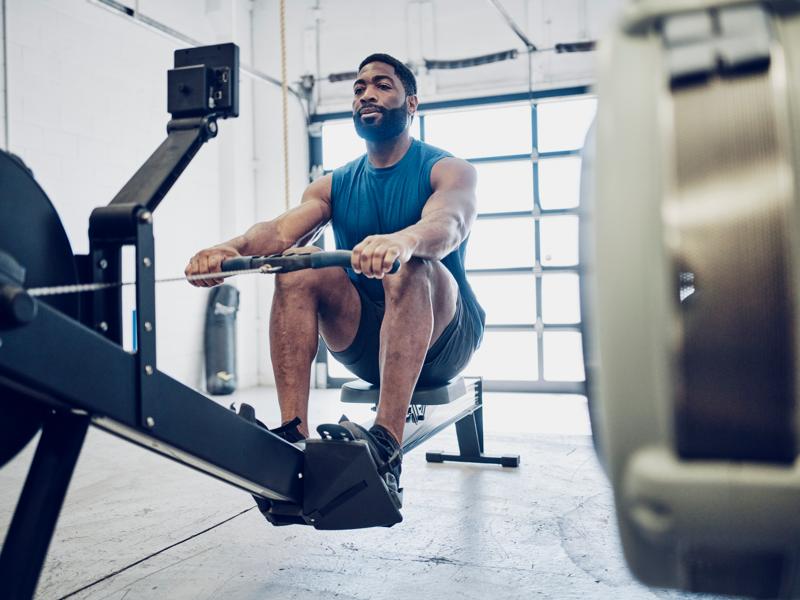
Rowing machines simulate the motion of rowing a boat. They combine resistance with a smooth, rhythmic motion. You sit on a sliding seat. Your feet are secured on footplates. You pull a handle connected to a resistance mechanism. This mechanism provides the workout’s intensity. The resistance can be adjusted. This allows for different levels of difficulty. The movement works your legs, arms, and core. It mimics the rowing action without water.
Types Of Rowing Machines
Different types of rowing machines exist. Each offers unique benefits and features. Here are the common types:
- Air Rowers:They use a fan to create resistance. The harder you row, the more resistance you feel.
- Magnetic Rowers:They use magnets for resistance. They offer a quieter workout experience.
- Water Rowers:They use water to create resistance. They mimic real rowing with a smooth feel.
- Hydraulic Rowers:They use pistons for resistance. They are compact and easy to store.
Choosing the right type depends on your needs. Consider space, budget, and workout preferences. Each type provides a unique rowing experience. Knowing these basics helps you choose wisely. It ensures effective muscle-building workouts. Remember, consistency is key in achieving results.

Credit: www.tousains.com
Muscle Groups Targeted
Rowing machines are a fantastic tool for building muscle. They engage several muscle groups simultaneously. This makes them an efficient workout option. Understanding which muscles are targeted can help maximize your efforts. Let’s explore the muscle groups activated during rowing.
Upper Body Engagement
Rowing significantly engages the upper body. Each stroke works the arms, shoulders, and back. The pulling motion strengthens the biceps and triceps. It also activates the deltoids and trapezius muscles. The repetitive motion helps in toning and building endurance. Your grip strength improves as well.
Lower Body Activation
The lower body plays a crucial role in rowing. The legs provide the power behind each stroke. This movement targets the quadriceps, hamstrings, and calves. Glutes are also engaged, enhancing lower body strength. The push-off motion activates these muscles effectively. Regular rowing can result in toned and strong legs.
Core Strength Benefits
Core engagement is essential in rowing. The core stabilizes the body during each stroke. This involves the abdominal and oblique muscles. A strong core supports better posture and balance. Rowing helps develop core endurance and strength. It also aids in reducing back pain through improved stability.
Comparing Rowing With Other Exercises
When it comes to building muscle, choosing the right exercise can make all the difference. Rowing machines have gained popularity for their full-body workout potential, but how do they stack up against other forms of exercise? Let’s take a closer look at how rowing compares to weightlifting and cardio workouts, and see where it might fit into your fitness routine.
Rowing Vs. Weightlifting
Weightlifting is often the go-to exercise for those looking to bulk up. It focuses on isolating muscle groups and increasing muscle mass through resistance. Rowing, on the other hand, offers a full-body workout that targets multiple muscles simultaneously.
While weightlifting allows for controlled muscle growth, rowing builds endurance and strength by engaging your legs, core, and arms in a single stroke. Both workouts have their place in a balanced fitness regimen. If you’re seeking muscle definition with added cardiovascular benefits, incorporating rowing might be your best bet.
Rowing Vs. Cardio Workouts
Cardio workouts like running and cycling are excellent for heart health and burning calories. Yet, they often lack the muscle-building component that rowing provides. Rowing machines offer a unique blend of cardio and strength training.
Unlike traditional cardio, rowing requires significant muscle engagement, leading to increased muscle tone. It challenges your cardiovascular system while also pushing your muscles to grow. So, if you’re looking for a workout that builds muscle while improving endurance, rowing could be the perfect solution.
Have you tried incorporating rowing into your exercise routine? Consider how it might complement your current workouts and help you achieve your fitness goals. The versatility of a rowing machine might just surprise you with its muscle-building power.
Rowing Machine For Muscle Building
Rowing machines are often associated with cardiovascular workouts, but they can also be powerful tools for muscle building. By engaging multiple muscle groups simultaneously, rowing machines offer a comprehensive full-body workout. Whether you’re looking to add mass or tone your muscles, understanding how to effectively use a rowing machine for muscle building can transform your fitness routine.
Potential For Hypertrophy
Rowing machines provide a unique opportunity for hypertrophy, which is the enlargement of muscle fibers. The continuous pulling motion works your arms, shoulders, back, and even your legs. Each stroke targets these areas, making it possible to build strength and size over time.
Consider increasing the number of strokes per minute to enhance muscle growth. More strokes mean more repetitive tension, a key factor in hypertrophy. Are you ready to embrace this efficient way of building muscle?
Intensity And Resistance Training
Adjusting the resistance on a rowing machine can change the intensity of your workout. Higher resistance levels demand more power, engaging muscles more deeply and effectively. This resistance training is crucial for muscle building, as it helps in breaking down muscle fibers, prompting them to grow back stronger.
Intensity can be varied by altering your speed and stroke power. Try interval training by combining short bursts of high intensity with longer periods of steady rowing. How can you challenge your current limits to achieve optimal muscle growth?
Incorporate these strategies into your routine to harness the full muscle-building potential of a rowing machine. Consistency and dedication will steer you towards noticeable results. Ready to power up your workouts and build those muscles?
Incorporating Rowing Into Fitness Routine
Incorporating a rowing machine into your fitness routine can enhance muscle building. It provides a full-body workout, engaging multiple muscle groups. With consistent practice, rowing can help increase strength and endurance. It’s essential to combine rowing with other exercises for a balanced routine. Doing so ensures all muscle groups get equal attention.
Balancing Rowing With Other Exercises
Rowing alone may not target every muscle effectively. Complement rowing with strength exercises like squats and lunges. This approach helps in building both upper and lower body strength. Include push-ups and pull-ups to engage different muscles. Balance is key to a well-rounded fitness regimen.
Creating A Muscle-building Plan
Start with setting clear fitness goals. Decide which muscles you want to target. Plan your workouts around these goals. Include rowing sessions and strength exercises weekly. Ensure rest days for muscle recovery. This helps in preventing overtraining and injury. Track your progress and adjust your plan as needed.
Expert Opinions
Rowing machines can effectively build muscle by engaging major muscle groups. Experts highlight their role in strengthening arms, legs, and core. Regular use enhances muscle endurance and tone, making rowing a valuable tool for fitness enthusiasts.
When thinking about building muscle, many people immediately picture weightlifting in a gym. However, rowing machines are gaining popularity as a powerful tool for muscle development. The question remains: do they really work? Let’s dive into what the experts have to say.Trainers’ Insights
Personal trainers often highlight the rowing machine’s effectiveness in building muscle. They emphasize its ability to engage multiple muscle groups simultaneously. With each stroke, you work your arms, legs, back, and core. One trainer shared a story about a client who switched to rowing from traditional gym routines. In just a few weeks, the client noticed increased muscle tone, particularly in the upper body. This holistic approach to muscle building is what makes rowing so appealing. Trainers also appreciate the low-impact nature of rowing. It minimizes the risk of injury while still challenging your muscles. This makes it an excellent option for those looking to build strength without the wear and tear of heavy weights.Athletes’ Experiences
Athletes often turn to rowing machines to enhance their performance. They find it incredibly effective for building endurance and muscle at the same time. A professional rower noted how the machine helped improve their back strength significantly. Consider the case of a cyclist who incorporated rowing into their routine. They noticed a marked improvement in their leg strength, which translated to better cycling performance. Rowing machines offer a unique way to target muscles that might otherwise be neglected. For athletes, the rowing machine is more than just a piece of equipment; it’s a versatile tool that supports their entire fitness journey. Could this be the missing piece in your muscle-building routine? Rowing machines clearly have the endorsement of those who know best. Are you ready to row your way to stronger muscles?Common Misconceptions
When you think of rowing machines, you might imagine a sleek piece of equipment that promises a full-body workout. But will it really build muscle? There are common misconceptions about rowing machines and their ability to develop muscle. Let’s explore these misconceptions and set the record straight.
Rowing As Sole Muscle Builder
Some people believe that a rowing machine can be your only tool for muscle building. However, rowing machines are primarily designed for cardiovascular workouts. They are fantastic for burning calories and improving endurance, but they are not the ultimate solution for muscle growth.
If you’ve ever spent time on a rowing machine, you might have noticed the intense engagement of your back, legs, and arms. While these muscles are worked, the resistance isn’t usually high enough to stimulate muscle growth like weightlifting does. Supplementing rowing with strength training can lead to more balanced muscle development.
Expectations Vs. Reality
Many expect to see rapid muscle gain from rowing, but reality often tells a different story. Rowing does enhance muscle endurance and offers a toned look, but significant muscle gain requires resistance training. Think about your fitness goals and the role rowing plays in them.
Imagine expecting bulging biceps from rowing alone. You might be disappointed. However, using a rowing machine to complement a diverse workout routine can enhance muscle tone and overall fitness.
Have you ever considered how rowing fits into your broader fitness plan? Understanding its strengths and limitations can help you use it more effectively. Embrace rowing for cardiovascular health and muscle endurance, but look beyond it for muscle building.
Credit: www.onepeloton.com
Tips For Effective Rowing Workouts
Rowing machines can help build muscle by targeting multiple groups like legs, arms, and core. Consistent workouts improve strength and endurance, aiding muscle growth over time. Adjust resistance levels to enhance muscle-building results effectively.
If you’re wondering whether a rowing machine can help you build muscle, the answer is a resounding yes. However, like any workout equipment, the effectiveness of your muscle-building efforts depends on how you use it. Here are some tips to make the most out of your rowing workouts and maximize muscle gain.Proper Form And Technique
Maintaining proper form is crucial in any workout, and rowing is no exception. Start by sitting tall with your shoulders relaxed and your core engaged. Push off with your legs first, keeping your arms straight, then pull the handle to your chest. This sequence ensures you’re using the correct muscles, primarily your legs, core, and back. Avoid hunching your shoulders or overextending your back. A simple tip is to imagine your body as a spring, coiling and uncoiling in a fluid motion. Practicing proper form minimizes the risk of injury and enhances muscle activation.Maximizing Muscle Gain
To build muscle, focus on resistance and intensity. Increase the resistance level on your rowing machine to challenge your muscles more. Incorporate interval training by alternating between high-intensity bursts and moderate rowing. This variation not only boosts your cardiovascular fitness but also improves muscular endurance. Consistency is key. Aim for at least three to four rowing sessions per week. Each session should last about 20-30 minutes, depending on your fitness level and goals. Have you ever noticed how your muscles feel tighter after a good workout? That’s a sign you’re on the right track. Adjust your routine based on how your body feels and recovers. By following these tips, you can effectively use a rowing machine to build muscle and improve overall fitness. What adjustments will you make in your next rowing session?
Credit: mrtreadmill.com.au
Frequently Asked Questions
Can Rowing Machines Help Build Muscle?
Yes, rowing machines can help build muscle by engaging multiple muscle groups. They primarily target the back, shoulders, and arms. Regular rowing sessions contribute to muscle growth, improving overall strength. Consistent use paired with a balanced diet enhances muscle-building results.
What Muscles Do Rowing Machines Target?
Rowing machines primarily target the upper body muscles, including the back, shoulders, and arms. They also engage the lower body, working the legs and core. This full-body workout boosts muscle tone and endurance, offering comprehensive fitness benefits.
How Often Should I Row To Build Muscle?
Rowing three to five times a week is effective for muscle building. Consistency ensures optimal results, contributing to muscle growth and strength. Pairing rowing with a balanced diet and adequate rest supports muscle development and overall fitness.
Is Rowing Better Than Weightlifting For Muscle?
Rowing is a full-body workout, while weightlifting targets specific muscles. Rowing builds endurance and tones muscles, while weightlifting enhances muscle size and strength. Combining both can offer balanced muscle development and fitness improvement.
Conclusion
Rowing machines can help build muscle effectively. They engage multiple muscle groups. Arms, legs, and core benefit from regular rowing. Consistent workouts lead to muscle growth. Rowing also boosts endurance and cardiovascular health. It offers a full-body workout in one session.
You can adjust resistance for more intensity. It’s low-impact, reducing risk of injury. Perfect for all fitness levels. Remember to maintain proper form. This ensures safety and effectiveness. Regular rowing can complement other exercises. It’s a versatile addition to any fitness routine.
Keep rowing for muscle development and better health.