Have you ever watched in awe as someone effortlessly stretches into a yoga pose, wishing you could do the same? If you’re looking to boost your flexibility, you’re not alone.
Many people turn to yoga to enhance their range of motion and improve their overall well-being. But with so many styles of yoga out there, how do you know which one is right for increasing your flexibility? Whether you’re a beginner or a seasoned practitioner, finding the perfect yoga style can transform your practice and unlock your body’s potential.
Imagine bending and stretching with ease, feeling the tension melt away as you flow through each pose. We’ll explore the best types of yoga for flexibility, guiding you to the practice that fits your needs. Ready to discover the yoga style that will take your flexibility to the next level? Let’s dive in!
Hatha Yoga
Hatha Yoga focuses on slow and gentle movements, making it ideal for improving flexibility. It combines poses and breathing techniques to stretch muscles and increase range of motion.
Hatha Yoga is a gentle and accessible form of yoga that emphasizes balance between the mind and body. It is often recommended for beginners due to its slower pace and focus on foundational poses. If you’re looking to enhance your flexibility, Hatha Yoga offers a supportive environment that encourages gradual improvement and mindfulness.Benefits For Flexibility
Hatha Yoga is particularly beneficial for increasing flexibility. It allows you to hold poses for extended periods, which gently stretches your muscles and improves range of motion. Over time, this practice can lead to noticeable improvements in your flexibility. Holding poses gives your muscles time to relax and stretch. This not only enhances flexibility but also helps in reducing stiffness. Have you noticed how a good stretch can make you feel more relaxed and agile? Practicing Hatha Yoga regularly can lead to a more flexible body, making everyday activities easier. Whether you’re reaching for something on a high shelf or bending down to tie your shoes, enhanced flexibility can make these movements smoother and more comfortable.Common Poses
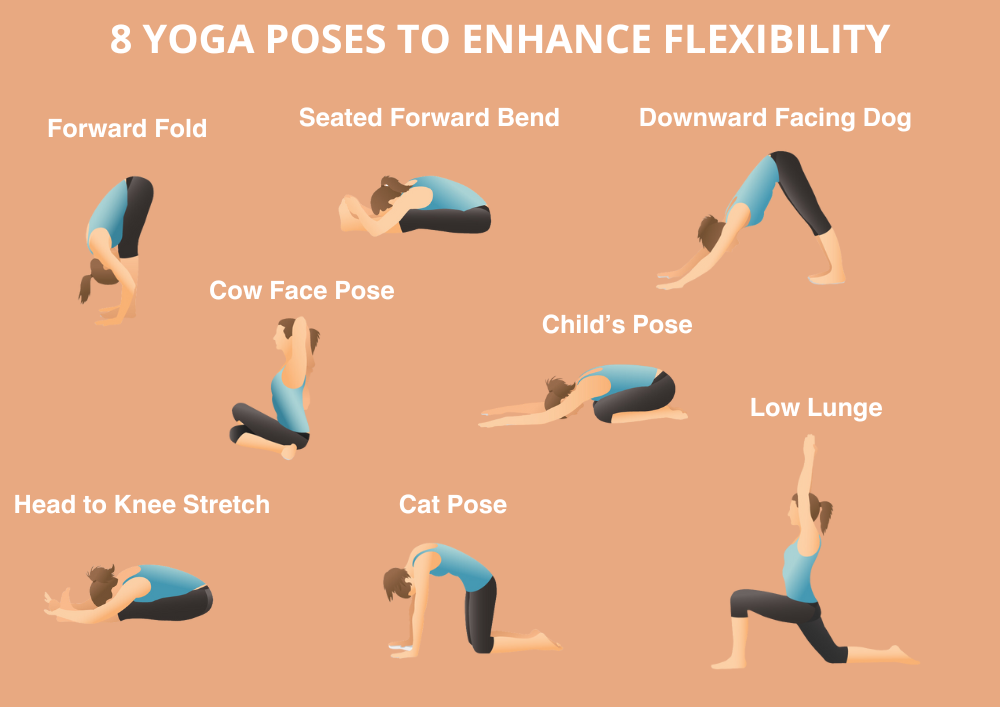
Hatha Yoga includes a variety of poses that target different muscle groups to improve flexibility.- Forward Bend (Uttanasana):This pose stretches the hamstrings and calves, offering a deep stretch for the back of your body.
- Cat-Cow Stretch (Marjaryasana-Bitilasana):A gentle flow that increases flexibility in the spine and neck.
- Downward-Facing Dog (Adho Mukha Svanasana):This pose lengthens the spine and stretches the shoulders, calves, and hamstrings.
- Triangle Pose (Trikonasana):It stretches the legs, groin, and hips while opening the chest and shoulders.

Credit: www.yogabasics.com
Vinyasa Yoga
Vinyasa Yoga offers a dynamic flow of poses ideal for enhancing flexibility. Through continuous movement, muscles stretch and strengthen, promoting greater range of motion. Suitable for all levels, its fluid transitions encourage joint mobility and balance.
Vinyasa Yoga is a dynamic and popular style that focuses on fluid movement and synchronized breath. It’s often referred to as “flow yoga” because of its smooth transitions between poses. If you want to enhance your flexibility while engaging both your mind and body, Vinyasa Yoga might be the perfect match.Flow And Movement
Vinyasa Yoga is all about creating a seamless flow of poses. This continuous movement helps maintain the body’s warmth, which is essential for stretching muscles effectively. Imagine your body as a river, constantly flowing and never stuck in one place. Each pose in Vinyasa is a step towards greater flexibility, allowing your muscles to stretch and elongate naturally. The rhythmic pattern of breathing guides you through each pose, making the transition smoother. Have you ever noticed how a deep breath can help you reach a little further in a stretch? This is one of the secrets of Vinyasa Yoga.Impact On Flexibility
Regular practice of Vinyasa Yoga can significantly boost your flexibility. The variety of poses challenges different muscle groups, encouraging them to lengthen over time. You might find yourself surprised at how quickly your body adapts. One day you’re struggling with a forward bend, and the next, you’re touching your toes with ease. Think about how flexibility isn’t just about being able to do impressive poses. It’s about feeling free in your movements, whether you’re reaching for something on a high shelf or bending down to tie your shoes. Wouldn’t it be wonderful to move with ease and grace in your daily life?Yin Yoga
Yin Yoga focuses on deep stretching and holds poses for longer periods. This style targets connective tissues, enhancing flexibility. Ideal for those seeking gentle yet effective ways to improve flexibility.
Yin Yoga focuses on slow, deep stretches, targeting the connective tissues. This style of yoga involves holding poses for longer periods, usually between three to five minutes. The practice promotes deep relaxation and helps increase flexibility effectively. It emphasizes mindfulness and patience, making it suitable for all levels. Yin Yoga is particularly beneficial for those seeking to improve their flexibility through gentle yet profound stretching.Deep Stretching
Yin Yoga offers deep stretching that reaches connective tissues, such as ligaments. This contrasts with other yoga styles that mainly work on muscles. Holding poses longer allows tissues to stretch and lengthen gradually. This deep stretching helps increase flexibility over time. The practice encourages the body to release tension, enhancing overall mobility.Poses For Flexibility
Yin Yoga includes specific poses designed to boost flexibility. Some common poses are:- Butterfly Pose: Opens hips and stretches the lower back.
- Dragon Pose: Targets hip flexors and quads.
- Caterpillar Pose: Stretches the spine and hamstrings.
- Sphinx Pose: Strengthens the spine and opens the chest.
Iyengar Yoga
Iyengar Yogais a style that emphasizes precision and detail, making it ideal for those looking to increase flexibility. Named after B.K.S. Iyengar, this yoga practice focuses on the alignment of the body, using props to help achieve poses more effectively. Its systematic approach can help you stretch and strengthen your muscles over time.
Focus On Alignment
Alignment is the cornerstone of Iyengar Yoga. This practice teaches you to understand how each part of your body should be positioned during poses. Proper alignment ensures that your body stretches in the right way, preventing injury and enhancing flexibility.
Have you ever noticed how a subtle shift in a pose can change how it feels? That’s the magic of alignment. It’s about finding the balance that makes your body feel open and balanced. When you focus on alignment, you might find that your muscles stretch more deeply and comfortably.
Use Of Props
Props are a unique feature of Iyengar Yoga, and they’re used to help you achieve the correct alignment in poses. From blocks and straps to bolsters and blankets, these tools can support your body in various ways. They make poses accessible, regardless of your current flexibility level.
Imagine trying a challenging pose like a forward bend. With a block, you can comfortably reach your hands towards the floor, getting a deeper stretch without strain. Props allow you to hold poses longer, giving your muscles the time they need to stretch and increase flexibility.
Have you tried using props in your yoga practice? They might just be the secret to unlocking your flexibility potential. By supporting your body, props help you focus on breathing and maintaining poses, which is key to enhancing your stretch.
Ashtanga Yoga
Ashtanga Yoga is ideal for boosting flexibility through its dynamic sequence of poses. This practice incorporates synchronized breathing and movement, enhancing suppleness and strength. Regular sessions can significantly improve your range of motion.
Ashtanga Yoga is a powerful and structured form of yoga that can significantly enhance your flexibility. Known for its dynamic and physically demanding sequences, Ashtanga requires commitment and discipline. It consists of a series of poses that are performed in a specific order, offering a challenging yet rewarding practice. This style of yoga is perfect for those who thrive on routine and enjoy pushing their physical limits. The practice not only helps in building strength but also in improving flexibility through consistent movement and stretching.Dynamic Sequences
Ashtanga Yoga is characterized by its dynamic sequences known as vinyasas. These sequences involve a continuous flow of movements, linking breath with motion. The repetitive nature of these sequences allows your body to gradually open up, leading to increased flexibility over time. Every session begins with Sun Salutations, which are excellent for warming up and stretching your muscles. As you progress through the series, each pose builds on the last, ensuring a comprehensive stretch for your entire body.Flexibility Benefits
Practicing Ashtanga Yoga consistently can lead to substantial improvements in your flexibility. The structured series of poses targets various muscle groups, encouraging them to lengthen and expand. You’ll find that your hamstrings, hips, and shoulders gradually become more pliable. This enhanced flexibility not only aids in executing challenging poses but also contributes to better posture and decreased risk of injury. Have you ever noticed how flexibility transforms your daily activities? Imagine reaching for a high shelf or bending to tie your shoes with ease. Ashtanga Yoga might be your path to experiencing these simple joys in a new, fluid way.
Credit: myyogateacher.com
Bikram Yoga
Bikram Yoga, practiced in a heated room, enhances flexibility through a sequence of 26 poses. The warmth of the environment helps muscles stretch deeper, promoting better movement and flexibility. Ideal for those seeking to improve their range of motion gradually.
Bikram Yoga, also known as hot yoga, is a popular choice for those seeking to improve flexibility. This style of yoga consists of a specific sequence of 26 poses and two breathing exercises. Each class is conducted in a room heated to around 105°F (40°C) with a humidity of 40%. The heat helps in warming up muscles, making it easier to stretch and increase flexibility.Heat And Flexibility
The heated environment in Bikram Yoga is key. Warm muscles stretch more easily, reducing the risk of injury. Heat increases blood flow to the muscles. This aids in loosening tight areas. Practicing in a hot room can enhance flexibility over time. The warmth also helps in detoxifying the body through sweat.Pose Series
Bikram Yoga follows a strict series of poses. These poses target different muscle groups. They include standing, balancing, and floor poses. Each pose aims to stretch and strengthen the body. Consistent practice can lead to improved flexibility. The repetitive nature of the series helps in tracking progress. Regular practitioners often notice increased range of motion.Restorative Yoga
Restorative Yoga gently enhances flexibility through deep relaxation and passive stretching. It involves holding poses for extended periods, allowing muscles to release tension naturally. This style of yoga is ideal for those seeking a soothing practice to improve flexibility without intense physical exertion.
Restorative Yoga Restorative Yoga is a practice designed to help you relax deeply and restore balance to your body. Unlike more dynamic forms of yoga, it focuses on holding poses for extended periods, often with the support of props like bolsters, blocks, and blankets. This gentle approach can be particularly beneficial for increasing flexibility, as it allows your muscles to gradually release tension and stretch without strain.Gentle Stretching
In Restorative Yoga, gentle stretching is a cornerstone. You aren’t pushing your limits; instead, you’re inviting your body to open up naturally. This approach helps prevent injury and promotes a deeper understanding of your body’s capabilities. Imagine lying in a supported forward bend, feeling your spine lengthen with each breath. This gentle stretch is not about reaching your toes but about feeling the release in your back and legs.Relaxation Techniques
Relaxation techniques in Restorative Yoga are crucial for enhancing flexibility. When your mind is calm, your muscles are more likely to let go of tightness. Breathing exercises and guided meditations are often incorporated to ease you into a state of relaxation. Consider the last time you truly let go of your day’s stresses; your body probably felt more open and free. By practicing these techniques, you cultivate a peaceful mindset that supports physical flexibility. Have you ever noticed how a relaxed mind leads to a more relaxed body? This connection is key in Restorative Yoga. Incorporating Restorative Yoga into your routine can bring both physical and mental benefits. Why not give it a try and see how your flexibility improves?Choosing The Right Style
Choosing the right yoga style for flexibility is key. Hatha and Yin yoga are excellent choices. They focus on gentle stretching and holding poses, which helps improve flexibility over time.
Choosing the right style of yoga can significantly impact your flexibility journey. Each style offers unique benefits tailored to your needs. Understanding your goals and capabilities helps in selecting the perfect type for you. Whether you’re a beginner or advanced, there’s a yoga practice that matches your pace and preferences.Personal Preferences
Personal preferences play a crucial role in your yoga choice. Some prefer a slow, meditative style, like Yin Yoga. It focuses on holding poses for longer periods. This helps improve flexibility and mindfulness. Others might enjoy a dynamic flow, like Vinyasa. It combines movement and breath, increasing flexibility through active sequences. Think about what feels good for your body and mind. Do you like calming sessions or energetic ones? This decision shapes your yoga experience.Fitness Levels
Fitness levels determine the intensity of yoga that’s suitable. Beginners might opt for Hatha Yoga. It introduces fundamental poses slowly, enhancing flexibility gradually. More experienced practitioners might choose Ashtanga Yoga. It’s a more vigorous style, offering a challenging sequence. Evaluate your current fitness level honestly. Choose a style that pushes your boundaries without causing strain. It’s important to grow in flexibility at a pace that’s comfortable.
Credit: parade.com
Frequently Asked Questions
What Yoga Styles Boost Flexibility Most?
Yoga styles like Vinyasa, Hatha, and Yin are excellent for increasing flexibility. Vinyasa offers dynamic movements; Hatha focuses on holding poses, and Yin targets deep tissue stretching. Practicing regularly can significantly improve your flexibility. Consistency and mindful stretching are key to seeing progress in your range of motion.
How Often Should I Practice Yoga For Flexibility?
To enhance flexibility, aim to practice yoga at least three times a week. Regular practice helps your muscles adapt and stretch. Consistency is crucial for progress. Always listen to your body and gradually increase intensity for optimal results. This routine fosters flexibility and promotes overall well-being.
Can Beginners Use Yoga To Improve Flexibility?
Yes, beginners can significantly improve flexibility through yoga. Start with beginner-friendly classes focusing on gentle stretches. Progress at your own pace while prioritizing safety. Yoga is adaptable for all levels, making it perfect for newcomers. Over time, you’ll notice increased range of motion and better flexibility.
Does Hot Yoga Help With Flexibility?
Hot yoga enhances flexibility by warming muscles, allowing deeper stretches. The heated environment aids in muscle relaxation. Practicing hot yoga regularly can lead to improved flexibility. However, stay hydrated and listen to your body. It’s essential to pace yourself to avoid overstretching or injury.
Conclusion
Choosing the right yoga style boosts flexibility effectively. Hatha yoga is gentle. It suits beginners and helps stretch muscles. Vinyasa offers dynamic movements for increased range. For deeper stretches, try Yin yoga. It holds poses longer, enhancing flexibility. Ashtanga yoga builds strength, aiding flexibility growth.
Each style offers unique benefits. Explore different types to find your match. Listen to your body and enjoy the journey. Practice consistently for optimal results. Yoga enriches both body and mind. Tailor your practice to meet your flexibility goals. Discover the joy of stretching with yoga today.