Do you find yourself struggling with certain yoga poses due to limited flexibility? You’re not alone.
Many people wish they could stretch a little further or hold a pose a bit longer. Imagine feeling more comfortable and confident in every yoga class you attend. Picture yourself flowing seamlessly from one pose to another with grace and ease.
Sounds appealing, doesn’t it? This article is your guide to becoming more flexible in yoga. We’ll uncover simple, practical tips that can make a significant difference in your practice. You’ll learn how to enhance your flexibility without feeling overwhelmed or discouraged. Stick with us, and you’ll soon see the progress you’ve been dreaming of. Your yoga practice is about to become more enjoyable and rewarding, one stretch at a time.
Importance Of Flexibility In Yoga
Enhancing flexibility in yoga improves movement and posture. It reduces injury risks and promotes relaxation. Regular practice and patience lead to noticeable progress in flexibility.
Flexibility in yoga isn’t just about contorting your body into impressive shapes. It’s a fundamental aspect that enhances your practice and overall well-being. While you might see flexibility as a physical trait, it also influences mental resilience, helping you adapt to life’s unpredictability with grace. Imagine bending forward without strain or fear, sensing the ease in your movements. This is where flexibility shines, allowing you to delve deeper into poses and helping prevent injuries. But how can you cultivate this vital skill?Understanding Flexibility In Yoga
Flexibility isn’t a one-size-fits-all concept in yoga. Each body is unique, and flexibility varies from person to person. Embracing your body’s current state is crucial. Are there areas where you feel tight? Acknowledge them without judgment. This awareness forms the basis of your journey toward better flexibility.Benefits Of Being Flexible
With improved flexibility, you gain access to a wider range of yoga poses, enhancing your practice. This isn’t just about physical gain; it’s about mental freedom. Imagine holding a challenging pose with ease and confidence. Flexibility also aids in reducing stress. It helps release tension stored in muscles, promoting relaxation and calmness.Simple Daily Practices
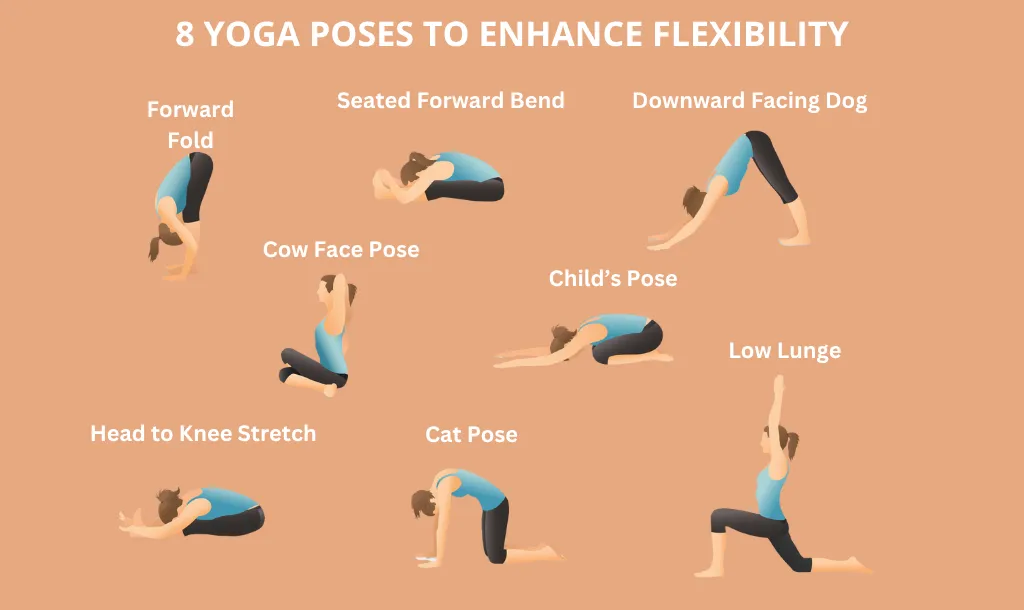
Incorporating flexibility exercises into your daily routine can yield significant results. Starting with gentle stretches in the morning can invigorate your body. Consider the cat-cow stretch to awaken your spine. Or try a simple forward bend to ease tension. Make these stretches a habit, weaving them into your day seamlessly. Your body has its own rhythm, and respecting it is key to unlocking flexibility. During your practice, listen carefully. Is there resistance? Breathe into it, allowing your body to soften gradually. Pushing too hard can lead to injury. Yoga teaches patience—embrace it. Let your body guide you to a more flexible state.Flexibility And Mindfulness
Yoga isn’t solely about physical postures; it’s a mindful practice. As you stretch, focus on your breath and body sensations. This mindfulness enhances flexibility by promoting relaxation. Are you aware of how your body feels in each pose? Stay present, appreciating each subtle change. This approach fosters a deeper connection with yourself. Flexibility in yoga is a journey, not a destination. How will you cultivate yours?Setting Realistic Flexibility Goals
Setting realistic flexibility goals in yoga involves understanding your body’s limits and embracing gradual progress. Consistent practice and patience help in improving flexibility safely. Focus on gentle stretching and breathing techniques to enhance your yoga experience.
Setting Realistic Flexibility Goals can transform your yoga practice. It’s about understanding your body’s limits and gradually pushing them. Setting achievable targets prevents frustration and injury, fostering a sense of accomplishment and motivation.Understand Your Current Flexibility Level
Begin by assessing your current range of motion. Notice which poses challenge you. This helps set a baseline for your goals. Regularly revisit this assessment to track progress.Choose Specific Poses To Focus On
Select a few poses that represent your flexibility goals. Focus on these in your practice. Over time, you’ll see improvement. This approach keeps your practice targeted and efficient.Set Short-term And Long-term Goals
Define both short-term and long-term flexibility targets. Short-term goals provide quick wins. Long-term goals keep you motivated for the future. Balance both for sustained progress.Listen To Your Body
Pay attention to your body’s signals. Avoid pushing beyond comfort. Pain is a sign to pause. Respecting your limits prevents injury and maintains enthusiasm.Track Your Progress
Keep a journal of your flexibility journey. Note improvements and setbacks. Documenting progress boosts motivation. Celebrate small victories to maintain your commitment.Seek Guidance From Yoga Instructors
Consult yoga instructors for personalized advice. They can offer adjustments and tips. Expert guidance refines your practice and accelerates progress.Warm-up Techniques
Enhancing flexibility in yoga starts with effective warm-up techniques. Gentle stretching prepares muscles for deeper poses. Controlled movements increase circulation, reducing injury risk.
Warm-up techniques are essential for enhancing flexibility in yoga. They prepare the body, making it more adaptable and ready for various poses. Starting your yoga practice with a warm-up increases blood flow and improves muscle elasticity. This helps in preventing injuries and maximizing the benefits of your yoga session.Dynamic Stretching
Dynamic stretching involves moving parts of the body through a full range of motion. It helps in warming up the muscles and joints. This type of stretching keeps your movements fluid and lively. Begin with gentle arm swings to loosen the shoulders. Incorporate leg swings to energize the hips. Dynamic stretches are effective as they gradually increase reach and speed.Breathing Exercises
Breathing exercises calm the mind and prepare the body. Deep breathing fills the lungs with oxygen, energizing the muscles. Start with slow, deep breaths. Inhale deeply and exhale slowly. This technique reduces stress and enhances concentration. Controlled breathing helps in achieving deeper stretches. It also improves endurance during challenging poses.
Credit: www.youtube.com
Key Yoga Poses For Flexibility
Yoga is a fantastic way to enhance your flexibility, making everyday movements smoother and more enjoyable. Whether you’re a beginner or seasoned yogi, integrating specific poses into your routine can significantly improve your range of motion. These key poses target different muscle groups and joints, helping you achieve a more supple body over time. Let’s dive into some essential poses that can transform your flexibility journey.
Downward Dog
Downward Dog is a staple in yoga practice, offering a full-body stretch that targets the hamstrings, calves, and shoulders. To perform this pose, start on your hands and knees. Lift your hips toward the ceiling, forming an inverted V-shape. Press your heels toward the ground and relax your head between your arms.
Feel the stretch along your back and legs. If your heels don’t reach the floor, that’s okay. Consistent practice will gradually increase your flexibility. Notice how your body responds over time; you might be surprised by the progress you can make.
Cat-cow Stretch
The Cat-Cow Stretch is perfect for warming up your spine and improving its flexibility. Begin on your hands and knees in a tabletop position. As you inhale, arch your back, lifting your head and tailbone up (Cow Pose). On the exhale, round your spine, tucking your chin and tailbone (Cat Pose).
This dynamic stretch not only enhances spinal flexibility but also relieves tension in your back and neck. Practice it regularly, and you might find it helps alleviate stiffness in your daily life. Can you feel the difference after a few repetitions?
Pigeon Pose
Pigeon Pose is a deep hip opener, crucial for increasing flexibility in your lower body. From a downward dog position, bring one knee forward, placing it behind your wrist. Stretch the opposite leg straight back, and lower your torso over the bent leg.
Hold this pose, breathing deeply as you relax into the stretch. It can be intense, but it’s incredibly beneficial for releasing tightness in the hips. With regular practice, you’ll find your hips becoming more flexible and open. How does it feel to release tension from your hips?
Incorporate these poses into your routine, and watch your flexibility improve. What changes will you notice in your body and movement? Share your experiences and insights; others might benefit from your journey.
Consistency And Practice Routine
Regular practice builds flexibility in yoga. Consistent routines strengthen muscles and improve range of motion. Dedication enhances progress over time.
Consistency in yoga practice is key to becoming more flexible. Regular practice helps your body adapt and improve over time. It builds muscle memory, making poses easier and more fluid. With a consistent routine, you ensure steady progress in flexibility. This gradual improvement boosts confidence and encourages deeper exploration of yoga.Setting A Regular Schedule
Creating a yoga schedule is essential. Choose days and times that fit your lifestyle. Consistency is more important than duration. Short daily sessions often yield better results than infrequent long practices. Mark your calendar to keep track and remain committed.Choosing The Right Environment
Practice in a comfortable space. This space should be quiet and free from distractions. A calm environment aids focus and relaxation. Consider lighting and temperature. Adjust these factors to suit your comfort level.Tracking Your Progress
Monitor your flexibility improvements. Keep a journal or take notes. Record poses that feel easier over time. Notice changes in your range of motion. Reflect on these developments to stay motivated.Incorporating Variety In Poses
Include diverse poses in your routine. Different poses target various muscle groups. This variety enhances overall flexibility. Explore new poses regularly to challenge your body. This keeps your practice engaging and dynamic. Pay attention to your body’s signals. Avoid pushing yourself beyond comfort. Flexibility takes time to develop. Respect your limits and progress gradually. This approach prevents injuries and promotes safe stretching.Seeking Guidance From Instructors
Experienced instructors offer valuable advice. They guide you in proper techniques. Attend classes or watch online tutorials. Learn from their expertise to enhance your practice. Their insights can lead to quicker and safer flexibility gains.
Credit: www.youtube.com
Incorporating Props
Incorporating props like blocks and straps can enhance flexibility in yoga. These tools support deeper stretches and safer alignment.
Incorporating props into your yoga practice can enhance flexibility. Props help maintain correct posture and deepen stretches. They also offer support, making challenging poses more accessible. This approach is ideal for beginners and anyone looking to increase their range of motion. Using props can transform your practice and help you reach new levels of flexibility.Using Blocks
Blocks are versatile tools for yoga. They come in various sizes and materials. Blocks provide stability in poses that require balance. They help maintain alignment, especially in standing poses. When reaching the floor feels difficult, use blocks for support. Place a block under your hand to bridge the gap to the floor. You can also use blocks under your hips in seated positions. This lifts your pelvis and helps maintain a straight spine.Straps For Support
Straps extend your reach in poses. This is helpful when touching toes seems out of reach. They help improve flexibility over time. Loop a strap around your foot in seated forward bends. Hold both ends and gently pull to deepen the stretch. Straps are also useful in poses like cow face. Wrap the strap around your back to connect your hands. This assists in shoulder flexibility and opens up your chest.Nutrition And Hydration
Proper nutrition and hydration enhance yoga flexibility. Hydrated muscles stretch better, reducing injury risk. Balanced meals fuel the body, supporting energy and muscle recovery during yoga practice.
In yoga, flexibility is not just about stretching muscles; it’s a holistic journey that involves the right mindset, consistent practice, and importantly, proper nutrition and hydration. What you eat and drink directly impacts your body’s ability to stretch and recover. Imagine trying to stretch a dry rubber band—it doesn’t work well. Your muscles need the right fuel and hydration to gain elasticity and strength.Essential Nutrients For Flexibility
To become more flexible, your diet should include foods rich in vitamins and minerals that promote muscle health. Omega-3 fatty acids found in fish like salmon and chia seeds help reduce inflammation, allowing for smoother movements. Magnesium, present in spinach and almonds, supports muscle function and relaxation, which is crucial for flexibility. Consider incorporating more antioxidants into your diet. They combat oxidative stress, which can lead to muscle stiffness. Berries, dark chocolate, and green tea are excellent sources. Have you thought about how your diet could be limiting your yoga progress?The Importance Of Hydration
Staying hydrated is essential for maintaining muscle elasticity and joint lubrication. Dehydrated muscles are more prone to cramps and stiffness. Aim to drink at least 8-10 glasses of water daily, more if you’re practicing hot yoga. Herbal teas and coconut water can also be beneficial. They’re hydrating and provide electrolytes that support muscle function. Next time you’re on the mat, check if you’ve had enough water to keep your muscles supple.Timing Your Meals And Hydration
When you eat and drink can be as important as what you consume. Eating a large meal right before practice can make you feel sluggish and uncomfortable. Instead, opt for a light snack, like a banana or a handful of nuts, about an hour before your session. Post-yoga, focus on replenishing your body. A smoothie with greens, protein, and a bit of healthy fat can help repair muscles and reduce soreness. Are you timing your nutrition to optimize your flexibility gains?Listening To Your Body’s Needs
Everyone’s body is unique, and what works for one person may not work for another. Pay attention to how different foods and hydration levels affect your flexibility. Keep a journal to track what you eat and drink alongside your yoga practice, noting any patterns or improvements. Your body will tell you what it needs—listen to it. Have you noticed how certain foods make you feel more energized and flexible, while others leave you feeling tight and restricted?Listening To Your Body
Listening to your body is key to becoming more flexible in yoga. Tune in to your body’s signals during practice. Adjust poses to suit your comfort and limits. Over time, consistent practice and awareness help enhance flexibility naturally.
Listening to your body is key in yoga practice. It helps you understand what your body needs. Flexibility improves when you pay attention to your body’s signals. This approach prevents injuries and enhances your yoga journey.Understanding Your Limits
Know what your body can do today. Everyone has different limits. Respecting these limits is crucial for safe practice. Push gently, but never force a pose. Overdoing it can lead to strain or injury.Breathing And Relaxation
Breathing deeply helps muscles relax. It calms the mind and eases tension. Focus on your breath during each pose. This supports better flexibility and a more peaceful practice.Gentle Movements
Move slowly into each pose. Quick movements can cause harm. Gentle transitions allow muscles to adapt. This helps improve flexibility over time.Embrace Discomfort, Not Pain
Feelings of stretch are normal. Pain is a sign to stop. Listen to discomfort as a guide. Pain means you might need to adjust or pause.Consistency Over Intensity
Practice regularly to build flexibility. Intensity is less important than frequency. Short daily sessions are better than rare long ones. Consistency helps your body adapt and improve.Avoiding Common Mistakes
Becoming more flexible in yoga can transform your practice, but avoiding common mistakes is crucial. Many people rush into poses, eager to see progress. This often leads to injury or frustration. Understanding these pitfalls can help maintain a safe and effective practice.
Improper Warm-up
A good warm-up prepares muscles for stretching. Skipping it can cause strain. Spend time in gentle movements before deep stretches. This increases blood flow and reduces risk.
Overstretching
Pushing too hard can lead to injury. Listen to your body. It’s important to respect your current limits. Gradually increase intensity as flexibility improves.
Ignoring Breath
Breath is key in yoga. Holding breath restricts movement and increases tension. Use deep breathing to relax muscles and enhance stretch. This promotes better flexibility.
Misaligning Poses
Proper alignment prevents injury. Misalignment causes unnecessary strain on joints and muscles. Focus on correct posture. Adjusting poses ensures a safe practice.
Neglecting Rest Days
Rest days are essential for recovery. Overworking muscles can lead to fatigue and decreased flexibility. Balance practice with rest. This supports continuous improvement.

Credit: www.yogabasics.com
Seeking Professional Guidance
Seeking professional guidance in yoga can enhance your flexibility. Expert instructors provide personalized advice and help you progress safely. This support ensures you practice correct techniques and avoid injuries.
Seeking professional guidance can significantly boost your yoga flexibility journey. A skilled instructor offers personalized insights and techniques. They ensure you practice poses correctly, minimizing injury risks. Professional guidance also provides motivation and accountability. This can enhance your dedication and progress.Understanding The Benefits Of A Professional Yoga Instructor
Working with a professional helps identify your unique flexibility needs. Instructors tailor sessions to address specific areas for improvement. They offer modifications for challenging poses, ensuring comfort and safety. This personalized attention leads to more effective and enjoyable practice.Choosing The Right Yoga Instructor For Your Needs
Research is key to finding the right instructor. Consider their experience, style, and certifications. Attend trial classes to assess compatibility with their teaching approach. Look for someone who inspires confidence and encourages growth. A good instructor adapts to your pace and learning style.Utilizing Workshops And Specialized Yoga Classes
Workshops provide intensive learning opportunities to deepen flexibility. They focus on specific poses or techniques, offering in-depth insights. Specialized classes target areas like hip openers or backbends. These classes enhance flexibility in focused ways, complementing regular practice.Engaging With Online Yoga Platforms
Online platforms offer flexibility in scheduling and location. They provide access to diverse instructors and styles. Look for platforms with interactive features for personalized feedback. Engaging with online communities offers support and shared experiences. This can enhance your motivation and learning.Frequently Asked Questions
What Is The Best Time For Yoga Flexibility?
The best time to practice yoga for flexibility is early morning or evening. These times allow the muscles to relax and stretch effectively, enhancing flexibility. Consistency in practice is key.
How Long Does It Take To Improve Flexibility?
Improving flexibility through yoga takes time and patience. Typically, noticeable results can be seen in a few weeks with consistent practice. Dedication and persistence are crucial.
Can Beginners Become Flexible In Yoga?
Yes, beginners can become flexible in yoga with regular practice. Start with simple poses and gradually increase intensity. Listen to your body and avoid pushing beyond your limits.
What Yoga Poses Improve Flexibility?
Poses like Downward Dog, Cobra, and Pigeon are great for improving flexibility. These poses target multiple muscle groups and help in enhancing overall flexibility. Consistent practice is essential.
Conclusion
Building flexibility in yoga requires patience and practice. Stay consistent with your routine. Listen to your body and avoid pushing too hard. Focus on breathing deeply during stretches. This helps your muscles relax. Try different poses to challenge your flexibility.
Always warm up before starting your practice. Regular practice leads to gradual improvement. Set realistic goals and celebrate small progress. Flexibility enhances your overall well-being. It boosts your confidence and reduces stress. Enjoy the journey towards a more flexible body.
Remember, flexibility is a lifelong commitment. Keep practicing and stay motivated. Your body will thank you.