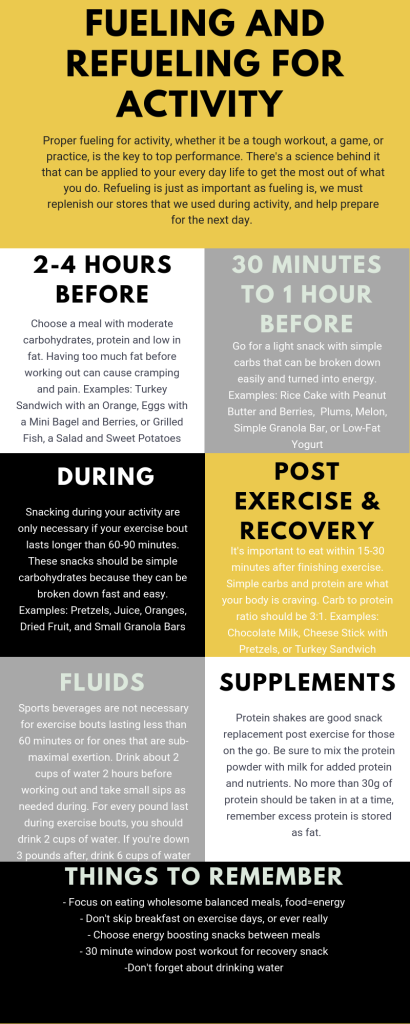
Picture this: You’ve just finished an intense gym workout. Your muscles are tired, your energy is depleted, and you’re feeling the burn.
But what happens next is just as important as the workout itself. What you consume after exercising can make all the difference in your recovery and performance. Are you giving your body the right fuel to rebuild, recharge, and get stronger?
This is your moment to discover the secrets behind optimal post-workout nutrition. You’ll find out exactly what to take after your gym workout to ensure you get the most out of your efforts. Keep reading to unlock the tips that could transform your fitness routine and help you reach your goals faster than ever before.

Credit: organika.com
Post-workout Nutrition
Post-workout nutrition is crucial for recovery and muscle growth. After a workout, your body needs essential nutrients to repair muscle fibers and replenish energy stores. This ensures better performance in future workouts and reduces fatigue.
Importance Of Post-workout Meals
A good post-workout meal helps muscle recovery and growth. Consuming protein after exercise repairs damaged muscle tissues. Carbohydrates replenish depleted glycogen stores, providing energy for your next workout. Fats are also important for hormone balance and overall health.
Neglecting post-workout nutrition can lead to slower recovery. You might experience soreness and fatigue more often. Proper nutrition is key for achieving your fitness goals efficiently.
Timing For Optimal Results
Timing your post-workout meal is essential. Consuming nutrients within 30 minutes to an hour after exercise is ideal. This period is when your muscles are most receptive to nutrient intake. Eating soon after a workout helps maximize recovery and muscle synthesis.
Waiting too long can reduce the benefits of your workout. Your body needs quick replenishment to recover effectively. Plan your meals to fit within this optimal window.
Protein Intake
Protein intake is crucial after a gym workout to repair muscles. Choose sources like lean meats, fish, or plant-based options.
After a rigorous gym workout, your body craves nutrients to recover and build muscle. Protein intake is crucial during this phase. It helps repair muscles and supports growth. But what are the best protein sources, and how much should you consume? Let’s dive into these questions.Best Protein Sources
Choosing the right protein can make all the difference. Whole foods like chicken, fish, and eggs are excellent choices. They are rich in nutrients and easily digestible. Plant-based options like beans, lentils, and tofu are also great for those who prefer non-meat alternatives. Protein shakes can be a convenient option, especially when you’re on the go. But remember, not all protein powders are created equal. Look for ones with minimal additives and high-quality ingredients.Recommended Protein Amounts
How much protein should you consume post-workout? It largely depends on your fitness goals and body weight. A general guideline is to aim for 0.14 to 0.23 grams of protein per pound of body weight. For instance, if you weigh 150 pounds, consuming between 21 to 34 grams of protein is a good start. Timing is also critical—try to consume protein within 30 to 60 minutes after your workout for optimal muscle recovery. Are you tracking your protein intake effectively? It might be time to start.Carbohydrates For Recovery
After a tough gym workout, your body craves recovery. Carbohydrates play a crucial role in this process. They replenish energy stores and aid in muscle repair. Consuming the right carbs can make a significant difference in how quickly you bounce back.
Role Of Carbs In Muscle Repair
Carbohydrates restore glycogen levels in muscles. Glycogen is the energy source muscles use during exercise. Low levels can lead to fatigue and slower recovery. By consuming carbs, you replenish glycogen and enhance muscle repair.
Carbs also stimulate insulin production. Insulin helps transport amino acids into muscles. This process supports protein synthesis, which is essential for muscle growth and recovery.
Choosing The Right Carbohydrates
Not all carbs are created equal. Opt for complex carbohydrates for optimal recovery. These include whole grains, fruits, and vegetables. They provide sustained energy and essential nutrients.
Simple sugars can cause a quick spike in energy. This is followed by a crash. These are less beneficial for long-term recovery. Focus on foods like oatmeal, quinoa, and sweet potatoes for lasting benefits.
Timing is also important. Consume carbs within two hours post-workout. This window maximizes glycogen restoration and muscle repair.
Hydration Essentials
After a gym workout, rehydrating is crucial. Water replenishes lost fluids and aids muscle recovery. Consider electrolyte drinks to boost hydration and replace minerals like sodium and potassium.
After a vigorous gym workout, prioritizing hydration is crucial. It replenishes the fluids lost through sweat and helps your body recover efficiently. Understanding what to drink can make a significant difference in how you feel post-exercise. But what should you reach for—plain water or electrolyte drinks? Let’s delve into the essentials of staying hydrated after your workout.Benefits Of Staying Hydrated
Staying hydrated helps maintain your energy levels. You might have experienced fatigue or dizziness when dehydrated, which can hinder your workout recovery. Proper hydration aids in muscle repair. When your muscles are well-hydrated, they recover faster, reducing soreness and increasing flexibility. Hydration also boosts your metabolism. Drinking enough fluids can enhance calorie burning and improve overall physical performance. Have you noticed feeling sluggish after a workout? It might be dehydration slowing you down.Electrolyte Drinks Vs. Water
Electrolyte drinks are rich in essential minerals. They replenish sodium, potassium, and magnesium lost during exercise. This is especially beneficial after intense workouts or prolonged physical activity. Water is the go-to option for many. It’s easily accessible and effective for hydration. However, during intense workouts, plain water might not suffice for replacing lost electrolytes. Consider your workout intensity. If you had a light session, water might be enough. For heavy sweating and prolonged exertion, electrolyte drinks could be more beneficial. What’s your post-workout drink of choice?Supplements For Faster Recovery
Protein and BCAAs help muscle repair and growth after workouts. Magnesium aids in reducing muscle cramps and fatigue. Including Omega-3s supports inflammation reduction, enhancing recovery speed.
Supplements for Faster Recovery After a tough workout, your muscles need time to heal. Recovery supplements can help speed up this process. They provide essential nutrients that support muscle repair. This boosts your overall fitness journey. Not all supplements are created equal, though. Choosing the right one can make a big difference.Popular Recovery Supplements
Several supplements are favored by gym enthusiasts. Protein powder is often the go-to choice. It helps repair muscles and build strength. Creatine is another popular option. It boosts energy and enhances muscle recovery. Branched-chain amino acids (BCAAs) are helpful, too. They decrease muscle soreness and aid recovery. Glutamine is valued for its recovery benefits. It supports immune function and reduces muscle fatigue. Omega-3 fatty acids are known for anti-inflammatory effects. They reduce muscle damage and improve recovery time. Each of these supplements offers unique benefits.Evaluating Supplement Necessity
Not everyone needs supplements for recovery. It’s important to evaluate your personal needs. Consider your workout intensity. A light workout might not require extra nutrients. But intense training can benefit from supplements. Check your diet first. Whole foods provide essential nutrients. If your diet lacks variety, supplements can fill the gaps. Consult with a health professional. They can guide you on what is necessary for you. Remember, supplements are not magic pills. They work best with a balanced diet and healthy lifestyle.Post-workout Snacks
Replenish energy and aid muscle recovery with post-workout snacks like Greek yogurt, almonds, or a banana. These snacks offer protein and healthy carbs. Ideal for refueling after gym sessions.
After a sweaty gym session, fueling your body is essential. Post-workout snacks help replenish energy and aid muscle recovery. Choosing the right snack is vital. It can maximize your workout benefits.Quick And Easy Snack Ideas
Convenience matters after an intense workout. Here are simple snack options:- Greek yogurt with honey and berries.
- A banana with almond butter.
- Rice cakes topped with avocado.
- Trail mix with nuts and dried fruits.
- Protein smoothie with spinach and banana.
Balancing Macronutrients
Balancing macronutrients is key for recovery. Your snack should have proteins, carbs, and fats. Protein repairs muscles. Carbs restore energy. Healthy fats support overall health. Consider these balanced options:- Whole-grain toast with peanut butter.
- Cottage cheese with pineapple chunks.
- Turkey slices with whole-grain crackers.
- Chia pudding with almond milk and berries.
- Oatmeal with protein powder and nuts.
Lifestyle Tips
Adopting the right lifestyle habits can enhance your post-gym recovery. These habits not only boost your fitness journey but also improve overall well-being. Incorporating small changes can make a big difference in how you feel and perform.
Importance Of Sleep
Sleep is crucial for muscle recovery and growth. During sleep, your body repairs tissues, helping muscles grow stronger. Aim for 7-9 hours of quality sleep each night. Create a calm bedtime routine to improve sleep quality. Keep your bedroom dark, quiet, and cool for better rest. Avoid screens at least an hour before bedtime to enhance sleep.
Role Of Active Recovery
Active recovery helps reduce muscle soreness and aids blood circulation. Engage in light activities like walking, swimming, or cycling. These activities should be gentle and not strain your muscles. Active recovery also helps in maintaining flexibility and mobility. Dedicate a few minutes to stretching or yoga. This can improve your range of motion and reduce the risk of injury.

Credit: swolverine.com
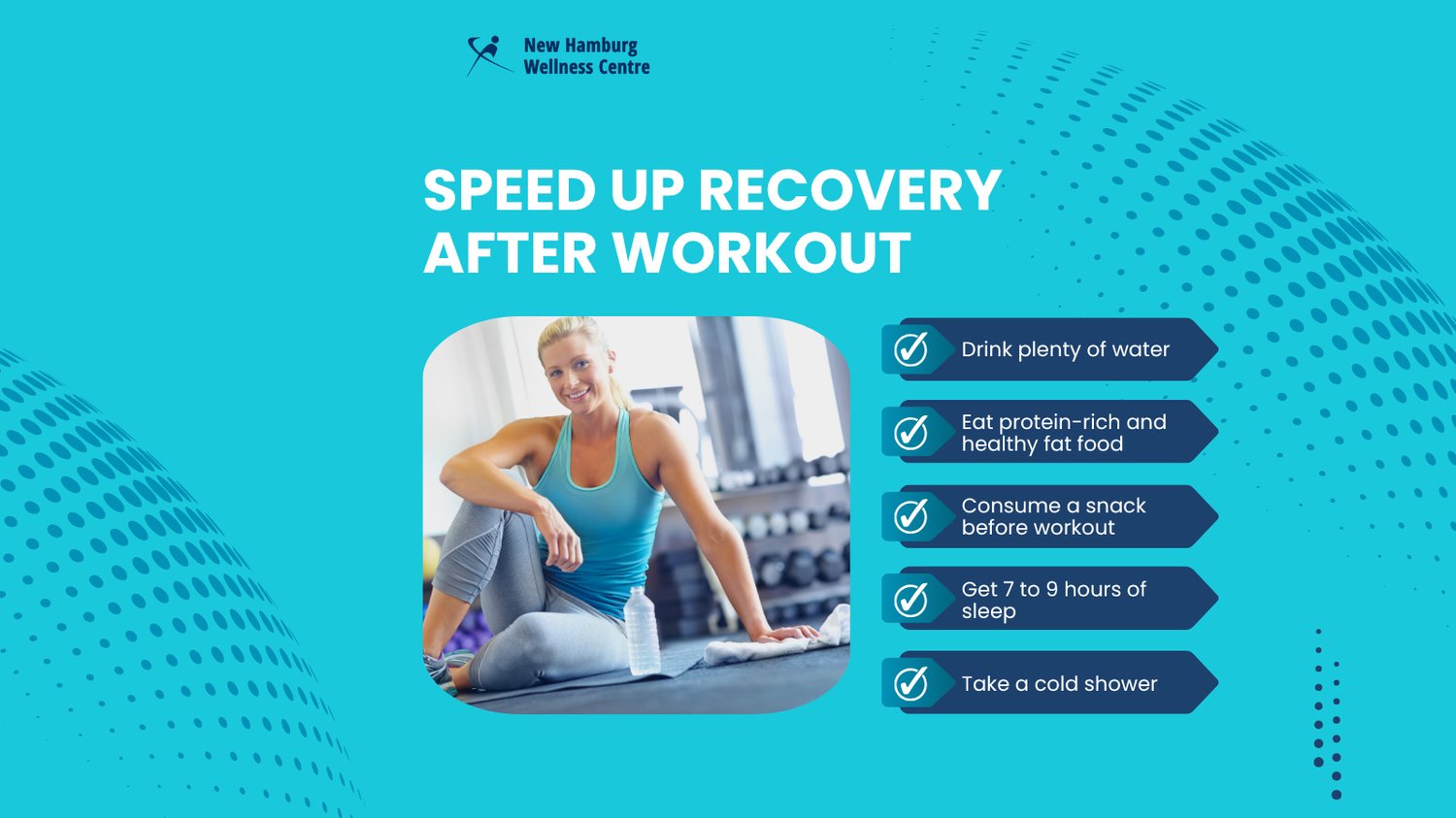
Credit: x.com
Frequently Asked Questions
What Should I Eat After A Gym Workout?
After a workout, consume proteins and carbs to aid muscle recovery and energy replenishment. Opt for lean meats, eggs, or plant-based proteins paired with whole grains or fruits. Hydrate with water or electrolyte drinks to restore fluid balance.
Is Protein Necessary After Exercising?
Yes, protein is crucial for muscle repair and growth post-exercise. It helps rebuild muscle fibers and reduces recovery time. Incorporate protein-rich foods or shakes to ensure adequate intake after your workout.
How Soon Should I Eat Post-workout?
Consume your post-workout meal within 30 to 60 minutes. This timeframe maximizes muscle recovery and replenishes glycogen stores. Timely nutrition aids in better performance and reduces fatigue.
Are Supplements Beneficial After Gym Sessions?
Supplements can boost recovery and improve performance if used correctly. Protein powders, creatine, and branched-chain amino acids are popular options. Consult with a nutritionist to tailor supplements to your needs and goals.
Conclusion
Choosing the right post-workout nutrition supports your fitness goals. Protein helps muscles recover and grow stronger. Carbohydrates restore energy after intense exercise. Hydration keeps your body balanced and healthy. Simple snacks like bananas or nuts can be effective. Listen to your body’s needs for optimal results.
Experiment to find what works best for you. Consistent routines often yield the best outcomes. A balanced diet complements your workout efforts. Remember, fueling your body properly enhances performance. Recovery is just as important as the workout itself. Stay motivated and make thoughtful choices to achieve your health objectives.