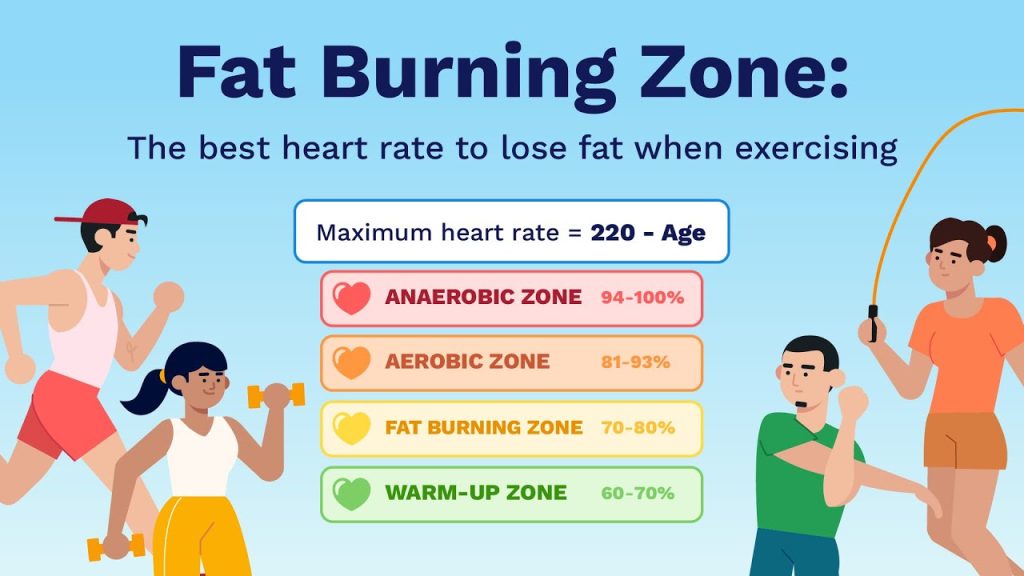
Have you ever wondered what part of your body truly benefits from cardio endurance? Sure, you might know that running, cycling, or swimming is good for you, but have you ever thought about how your body uses that endurance?
You might be surprised to learn that it’s not just your heart that reaps the rewards. Imagine unlocking the secrets of how your body works, giving you the power to train smarter and live healthier. You’ll discover how cardio endurance influences your daily energy levels, mental clarity, and even your mood.
Don’t just exercise blindly; understanding these benefits can transform your approach to fitness and your overall well-being. Ready to find out how? Let’s dive in and explore how your body truly uses cardio endurance.
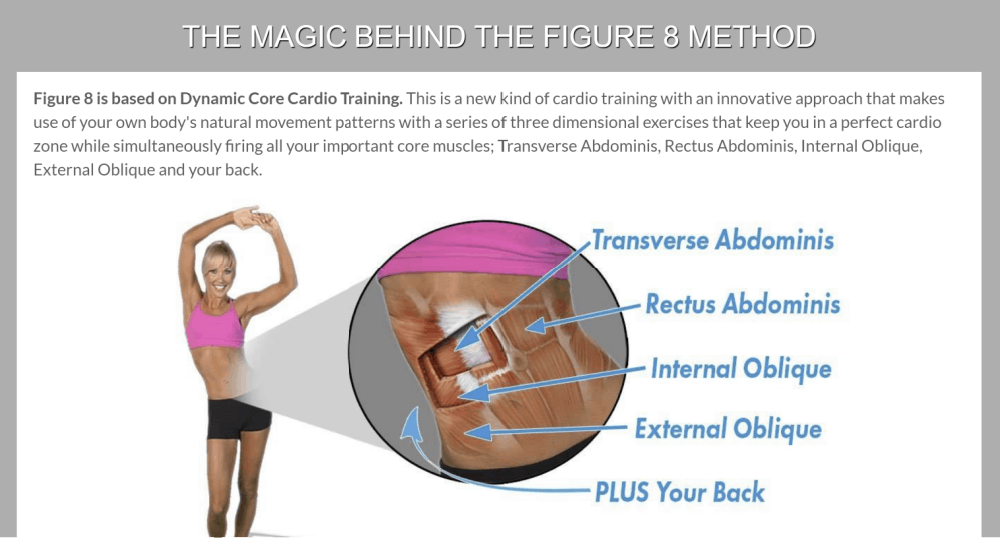
Credit: brendasmithson7.medium.com
Cardio Endurance Basics
Cardio endurance refers to your body’s ability to sustain physical activity. It involves the heart, lungs, and muscles working together. This endurance is crucial for overall health. It supports daily activities and improves fitness levels. Understanding its basics helps in maintaining a healthy lifestyle. Let’s explore cardio endurance in detail.
Definition And Importance
Cardio endurance is the capability to perform prolonged physical exercise. It requires efficient oxygen delivery to muscles. The heart and lungs play a significant role. Strong cardio endurance enhances stamina. It also reduces fatigue during activities. Regular exercise boosts this endurance over time. It contributes to better heart health and improved lung capacity.
Key Components
Several elements contribute to cardio endurance:
- Heart Rate: Measures how fast the heart pumps blood.
- Oxygen Uptake: Determines how effectively lungs absorb oxygen.
- Muscle Strength: Supports prolonged physical exertion.
- Energy Efficiency: Maximizes energy use during exercise.
- Recovery Speed: Indicates how quickly the body recovers post-activity.
Improving these components enhances endurance. It leads to better fitness outcomes and overall health benefits. Regular aerobic activities improve these areas. Activities like jogging and swimming are beneficial.
The Heart’s Role
The heart plays a crucial role in utilizing cardio endurance. It pumps blood efficiently to muscles, supporting prolonged physical activity. This endurance boosts overall body performance and stamina.
The heart is a vital organ in cardio endurance. It acts as the body’s engine, pumping blood to muscles and organs. With regular cardiovascular exercise, the heart becomes stronger and more efficient. This improves overall health and stamina.Function And Performance
The heart’s main function is to pump blood. It delivers oxygen and nutrients to cells. During exercise, the heart works harder. It beats faster to meet the body’s increased demands. A well-trained heart performs better under stress. It recovers quickly after exertion.Cardiac Output And Adaptation
Cardiac output is the amount of blood the heart pumps in one minute. It increases with regular exercise. This helps the body handle physical activities with ease. The heart adapts to regular exercise by becoming larger and stronger. This allows it to pump more blood with each beat. Over time, a fit heart beats slower at rest. This is a sign of improved efficiency.Lung Functionality
Lung functionality relies heavily on cardio endurance. It helps the lungs efficiently supply oxygen throughout the body. Strong cardio endurance boosts your respiratory system’s capacity and performance.
Lung functionality plays a crucial role in cardio endurance. Strong lungs enhance your ability to exercise longer and harder. They help in delivering oxygen to muscles, which is vital during physical activities. Efficient lung function boosts performance and supports overall health.Oxygen Exchange
Lungs are responsible for oxygen exchange. They take in fresh air, which contains oxygen. This oxygen is then transferred to the bloodstream. During intense cardio, your lungs work harder to provide more oxygen. This process is essential for keeping energy levels high.Respiratory Efficiency
Respiratory efficiency is key for cardio endurance. Efficient lungs can quickly remove carbon dioxide from the body. This improves stamina and reduces fatigue. Regular exercise strengthens lung capacity. It enhances the efficiency of breathing during workouts.
Credit: health.clevelandclinic.org
Muscles And Cardio
Cardio endurance is essential for overall fitness. It impacts various muscles in your body. Understanding how muscles work during cardio can enhance your workout routine. Let’s dive into the connection between muscles and cardio.
Skeletal Muscle Engagement
Skeletal muscles play a vital role during cardio exercises. These are the muscles attached to your bones. They help with movement and stability. During cardio, skeletal muscles contract and relax. This movement helps pump blood back to the heart. It also improves oxygen delivery throughout the body.
Cardio exercises like running or cycling engage these muscles. They make your legs and arms move efficiently. As a result, skeletal muscles become stronger and more toned. Regular cardio can enhance muscle endurance and overall strength.
Endurance Muscle Fibers
Muscle fibers are crucial for endurance. They are of two main types: slow-twitch and fast-twitch. Slow-twitch fibers are key for endurance activities. They help you sustain long periods of exercise. These fibers are more efficient at using oxygen.
During cardio, slow-twitch fibers dominate. They allow you to maintain a steady pace. Fast-twitch fibers are less active in endurance activities. They are more suited for short bursts of energy. Regular cardio training can increase the efficiency of slow-twitch fibers. It helps improve your overall endurance.
Blood Vessels And Circulation
Cardio endurance plays a crucial role in keeping your blood vessels healthy. Blood vessels transport oxygen and nutrients throughout your body. During cardio exercise, your heart pumps faster, boosting circulation. Improved circulation means more oxygen reaches your muscles. This process helps your body perform better during physical activities.
Vasodilation And Blood Flow
Vasodilation is the widening of blood vessels. It occurs when your body needs more oxygen. During exercise, vasodilation increases blood flow to your muscles. This process helps remove waste products like carbon dioxide. It also aids in maintaining body temperature. Proper vasodilation supports efficient nutrient delivery.
Role In Nutrient Delivery
Efficient blood circulation is vital for nutrient delivery. Blood carries essential nutrients to your cells. These nutrients include glucose and amino acids. They provide energy and aid muscle repair. Cardio exercise enhances circulation, ensuring nutrients reach your tissues. Improved nutrient delivery boosts overall health and performance.
Nervous System Involvement
Cardio endurance isn’t just about your heart and muscles. Your nervous system plays a key role too. It helps manage and coordinate the demands placed on your body during exercise. Understanding this can enhance your fitness journey.
Autonomic Nervous System
The autonomic nervous system (ANS) controls involuntary actions. This includes heart rate, breathing, and digestion. During cardio, the ANS adjusts your heart rate and blood flow. It ensures your muscles get enough oxygen and nutrients. The ANS also regulates body temperature through sweating. These adjustments help maintain performance and safety.
Coordination And Response
Cardio exercise requires coordination. The nervous system sends signals between the brain and muscles. This ensures smooth and efficient movement. It also helps in quick responses to changes. For example, if the terrain changes, your body adjusts to maintain balance. These quick responses are vital during high-intensity workouts. They prevent injuries and improve overall performance. The nervous system’s role is crucial in maintaining endurance and efficiency.
Metabolic Processes
The heart and lungs primarily benefit from cardio endurance. These organs work together to deliver oxygen efficiently throughout the body. Enhanced cardio endurance strengthens these systems, promoting better overall health.
Metabolic processes play a crucial role in how your body uses cardio endurance. These processes determine how efficiently your body converts nutrients into energy during exercise. Understanding them can help you optimize your workouts and improve your overall fitness.Energy Production
Cardio endurance primarily relies on the aerobic energy system. This system uses oxygen to convert carbohydrates and fats into energy. Imagine your body as a power plant. The more efficient your metabolic processes, the better your body can generate energy from stored nutrients. During a long run or bike ride, your body continuously taps into this energy system. It ensures you have the stamina to keep moving for extended periods. You might notice that with consistent training, you can go farther without feeling as tired. This is a sign that your body’s energy production is becoming more efficient.Metabolic Efficiency
Metabolic efficiency refers to how well your body uses available energy sources. Improving this can enhance your performance and endurance during cardio activities. Consider how you felt the first time you tried a new workout. You likely tired quickly and needed more recovery time. With regular training, your body learns to use energy more efficiently, reducing fatigue. To boost metabolic efficiency, incorporate varied cardio routines. This challenges your body to adapt and become more proficient at energy use. Have you noticed improvements in how you handle physical exertion? This is a direct result of enhanced metabolic processes. By focusing on energy production and efficiency, you’re equipping your body to perform at its best.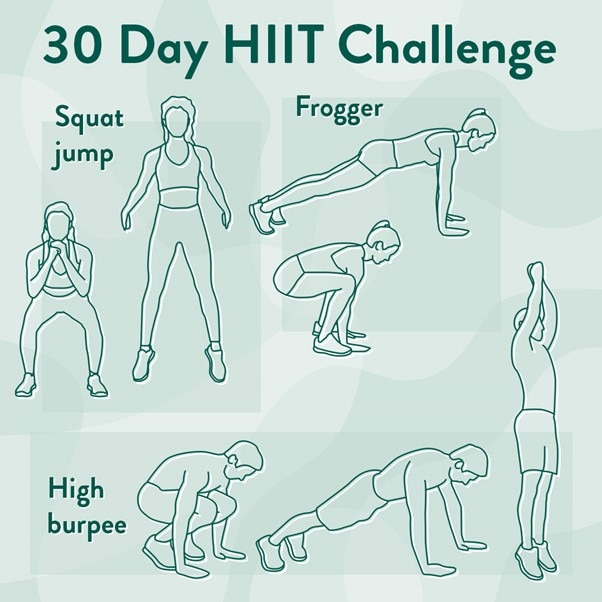
Credit: www.hollandandbarrett.com
Benefits Of Cardio Endurance
Cardio endurance strengthens the heart and lungs, boosting stamina and overall energy levels. It supports muscles and enhances blood circulation, aiding in better oxygen delivery throughout the body.
Cardio endurance is vital for overall well-being. It strengthens the heart, lungs, and muscles. Regular cardio exercises offer numerous benefits. They enhance the body’s ability to use oxygen efficiently. This leads to increased energy levels and improved health.Health Improvements
Cardio endurance boosts heart health. It lowers blood pressure and reduces the risk of heart disease. Regular cardio also helps in maintaining a healthy weight. It burns calories and improves metabolism. This can prevent obesity-related issues. Enhanced lung capacity is another benefit. Your breathing improves, supplying more oxygen to your body. This strengthens your immune system. A strong immune system fights illnesses better.Performance Enhancements
Better cardio endurance enhances physical performance. It increases stamina and strength. Athletes and active individuals benefit greatly. They can perform activities for longer without fatigue. Faster recovery times are another advantage. Muscles repair quicker after workouts. This means less downtime and more consistent training. Enhanced endurance also improves mental clarity. You feel more focused and alert. This boosts productivity in daily tasks.Frequently Asked Questions
What Body Parts Benefit From Cardio Endurance?
Cardio endurance primarily benefits the heart, lungs, and muscles. It improves heart health by enhancing its efficiency and strength. It aids the lungs in better oxygen utilization. Additionally, it strengthens muscles, particularly those used in repetitive movements like running or cycling.
How Does Cardio Endurance Affect The Heart?
Cardio endurance strengthens the heart, enabling it to pump blood more efficiently. Regular cardiovascular exercise improves heart muscle function and boosts circulation. It reduces the risk of heart disease by lowering blood pressure and improving cholesterol levels, contributing to overall cardiovascular health.
Which Muscles Are Targeted By Cardio Endurance?
Cardio endurance targets large muscle groups like legs, core, and arms. Activities like running, swimming, and cycling engage these muscles repetitively. This helps to enhance muscle stamina and strength. Over time, it improves muscle tone and endurance, contributing to better overall physical performance.
Does Cardio Endurance Impact Lung Capacity?
Yes, cardio endurance significantly improves lung capacity. It enhances the ability of lungs to take in more oxygen and expel carbon dioxide efficiently. Regular cardio exercises increase lung volume and strengthen respiratory muscles. This results in improved breathing efficiency during physical activities.
Conclusion
Cardio endurance is vital for a healthy body. It strengthens your heart. Supports lung function. Aids muscle efficiency during exercise. Increases stamina for daily activities. Boosts energy levels. Improves overall well-being. Helps maintain a healthy weight. A crucial part of fitness routines.
Supports other body systems. Encourages a balanced lifestyle. Regular exercise builds cardio endurance. Enhances physical and mental health. Promotes longevity and vitality. It’s important to stay active. Make cardio a regular habit. Listen to your body. Start slow and build up.
Enjoy the benefits of a healthier life.