
Are you tired of gasping for air after just a few minutes of exercise? Building up your cardio endurance might seem like a daunting task, but you’re not alone in this journey.
Imagine being able to run, cycle, or swim longer and faster without feeling exhausted. The good news is, improving your cardio endurance is not only possible, but it can also be enjoyable. We’ll reveal the secrets to how long it really takes to boost your stamina and the steps you need to take to get there.
By the end, you’ll have a clear roadmap to transform your workouts and enjoy the activities you love without the breathless struggle. Keep reading to discover how you can unlock a new level of fitness and energy.
Cardio Endurance Basics
Understanding the basics of cardio endurance is essential for anyone looking to improve their fitness level. Cardio endurance refers to the ability of your heart and lungs to supply oxygen-rich blood to your muscles during extended periods of physical activity. It’s a key component of overall health, impacting everything from your energy levels to your mood. But how do you start building it up, and how long does it really take?
Building cardio endurance isn’t just about running faster or longer. It’s about gradually training your heart and lungs to become more efficient. Think of it as a slow dance between your body and your activity levels. Start with activities you enjoy, like walking, swimming, or cycling, and gradually increase intensity and duration. Remember, consistency is key.
Consider breaking your routine into manageable chunks. You might start with 15-minute sessions a few times a week. As your endurance improves, extend these sessions incrementally. Keep in mind that everyone’s starting point differs, so listen to your body.
Setting Realistic Goals
It’s crucial to set achievable goals. Establishing short-term milestones can keep you motivated. For instance, aim to jog continuously for 10 minutes by the end of the month. Celebrate small victories along the way. They are indicators of progress and help maintain momentum.
Why not keep a journal? Document your workouts and note improvements. Seeing your progress on paper can be incredibly rewarding. Plus, it provides a tangible reminder of what you’re capable of achieving.
Monitoring Progress
Tracking your heart rate can be a game-changer. It gives you insights into how hard your body is working. Use a fitness tracker or smart watch to monitor your heart rate during activities. Aim for a target heart rate zone that optimizes endurance building.
Are you feeling less winded during workouts? That’s progress! Notice how your body responds over time. Improved breathing and reduced fatigue are signs your cardio endurance is developing.
Overcoming Challenges
Expect some hurdles. Time constraints, lack of motivation, or physical discomfort can slow you down. Yet, each challenge offers an opportunity to learn and adapt. Find what works for you. Maybe a morning jog or an evening swim fits your schedule best.
Have you considered joining a group or class? Exercising with others can boost your motivation. You’re not alone on this journey, and sharing experiences can make it more enjoyable.
Factors Influencing Endurance Development
Building cardio endurance varies for everyone. Several factors influence how quickly you see improvements. Understanding these can help set realistic goals and track progress effectively.
Age And Genetics
Age plays a crucial role in endurance development. Younger individuals often build endurance faster. Their bodies recover quicker, allowing more frequent training. Genetics also impact endurance. Some people naturally have a higher aerobic capacity. This genetic advantage helps them improve endurance more easily. But don’t worry. You can still improve with consistent effort.
Current Fitness Level
Your current fitness level is another important factor. Beginners may see rapid improvements initially. Their bodies adapt quickly to new activities. Those already fit may experience slower progress. They need to push harder to see changes. A tailored plan helps everyone improve, regardless of starting point.
Training Frequency
How often you train affects endurance growth. Regular workouts help build and maintain stamina. Aim for at least three sessions per week. Consistency is key. Overtraining can lead to injury and setbacks. Balance is important to achieve steady progress.
Effective Cardio Exercises
Building cardio endurance requires patience and consistency. Start with 20-minute sessions, increasing gradually to 60 minutes over weeks. Mix activities like jogging, cycling, or swimming for balanced improvement.
Building up your cardio endurance can feel like a daunting task, but incorporating effective cardio exercises into your routine can make the journey both enjoyable and rewarding. Are you ready to elevate your fitness game and see real progress? Let’s dive into some tried-and-true exercises that can help you get there.Running And Jogging
Running and jogging are classic choices for boosting cardio endurance. They can be done almost anywhere and require minimal equipment. Start with a manageable pace and gradually increase your distance and speed over time. Consistency is key. Set a weekly goal and track your progress. Use apps or a simple journal to see how far you’ve come and where you want to go. Mix up your routine with interval training. Short bursts of speed followed by recovery periods can enhance endurance quickly. Have you considered joining a local running club for motivation and tips?Cycling
Cycling is an excellent low-impact option that’s easy on the joints. Whether you prefer the outdoors or a stationary bike, cycling can significantly improve your cardio levels. Start with short rides and gradually increase your duration. Enjoy the scenery around you, or if indoors, listen to your favorite playlist to keep motivated. Challenge yourself with different terrains or resistance levels. Hill climbs or higher resistance settings can push your heart rate and build stamina. Are you ready to feel the rush of wind as you conquer your next cycling milestone?Swimming
Swimming is a full-body workout that enhances endurance without putting pressure on your joints. It’s perfect for those who enjoy being in the water and are looking to diversify their exercise routine. Focus on different strokes to work various muscle groups. Each stroke has its benefits, and mixing them up can prevent workout monotony. Set small goals, like swimming an extra lap each week. It’s not just about the physical gains—there’s something calming about gliding through the water. When was the last time you challenged yourself to a race in the pool? Each of these exercises offers unique benefits and can be tailored to fit your personal fitness level and goals. The key is to find what you enjoy and stick with it. What will your first step be towards enhancing your cardio endurance?Training Strategies For Fast Results
Building cardio endurance can take weeks or months. Consistent training and gradual intensity increases help improve stamina efficiently. Balancing workouts with rest ensures optimal results without overexertion.
Building cardio endurance doesn’t have to take forever. With the right training strategies, you can see noticeable improvements in your stamina and performance faster than you might think. Whether you’re preparing for a race, aiming to improve your overall fitness, or just trying to keep up with your kids, these methods can help you reach your goals more efficiently.Interval Training
Interval training is about alternating between high-intensity bursts and lower intensity recovery periods. This method keeps your heart rate elevated, boosting cardiovascular fitness in less time. Imagine sprinting for 30 seconds, then walking or jogging for a minute. Repeat this cycle for about 20 minutes, and you’ll have an effective workout. It’s challenging, but the results are worth it. You might be surprised at how quickly your endurance improves with consistent practice.Steady-state Cardio
Steady-state cardio involves maintaining a consistent, moderate intensity over a longer period. Think of a leisurely jog, a brisk walk, or a long bike ride. This type of cardio is excellent for building a strong aerobic base. It’s less intense, making it easier to stick with in the long run. Try dedicating a couple of days a week to steady-state cardio. You’ll notice a gradual increase in your endurance and energy levels.Cross-training
Cross-training mixes different types of exercises to work various muscle groups. It’s an effective way to improve overall fitness and prevent burnout. By incorporating activities like swimming, cycling, or even dancing, you keep your workouts fresh and engaging. This variety challenges your body in new ways, enhancing your cardiovascular endurance. Have you ever tried a new activity and felt muscles you didn’t know existed? That’s cross-training working its magic. Don’t underestimate the power of mixing it up to boost your endurance. Incorporate these strategies into your routine and see how quickly your cardio endurance can develop. What will you try first?Nutrition For Endurance Enhancement
Building up cardio endurance is not just about lacing up your running shoes or hitting the gym. Nutrition plays a pivotal role in enhancing your endurance and keeping you energized for longer workouts. The right balance of carbohydrates, proteins, and hydration can significantly impact your performance and recovery.
Carbohydrate Intake
Carbohydrates are your body’s primary fuel source during extended periods of exercise. They provide the energy needed to sustain long workouts and delay fatigue. Aim for complex carbs like whole grains, oats, and sweet potatoes to keep your energy levels stable. Have you ever noticed how marathon runners often consume carb-rich meals before a race? It’s because carbs help in storing glycogen, the energy reserve your muscles tap into during prolonged activity.
Protein Needs
While carbs are crucial for energy, protein is essential for recovery and muscle repair. Incorporate lean proteins such as chicken, fish, and legumes into your diet. A balanced protein intake supports muscle growth and helps prevent injury. Have you ever finished a tough workout and felt that muscle soreness the next day? Adequate protein can help minimize that by speeding up recovery.
Hydration Importance
Staying hydrated is often overlooked but is vital for maintaining endurance. Dehydration can lead to fatigue, cramps, and decreased performance. Drink water regularly throughout the day, and consider electrolyte-rich drinks during longer workouts. Have you ever experienced an energy dip mid-exercise? It might be your body’s way of signaling that it needs more fluids. Keep a water bottle handy and listen to your body’s cues.

Credit: m.facebook.com
Recovery And Rest
Building cardio endurance requires consistent effort and time. Typically, noticeable improvements can be seen in four to six weeks. Rest and recovery play crucial roles, allowing muscles to repair and adapt to increased activity levels.
Building up cardio endurance is not just about pushing your limits during workouts. Equally important is how you allow your body to recover and rest. Without proper recovery, your progress could stall or, worse, lead to injury. Let’s delve into why rest and recovery should be an integral part of your fitness routine.Importance Of Rest Days
Rest days are critical for muscle repair and growth. When you work out, especially with high-intensity cardio, your muscles undergo stress and microtears. Rest days allow your body to repair these tissues, making them stronger and more resilient. Skipping rest days can lead to burnout and fatigue. You might feel like you’re losing progress, but in reality, rest is propelling you forward. Consider them as essential as your workout days.Sleep And Endurance
Quality sleep is a powerhouse for endurance. During sleep, your body releases growth hormones that aid in muscle recovery and energy replenishment. This is why you often feel refreshed after a good night’s sleep. If you’re not getting enough sleep, your endurance will likely suffer. Try to aim for 7-9 hours of sleep per night. Notice how your stamina improves with consistent rest.Active Recovery Techniques
Active recovery doesn’t mean lounging on the couch all day. It’s about engaging in low-intensity activities to keep blood flowing and muscles loose. Activities like walking, yoga, or light cycling can be great options. These techniques help reduce muscle soreness and improve circulation. They keep you active without placing additional stress on your body. What active recovery methods have you tried, and how do they impact your endurance? Implementing rest and recovery strategies in your routine is crucial for building up cardio endurance. Prioritize them, and you’ll likely notice significant improvements in your performance and overall well-being.Tracking Progress
Building cardio endurance varies from person to person. Beginners might notice improvements in four weeks, while seasoned athletes could take longer. Consistent exercise, gradual intensity increase, and balanced rest are key for optimal progress.
Tracking your cardio progress keeps you motivated and on the right path. It helps measure improvements and adjusts plans for better results. Stay consistent and watch your endurance grow.Using Wearable Technology
Wearable devices offer real-time data on your workouts. They track heart rate, steps, and calories burned. This data gives a clear picture of your fitness level. Comparing daily metrics helps see improvements over time. For example, a lower heart rate at the same pace shows progress.Setting Measurable Goals
Set specific, achievable targets to boost motivation. For instance, aim to run 2 miles without stopping. Or cycle for 30 minutes at a steady pace. Write these goals down. Regularly review them to monitor your progress. Achieving small goals builds confidence and leads to bigger successes.Adjusting Training Plans
Noticing slow progress? Modify your routine. Increase intensity, duration, or frequency gradually. Switch activities to keep workouts interesting. Listen to your body and avoid overtraining. Flexibility in your plan helps accommodate life’s unpredictability. Keep workouts effective and enjoyable.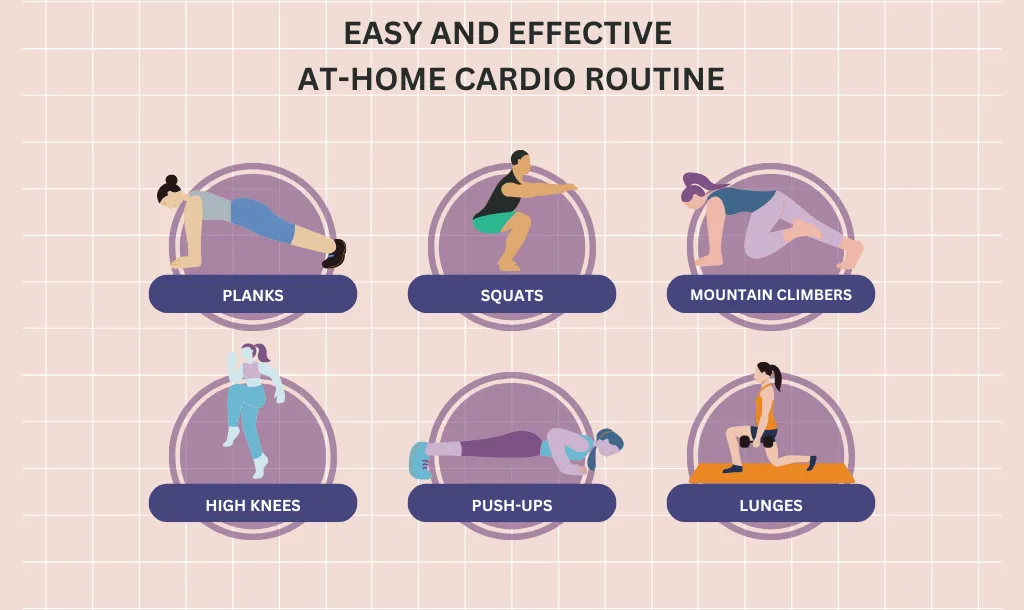
Credit: myyogateacher.com
Common Mistakes To Avoid
Building cardio endurance is a journey that requires patience and smart strategies. Many people make common mistakes that slow progress or cause setbacks. Understanding these pitfalls can help you stay on track and reach your goals effectively.
Overtraining
Overtraining can be harmful to your progress. Pushing your body too hard without rest can lead to fatigue or injury. It’s important to listen to your body. Rest days allow muscles to recover and grow stronger. Balance your workout schedule with proper rest.
Ignoring Nutrition
Nutrition plays a vital role in building endurance. Many people overlook this aspect. Eating a balanced diet fuels your body for workouts. Carbohydrates provide energy, while proteins aid in muscle repair. Hydration is also crucial. Drink plenty of water to stay hydrated.
Lack Of Consistency
Consistency is key to improving endurance. Sporadic workouts lead to slow progress. Create a regular exercise schedule and stick to it. Consistent effort helps build stamina over time. Even small, regular workouts make a big difference.

Credit: www.gq-magazine.co.uk
Frequently Asked Questions
How Long To See Improvements In Cardio Endurance?
Building cardio endurance varies per person, but noticeable improvements usually start within 4 to 6 weeks. Consistent exercise, including activities like running or cycling, accelerates progress. Factors such as age, fitness level, and frequency of workouts influence the timeline. Regularly challenging your cardiovascular system is key to enhancing endurance effectively.
What Exercises Boost Cardio Endurance Fastest?
High-intensity interval training (HIIT) is excellent for quickly boosting cardio endurance. Activities like running, cycling, or swimming at varied intensities work well. Consistent, progressive overload with these exercises helps improve cardiovascular fitness. Ensure you combine this with adequate rest and nutrition for optimal results.
How Often Should I Train To Build Endurance?
Training 3 to 5 times a week is ideal for building endurance. Consistency is crucial, so maintain a regular schedule. Include a mix of moderate and high-intensity workouts. Gradually increase duration and intensity to challenge your cardiovascular system and promote endurance gains.
Can Diet Affect Cardio Endurance Progress?
Yes, diet significantly affects cardio endurance progress. Consuming a balanced diet with adequate carbohydrates and proteins supports energy levels and muscle recovery. Hydration is also essential for optimal performance. Including nutrient-rich foods ensures your body has the necessary fuel to sustain and improve endurance.
Conclusion
Building cardio endurance takes time and patience. Start with small goals. Increase your workout duration gradually. Consistency is key to success. Stay dedicated and motivated. Listen to your body. Rest when you need to. Celebrate small victories along the way.
Track your progress regularly. Adjust your routine as needed. Mix different activities for variety. This keeps it fun and engaging. Remember, every step counts. You will see improvements soon. Keep pushing forward. Enjoy the journey to better health. Stay committed and results will follow.
Your heart will thank you.