
Ever wondered what sets elite athletes apart from the rest? It’s not just talent or hard work; it’s also the guidance of a sports performance coach.
If you’re passionate about sports or keen to enhance your own athletic abilities, understanding the role of a sports performance coach is crucial. These experts are like the secret weapon in an athlete’s arsenal, fine-tuning performance, boosting mental strength, and preventing injuries.
But what exactly do they do, and how can they make such a difference? Get ready to uncover the secrets of sports performance coaching and discover how it can elevate your game. Dive into the full article to see how these coaches are transforming the world of sports, one athlete at a time.
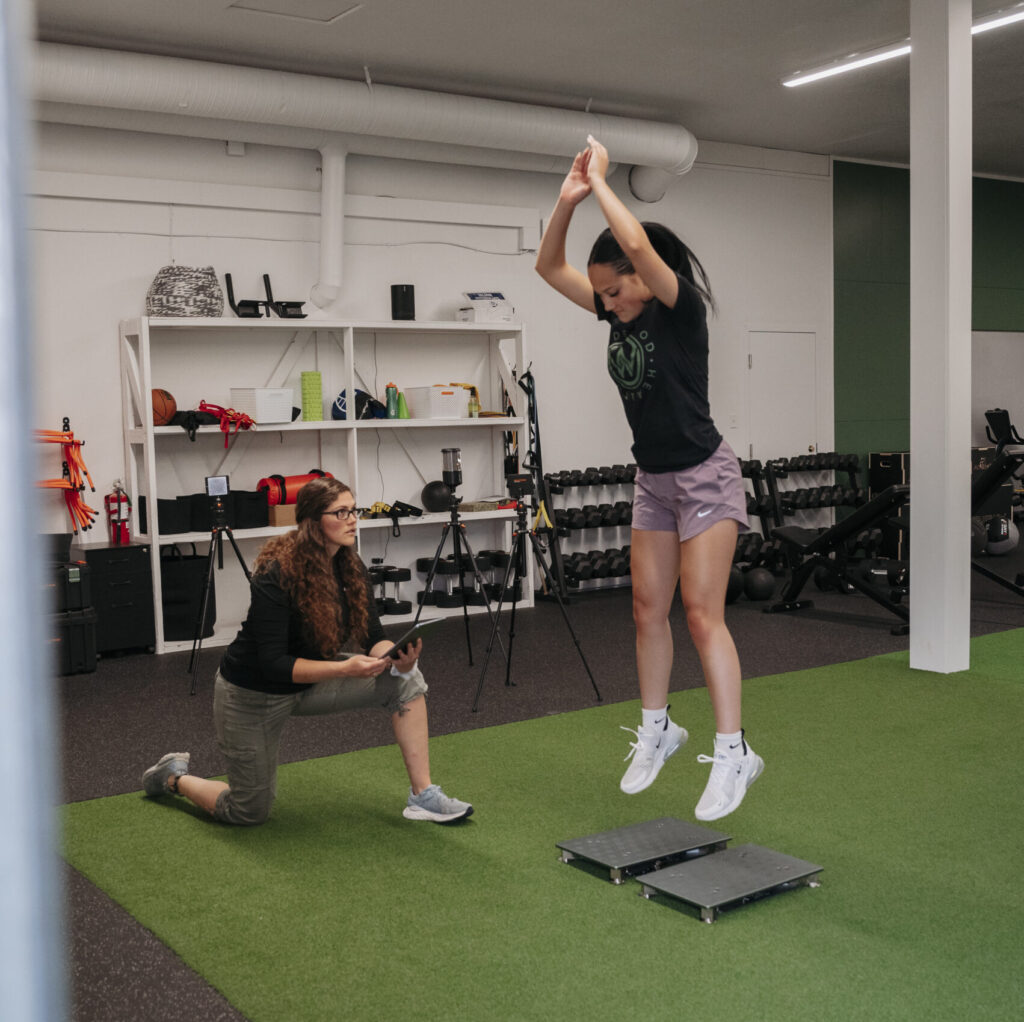
Credit: wildewoodhealth.com
Role Of A Sports Performance Coach
The role of a sports performance coach is crucial in athletic success. They guide athletes in enhancing their physical abilities and mental resilience. Their work involves evaluating each athlete’s strengths and weaknesses. Coaches then create personalized training plans to address these areas. They ensure athletes maintain peak performance levels throughout their careers. A sports performance coach also helps athletes set realistic goals. They provide support and motivation to reach these objectives.
Understanding Athlete Needs
A coach assesses an athlete’s needs and capabilities. They study the athlete’s performance data and physical condition. This helps them identify areas needing improvement. Coaches also consider the athlete’s mental state. They work on building confidence and focus.
Developing Training Programs
Training programs are tailored to suit each athlete. Coaches design exercises targeting specific skills. They include strength, speed, and agility training. Programs are adjusted based on progress and feedback. Coaches make sure exercises are challenging yet achievable.
Monitoring Progress
Progress monitoring is a key duty of a coach. Coaches track performance through regular assessments. They use data to evaluate improvements. Adjustments in training are made as needed. This ensures continuous growth and development.
Providing Motivation And Support
A coach offers motivation and support to athletes. They encourage positive thinking and determination. Coaches help athletes overcome setbacks and challenges. They instill a sense of discipline and dedication.
Ensuring Optimal Health
Health is a priority for sports performance coaches. They advise on nutrition and recovery techniques. Coaches ensure athletes avoid injuries and stay fit. Proper health management leads to better performance.
Key Responsibilities
A sports performance coach plays a pivotal role in an athlete’s journey, guiding them toward achieving their peak potential. Their key responsibilities are diverse, demanding a blend of strategic planning, close monitoring, and expert guidance. Understanding these responsibilities can offer insights into how athletes reach their goals and maintain their physical health.
Developing Training Programs
Crafting tailored training programs is a core responsibility of sports performance coaches. These programs are designed to enhance specific skills and improve overall athletic performance. Coaches assess individual needs, strengths, and areas for improvement to create personalized plans. Have you ever wondered why certain athletes excel more than others? It often boils down to the effectiveness of their training regimen.
Monitoring Athlete Progress
Keeping a close watch on athlete progress is crucial. Coaches use various metrics to track improvements in speed, strength, and agility. Regular assessments ensure that athletes stay on the right path to their goals. This constant feedback loop not only helps in recognizing achievements but also in identifying areas needing adjustment. Imagine the excitement when you see tangible results from your hard work!
Injury Prevention And Management
Preventing injuries and managing them when they occur is essential for sustained athletic performance. Coaches educate athletes on proper techniques and recovery strategies to minimize risks. They work closely with medical professionals to address injuries promptly, ensuring athletes return to form safely. Have you considered how vital it is to stay injury-free in maintaining a successful sports career?
Skills And Qualifications
Understanding the skills and qualifications of a sports performance coach is crucial. These professionals guide athletes to reach peak performance. They blend education, skills, and certifications to do so. Let’s explore these elements in detail.
Educational Background
Most sports performance coaches hold a degree in sports science. This could include fields like kinesiology or exercise physiology. Some may have advanced degrees, enhancing their expertise. A strong educational foundation helps them understand the body’s mechanics. It also aids in developing effective training programs.
Essential Skills
Communication is a vital skill for these coaches. They must clearly convey instructions to athletes. Analytical skills are also important. Coaches evaluate an athlete’s performance and identify areas for improvement. Problem-solving skills help them adapt training to each athlete’s needs. Leadership skills inspire athletes to push their limits.
Certifications And Training
Certifications enhance a coach’s credibility. Many pursue certifications from reputable organizations. The National Strength and Conditioning Association offers respected credentials. Ongoing training keeps them updated with the latest techniques. Practical experience is also key. It allows coaches to apply theoretical knowledge in real-world settings.
Techniques And Strategies
A sports performance coach helps athletes improve their skills, fitness, and mental focus. Through tailored training programs, they enhance physical abilities and strategy. Their guidance is essential for optimizing athletic potential and achieving competitive goals.
In the world of sports, achieving peak performance is a multifaceted endeavor. Sports performance coaches employ a variety of techniques and strategies to enhance an athlete’s abilities and optimize their potential. These methods are designed to cater to the physical, mental, and nutritional needs of athletes, ensuring a holistic approach to improvement. Below, let’s dive into some essential techniques and strategies that these coaches use to propel athletes to new heights.Strength And Conditioning
Strength and conditioning form the backbone of physical performance enhancement. By focusing on tailored exercises, a coach helps athletes develop muscle strength, endurance, and flexibility. This doesn’t mean lifting heavy weights alone—it’s about finding the right balance. A personal story from many athletes is how small tweaks in their routine, like adding plyometrics or agility drills, can lead to significant improvements on the field. Are you exploring the best exercises for your sport?Mental Conditioning
Mental conditioning is equally crucial as physical training. A sports performance coach works with athletes to improve focus, resilience, and confidence. Techniques such as visualization and mindfulness are employed to prepare the mind for high-pressure situations. Imagine standing at the free-throw line and feeling the weight of the game. Mental conditioning can transform this pressure into precision. Have you considered how your mental state impacts your performance?Nutrition And Recovery Plans
Nutrition and recovery are pivotal in maintaining peak performance levels. Coaches guide athletes in crafting diet plans that fuel their bodies for endurance and strength. Recovery strategies, including sleep and hydration, are emphasized to prevent injuries and promote healing. Reflect on how a balanced diet and adequate rest can be as powerful as your workout regime. Are you prioritizing your recovery time effectively? A sports performance coach’s role is to integrate these techniques seamlessly into an athlete’s regimen, ensuring comprehensive development. Are you ready to elevate your game by embracing these strategies?Working With Different Athletes
A sports performance coach helps athletes improve skills and reach goals. They focus on physical conditioning, mental preparation, and personalized training plans. Through tailored guidance, they enhance endurance, strength, and agility, ensuring athletes perform at their best.
Working with athletes requires a versatile approach. Each athlete has unique needs and goals. A sports performance coach adapts techniques to suit different athletes. This ensures maximum improvement in their performance.Youth Athletes
Youth athletes need special attention. They are still developing physically and mentally. Coaches focus on building their basic skills. They also teach the importance of teamwork and discipline. Creating a fun environment is crucial. It keeps young athletes motivated and engaged. Safety is a top priority. Coaches must ensure exercises are age-appropriate.Professional Athletes
Professional athletes require advanced training. They often compete at the highest levels. Coaches help refine their skills and enhance performance. They analyze the athlete’s strengths and weaknesses. Customized training plans are essential. Nutrition and mental preparation play key roles. Coaches work closely with other professionals. This includes nutritionists and sports psychologists.Team Sports Vs Individual Sports
Team sports require a focus on group dynamics. Coaches teach strategies and communication skills. Building team chemistry is vital. Each player must understand their role. In individual sports, the focus is more personal. The athlete must excel on their own. Coaches work on personal goals and techniques. Motivation and self-discipline are crucial in individual sports. Both types of athletes need mental toughness to succeed.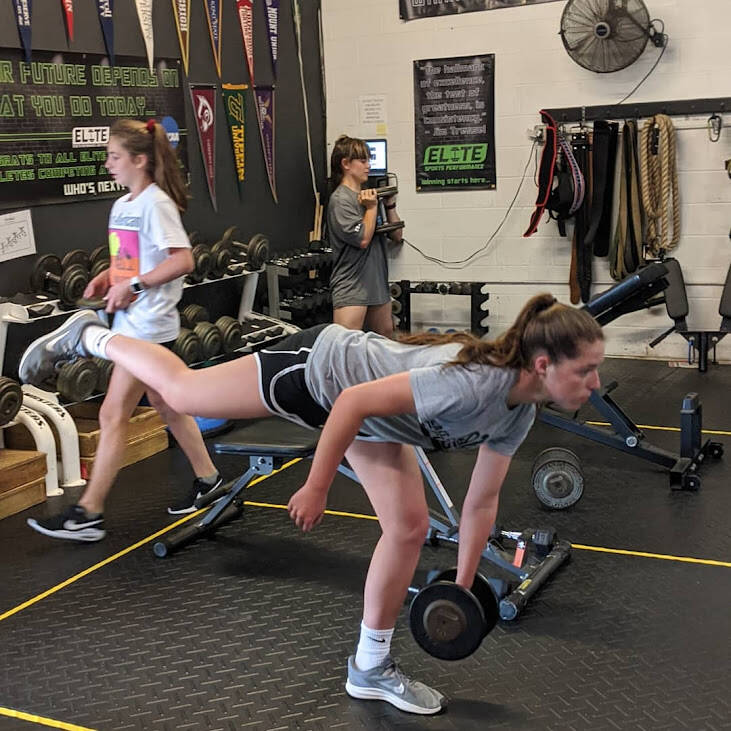
Credit: www.elitesportsperformancegym.com
Tools And Technology
Sports performance coaches enhance athletes’ skills using data-driven techniques. They analyze metrics to improve strength, agility, and endurance. Their role includes designing personalized training plans for peak performance.
In the fast-paced world of sports, staying ahead of the competition requires more than just physical training. Sports performance coaches are now leveraging advanced tools and technology to enhance athletes’ performance. These resources not only provide valuable insights but also help in making informed decisions to optimize training and recovery.Performance Tracking Tools
Performance tracking tools have become indispensable for sports performance coaches. These tools allow you to monitor various aspects of an athlete’s performance, such as speed, endurance, and agility. By tracking these metrics, coaches can identify areas for improvement and tailor training programs accordingly. Consider using apps that offer real-time feedback and detailed reports. They provide a comprehensive overview of an athlete’s progress, making it easier to set achievable goals. Are you using the right tools to measure your performance?Data Analysis In Sports
Data analysis plays a crucial role in modern sports coaching. By analyzing performance data, coaches can identify patterns and trends that are not immediately obvious. This process helps in predicting potential injuries and optimizing training schedules. Utilizing software that offers data visualization can make it easier to interpret complex data sets. These visual insights can be a game-changer in adjusting training regimens. Is your training program backed by solid data analysis?Wearable Technology
Wearable technology is revolutionizing how athletes train and recover. Devices like fitness trackers and smartwatches provide real-time data on vital signs and physical activity levels. This information is invaluable for monitoring an athlete’s health and performance. Wearables can also alert coaches to signs of overtraining or fatigue, allowing for timely intervention. Imagine having the ability to adjust an athlete’s workload based on real-time data. How are you integrating wearable tech into your training sessions? Embracing these tools and technologies can give you a competitive edge, helping your athletes reach their full potential. Are you ready to elevate your coaching game with these innovations?Challenges Faced
Sports performance coaches play a pivotal role in the athletic world, guiding athletes to achieve their peak potential. However, the journey is fraught with challenges. Navigating these obstacles requires a delicate balance of knowledge, empathy, and adaptability. How do coaches manage these complexities to ensure athletes thrive?
Balancing Performance And Health
One of the toughest challenges is striking the right balance between pushing athletes to their limits and maintaining their health. It’s easy to overlook long-term well-being in the pursuit of immediate gains. I once worked with a talented sprinter who faced recurring injuries due to overtraining. By adjusting his regimen and emphasizing recovery, we improved his performance without sacrificing his health. Are you considering how your training choices impact overall well-being?
Adapting To New Research
Sports science is constantly evolving, with new research emerging regularly. Coaches must stay updated to integrate the latest findings into their training plans. This can be overwhelming, as not all research is applicable or beneficial. A colleague shared how implementing a novel hydration strategy led to unexpected results. Constant learning and flexibility are key. How do you ensure you’re making informed decisions based on the latest evidence?
Managing Athlete Expectations
Athletes often have high expectations, driven by personal goals and external pressures. Managing these expectations while fostering realistic ambitions is crucial. I recall an athlete aiming for an unattainable record, which led to stress and burnout. Through open communication and setting achievable milestones, we realigned his focus. Are you addressing the psychological aspects of performance in your coaching?
These challenges, while daunting, are opportunities for growth and improvement. A coach’s ability to navigate them effectively can make all the difference in an athlete’s journey. As you reflect on these aspects, consider how they relate to your experiences and strategies. What changes could you implement to better support your athletes?

Credit: www.youtube.com
Impact On Athlete Success
Sports performance coaches play a crucial role in athlete success. They guide athletes to reach their peak potential. Their impact extends beyond physical training. They instill confidence and mental resilience. Athletes often credit their success to dedicated performance coaching. Let’s explore how they influence athlete achievements.
Individualized Training Plans
Performance coaches tailor training plans for each athlete. They assess strengths and weaknesses. Customized workouts enhance skills and address gaps. This personalized approach boosts performance. Athletes improve faster with targeted training.
Mental Conditioning
Coaches focus on mental strength alongside physical fitness. They teach strategies for handling pressure and stress. Mental conditioning improves focus and determination. Athletes learn to stay calm under pressure. This mental edge is key during competitions.
Injury Prevention And Recovery
Preventing injuries is a top priority for coaches. They design exercises to strengthen vulnerable areas. Proper techniques minimize injury risks. In case of injuries, they aid recovery. This ensures athletes return stronger and healthier.
Nutrition Guidance
Proper nutrition fuels athletic performance. Coaches offer dietary advice for optimal energy. They suggest foods that enhance recovery and endurance. Balanced diets improve overall health. Athletes perform better with nutrition support.
Performance Analysis
Coaches analyze performance metrics regularly. They track progress and adjust strategies. Data-driven insights optimize training sessions. Athletes gain a competitive edge through informed decisions. This continuous feedback loop fosters improvement.
Frequently Asked Questions
What Is A Sports Performance Coach?
A sports performance coach helps athletes improve their physical and mental skills. They design personalized training programs and strategies. These coaches focus on enhancing strength, endurance, and agility. They also work on mental resilience, motivation, and goal-setting. Their role is crucial for athletes aiming to reach peak performance.
How Does A Sports Performance Coach Help Athletes?
Sports performance coaches develop customized training plans for athletes. They focus on improving physical abilities like strength and speed. They also enhance mental toughness and motivation. By analyzing performance data, they identify areas for improvement. This comprehensive approach helps athletes achieve their goals and excel in their sport.
What Skills Do Sports Performance Coaches Need?
Sports performance coaches need strong analytical and communication skills. They must understand exercise science and sports psychology. Knowledge of nutrition and injury prevention is essential. They also need to motivate and inspire athletes. Their ability to develop tailored training programs is crucial for athlete success.
How Do Sports Performance Coaches Differ From Personal Trainers?
Sports performance coaches focus specifically on athletes and their unique needs. They emphasize performance enhancement and mental resilience. Personal trainers work with a broader audience, focusing on general fitness. Sports performance coaches use detailed data analysis and sport-specific techniques. Their primary goal is to optimize athletic performance.
Conclusion
A sports performance coach guides athletes to improve their skills. They focus on physical and mental aspects. Coaches create personalized training plans. They motivate and support athletes through challenges. Building strength, endurance, and agility are key goals. Coaches also teach techniques to enhance performance.
Their role is crucial in injury prevention. Athletes gain confidence with a coach’s help. Coaches adapt strategies to fit each athlete’s needs. This tailored approach benefits the athlete’s growth. A strong coach-athlete relationship is vital. With dedication, athletes achieve their best.
A sports performance coach plays a vital role in athletic success.