Are you looking to build a strong, sculpted chest without the hassle of a gym membership? You’re in the right place.
Discover how to workout your chest with just a pair of dumbbells, right from the comfort of your home. Whether you’re a beginner or a seasoned fitness enthusiast, this guide will simplify your routine and maximize your gains. Imagine the convenience of effective workouts tailored to fit your schedule, with no bulky machines or crowded gym floors.
Curious about the best exercises to target every part of your chest? Stay with us as we unravel simple, yet powerful moves that will transform your home workouts and deliver noticeable results. Don’t miss out on unlocking your potential—read on to find out how.
Credit: www.outsideonline.com
Benefits Of Dumbbell Chest Workouts
Boosting chest strength at home with dumbbells offers convenience and flexibility. Dumbbell exercises target multiple muscle groups, enhancing overall upper body definition. Perfect for limited space, these workouts require minimal equipment and can be tailored to individual fitness levels.
Working out your chest with dumbbells at home offers numerous benefits that can enhance your fitness routine. Dumbbell chest workouts are versatile, allowing you to perform a variety of exercises that target different parts of your chest. They help in building strength and improving muscle coordination, and they require minimal space and equipment, making them ideal for home workouts.Improved Muscle Activation
With dumbbells, each arm works independently, increasing muscle activation. This helps in balancing muscle strength between both sides of your body. When you feel one side working harder, it’s a cue to focus on evening out your strength.Versatility Of Exercises
Dumbbells allow you to perform a wide range of exercises, such as the chest press, flyes, and pullover. Each movement targets the chest in different ways, ensuring a comprehensive workout. You can easily switch between exercises without needing to change equipment, keeping your workout fluid and efficient.Enhanced Core Stability
Using dumbbells in chest workouts requires engaging your core for stability. This involvement helps in improving your overall balance and core strength. You’ll notice your posture improves over time, which is beneficial both in workouts and daily activities.Convenience And Accessibility
Dumbbells are easy to store and use at home, making them incredibly convenient. You don’t need a gym membership or bulky equipment to get a good chest workout. Think about how accessible your workout becomes when you can do it anytime, without leaving the house.Progressive Overload Potential
Dumbbells come in various weights, allowing you to gradually increase the load as you get stronger. This progressive overload is key to muscle growth. Challenge yourself by increasing the weight when you feel your current routine is too easy.Customizable Workouts
You can adjust the angle and grip of your exercises with dumbbells, targeting different parts of your chest. This customization ensures your workout stays effective and interesting. Have you ever tried switching grips to see how it changes the muscle engagement? By incorporating dumbbell chest workouts into your routine, you can enjoy these benefits and take your fitness journey to new heights. Keep experimenting with different exercises and weights to maintain your progress and keep things exciting.Essential Equipment
Working out your chest at home with dumbbells is not only convenient but can be equally effective as hitting the gym. However, to maximize your gains, having the right equipment is crucial. With a few essential items, you can set up a compact yet efficient home gym that focuses on your chest muscles.
Essential Dumbbells
Dumbbells are the cornerstone of your home workout equipment. Opt for adjustable dumbbells if you can. They save space and allow you to easily modify the weight according to your progress. Investing in quality dumbbells ensures durability and safety during intense sessions.
Flat Bench
A flat bench is vital for performing exercises like the dumbbell bench press and flyes. Look for a sturdy bench that can handle your weight plus the added load of the dumbbells. If space is limited, consider a foldable bench that you can tuck away when not in use.
Mat Or Floor Padding
A good mat or floor padding can protect your floor and provide comfort during workouts. It’s especially useful for exercises that require you to lie down or kneel. Choose a mat that is thick and non-slip to prevent any accidents.
Workout Gloves
While not strictly essential, workout gloves can improve your grip on the dumbbells and protect your hands from calluses. If you find your palms get sweaty during workouts, gloves can be a game-changer in maintaining a firm hold.
Water Bottle
Staying hydrated is crucial for muscle performance and recovery. Keep a water bottle nearby to ensure you’re sipping regularly between sets. Consider a bottle with time markers to remind you to drink at intervals.
Reflect on your home setup—do you have these essential items? Adding them to your routine can significantly enhance your workout experience and results. What changes could you make today to create a more effective workout space?
Warm-up Routine
Before diving into your chest workout with dumbbells, warming up is key. A good warm-up routine prepares your muscles and joints. It reduces the risk of injury. This routine should be simple and effective. Focus on warming up your upper body. It will help you maximize your workout results.
Dynamic Stretches
Dynamic stretches are essential for a good warm-up. They help increase blood flow. Start with arm circles. Stand with your feet shoulder-width apart. Extend your arms to the sides. Move them in small circles forward. Do 10 circles, then reverse the direction.
Try chest openers next. Stand tall and clasp your hands behind your back. Lift your arms slightly while pushing your chest forward. Hold for a few seconds, then release. Repeat this 10 times for best results.
Mobility Exercises
Mobility exercises improve joint range and flexibility. Start with shoulder rolls. Stand with relaxed shoulders. Roll them forward in a circular motion. Do this for 10 repetitions, then switch directions.
Include torso twists in your routine. Stand with feet apart. Place your hands on your hips. Rotate your torso to the right, then to the left. Do this gently and repeat 10 times on each side.
Finally, incorporate cat-cow stretches. Get on all fours. Arch your back upwards like a cat. Hold for a few seconds. Then dip your back like a cow. Repeat the sequence 10 times.
These exercises are simple yet effective. They prepare your body for an intense chest workout at home.

Credit: www.youtube.com
Basic Dumbbell Exercises
Working out your chest at home with dumbbells offers flexibility and results. Basic dumbbell exercises can target different parts of your chest. These exercises help build strength and improve muscle definition. Let’s explore some fundamental exercises you can try.
Dumbbell Bench Press
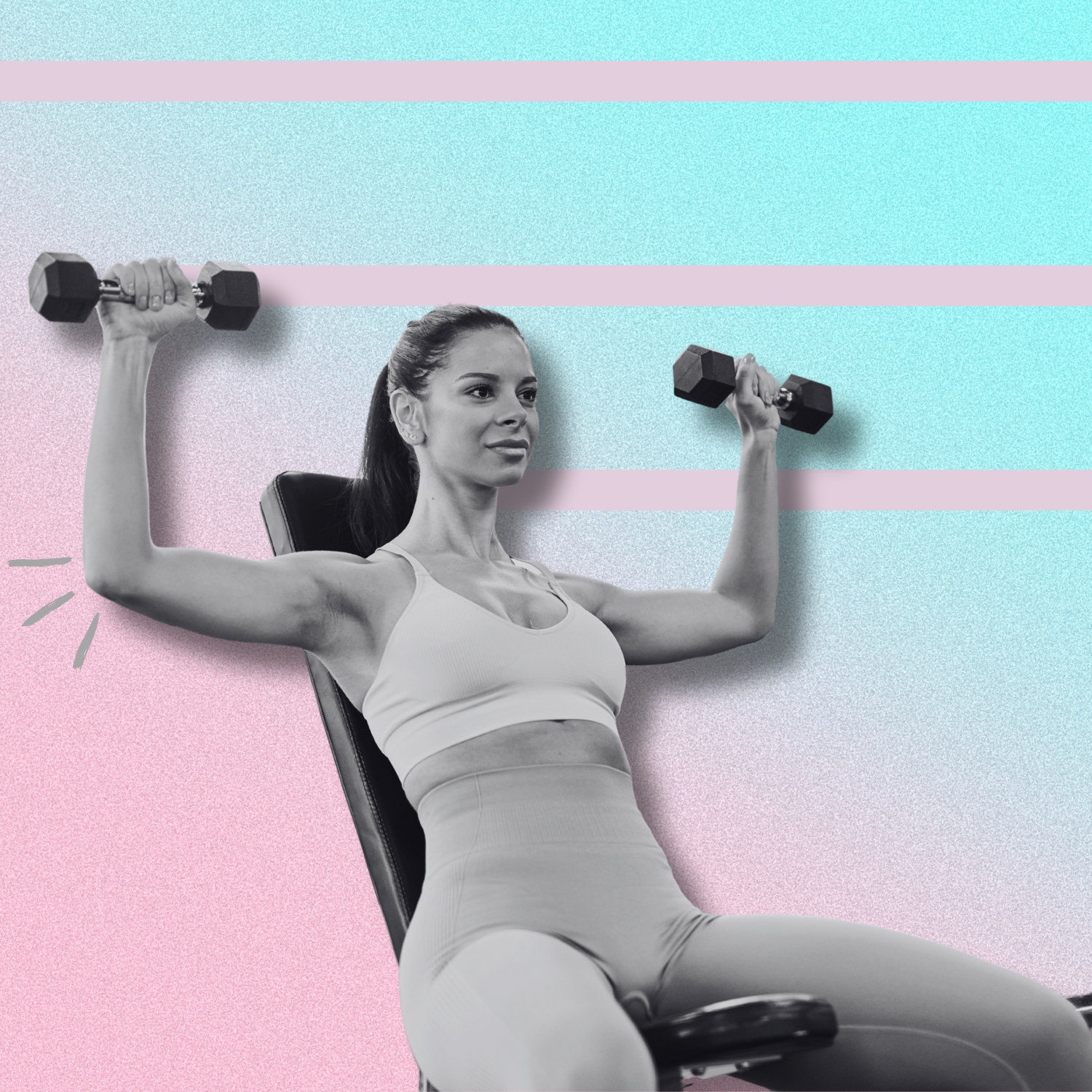
The dumbbell bench press is a staple for chest workouts. It targets the pectoral muscles effectively. Lie on a flat bench with a dumbbell in each hand. Keep your feet flat on the ground. Press the dumbbells above your chest, then lower them slowly. Maintain control throughout the movement.
Dumbbell Flyes
Dumbbell flyes focus on the inner chest muscles. Lie on a bench with dumbbells in hand. Start with the weights above your chest, arms slightly bent. Lower the weights out to your sides, feeling a stretch in your chest. Return to the starting position. Keep the motion smooth and controlled.
Dumbbell Pullovers
Dumbbell pullovers engage both the chest and back muscles. Lay across a bench, holding a dumbbell with both hands. Keep your arms extended above your chest. Lower the dumbbell behind your head, stretching your chest. Bring it back to the starting point. This exercise improves chest flexibility.
Intermediate Exercises
Strengthen your chest at home with dumbbells by using exercises like chest presses and flyes. Ensure proper form to maximize effectiveness. Adjust weights gradually to challenge muscles and promote growth.
When your chest workout at home starts to feel too easy, it’s time to level up with intermediate exercises. These exercises require more control and strength, but they also promise better results. You’ll not only build a bigger, stronger chest but also boost your overall upper body power. Let’s dive into some effective intermediate exercises using dumbbells that you can easily do at home.Incline Dumbbell Press
The incline dumbbell press targets your upper chest and shoulders. You’ll need a bench that can be adjusted to a 30-45 degree angle. 1. Setup: Sit on the incline bench with a dumbbell in each hand. Rest them on your thighs as you lie back. 2. Execution: Press the dumbbells up over your chest, keeping your wrists straight. Lower them slowly to the starting position. 3. Tips: Focus on controlled movements. Avoid arching your back during the press. This exercise mimics the incline bench press found in gyms. It offers a great way to develop that upper chest, giving you a fuller look.Decline Dumbbell Press
Targeting the lower part of the chest, the decline dumbbell press is often overlooked. A decline bench is ideal, but an improvised setup like a slanted surface can work too. 1. Setup: Lie on the decline bench, securing your feet at the top. Hold a dumbbell in each hand with your arms extended. 2. Execution: Lower the dumbbells until your elbows are at about a 90-degree angle. Push them back up to the starting position. 3. Tips: Keep your movements slow and steady. Ensure your elbows do not flare out excessively. This exercise is excellent for creating a balanced chest appearance. You’ll notice improved strength in your lower chest area as you continue.Dumbbell Squeeze Press
The dumbbell squeeze press is a unique exercise that emphasizes the inner chest. It also engages your triceps, making it a powerful dual-purpose move. 1. Setup: Lie flat on a bench or the floor with a dumbbell in each hand. Press the dumbbells together in front of your chest. 2. Execution: Squeeze the dumbbells together as hard as you can while pressing them upwards. Lower them back slowly. 3. Tips: Focus on maintaining tension between the dumbbells throughout the exercise. This exercise might feel different at first. However, the tension it creates is key to sculpting the inner chest area effectively. By integrating these exercises into your routine, you challenge your muscles in new ways. Are you ready to feel the burn and see the growth?Advanced Techniques
Target chest muscles effectively with dumbbells using advanced techniques. Try incline presses and flyes to develop upper chest strength. Incorporate pullover exercises to engage multiple muscle groups, enhancing chest definition.
Working out your chest at home with dumbbells can be an intense and rewarding experience, especially when you incorporate advanced techniques. These methods not only challenge your muscles but also help break through plateaus. By adding complexity to your routine, you can engage different muscle fibers and enhance muscle growth. Let’s dive into some advanced techniques that will take your chest workout to the next level.Single-arm Dumbbell Press
The single-arm dumbbell press is an excellent exercise for building unilateral strength. This move requires more core stabilization and engages your chest muscles differently than the traditional press. – How to perform: Lie on a bench or the floor, holding a dumbbell in one hand. Keep your elbow at a 90-degree angle and press the weight up towards the ceiling. Maintain a steady pace, focusing on form rather than speed. This exercise not only balances muscle development but also improves your core strength as it works overtime to keep you stable. Have you ever noticed one side of your body is stronger than the other? This technique can help you correct that.Alternating Dumbbell Flyes
Alternating dumbbell flyes are a fantastic way to isolate each side of your chest while maintaining muscle tension. This variant requires you to perform a fly with one arm while the other remains extended. – Steps to follow: Lie on a bench with a dumbbell in each hand, arms extended. Lower one arm out to the side in a controlled manner, keeping a slight bend in the elbow. Bring the arm back to the starting position and repeat with the other arm. The alternating motion keeps your chest muscles engaged throughout the set. This technique also enhances coordination and balance, adding a fresh challenge to your routine.Drop Sets And Supersets
Drop sets and supersets are powerful tools to maximize muscle fatigue and growth. They are perfect for pushing your limits and achieving that coveted muscle pump. – Drop Sets: Start with a heavier weight and perform as many reps as you can. Immediately switch to a lighter weight and continue the set without rest. This method exhausts the muscle fully and encourages hypertrophy. – Supersets: Choose two exercises targeting the chest, like bench presses followed by flyes. Perform them back-to-back with no rest in between. This increases the intensity and saves time, making your workouts more efficient. Both methods keep your muscles guessing and can lead to significant improvements in strength and size. Have you tried pushing through that final rep when your muscles are screaming? That’s where real growth happens. Incorporating these advanced techniques into your chest workout can lead to impressive results. Next time you hit the dumbbells at home, try these strategies and see how they transform your routine. Your chest will thank you!Common Mistakes
Many overlook proper form, risking injury and ineffective results. Choosing weights that are too heavy can hinder progress. Neglecting warm-ups leads to strained muscles and slower gains.
Working out your chest with dumbbells at home can be incredibly effective, but common mistakes can hinder your progress. Recognizing these pitfalls can make a significant difference in your workout results. Let’s explore some of the frequent errors people make and how to avoid them for a safer and more productive exercise session.Improper Form
Maintaining proper form is crucial for any workout, especially when you’re using dumbbells. Incorrect form not only reduces the effectiveness of the exercise but also increases the risk of injury. Ensure your elbows are slightly bent and your movements are controlled. Have you ever noticed your shoulders straining more than your chest? This could be a sign of improper form. Use a mirror or record yourself to check your alignment. Small adjustments can lead to big improvements.Overtraining
More isn’t always better when it comes to working out. Overtraining your chest can lead to muscle fatigue and even injury. Your muscles need time to recover in order to grow. Are you giving your body enough rest? Ensure you’re not working the same muscle group intensely on consecutive days. Balance is key, so consider incorporating rest days and varying your workout routine to prevent overuse.Neglecting Warm-up
Skipping a warm-up is a common mistake that can sabotage your workout. Warming up prepares your muscles and joints for the workout ahead, reducing the risk of injury. A few minutes of dynamic stretches or light cardio can make a significant difference. How often do you dive straight into your workout? A proper warm-up can enhance your performance and ensure your muscles are ready for the challenge. Remember, a good workout starts with a smart warm-up. Avoiding these mistakes can lead to safer and more effective chest workouts. Pay attention to your form, manage your workout intensity, and never skip a warm-up. Your body will thank you with better results and fewer injuries.
Credit: www.tiktok.com
Creating A Workout Plan
Building a strong chest at home is possible with dumbbells. Focus on exercises like chest presses and flyes. These moves target chest muscles effectively, enhancing strength and definition.
Creating an effective workout plan for chest exercises with dumbbells at home is crucial. It ensures that your workouts are consistent and progressive. With a structured plan, you can track your progress and make necessary adjustments. Below are key components to consider when creating your chest workout plan.Frequency And Duration
Determining how often you should work out is essential. Aim for chest workouts 2-3 times a week. This frequency allows your muscles to grow while providing adequate rest. Each session should last about 30 to 45 minutes. This duration keeps your workouts effective without overstraining your muscles.Progressive Overload
Progressive overload is about gradually increasing the weight or intensity. Start with lighter weights and slowly increase as your strength improves. You can add more repetitions or use heavier dumbbells. This approach helps in building strength and muscle mass over time.Balancing With Other Workouts
Balance chest workouts with exercises for other body parts. Include workouts for your back, arms, and legs. This ensures overall muscle development and prevents imbalances. Create a weekly schedule that incorporates different exercises. This approach keeps your fitness routine comprehensive and engaging.Recovery And Nutrition
Working out your chest with dumbbells at home offers flexibility and convenience. Focus on exercises like dumbbell bench press, fly, and push-ups to build strength. Pair with proper nutrition to enhance muscle recovery and growth.
Recovery and nutrition play a vital role in any workout routine, especially for chest exercises with dumbbells at home. Proper recovery ensures your muscles heal and grow stronger, while nutrition fuels your body for optimal performance.Post-workout Stretching
Stretching after a workout helps reduce muscle soreness. It increases flexibility and prevents injury. Spend at least 10 minutes stretching your chest and surrounding muscles. Focus on gentle movements that relax your body. It helps improve circulation and reduces stiffness.Protein Intake
Protein is essential for muscle repair. Consume protein-rich foods within 30 minutes of your workout. Foods like chicken, fish, eggs, or tofu are excellent choices. Protein shakes can also be a convenient option. Aim for a balanced intake throughout the day to support muscle growth.Hydration Tips
Staying hydrated is crucial for recovery. Water helps flush out toxins and keeps your muscles healthy. Drink water before, during, and after your workout. Avoid sugary drinks that can lead to dehydration. Consider adding electrolytes if you’re sweating heavily. Aim for at least eight glasses of water daily to maintain hydration.Tracking Progress
Tracking progress in your chest workout with dumbbells at home helps you stay motivated. Note improvements in strength, endurance, and muscle definition to ensure effective training.
Tracking progress during your chest workout with dumbbells at home is essential. It helps you see improvements and stay motivated. By focusing on measuring strength, monitoring muscle growth, and adjusting goals, you can ensure consistent development.Measuring Strength Gains
Strength gains are a clear indicator of progress. Track the number of repetitions and weight used in each session. Gradually increase these numbers as your strength improves. Keep a log of your workouts to compare past performances. Consistent improvement in weight and reps signifies strength growth.Monitoring Muscle Growth
Muscle growth might be less obvious. Use a tape measure to track chest size changes. Take photos regularly to visually assess progress. Look for increased muscle definition and size over time. Monitoring physical changes offers motivation and confirms effectiveness.Adjusting Goals
Goals should evolve with your progress. Start with realistic objectives, then adjust as you improve. Set new targets for reps, weight, or muscle size. Achieving small milestones boosts confidence and drives continued effort. Regularly reassess your goals to maintain challenge and interest.Frequently Asked Questions
What Are The Benefits Of Chest Workouts With Dumbbells?
Chest workouts with dumbbells improve muscle symmetry and strength. They allow for a greater range of motion, enhancing muscle activation. Dumbbells also reduce muscle imbalances and engage stabilizing muscles. This leads to improved overall chest definition and strength. Additionally, they offer flexibility for home workouts.
Can Beginners Do Chest Workouts With Dumbbells?
Yes, beginners can safely perform chest workouts with dumbbells. Start with lighter weights to learn proper form. Gradually increase weight as strength improves. Focus on controlled movements and maintain a steady pace. This approach helps prevent injury and ensures effective muscle engagement.
How Often Should I Train My Chest At Home?
Training your chest at home 2-3 times a week is ideal. Ensure at least one rest day between sessions for recovery. This frequency promotes muscle growth and strength. Avoid overtraining to prevent injuries. Consistency and proper rest are key to effective chest development.
What Dumbbell Exercises Target The Chest Muscles?
Key dumbbell exercises for chest muscles include the bench press, fly, and pullover. These exercises target various chest areas for balanced development. They enhance muscle definition and strength. Incorporating these exercises into your routine maximizes chest engagement and growth.
Conclusion
Building chest strength at home is possible with dumbbells. Follow the exercises consistently. Maintain proper form to avoid injury. Start with lighter weights, then increase gradually. This approach ensures safe progress. Regular workouts improve strength and appearance. Enjoy the benefits of exercising in your own space.
Remember to warm up before you begin. Cooling down after workouts helps recovery. Stay motivated and track your progress. Small steps lead to big results over time. Happy training, and enjoy your fitness journey!