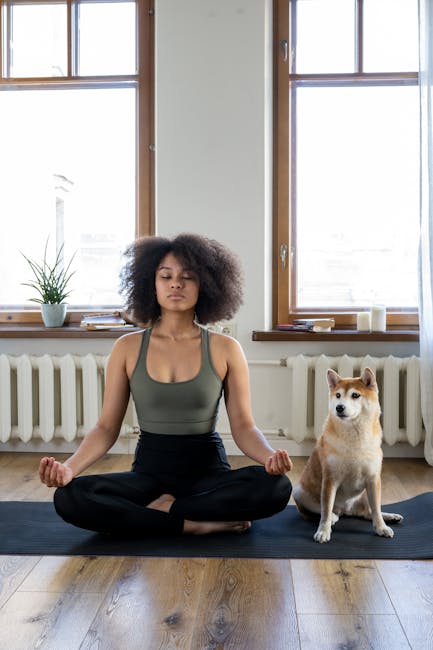
Feeling stuck in your fitness journey? You’re not alone.
Starting a home workout routine can be both exciting and overwhelming. Imagine transforming your living room into your personal fitness haven, no gym membership required. Picture the convenience of exercising in your own space, at your own pace. It’s easier than you think, and you’re about to discover how.
In this guide, you’ll learn simple steps to kickstart your home workouts effectively. Whether you’re a complete beginner or looking to ditch the crowded gym, you’ll find tips tailored just for you. No fancy equipment needed—just your dedication and a few household items. Ready to take control of your fitness and see real results? Let’s dive in and unlock the secrets to a successful home workout routine.
Credit: www.lemon8-app.com
Benefits Of Home Workouts
Creating a home workout routine offers flexibility and convenience. It saves time and eliminates travel hassles. Tailor exercises to fit personal goals, making workouts more effective and enjoyable.
Home workouts are gaining popularity, and for good reason. They offer flexibility, convenience, and a host of benefits that can transform your fitness journey. Whether you’re looking to save time, money, or simply enjoy the comfort of your home, home workouts can be an excellent choice.Cost-effective Fitness
When you work out at home, you eliminate the need for a gym membership. You can use everyday items like chairs or water bottles for exercises, or invest in minimal equipment like resistance bands. This allows you to focus on your fitness without worrying about extra expenses.Flexible Schedule
Home workouts fit into your schedule, not the other way around. You can exercise in the morning, at lunch, or late at night—whatever suits your lifestyle. This flexibility can help you stay consistent and make fitness a regular part of your daily routine.Comfort And Privacy
Exercising at home offers a level of comfort and privacy that’s hard to match elsewhere. You can wear what you want, play your favorite music, and set the temperature to your liking. This personal space can make your workout more enjoyable and less intimidating.Customizable Workouts
Tailor your exercises to your needs and preferences. Whether you’re focusing on cardio, strength, or flexibility, you can easily adapt your workout plan. You have the freedom to experiment with different routines and find what works best for you.Time-saving
Home workouts eliminate travel time to and from the gym. This means more time for you, whether it’s for family, work, or relaxation. Quick sessions like a 20-minute HIIT workout can be just as effective as longer ones, helping you make the most of your day. Have you ever considered how much time and money you could save with home workouts? The benefits are clear, and the convenience might surprise you. Whether you’re new to exercise or a seasoned athlete, home workouts can offer a refreshing and practical approach to staying fit.Setting Clear Fitness Goals
Setting clear fitness goals is essential for starting a successful home workout routine. Define your objectives and track progress consistently. This approach helps maintain motivation and ensures effective workouts tailored to individual needs.
Setting clear fitness goals is crucial for a successful home workout routine. Goals guide your progress and keep you motivated. They help you measure achievements and stay focused on your objectives. Without goals, workouts can become directionless and frustrating. Establishing what you want to achieve makes your routine meaningful and rewarding. Whether it’s building strength, losing weight, or improving flexibility, defining your goals sets the foundation for your fitness journey.Understanding Your Motivation
Knowing why you want to start a workout routine is essential. Are you aiming to improve health or boost energy levels? Clarifying your motivation helps in setting realistic and achievable goals. It keeps you committed and driven even on challenging days.Setting Specific Goals
Define clear and specific goals for your workouts. Vague goals like “get fit” are hard to measure. Specific goals, like “lose 5 pounds in a month,” provide direction. They give you a target to work towards with clear steps and timelines.Creating Measurable Goals
Make sure your goals are measurable. Use numbers or benchmarks to track progress. This can be the number of push-ups, weight lifted, or minutes of exercise. Measurable goals allow you to see improvements and adjust your routine if needed.Ensuring Achievable Goals
Goals should be challenging yet realistic. Setting unattainable goals leads to disappointment. Assess your current fitness level and resources. Start with achievable objectives and gradually increase difficulty. Celebrate small victories to stay motivated.Setting Relevant Goals
Ensure your goals align with your lifestyle and interests. If you love running, focus on improving your stamina. Relevant goals are more enjoyable and sustainable. They make workouts a part of your routine rather than a chore.Determining Time-bound Goals
Set deadlines for achieving your goals. Time-bound goals create urgency and help maintain focus. Short-term goals, like weekly targets, keep you on track. Long-term goals provide a vision for your overall fitness journey.Adjusting Goals As Needed
Flexibility in goal-setting is vital. Your needs and capabilities may change. Regularly evaluate your goals and adjust them if necessary. This ensures your routine remains effective and aligned with your evolving fitness level.Creating A Dedicated Space
Creating a Dedicated Space Find a quiet spot in your home for your workouts. Use it only for exercise to stay focused. Keep your equipment organized and within reach to make your routine seamless.
Creating a dedicated space for your home workout routine is essential. This space influences your motivation and consistency. A well-organized area can transform your fitness experience. It helps you stay focused and driven.Finding The Right Spot
Choose a spot with enough room to move freely. Consider areas with minimal distractions. Natural light boosts energy levels. A quiet corner can be perfect. Ensure it is easily accessible.Organizing Your Equipment
Store equipment neatly to avoid clutter. Use shelves or bins for small items. Hang yoga mats or resistance bands. Keep everything within reach. This makes workouts smoother.Personalizing Your Space
Add motivational posters or quotes. Personal touches inspire consistency. Use colors that energize. Incorporate elements you enjoy. Create a space that feels inviting.Ensuring Safety And Comfort
Check your flooring for safety. Use mats for cushioning and grip. Avoid slippery surfaces. Ensure good ventilation. Comfortable settings enhance performance.Maintaining Cleanliness
Keep your area tidy after each workout. Clean equipment regularly. A clean space promotes a healthy routine. It prevents injuries and distractions. Maintain cleanliness for effective workouts.Essential Equipment For Beginners
Starting a home workout routine requires basic equipment for effective exercises. Dumbbells, resistance bands, and a yoga mat offer versatility and support for various workouts. A stability ball can enhance core exercises, while a jump rope provides excellent cardio options.
Starting a home workout routine can be exciting and rewarding. The right equipment makes it easier. Beginners often wonder which tools to buy first. This section will guide you through essential equipment choices. You don’t need a lot of space or a big budget. Let’s explore some smart options.Budget-friendly Options
Setting up a workout space doesn’t have to be expensive. Many affordable options exist.- Resistance Bands:These are versatile and cheap. They help build strength.
- Yoga Mat:Comfortable and necessary for floor exercises.
- Jump Rope:Great for cardio. Easy to store.
- Dumbbells:Start with light weights. They are effective for toning muscles.
Space-saving Equipment
Not everyone has a large area for workouts. Choosing compact tools can help.- Adjustable Dumbbells:Save space. Change weight easily.
- Foldable Treadmill:Easy to store. Provides a full cardio workout.
- Doorway Pull-Up Bar:Fits in any doorway. Good for strength training.
- Mini Exercise Ball:Useful for core workouts. Easy to store.
Choosing The Right Workout Plan
Embarking on a home workout routine is an exciting journey, but choosing the right workout plan can be a daunting task. It’s crucial to find a balance that suits your lifestyle, goals, and current fitness level. You might wonder, should you focus on building strength, boosting your cardio, or enhancing flexibility? These elements are all essential in their own right, and integrating them can lead to a well-rounded fitness regimen.
Strength Training
Strength training is pivotal for building muscle and enhancing metabolism. If you have dumbbells or resistance bands at home, you’re already set up for success. Begin with basic exercises like squats and lunges. These not only target multiple muscle groups but also lay a solid foundation for more advanced workouts later.
If you’re new to strength training, consider starting with bodyweight exercises. Push-ups and planks are excellent for building core strength without the need for equipment. Remember, consistency is key, and tracking your progress can motivate you to push further.
Cardio Workouts
Cardio workouts are essential for heart health and weight management. You don’t need fancy equipment to get your heart rate up. Simple activities like jumping jacks or jogging in place can be effective. If you’re looking for variety, try a dance workout or follow a virtual HIIT session.
Consider setting achievable goals, like aiming for 20 minutes of cardio three times a week. As you build endurance, gradually increase the duration and intensity. Mixing up your routine keeps it exciting and prevents plateauing.
Flexibility And Balance
Flexibility and balance exercises are often overlooked but are crucial for preventing injuries and improving posture. Incorporate stretching or yoga into your routine. Poses like the downward dog and tree pose can enhance your flexibility and balance over time.
You don’t need to dedicate hours to these exercises. Even five minutes of stretching daily can make a significant difference. Engage your mind by focusing on breathing, which can also help reduce stress.
Choosing the right workout plan involves understanding your personal goals and limitations. By combining strength, cardio, and flexibility exercises, you ensure a comprehensive approach to fitness. What will your perfect routine look like?
Structuring Your Routine
Create a dedicated space at home for workouts. Set specific times for exercise in your daily routine. Start with simple exercises and gradually increase intensity.
Structuring your workout routine is the key to success when starting a home workout regimen. Imagine having a clear plan that guides you, making each session productive and motivating. This structure is not just a sequence of exercises; it’s a roadmap to your fitness goals. By organizing your routine thoughtfully, you can optimize your time, prevent injuries, and make progress visible and rewarding. Let’s dive into the essential elements to structure your routine effectively.Warm-up And Cool-down
A well-structured routine starts and ends with care for your body. Warm-up exercises prepare your muscles and joints for the workout ahead, reducing the risk of injury. You might include dynamic stretches or light cardio like jogging in place. Cooling down is equally important. It helps transition your body back to rest and improves recovery. Consider gentle stretches or deep breathing exercises to relax your muscles. Ever noticed how professional athletes spend time cooling down? It’s not just about performance but long-term health.Balancing Different Exercises
Balance is crucial in your routine. Target different muscle groups to avoid overworking any particular area. Mixing cardio, strength training, and flexibility exercises keeps things interesting and comprehensive. Think about alternating between upper body and lower body workouts, or mixing in some yoga for flexibility. This diversity not only enhances overall fitness but keeps you engaged. What’s your favorite mix of exercises that keeps you motivated?Rest Days Importance
Rest days are not a break from progress; they are essential for it. Your muscles need time to recover and grow stronger. Skipping rest days can lead to fatigue and even injury. Plan your rest days as you would your workouts. Listen to your body’s signals; sometimes it needs extra rest. Have you ever felt the difference a good rest day makes in your energy and performance? It’s remarkable how refreshed you feel, ready to tackle your next workout with renewed vigor.Staying Motivated
Staying motivated in your home workout routine can be challenging, but it’s crucial for long-term success. Whether you’re a beginner or a seasoned fitness enthusiast, maintaining enthusiasm requires deliberate effort and strategies. Let’s explore some effective ways to keep your motivation levels high.
Tracking Progress
Tracking your progress can be a game-changer in keeping you motivated. Use a journal or a fitness app to record your workouts, noting improvements in strength, endurance, or flexibility. Seeing tangible evidence of your hard work can boost your confidence and encourage you to stick with your routine.
Consider keeping a visual chart on your wall to see your progress at a glance. This can be especially rewarding when you hit a new personal best. Are you lifting heavier weights or running longer distances than a month ago? Celebrate those wins!
Setting Milestones
Set clear and achievable milestones to give yourself something to strive for. Break down your fitness goals into smaller, manageable targets. This could be as simple as adding five more push-ups to your routine or shaving a minute off your mile time.
Each milestone you reach becomes a stepping stone to your ultimate goal. Reward yourself when you hit these milestones. Maybe treat yourself to a new workout outfit or a day of relaxation.
Incorporating Variety
Variety is the spice of life, and it applies to workouts too. Mixing up your routine can prevent boredom and keep your body challenged. Try different exercises, like yoga, HIIT, or dance workouts, to keep things fresh and exciting.
You might discover a new passion or a hidden talent in the process. Regularly updating your workout playlist can also provide a motivational boost. What new activity could you try this week to keep your workouts exciting?
Staying motivated doesn’t have to be difficult if you implement these strategies. Remember, every small step counts towards a healthier you.

Credit: in.pinterest.com
Utilizing Online Resources
Embarking on a home workout routine can be both exciting and challenging. One effective way to get started is by leveraging the vast array of online resources available. These tools can provide you with the guidance, structure, and motivation needed to turn your living room into a fitness hub. Whether you’re a beginner or a seasoned athlete, there’s something online for everyone to help you stay on track and achieve your fitness goals.
Fitness Apps
Fitness apps are like having a personal trainer in your pocket. They offer a variety of workouts tailored to different fitness levels and preferences. You can find apps that focus on strength training, yoga, cardio, and more. Many apps allow you to set goals, track your progress, and even compete with friends. Imagine waking up, grabbing your phone, and starting a workout customized just for you. Try experimenting with different apps to find the one that best suits your style and needs.
Youtube Channels
YouTube is a treasure trove of workout content waiting to be explored. From high-intensity interval training (HIIT) to calming yoga sessions, there’s a YouTube channel for every type of workout. Channels like Yoga with Adriene or Fitness Blender offer free, comprehensive sessions that you can follow along at your own pace. Have you ever thought about how much expertise is available for free? Dive into YouTube, subscribe to a couple of channels, and turn your home space into a dynamic workout zone.
Virtual Classes
Virtual classes bring the community feel of a gym into your home. Many fitness studios now offer live or pre-recorded classes online, allowing you to join in from anywhere. These classes can be a great way to stay motivated and feel connected, even when you’re working out solo. Some platforms offer live feedback from instructors, creating an interactive experience. Consider trying a virtual class—sometimes, knowing others are sweating it out with you can be the ultimate motivator.
Safety And Injury Prevention
Starting a home workout routine requires careful planning to avoid injuries. Warm up before exercising and use correct form. Listen to your body and rest as needed to ensure safety.
Starting a home workout routine can be exciting and rewarding. Ensuring safety and preventing injuries should be a top priority. Proper techniques can make your fitness journey enjoyable and effective. Here’s how you can stay safe and avoid injuries during your workouts.Proper Form Techniques
Maintaining correct form is essential to prevent injuries. Focus on technique before speed or weight. Use mirrors to check your posture. Start with basic exercises to understand movement patterns. Watch tutorial videos for guidance. Practicing proper form helps build a strong foundation.Listening To Your Body
Your body sends signals when something is wrong. Pay attention to discomfort or pain. Rest if needed to avoid strain. Gradually increase intensity as you build strength. Stay hydrated and nourish your body well. Listening to your body helps in avoiding serious injuries.When To Consult A Professional
Sometimes guidance from a professional is necessary. Seek help if you’re unsure about your form. Consult a trainer if you have prior injuries. A professional can tailor a plan to your needs. They ensure you’re exercising safely and effectively. Getting expert advice can be beneficial in the long run.
Credit: darebee.com
Adjusting Your Routine Over Time
Starting a home workout routine requires regular adjustments for effectiveness. Begin with simple exercises, then gradually increase intensity and duration to match your growing stamina and strength. Tailor your schedule to fit personal goals and lifestyle changes over time.
Starting a home workout routine is an exciting journey. It gives you flexibility and control over your fitness. As you progress, adjusting your routine becomes essential. This ensures consistent improvement and prevents plateaus.Increasing Intensity
Gradually raising intensity keeps workouts effective. You can add more reps or sets. Maybe increase the weight if you’re using equipment. Listen to your body. Push yourself, but avoid overtraining. This helps build strength and endurance.Introducing New Challenges
Adding variety maintains interest and motivation. Try new exercises or different workout styles. You might explore yoga, pilates, or HIIT. This challenges different muscle groups and keeps things fresh. It also improves overall fitness.Reassessing Goals
Goals evolve as you progress. Evaluate your achievements regularly. Are you meeting your targets? Adjust your aims to stay motivated. Whether it’s weight loss, muscle gain, or flexibility, keep goals realistic. Celebrate small victories to stay encouraged.Frequently Asked Questions
What Are The Benefits Of A Home Workout Routine?
A home workout routine offers convenience and flexibility. It saves time and money on gym memberships. You can exercise anytime, fitting sessions into your schedule. It also provides privacy, allowing you to focus without distractions. Plus, it encourages consistency, which is key to achieving fitness goals.
How Do I Create A Home Workout Plan?
Start by setting clear fitness goals and assessing your current fitness level. Choose exercises that target different muscle groups. Plan a balanced routine, including strength, cardio, and flexibility workouts. Allocate specific days and times for workouts. Consistency is crucial for progress and motivation.
What Equipment Is Needed For Home Workouts?
Basic home workouts need minimal equipment. Consider dumbbells, resistance bands, and a yoga mat. A stability ball and jump rope are optional for variety. Many exercises use body weight alone, making them versatile. Invest gradually in equipment as your routine evolves and your fitness level improves.
How Can I Stay Motivated At Home?
Set specific, achievable goals and track your progress. Create a dedicated workout space to minimize distractions. Find a workout buddy or join online fitness communities for support. Mix up your routine to prevent boredom. Celebrate small milestones to boost motivation and maintain commitment.
Conclusion
Starting a home workout routine is rewarding and achievable. Consistency is key. Set clear goals and track progress. Choose exercises you enjoy. This keeps motivation high. Create a schedule that fits your lifestyle. Adjust it as needed. Listen to your body and rest when necessary.
Resources online can guide you. Staying active improves health and well-being. Celebrate small victories along the way. Every step forward counts. Enjoy your fitness journey. Your effort will pay off. Stay committed and keep moving!