As the temperature drops and the chill of winter sets in, you’re likely preparing for cozy nights by the fire and snowy adventures. But before you head out into the frosty wonderland, it’s crucial to ensure you’re safeguarding yourself against common cold weather injuries.
These injuries can sneak up on you, turning a beautiful winter day into an uncomfortable ordeal. Imagine the frustration of a simple oversight leading to days of discomfort or even a trip to the emergency room. Understanding how to prevent these injuries not only keeps you safe but also enhances your enjoyment of the season.
We’ll arm you with practical tips and insights to protect your health and well-being during the cold months, ensuring you can fully enjoy all the joys winter has to offer. Curious to know more? Let’s dive in and keep you warm and injury-free this winter!

Credit: www.facebook.com
Dress In Layers
Dress in layers to trap warmth and stay dry. This method helps prevent cold weather injuries effectively. Choose breathable fabrics for comfort and protection.
Dressing in layers is a simple yet effective strategy to shield yourself from cold weather injuries. It’s not just about piling on clothes; it’s about smartly choosing each layer for its specific purpose. This technique ensures you stay warm, dry, and comfortable, allowing you to enjoy outdoor activities even when the temperature drops.Base Layer Choices
Your base layer is crucial as it directly touches your skin. Choose materials like moisture-wicking fabrics such as synthetic fibers or merino wool. These materials help to keep sweat off your skin, preventing that clammy feeling. Avoid cotton because it absorbs moisture, leading to a chill. Think about how a wet t-shirt feels on a cold day—that’s what you want to avoid.Insulating Layer Importance
The insulating layer is your main source of warmth. Opt for fleece or down-filled jackets that trap heat effectively. This layer acts like a warm hug, keeping your body heat close. Remember, the key is trapping warm air, not just adding bulk. A lightweight fleece can often be warmer than a heavy sweatshirt.Outer Layer Protection
Your outer layer is your shield against the elements. It should be waterproof and windproof. Look for jackets with sealed seams and adjustable cuffs to block out wind and rain. Consider the environment you’ll be in. If snow is expected, a hood could be your best friend. Think of it as your personal fortress against unpredictable weather. Choosing the right layers is not just about fashion; it’s about safety and comfort. Are you prepared to face the cold with confidence?Protect Extremities
Cold weather poses a unique challenge to staying warm, especially for your extremities. Fingers, toes, and ears are often the first to feel the chill, and neglecting them can lead to serious cold weather injuries. Protecting these vulnerable areas not only keeps you comfortable but also ensures your overall well-being during frigid conditions. Are you doing enough to safeguard your extremities?
Warm Gloves And Mittens
When temperatures drop, your hands are among the first to suffer. Opt for gloves or mittens that provide ample warmth. Mittens, unlike gloves, keep your fingers together, allowing them to generate and retain more heat. It’s worth investing in a pair that is water-resistant to shield against snow and moisture. Remember, a snug fit is crucial—loose gloves might allow cold air to seep in.
Insulated Footwear
Your feet are your foundation, and keeping them warm is paramount. Insulated boots are your best ally against icy terrain. Look for footwear with thick soles and proper insulation to trap heat effectively. Wool socks can provide an extra layer of warmth. Consider layering socks if your boots allow space without compromising circulation. Have you ever experienced numb toes from inadequate footwear?
Hats And Ear Protection
Did you know that a significant amount of body heat escapes through your head? Wearing a hat is a simple yet effective way to prevent heat loss. Choose hats made from materials like fleece or wool for better insulation. Don’t forget ear protection! Earmuffs or a hat with ear flaps will shield your ears from biting winds. If you’ve ever underestimated the cold, you know how vital ear protection is.
Stay Dry
Layer clothing to insulate and keep moisture away from skin. Wear waterproof outerwear and boots to stay dry. Avoid cotton, as it retains moisture and chills the body.
Staying dry is one of the most crucial steps you can take to prevent cold weather injuries. Wet clothing can significantly increase the risk of hypothermia and frostbite as moisture draws heat away from the body. By focusing on staying dry, you can enjoy winter activities without compromising your safety. Let’s delve into some practical measures you can take to keep moisture at bay.Waterproof Clothing
Investing in high-quality waterproof clothing is a smart move for anyone spending time outdoors in cold, wet conditions. Look for garments labeled as “waterproof” rather than just “water-resistant” to ensure they effectively block moisture. Jackets with sealed seams offer an extra layer of protection, preventing water from seeping in. It’s not just about jackets—consider waterproof pants and boots as well. These items can make a world of difference when trudging through snow or hiking in rainy weather. Remember, staying dry starts from head to toe.Avoiding Sweat Buildup
While waterproof clothing is essential, it’s equally important to manage internal moisture from sweat. Sweating in cold weather can quickly make you feel chilled. Choose breathable fabrics for your base layer to help wick moisture away from your skin. Layer your clothing to easily adjust for activity levels. When you feel too warm, take a layer off to prevent excessive sweating. Consider your activity level and the weather conditions to balance warmth and breathability effectively. By understanding and applying these strategies, you can enjoy winter’s beauty without the cold bite.Hydration And Nutrition
Proper hydration and nutrition help prevent cold weather injuries. Drinking water keeps the body warm and energized. Eating balanced meals boosts immunity and maintains body heat.
Cold weather can be as challenging to our bodies as it is to our spirits. Ensuring proper hydration and nutrition is key to keeping cold weather injuries at bay. While bundling up is essential, paying attention to what you eat and drink can be equally important.Importance Of Hydration
Staying hydrated might not be the first thing on your mind when it’s freezing outside. Yet, cold weather can actually increase the risk of dehydration. The dry air pulls moisture from your skin and breath, while the body’s thirst response diminishes in colder environments. Even if you don’t feel thirsty, drink water regularly. Warm beverages like herbal teas can be comforting and hydrating. Remember, each sip helps maintain your body’s optimal function.High-energy Snacks
Your body burns more calories in the cold to maintain warmth. It’s crucial to fuel it with high-energy snacks. Keep easy-to-carry options like nuts, dried fruits, or energy bars on hand. Consider how your body responds to different foods. Do nuts give you an energy boost, or does a protein bar work better? Experiment with different snacks to find what keeps you energized.Limit Exposure Time
Limit time spent outdoors to prevent cold weather injuries. Short breaks indoors can help maintain body warmth effectively. Dressing in layers and monitoring weather conditions are essential for safety.
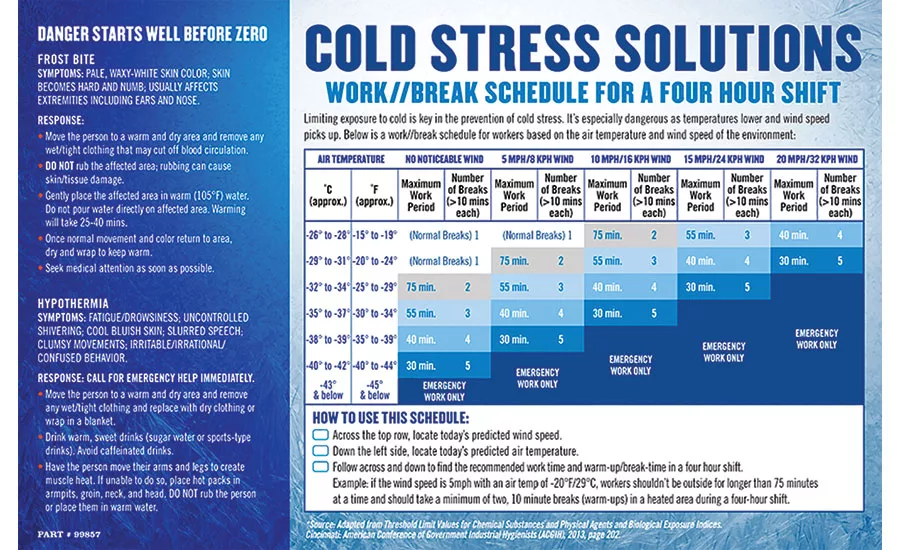
Cold weather can be harsh and unforgiving, especially if you spend extended periods outside. Limiting exposure time is crucial to prevent cold weather injuries such as frostbite or hypothermia. It’s not just about staying warm; it’s about knowing how long you can safely stay outside and when to take breaks. Learning to effectively manage your time outdoors can make a significant difference in your health and safety during the colder months.Recognizing Time Limits
Understanding your personal limits in cold weather is key. Everyone has a different tolerance level, and recognizing yours is essential. Have you ever noticed how quickly your fingers start to feel numb after being outside for a while? That’s a signal to head indoors. An excellent way to gauge your limits is by keeping track of how your body reacts. Are you shivering excessively or feeling unusually tired? These are signs that you’ve been outside too long. Pay attention to weather forecasts and wind chills. They can help you determine a safe duration for outdoor activities. It’s not just about temperature; wind speed and humidity play a significant role in how cold you feel.Scheduling Breaks
Taking regular breaks can prevent cold-related injuries. Schedule them to coincide with your body’s signals. If you start feeling cold, it’s time for a break. Shorter, more frequent breaks might be more beneficial than one long break. This helps maintain your body temperature more effectively. Consider setting a timer on your phone to remind you when it’s time to go inside. Create a cozy indoor environment where you can warm up quickly. Keep blankets and hot drinks at the ready. This way, you can recharge and get back outside feeling refreshed. Isn’t it intriguing how a simple break can make all the difference? By listening to your body and planning your time wisely, you can enjoy the outdoors without putting yourself at risk.
Credit: www.facebook.com
Recognize Early Signs
Spotting early signs like numbness or tingling helps prevent cold weather injuries. Staying warm and dry is crucial. Wear layers and insulated clothing to maintain body heat.
Recognizing the early signs of cold weather injuries is crucial. Quick action can prevent serious health issues. Cold temperatures pose risks like frostbite and hypothermia. Knowing the symptoms helps in taking timely measures.Frostbite Symptoms
Frostbite affects skin and underlying tissues. It occurs in cold, windy conditions. Common areas include fingers, toes, nose, and ears. Early signs include tingling or numbness. Skin may appear white or grayish-yellow. It can feel firm or waxy. Affected areas may lose feeling. Quick treatment is essential to prevent damage.Hypothermia Warning Signs
Hypothermia happens when body temperature drops too low. It affects body functions. Symptoms include shivering and confusion. A person may feel clumsy or have slurred speech. Drowsiness and exhaustion are common. Watch for weak pulse and shallow breathing. Hypothermia is dangerous and needs immediate attention. Knowing these signs can save lives.Create A Safe Environment
Cold weather can bring many risks, especially if your environment is not safe. Creating a safe space is key to preventing cold injuries. Proper shelter, secure heat sources, and a well-maintained environment are essential. This section explores how to make your surroundings safer during chilly seasons.
Shelter Considerations
Choose a shelter that can keep out cold winds. Insulate walls to maintain warmth inside. Check for drafts around windows and doors. Use weather-stripping to seal gaps. Regularly inspect roofs for leaks. Ensure that gutters are clean to prevent ice buildup. Secure your shelter with sturdy materials.
Using Heat Sources Safely
Heat sources should be used with care. Keep flammable objects away from heaters. Never leave heat sources unattended. Install smoke detectors in areas with heaters. Make sure ventilation is adequate to avoid carbon monoxide buildup. Follow safety instructions for all heating equipment. Regularly check for signs of wear or damage.

Credit: ocwellnessphysicians.com
Plan Activities Wisely
Planning activities wisely during cold weather is crucial to prevent injuries. Cold temperatures can pose risks such as frostbite and hypothermia. With careful planning, you can enjoy outdoor activities safely. Let’s explore how to plan your activities wisely.
Checking Weather Forecasts
Start by checking the weather forecasts regularly. Accurate forecasts help you avoid unexpected weather changes. Look for temperature, wind chill, and precipitation details. Knowing these factors helps in preparing better for outdoor activities. Use reliable sources like local weather apps or websites. They offer real-time updates and alerts.
Choosing Appropriate Activities
Select activities that suit the weather conditions. Some activities are safer in cold weather than others. Opt for low-risk options like hiking or walking in mild conditions. Avoid high-risk activities in extreme cold, such as skiing without proper gear. Consider indoor alternatives if the weather is too harsh.
Ensure activities match your physical ability and experience level. This reduces injury risk and enhances enjoyment. Choose activities that allow flexibility in duration and intensity. Having options ensures you can adjust based on weather changes.
Frequently Asked Questions
What Are Common Cold Weather Injuries?
Common cold weather injuries include frostbite, hypothermia, and chilblains. Frostbite damages skin and underlying tissues due to extreme cold. Hypothermia occurs when body temperature drops dangerously low. Chilblains result in red, itchy skin caused by cold and damp conditions. Awareness and protection are crucial to prevent these injuries.
How Can Layering Clothes Help?
Layering clothes helps trap body heat, providing insulation against cold. Wear moisture-wicking base layers, insulating middle layers, and waterproof outer layers. This combination keeps you warm, dry, and protected from harsh weather conditions. Proper layering is key to preventing cold weather injuries effectively.
Why Is Hydration Important In Cold Weather?
Hydration is crucial even in cold weather as it maintains bodily functions and circulation. Cold air is often dry, leading to dehydration. Drinking water helps regulate body temperature and prevents injuries like frostbite. Stay hydrated to ensure your body functions optimally in cold conditions.
How Can You Protect Extremities From Cold?
Protect extremities by wearing insulated gloves, warm socks, and waterproof boots. Use hand and foot warmers for added protection. Keep moving to maintain circulation. These measures prevent frostbite and other cold-related injuries. Ensuring extremities are warm is essential for overall safety in cold weather.
Conclusion
Staying safe in cold weather is essential. Dress warmly in layers. Protect your extremities with gloves and hats. Stay dry to avoid chilling. Keep moving to maintain body heat. Drink warm fluids for comfort. Be aware of frostbite and hypothermia signs.
Plan outings carefully in extreme conditions. Share your travel plans with someone. Know your limits and avoid overexertion. Prioritize safety and enjoy winter activities responsibly. Stay informed about weather updates. Your health and safety come first. With these tips, you can enjoy winter while staying safe.