Imagine this: you’re going about your day when suddenly, an unexpected injury leaves you wincing in pain, and worse, fearing for the health of your nail. It’s unsettling to think that a small accident could lead to the nightmare of losing a nail.
But don’t worry, you’re not alone, and there are steps you can take to prevent this from happening. You’ll discover straightforward tips and techniques to keep your nail intact after an injury. You’ll learn how to protect, treat, and care for your nails, ensuring they stay healthy and strong.
Read on and empower yourself with the knowledge to keep your nails safe and secure. Don’t let a simple accident turn into a long-term frustration. Your nails deserve the best care, and you’re about to find out how to give it to them.
Credit: health.clevelandclinic.org
Understanding Nail Injuries
Understanding nail injuries is crucial for preventing them from falling off after an accident. Protect nails by avoiding trauma and wearing gloves. Keeping nails clean and moisturized also helps maintain their health.
Understanding nail injuries is crucial for preventing a nail from falling off after an injury. Whether it’s a slammed door, a heavy object, or a sports mishap, nail injuries are surprisingly common and can be quite painful. Recognizing the causes and types of nail damage can help you take swift action to care for your nails.Common Causes
Nail injuries can happen in the blink of an eye. Accidental trauma, such as dropping something heavy on your foot or catching your finger in a car door, is a frequent culprit. Sometimes, repetitive actions like typing or playing musical instruments can lead to stress and eventual damage. Have you ever considered how your choice of footwear might impact your nails? Tight shoes can cause repeated pressure on your toenails, leading to bruising or even detachment over time. Additionally, sports enthusiasts might find themselves at risk due to sudden impacts or collisions.Types Of Nail Damage
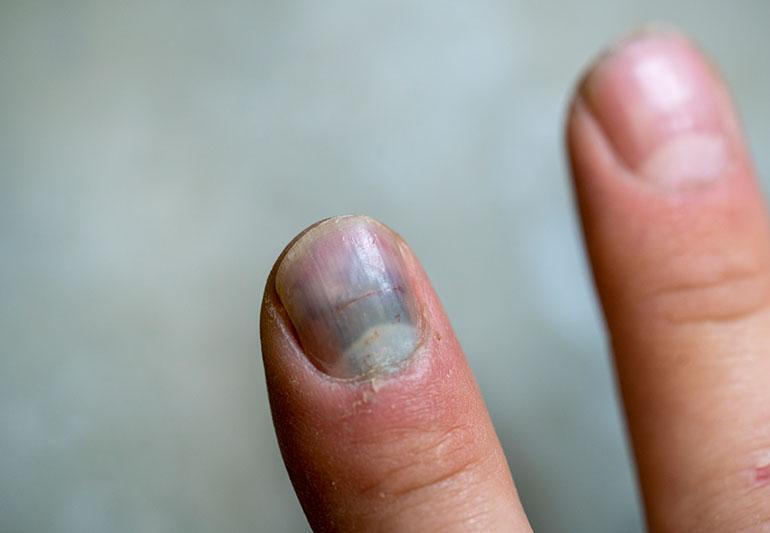
Understanding the type of damage your nail has sustained is the first step in treatment. A common form is a subungual hematoma, which occurs when blood collects under the nail due to trauma. This can cause intense pressure and discomfort. Nail avulsion, where the nail is partially or completely torn from the nail bed, is another serious type. If you notice your nail lifting or detaching, it’s crucial to keep the area clean and protected to prevent infection. Have you ever noticed a white spot or streak on your nail? This might indicate a less severe injury, often due to minor trauma or pressure. While these are usually harmless, they can serve as a reminder to be gentle with your nails. Taking a proactive approach to understanding and addressing these common causes and types of nail damage can help maintain nail health and prevent future issues. What steps will you take to protect your nails today?Immediate First Aid
Clean the injured area gently and keep it dry. Apply ice to reduce swelling and elevate the affected finger.
Immediate First Aid is crucial after a nail injury. Quick action can prevent further damage. It can also reduce pain and swelling. This guide covers essential steps to take right away.Cleaning The Area
First, wash your hands with soap. Use clean water to rinse the injured nail. This removes dirt and bacteria. Apply antiseptic to the area. It helps prevent infection. A cotton swab can apply it gently. Avoid rubbing the area harshly.Managing Bleeding
Apply gentle pressure with a clean cloth. This helps stop the bleeding. Keep the pressure steady. Elevate the injured finger above heart level. This reduces blood flow to the area. If bleeding doesn’t stop, seek medical help. It’s important to act promptly.Reducing Swelling
Elevate the injured area to reduce swelling. Apply ice wrapped in a cloth to minimize inflammation. Use a clean bandage to protect the nail from further damage.
Reducing swelling is crucial after a nail injury. Swelling can increase pain and delay healing. Effective strategies can help manage swelling. Start with simple home remedies. They can provide relief and protect your nail.Cold Compress Techniques
Cold compresses help reduce swelling quickly. Wrap ice cubes in a soft cloth. Apply gently to the injured nail. Use for 15 to 20 minutes. Repeat every few hours. Do not apply ice directly on the skin. It can cause frostbite.Elevation Methods
Elevating the injured nail reduces swelling. Keep the affected hand or foot raised. Use pillows or cushions. Elevate above heart level. This improves blood flow. Reduces swelling effectively. It also decreases pain. Try to maintain this position often.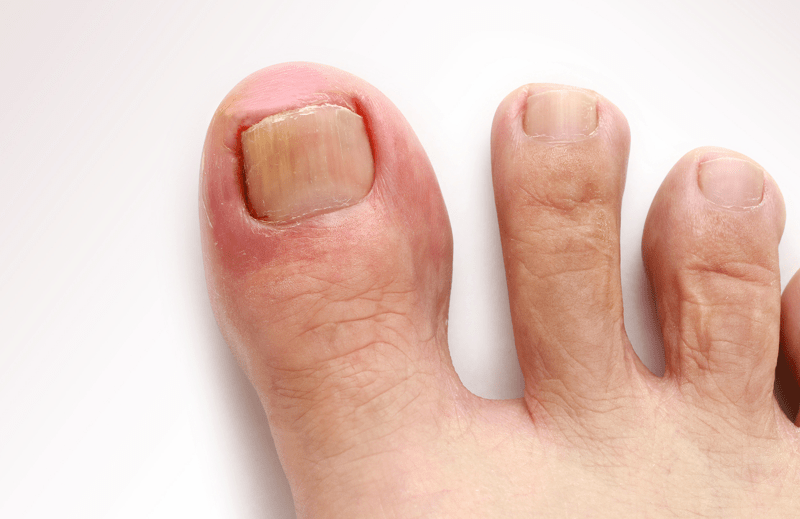
Credit: health.clevelandclinic.org
Protecting The Nail
Protecting your nail after an injury is crucial for healing. A damaged nail can be painful and prone to infection. Keeping the nail safe helps it recover faster. Several methods can help in securing the nail properly. Bandaging and using a splint are effective strategies. Let’s explore these techniques to safeguard your nail.
Bandaging Tips
Start with cleaning the injured nail. Use mild soap and water. Gently pat it dry with a clean towel. Apply an antiseptic ointment to avoid infection. Wrap the nail with a sterile bandage. Ensure the bandage is snug but not too tight. It should cover the entire nail area. Change the bandage daily or if it gets wet. Avoid wrapping the bandage too tight, as this can restrict blood flow.
Using A Splint
A splint provides extra protection. It stabilizes the nail and reduces movement. Start by choosing a small, soft splint. Ensure it’s comfortable for your finger. Place the splint under the nail, supporting it. Secure the splint with medical tape. This keeps the nail in place and reduces strain. Check daily to make sure it remains secure. Adjust the splint if needed for comfort.
Promoting Healing
Keep the injured nail clean and dry to reduce infection risk. Apply ice packs to minimize swelling and pain. Use a protective bandage to shield the nail from further trauma.
Promoting healing after a nail injury is vital. A healthy recovery prevents nail loss. Taking the right steps aids in faster and safer healing. Let’s explore effective ways to ensure your nail stays intact and strong.Nutritional Support
Proper nutrition boosts healing. Vitamins and minerals play key roles. Vitamin C strengthens collagen, aiding in nail repair. Foods rich in Vitamin C include oranges, strawberries, and bell peppers. Zinc supports tissue repair and growth. Find zinc in meats, nuts, and seeds. Omega-3 fatty acids reduce inflammation. Fish like salmon and walnuts are great sources. Stay hydrated. Water helps nutrients reach your nails efficiently.Topical Treatments
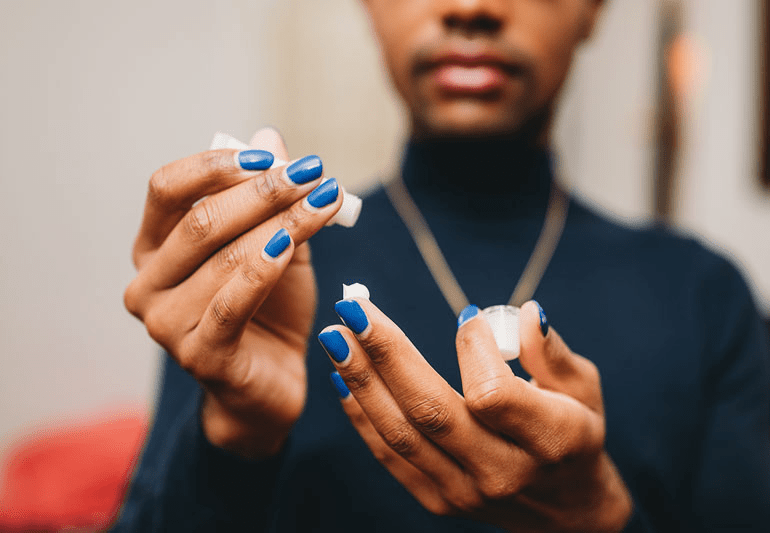
Topical treatments offer direct benefits. Antiseptic creams prevent infections. They are crucial for healing. Apply them gently on the injured nail. Aloe vera gel soothes and moisturizes. It promotes faster recovery. Use it twice daily for best results. Essential oils like tea tree oil have antifungal properties. Dilute before applying to avoid irritation. Always test a small area first. Keep the nail area clean and dry. This reduces the risk of infection, aiding the healing process.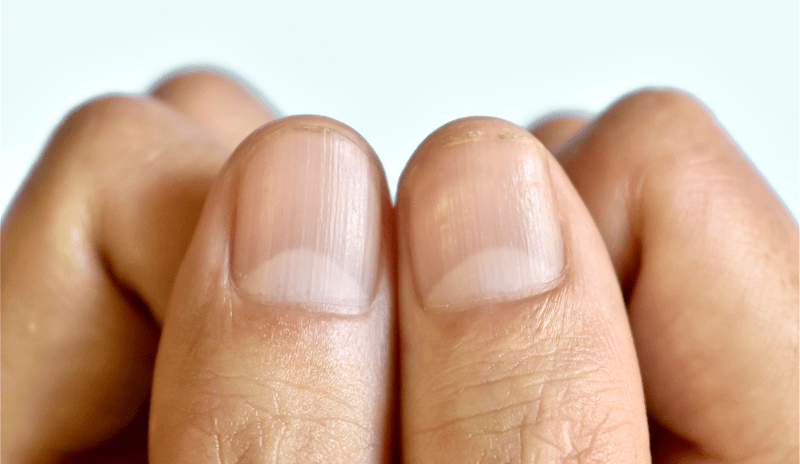
Credit: health.clevelandclinic.org
Monitoring For Infection
Keep the injured nail clean and dry to prevent infection. Apply an antiseptic ointment and cover with a bandage. Avoid pressure on the nail to reduce the risk of it falling off.
Monitoring for infection is crucial after a nail injury. Prompt detection and treatment can prevent complications. After an injury, the nail bed is vulnerable. Infection can lead to pain, swelling, and possibly the nail falling off. Regular checks help catch early signs of infection. Knowing what to look for can save time and discomfort. Below are key signs and actions to ensure your nail stays healthy.Signs To Watch For
Your nail can show signs of trouble. Redness around the nail is a common indicator. Swelling can also occur, making the area tender. Discharge may appear, often yellow or green. This suggests bacterial presence. An unusual odor is another warning sign. If the nail feels hotter than usual, it may be infected. Pain that persists or worsens is a concern. Monitor these signs closely.When To Seek Medical Help
Some situations require a doctor’s attention. If redness and swelling increase, seek help. Discharge that doesn’t clear up is a red flag. Persistent pain needs evaluation. If fever accompanies nail issues, consult a doctor. A healthcare professional can assess the severity. They can recommend treatment options. Early intervention prevents the nail from falling off. Keep a record of symptoms and changes. This information aids the diagnosis process.Long-term Care
Protect your nails after injury by keeping them clean and dry. Apply a cold compress to reduce swelling. Elevate your hand to improve blood flow and promote healing.
Long-term care is crucial to prevent a nail from falling off after an injury. Ensuring the nail stays healthy requires patience and diligence. Proper care not only speeds up recovery but also strengthens the nail. This section will guide you on maintaining nail health and implementing preventive measures.Maintaining Nail Health
Keep the nail area clean and dry. This prevents infections that could worsen the injury. Regularly inspect the nail for any signs of infection. Redness, swelling, or pus may indicate a problem. Use antibacterial ointments as recommended by your healthcare provider. Trim the nail carefully to avoid further trauma. Use sharp nail clippers and cut straight across. Avoid rounding the edges, which can lead to ingrown nails. Moisturize the nail and surrounding skin regularly. This keeps them flexible and less prone to damage.Preventive Measures
Wear protective footwear, especially during physical activities. This minimizes the risk of stubbing or impacting your toe. Ensure your shoes fit well to avoid unnecessary pressure on the nails. Consider wearing gloves for manual work. They protect your fingernails from accidental injuries. Incorporate nail-strengthening supplements into your diet. Biotin and zinc can enhance nail resilience. Use a gentle file to smooth any rough edges. This prevents snagging on fabrics or surfaces. Avoid using nails as tools to open packages or scratch surfaces. This reduces the risk of trauma that could lead to nail loss.Frequently Asked Questions
How To Protect Nails After An Injury?
To protect nails after an injury, keep the area clean and dry. Apply an antibiotic ointment and cover with a bandage. Avoid pressure on the nail and wear protective gloves during activities. Consult a doctor for persistent pain or swelling to ensure proper healing.
Can Nail Fall Off After Injury?
Yes, nails can fall off due to severe injury. Trauma can damage the nail bed, causing it to detach. Immediate care can prevent further damage. Keeping the nail clean and avoiding pressure can help. Consult a healthcare professional for severe injuries.
How Long For Nails To Heal Post-injury?
Nails typically take 6-12 months to fully heal after injury. The healing time depends on the severity of the damage. Protect the nail and maintain hygiene to speed recovery. Seek medical advice for prolonged pain or abnormal growth.
Is It Normal For Nails To Change Color After Injury?
Yes, it’s normal for nails to change color after an injury. Bruising can cause discoloration, ranging from red to purple. This is often temporary and fades as the nail heals. Monitor for unusual symptoms and consult a doctor if concerns arise.
Conclusion
Protecting your nails after an injury is crucial. First, clean the area gently. Apply an antiseptic to prevent infection. Keep your nails trimmed short. This reduces pressure and further damage. Wear loose-fitting shoes to avoid discomfort. Use a bandage for extra protection.
Monitor for signs of infection. Swelling or redness needs medical attention. Stay proactive with nail care. This helps in quick recovery. Remember, patience is key. Nails take time to heal. Follow these steps consistently. This ensures your nails stay healthy.
Your efforts pay off with a strong nail. Keep it simple. Keep it safe.